Suizenji Jojuen Garden is a Japanese strolling garden in Kumamoto, a short tram ride from the city center. The Hosokawa lords began it in the early 1630s, and it was completed later in the 17th century. A pond fed by spring water sits at its heart, and paths wind past hills, stones, pines and lawns laid out to recall the old Tokaido road. A small Mt. Fuji rises among them. Stop at the teahouse for matcha by the water, and take time to walk the loop slowly.
From the 1630s to the 1670s
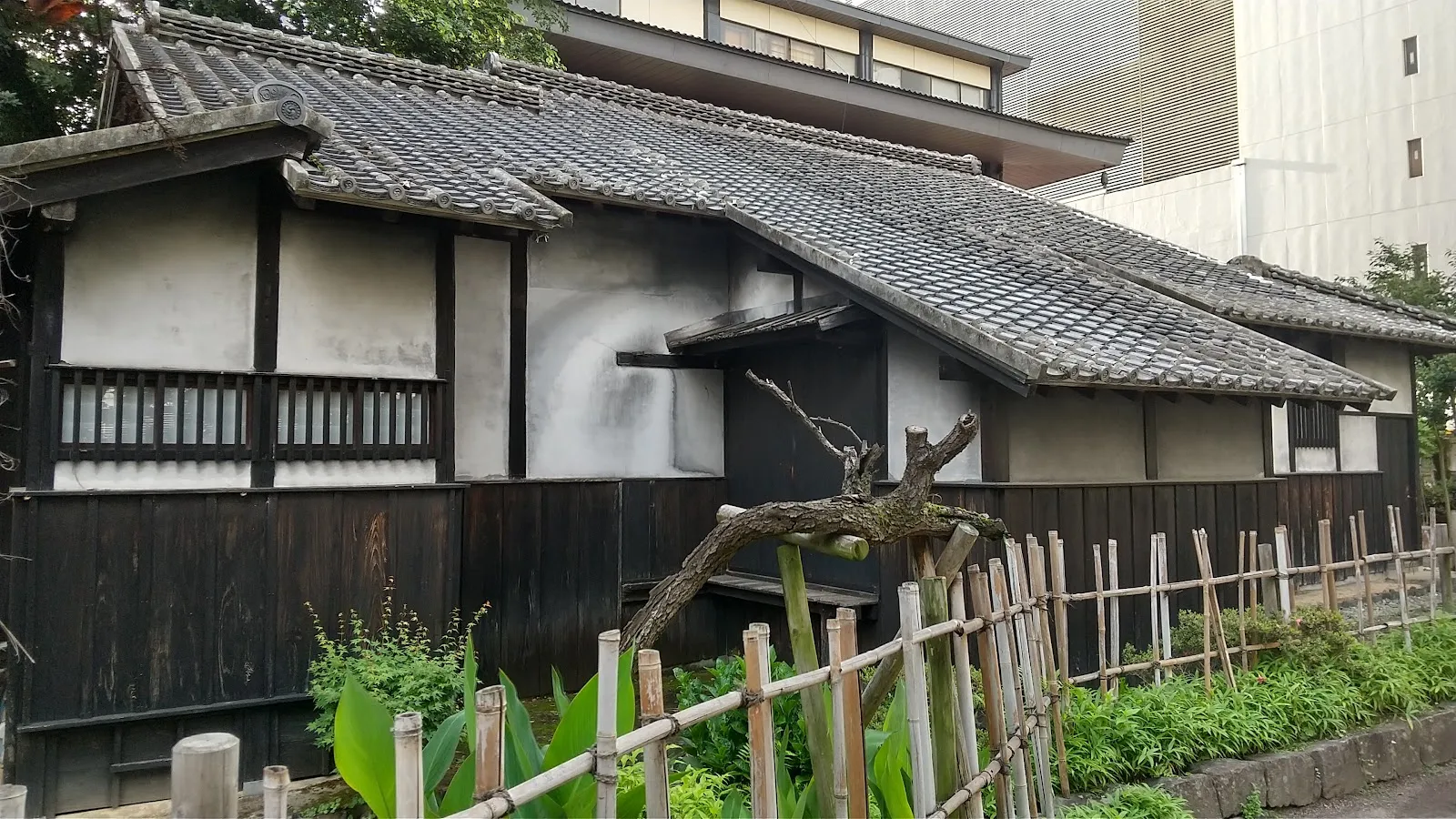
The garden began with a temple. Tadatoshi Hosokawa, the first lord of the Kumamoto domain, had Suizenji Temple built beside the castle grounds in the early 1630s, and a tea house followed. When the temple was later moved, the tea house took its place, and the site became a retreat for members of the Hosokawa family.
Tsunatoshi Hosokawa, the third lord, extended the grounds into a larger garden and named it Jojuen after a poem by Tao Yuanming. The work was completed later in the 17th century. The garden is now designated a national scenic spot and historic site.
The landscape and its symbolism
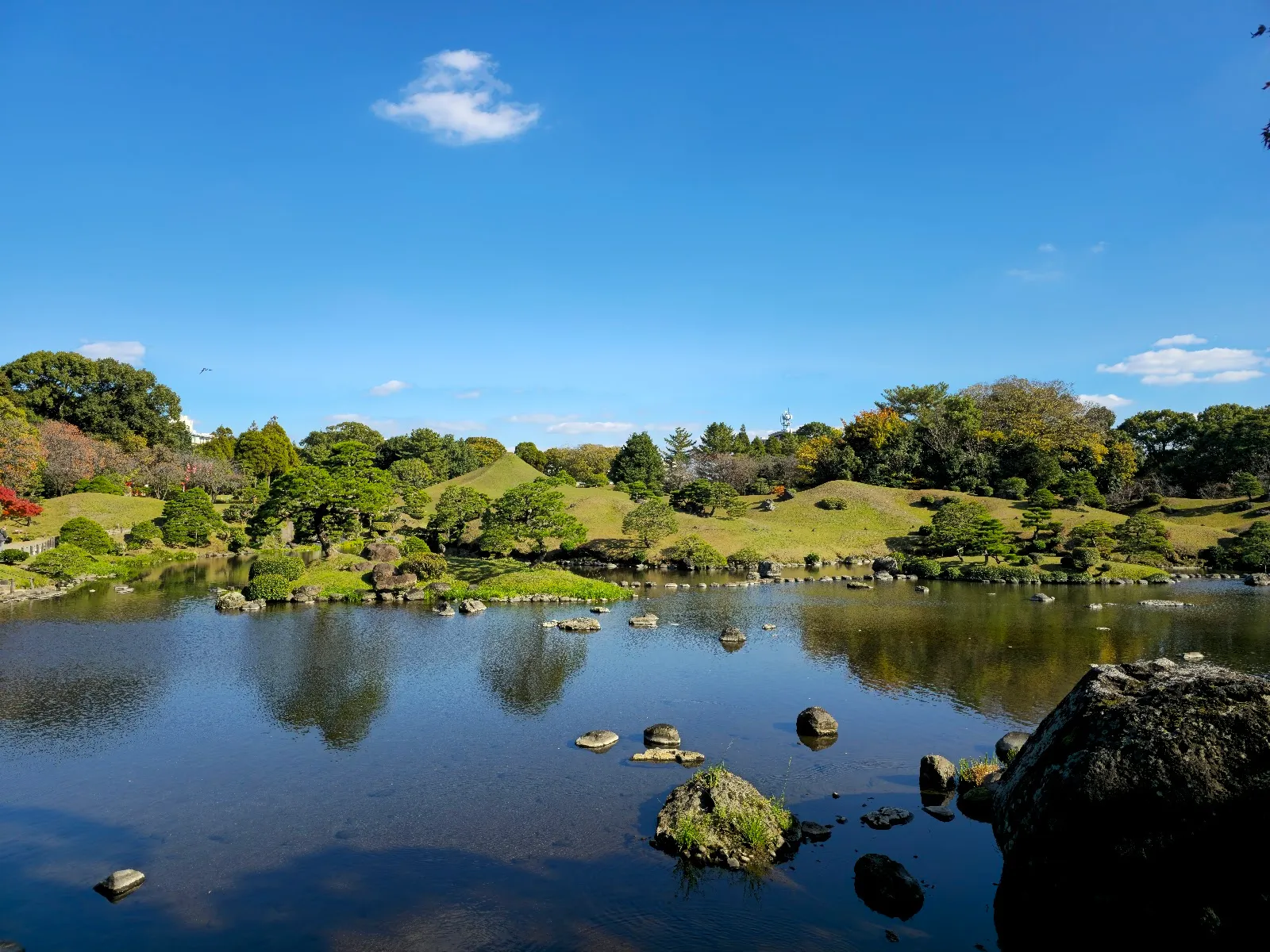
The garden is a miniature version of the Tokaido, the road that linked Kyoto and Edo, now Tokyo, in the Edo period. Stones, trees and small landscape features along the paths suggest the 53 stations of that route. A hill shaped like Mt. Fuji stands in the grounds, and the central pond stands for Lake Biwa.
The pond is fed by underground water from the Aso region, which is rich in minerals and gives the water its clarity. Pine trees and lawns complete the scene around the water.
Buildings and features inside
The teahouse Kokin Denju no Ma is the garden's best-known building. The room is more than 400 years old and was moved from the Kyoto Imperial Palace to Kumamoto in 1912. The best view of the pond is from inside this room.
The grounds also hold two shrines, statues of the Hosokawa clan, a horse archery ground and an indoor Noh stage. Horse archery tournaments, known as yabusame, are held there now and then.
Tea, sweets and the seasons
Matcha and Japanese tea are served beside the pond. A samurai-style tea ceremony, known as bushi no cha, is held in the teahouse. The ceremony is said to be based on the practice of Sen no Rikyu, Japan's greatest tea master.
Sakura mochi is sold just inside the entrance. Cherry blossoms appear from late March to early April, and autumn leaves from late October onward. On windy spring days, petals drift across the paths.
Getting there and planning a visit
Trams run from the city center. Get off at Suizenji Park, not Shinsuizenji Station. From the stop, walk north along the diagonal street until you reach a large torii gate. A shopping street leads from there to the park entrance.
Admission is charged, so check the official website for the current fee. English tours run on weekends and cover the garden's history. Allow about an hour for a leisurely loop, and more if you stop for tea. Kumamoto Castle is only a few tram stops away, so both can be seen in one day.
Animals in the garden
Koi swim in the pond, and herons and carp are regular sights. Cats are often seen around the grounds. Visitors can buy feed for the koi.
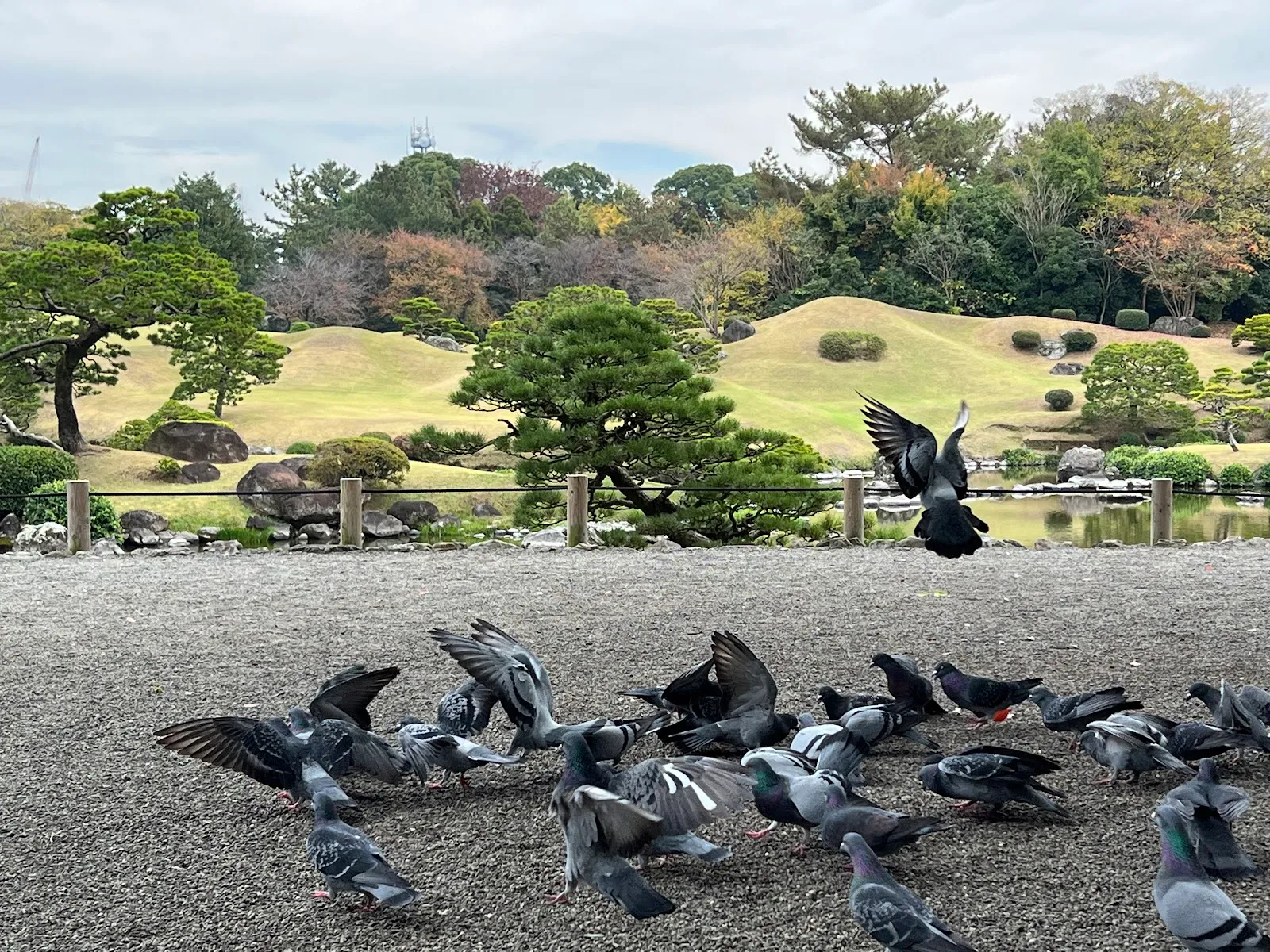
Pigeons gather quickly around anyone holding food, so feeding the birds is best skipped.
Preguntas frecuentes
Is there an entrance fee?
Yes. Admission is charged, so check the official website for the current fee.
How long do you need?
About an hour for a leisurely walk. Allow more time if you stop for tea at the teahouse.
How do you get there?
Take a tram from the city center to the Suizenji Park stop, not Shinsuizenji Station. Walk north along the diagonal street to a large torii gate, then continue to the entrance.
When is the garden at its best?
Cherry blossoms appear from late March to early April, and autumn leaves from late October onward.
Are there English tours?
Yes. English tours run on weekends and cover the garden's history.