In Lucca, Museo Nazionale di Villa Guinigi traces the city’s history through archaeological finds, sculpture and paintings, all displayed inside a villa built for Paolo Guinigi, who ruled Lucca from 1400 to 1430. The collection spans from Etruscan and Roman objects to religious art and works from later centuries. Look for medieval sculptures from churches and convents, paintings by local artists and archaeological pieces found in the area. The chronological displays and quiet atmosphere make it easier to explore at your own pace.
A villa commissioned by Paolo Guinigi
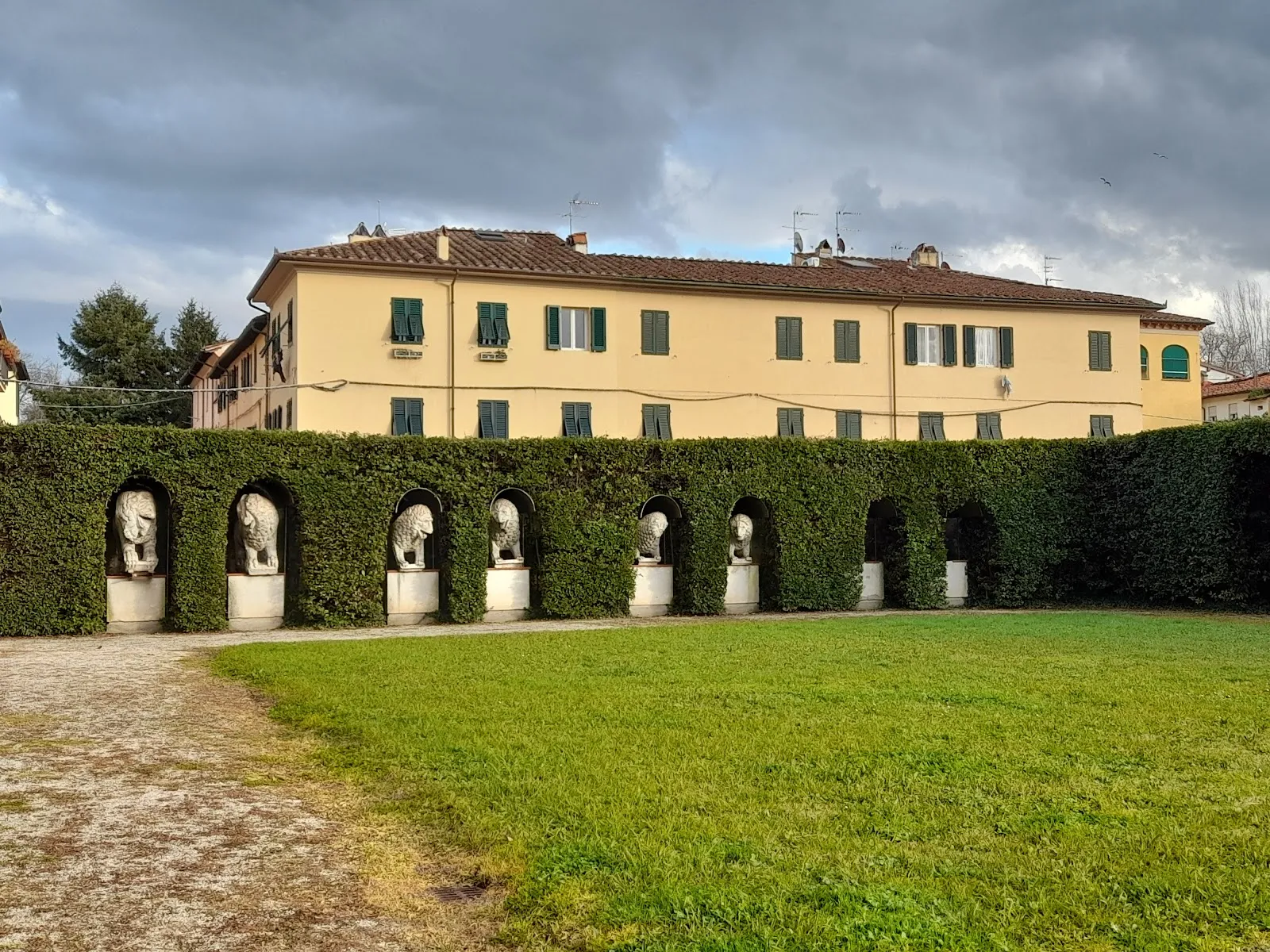
The museum occupies the villa built for Paolo Guinigi, who ruled Lucca from 1400 to 1430. It stood outside the city’s 13th-century walls and served as his country residence. The building was commissioned in the early 15th century, with a loggia portico inspired by patrician villas in the Veneto region.
The house’s connection to the Guinigi family gives the collection a setting tied directly to Lucca’s political and social history. Its rooms now hold works gathered from the city and the surrounding area, arranged to tell that story through objects from different periods.
From archaeological finds to religious art
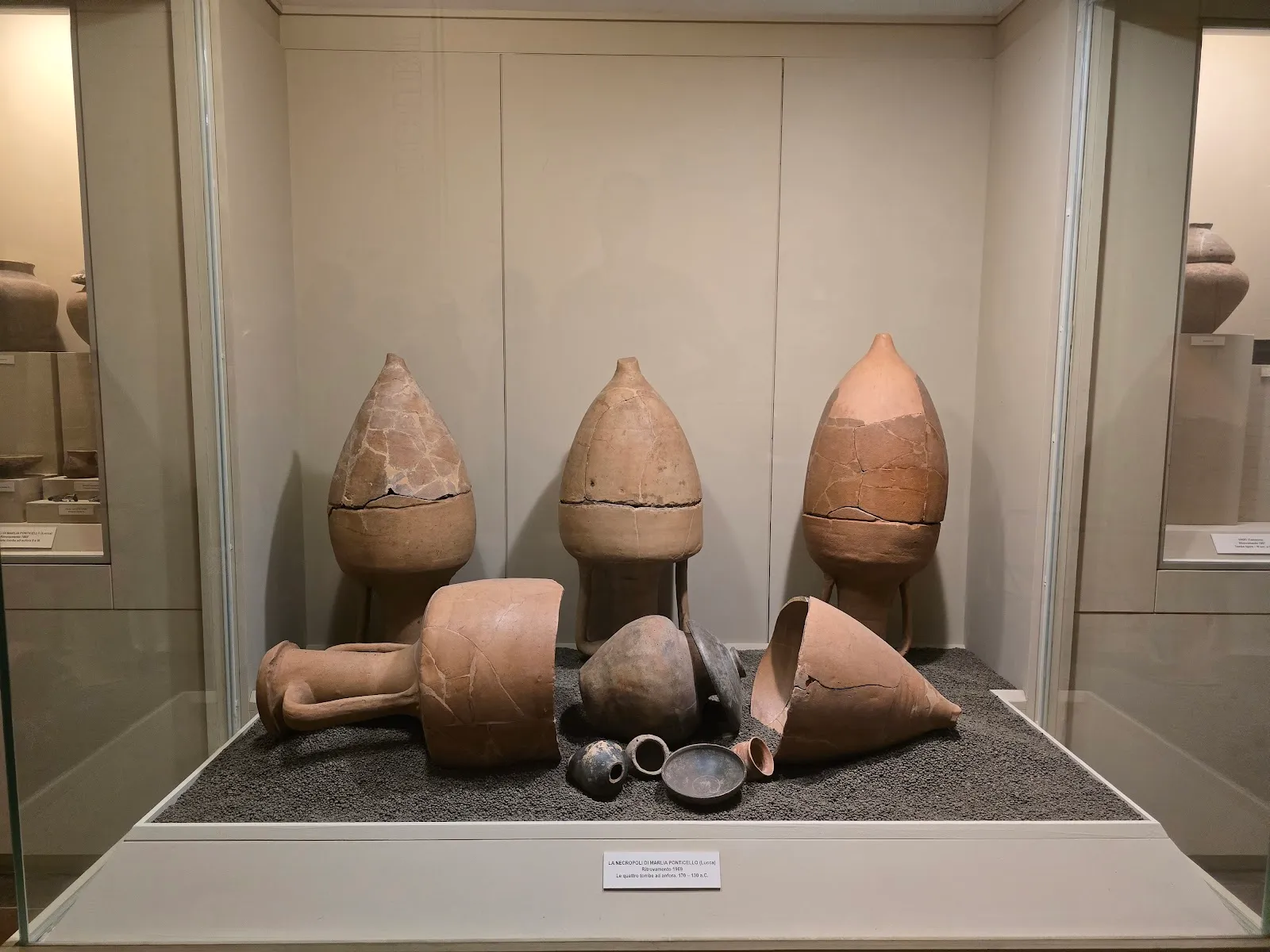
The collection begins with archaeological material, including Etruscan objects dating to the 8th century BC and finds from excavations in Lucca. Other displays include prehistoric and Roman material, as well as objects associated with the Ligurians. Among the archaeological pieces are mosaics, utensils and weapons.
Sculpture and painting make up much of the later collection. Medieval statues from churches and convents sit alongside religious works from subsequent centuries. Wooden crucifixes dating to the 12th century and paintings by artists from Lucca are among the works described in the collection. Reliefs by the local sculptor Matteo Civitali, who lived from 1436 to 1502, offer another connection to the city’s artistic history.
How the collection is arranged
The exhibits are arranged chronologically, taking visitors from ancient material through medieval and later art. Collections occupy different floors of the villa and include both artistic and scientific objects. Medical instruments and measuring devices from the 18th and 19th centuries add a different perspective to the paintings, sculptures and archaeological finds.
There is plenty to examine across the historical periods, so give yourself time to pause at works that interest you. A guide can add context and anecdotes to the displays. The villa also has a garden, though its condition has been noted as needing care. The museum’s collection remains the main reason to plan a visit.
Preguntas frecuentes
When is Museo Nazionale di Villa Guinigi open?
It is open Tuesday through Saturday, from noon to 7:30 pm. It is closed on Mondays and Sundays.
Is the museum wheelchair accessible?
The museum has a wheelchair-accessible entrance, elevator and restroom, but access is not complete throughout.
Should I book tickets in advance?
Advance ticket booking is recommended.