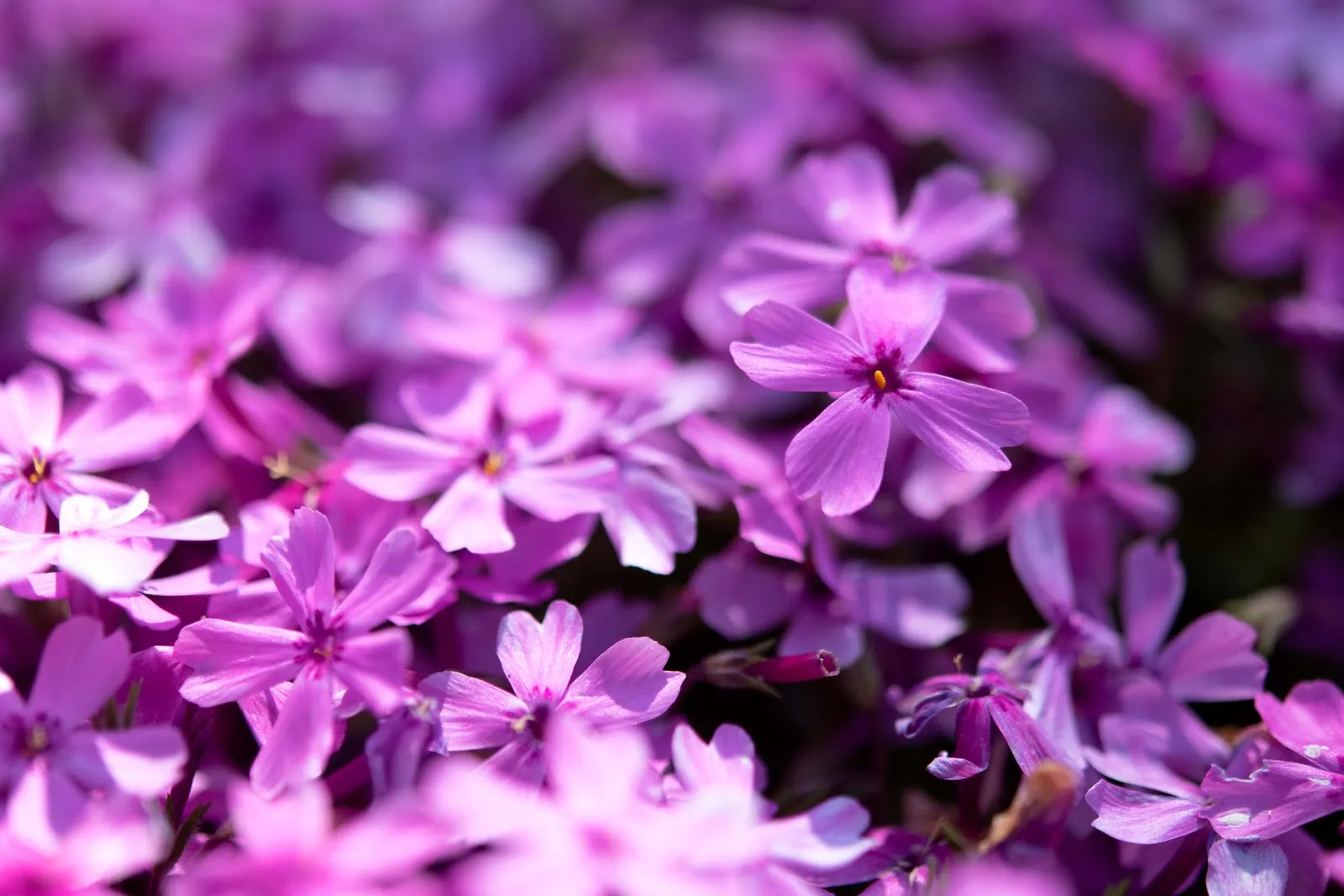
Founded in 1545, the University of Padua Botanical Garden is the world’s oldest academic botanical garden still on its original site. It sits on Via Orto Botanico, near the Basilica of Saint Anthony, and combines its historic circular layout with modern greenhouses. Walk among medicinal plants, rare species and large trees, then visit the museum for scientific displays with English descriptions. The garden’s collections span habitats from alpine rocks to tropical environments, giving you a quiet place to explore both Padua’s botanical history and plant life from different climates.
A garden founded for medicinal study
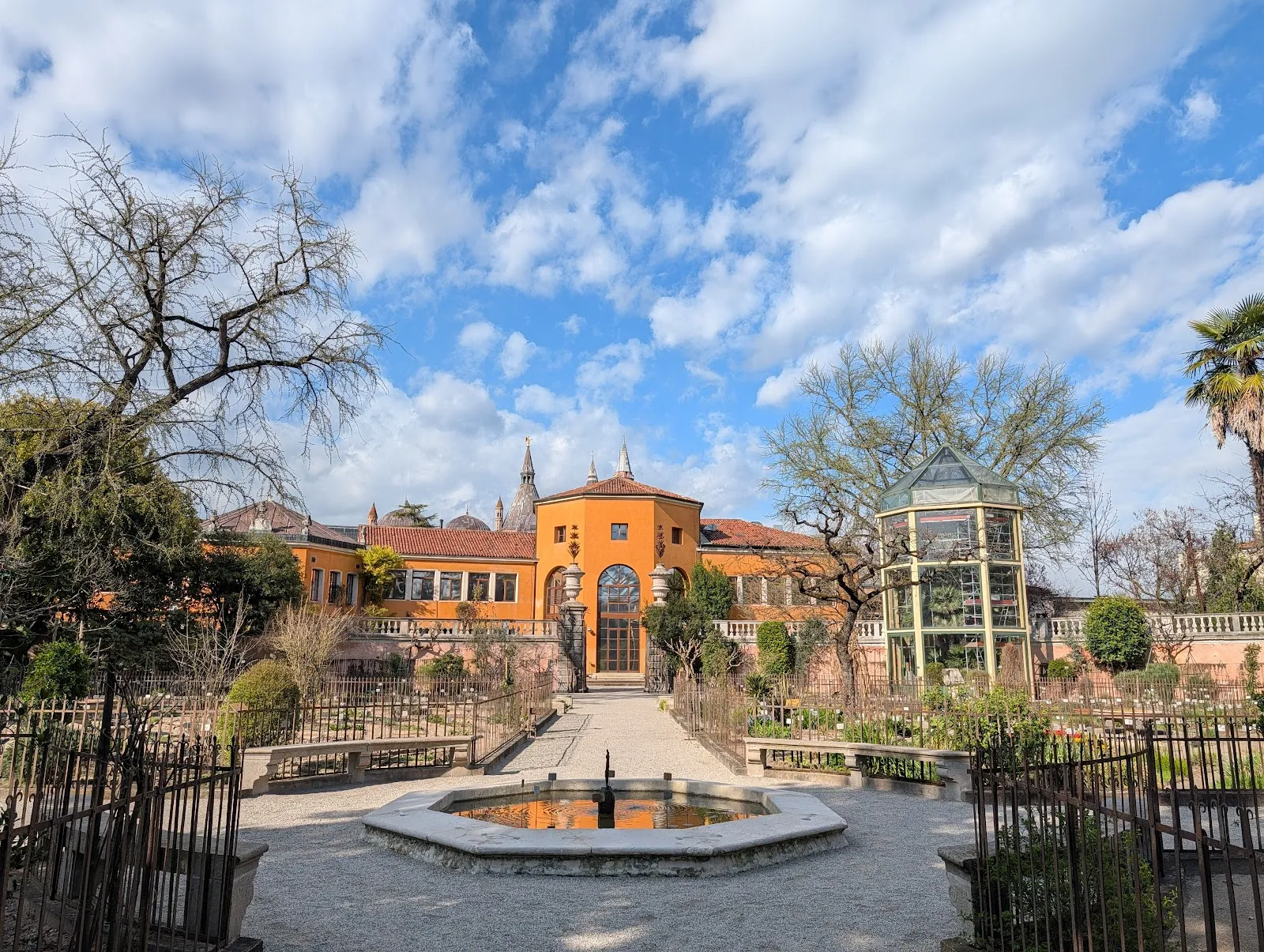
The University of Padua Botanical Garden was established in 1545 to help university students identify medicinal plants. At the time, remedies relied heavily on herbs, and confusing one plant for another could have serious consequences. The garden’s early role in studying plants used for medicine helped establish its place in the history of botany and pharmacology.
The garden remains at its original location. Its work and collections have grown beyond the study of medicinal species, but plants with medicinal uses remain part of its identity. The garden was added to the UNESCO World Heritage List in 1997.
The original layout and plant collections
The historic garden began with a circular plan, intended to represent the world. Its shape and enclosing wall have been retained. As you walk through the grounds, look for carefully labeled collections and large tree specimens, as well as the garden’s medicinal plants and rare species.
The collections include plants associated with the Euganean Hills and the wider Triveneto region, alongside species from other environments. The garden brings together plants from Mediterranean scrub, alpine settings, freshwater habitats and tropical climates. Some areas focus on insectivorous, poisonous or aquatic plants.
Historic greenhouses and newer exhibits
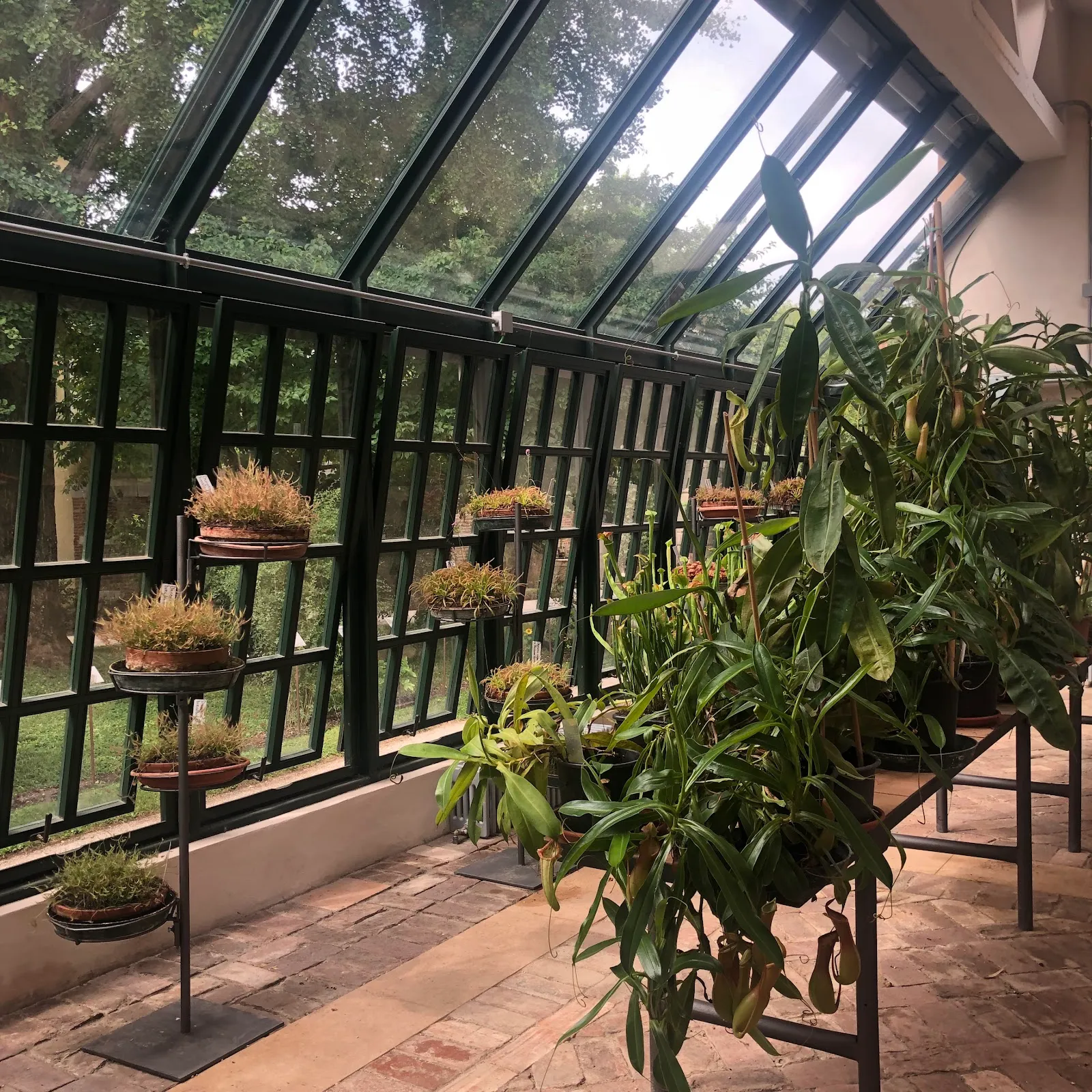
The garden’s historic areas sit alongside greenhouses dating from the 19th century and more recent spaces. The tropical greenhouse includes orchids, while the wider collections show how plant life changes across different climates. Visiting both the older grounds and the greenhouses gives you a fuller picture of how the garden has developed.
The Garden of Biodiversity, inaugurated in 2014, presents a route through the world’s climatic zones. It adds a contemporary educational element to a site whose original purpose was closely tied to university teaching and research.
The museum and a relaxed visit
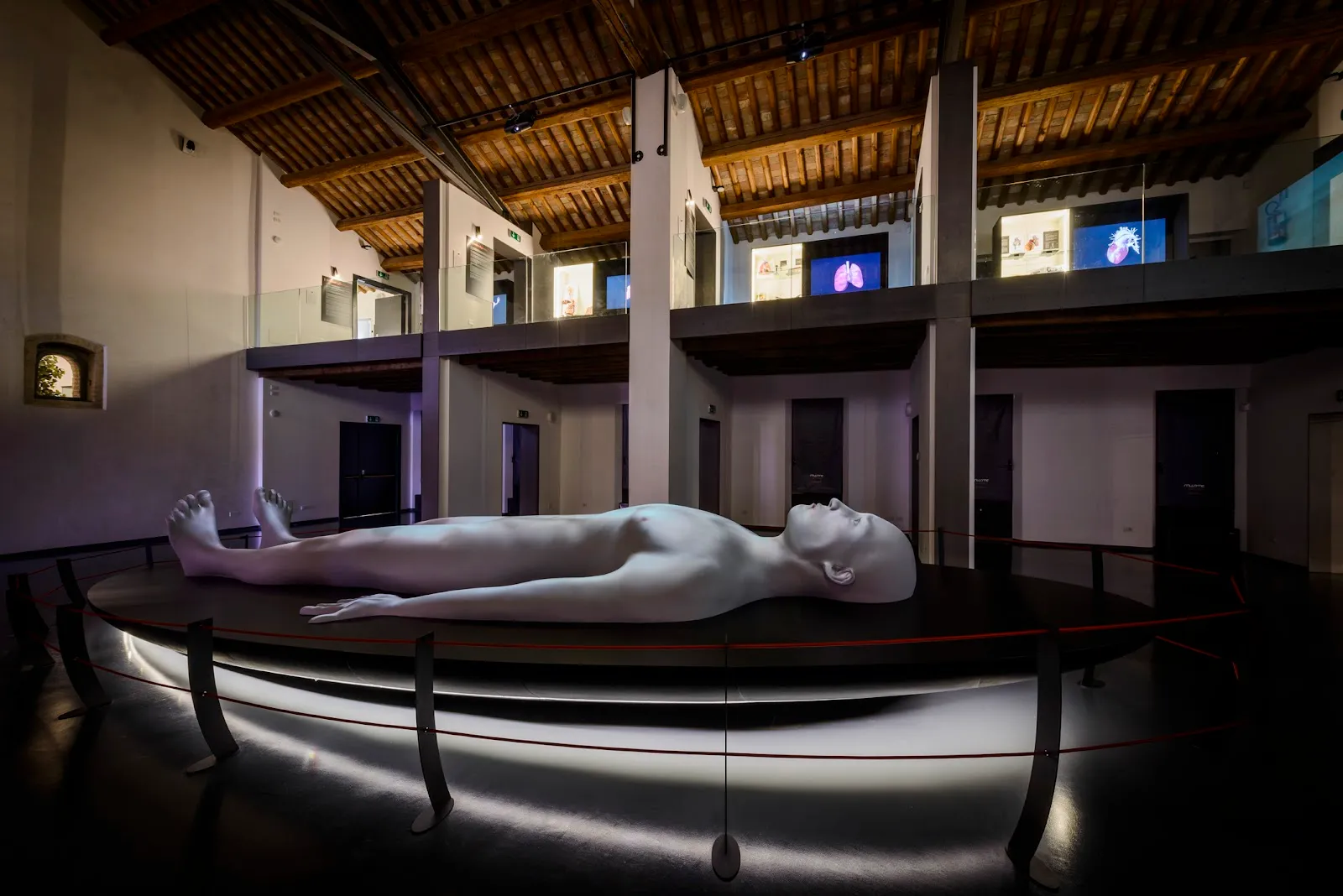
The museum has scientific exhibits with descriptions in Italian and English. An audio guide is available through a web browser, so bring headphones if you want to listen as you go. The displays add context to the plant collections and make the visit useful for anyone curious about the science behind the garden.
Plan around two hours if you want time for the grounds and museum. The garden is generally a calm place to walk, and the labeled collections give you plenty to look for along the paths. It is also suitable for children, with unusual plant types and educational displays to explore.
Preguntas frecuentes
When was the University of Padua Botanical Garden founded?
It was founded in 1545 to help University of Padua students study medicinal plants.
Is the botanical garden a UNESCO World Heritage Site?
Yes. It was added to the UNESCO World Heritage List in 1997.
How long should I spend at the botanical garden?
Allow about two hours to explore the garden and museum at a leisurely pace.
Does the museum have English descriptions?
Yes. The museum’s scientific exhibits include descriptions in English as well as Italian.