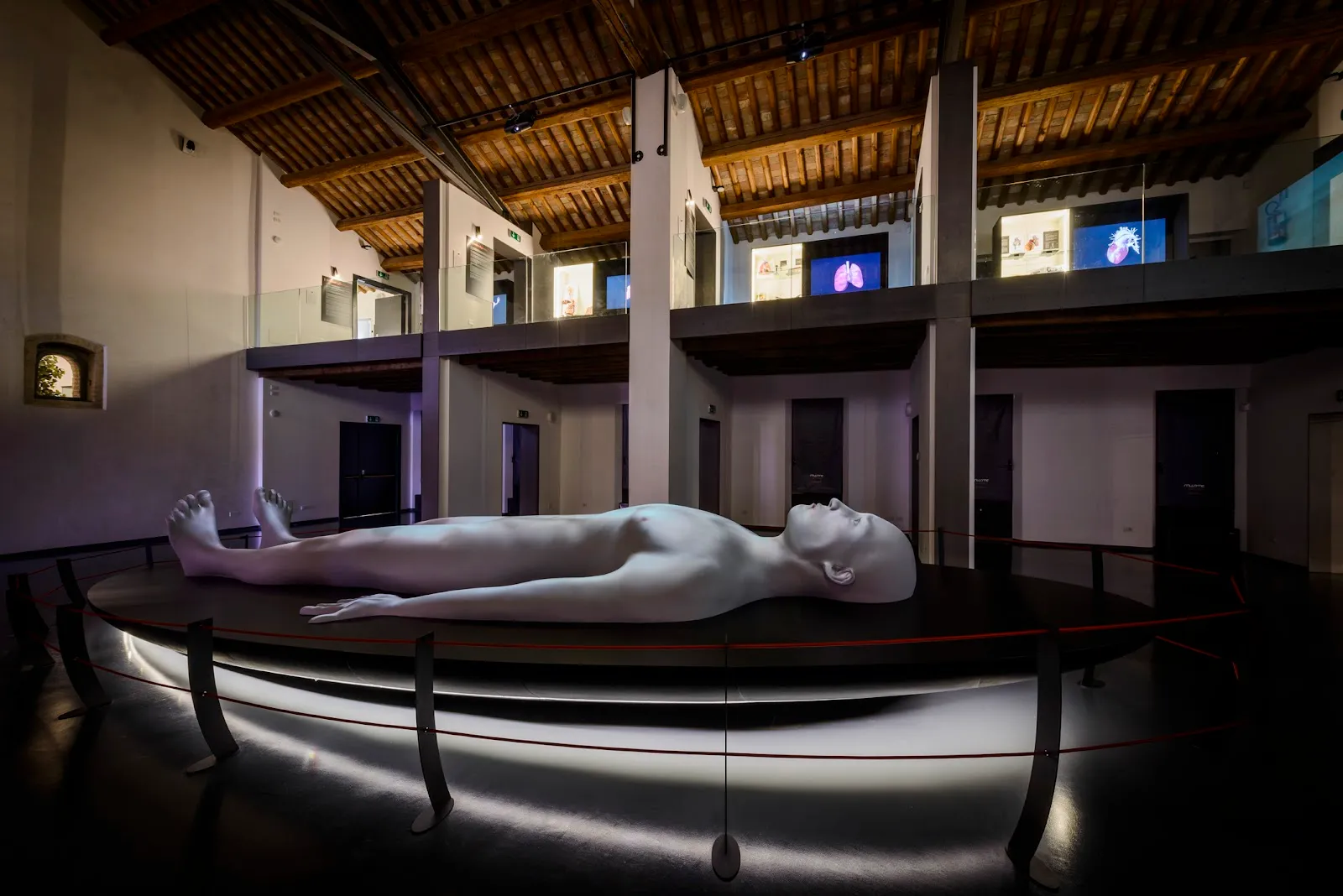
MUSME, Padua’s Museum of the History of Medicine, occupies the former San Francesco Grande Hospital, a 15th-century complex at Via S. Francesco, 94. Its three floors trace medicine from ancient theories to modern science, with particular attention to the Paduan Medical School. You can examine historic medical tools, prosthetic devices and anatomical models, then try quizzes and multimedia exhibits. The mix of objects and interactive displays suits families as well as visitors keen to follow the development of anatomy and medical research.
A museum in the former San Francesco Grande Hospital
MUSME opened in 2015 inside the former San Francesco Grande Hospital. The building’s earlier purpose was to care for people with illnesses, and the museum now uses its rooms to tell the history of medicine. Its focus includes the Paduan Medical School and the changing ways people have studied the human body and treated disease.
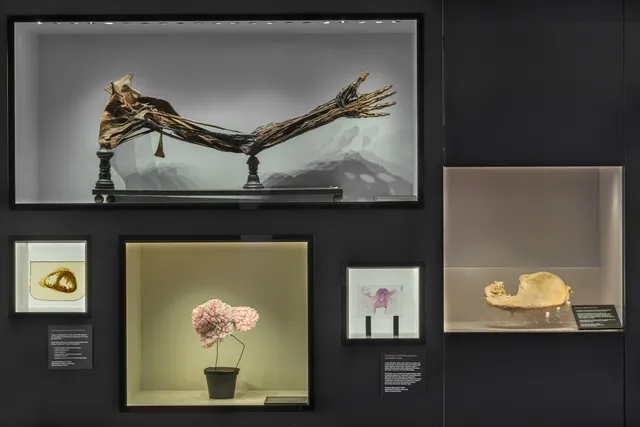
The museum’s account runs from ancient medical theories to modern science. Displays include historical medical instruments, prosthetic devices and models of organs and tissues. Some specimens are real organs preserved through plastination. The collection gives the history a physical dimension, from the tools used in earlier medical practice to representations of anatomy.
Three floors of medical history
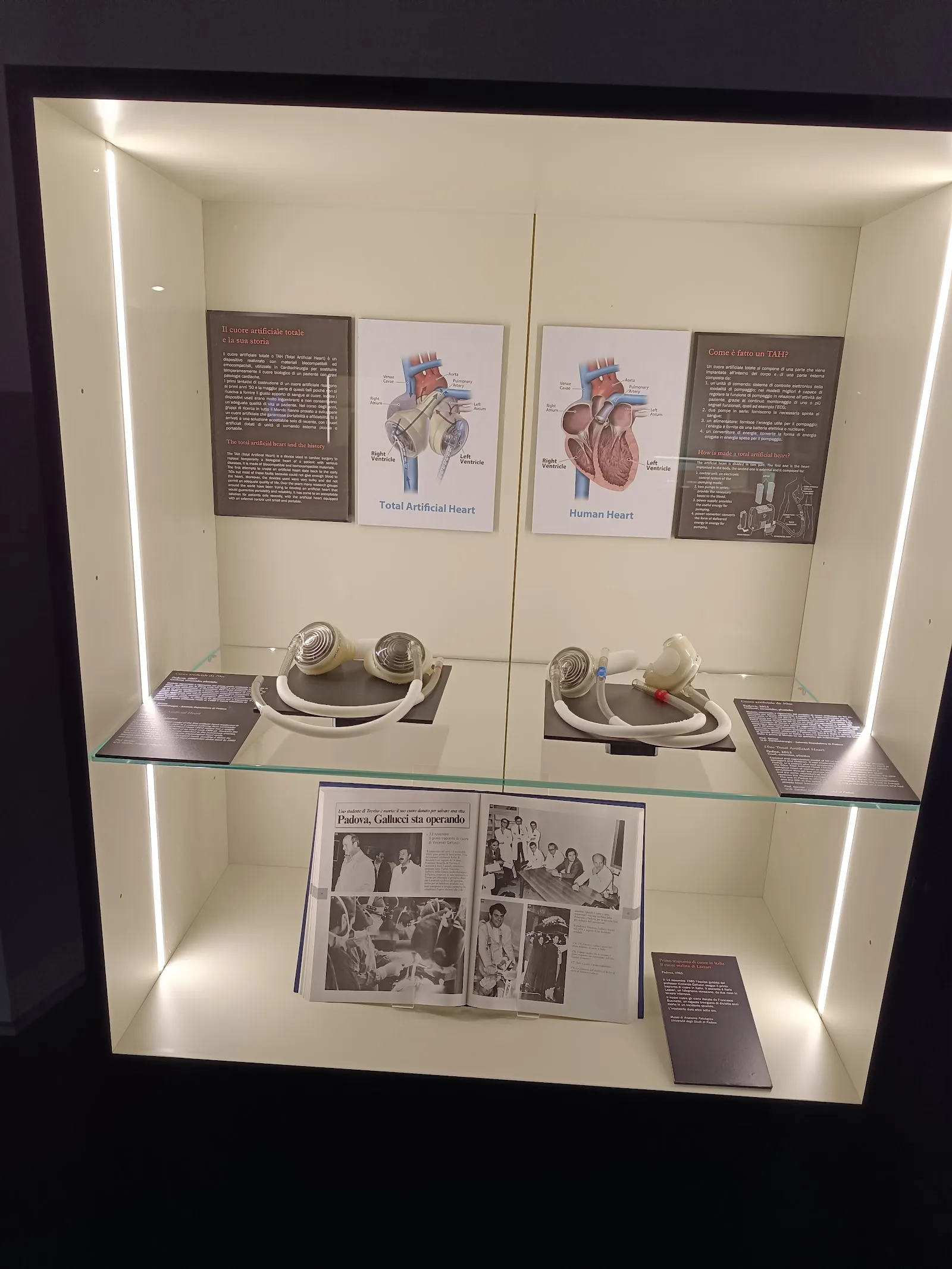
The ground floor introduces the history of medicine, including the shift from ancient explanations such as the theory of the four humours toward modern medical understanding. The upper floors cover anatomy, physiology and pathology, so visitors can move from the broad history into the study of how the body is structured and works.
Quizzes, multimedia games, immersive displays and video introductions add interactive elements to the exhibition. The format is intended to work for different ages and levels of interest, with playful activities alongside material for closer study. The collection also connects Padua’s scientific history to wider developments: one account describes Galileo’s improvements to scientific instruments, including the development of microscopes from telescopes through the use of different lenses.
Preguntas frecuentes
How long should I spend at MUSME?
Allow about 1 to 2 hours to explore the museum’s three floors.
What is on each floor at MUSME?
The ground floor covers the history of medicine. The upper floors focus on anatomy, physiology and pathology.
Are the exhibits available in English?
Some displays have English text, but translations are missing or shorter in certain areas. A translation app or guidebook can help.
Is MUSME suitable for children?
Yes. The museum has interactive exhibits, quizzes and multimedia games that can engage children as well as adults.