On Piazza del Duomo, the Opera del Duomo Museum brings together original artworks and architectural pieces made for Florence’s cathedral complex. The collection includes Ghiberti’s Baptistery doors, Michelangelo’s Florentine Pietà and sculptures by Donatello. A full-scale reconstruction of the cathedral’s former façade lets you study its figures at eye level, while displays explain how the Duomo took shape. Give the museum time: its galleries cover three floors, and a numbered route can help you find the key works without missing rooms.
Art made for Florence’s cathedral
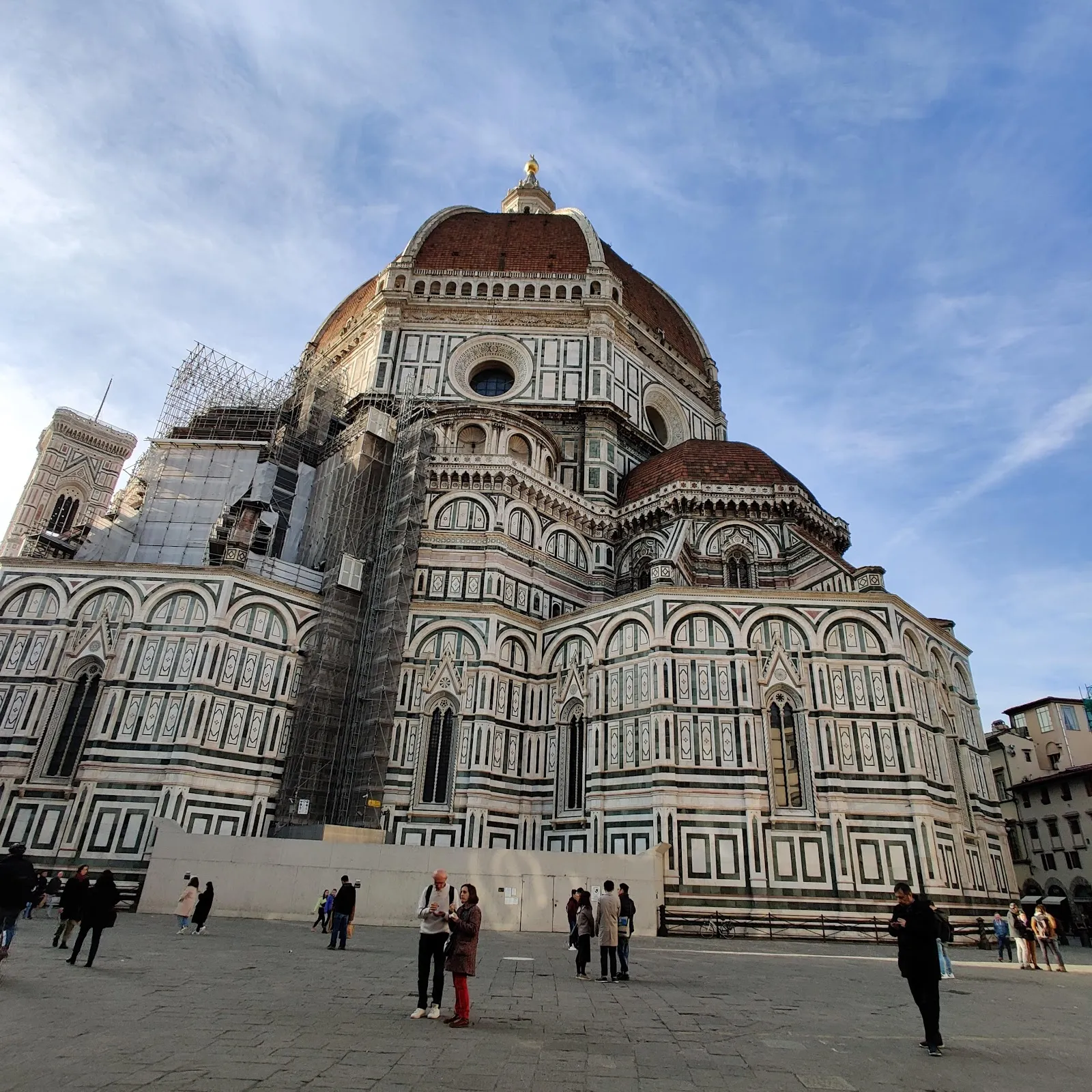
The Opera del Duomo Museum preserves works created for the cathedral, the Baptistery and the bell tower. Many of the pieces were removed from the buildings over time and brought here for safekeeping. Together, they show the art and architecture behind the Duomo complex, with original sculptures and decorative elements displayed at close range.
The museum opened in 1891 as a place to explain the people, places and work behind the complex. Its collection includes pieces associated with Michelangelo, Donatello, Brunelleschi and Ghiberti. The layout gives the monumental works room to be seen on their own terms, while helping visitors connect the objects to the buildings outside.
The Baptistery doors and cathedral façade
Ghiberti’s Gates of Paradise are among the museum’s central works. Made for the Baptistery’s eastern entrance between 1425 and 1452, the gilded bronze doors are displayed where their reliefs can be examined up close. The museum also holds Ghiberti’s original doors for the Baptistery’s northern entrance.
Another major display recreates the cathedral’s original façade at full scale. Statues and carved details that would be high above you on the building can be seen at eye level here. This reconstruction also gives context to the original elements from the cathedral complex displayed in the surrounding galleries.
Michelangelo, Donatello and the sculptures
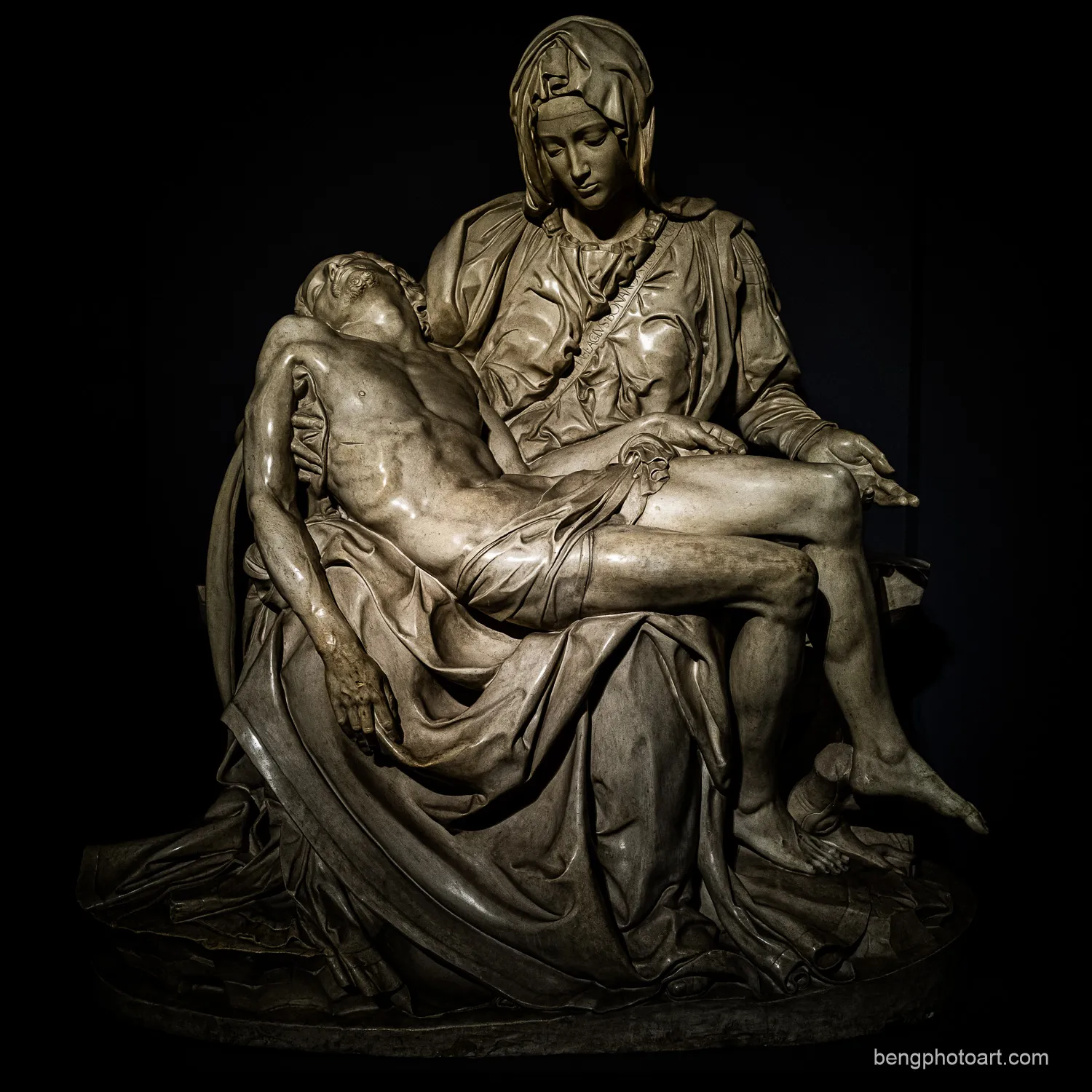
Michelangelo’s Florentine Pietà is one of the museum’s best-known works. He made the sculpture when he was nearly 80 and intended it for his own tomb. Donatello’s Penitent Magdalene offers a different encounter with sculpture, while the collection also includes works by other artists connected with the Duomo.
Seeing large sculptures at ground level makes it easier to study their scale and details than it is on the buildings for which they were made. Some exhibits can be touched, adding a hands-on element to the visit. The galleries also include religious artworks and architectural fragments, so the collection extends beyond its most famous pieces.
How the Duomo was built
Displays, models and short films help explain the long process of planning and constructing the cathedral. Models of Brunelleschi’s dome show aspects of its design, and the museum presents original building materials associated with the work, including scaffolding, tools and a wooden model attributed to Brunelleschi.
The museum is arranged across three floors and 28 rooms. Take your time, and use the numbered route to keep track of the galleries. Some visitors find the way upstairs and around the building hard to follow at first, so checking the route as you go can help you see the exhibits you came for.
Preguntas frecuentes
How long should I spend at the Opera del Duomo Museum?
Allow at least two hours to see the main works and follow the galleries. The museum has three floors and 28 rooms, so a slower visit can take longer.
What are the museum’s main highlights?
Look for Ghiberti’s original Baptistery doors, Michelangelo’s Florentine Pietà, Donatello’s Penitent Magdalene and the full-scale reconstruction of the cathedral’s former façade.
Is the Opera del Duomo Museum included in a combined ticket?
The museum is included in some combined tickets for sites in the Duomo complex. Check the ticket’s current inclusions before buying.
When is a good time to visit?
Early morning or later in the afternoon can help you avoid busier periods.