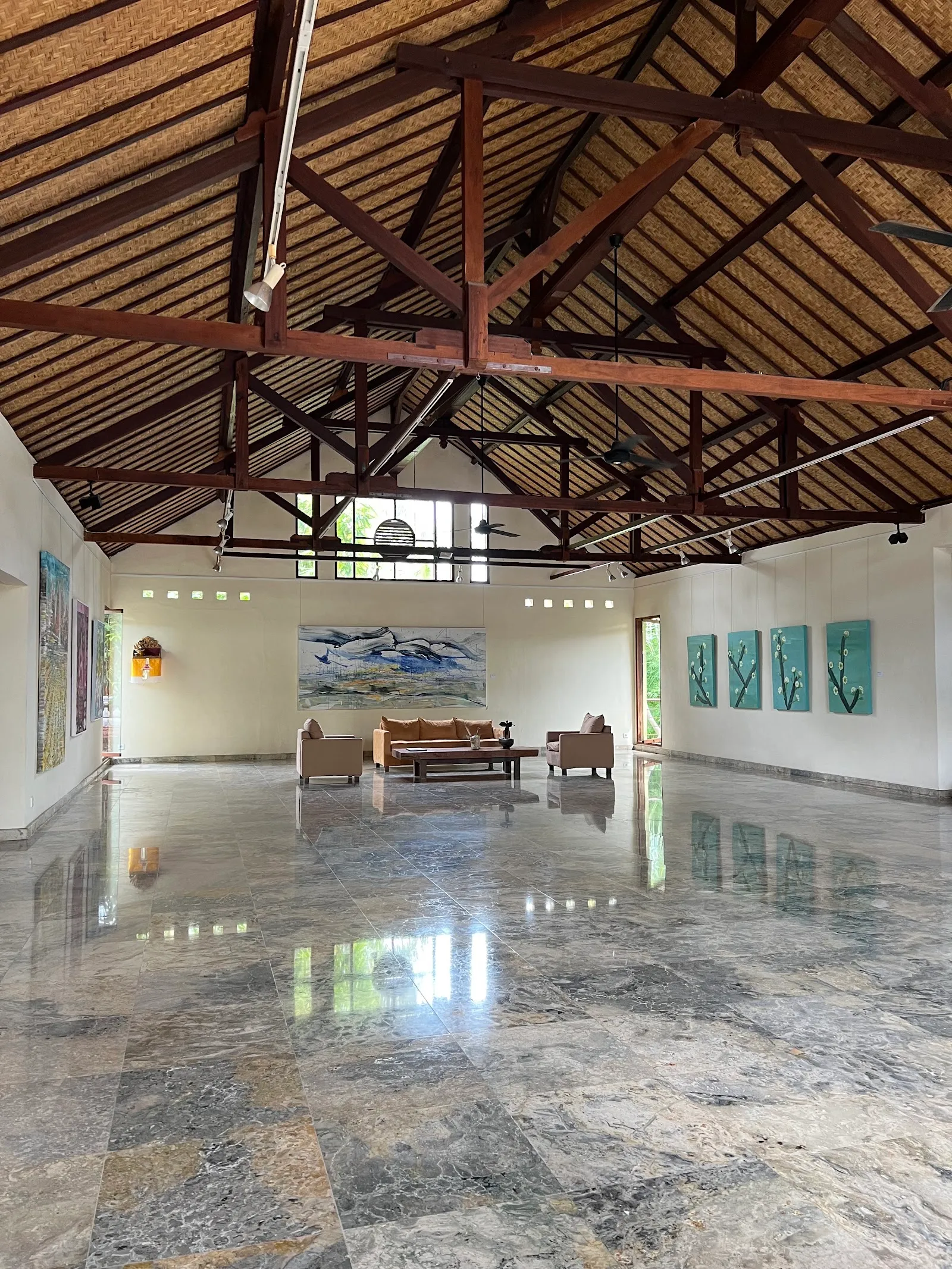
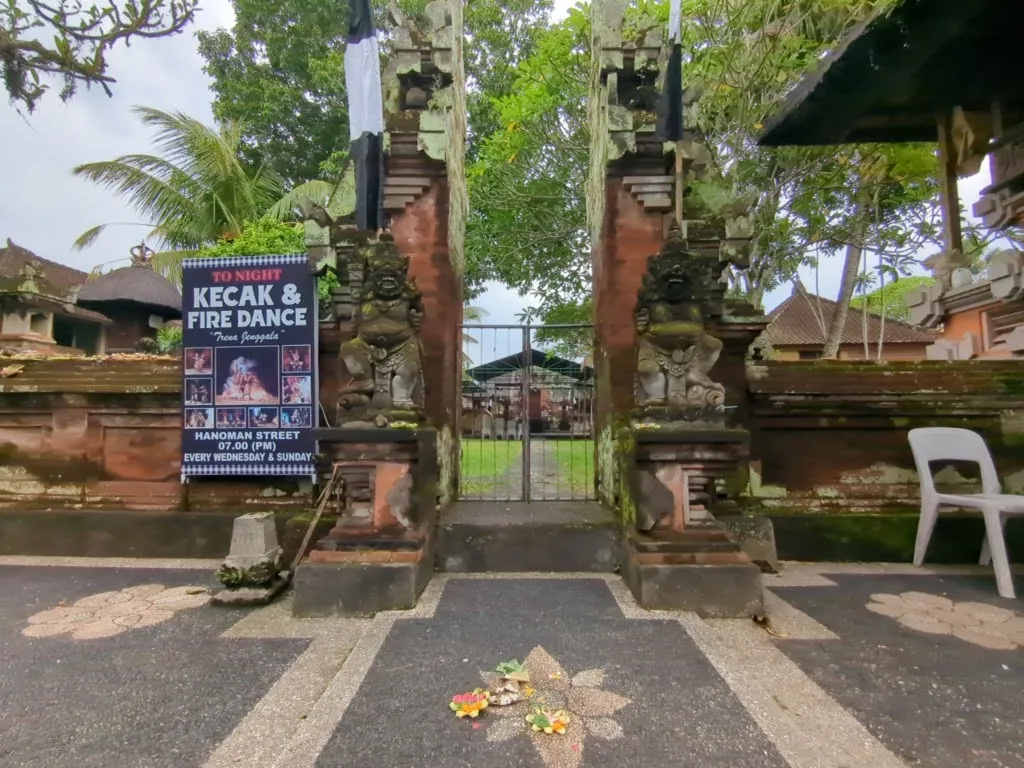
Pura Tirta Empul is an active Hindu water temple in Tampaksiring, north of Ubud, built around a natural spring. Balinese Hindus come here to pray and take part in melukat, a purification ritual in the spring-fed pools; visitors can join or observe. Walk through the courtyards and gardens to see carved shrines, gates and statues, then pause by the pools and fish ponds. The temple remains a place of worship as well as a popular stop, so move through the grounds with care and respect.
A living water temple
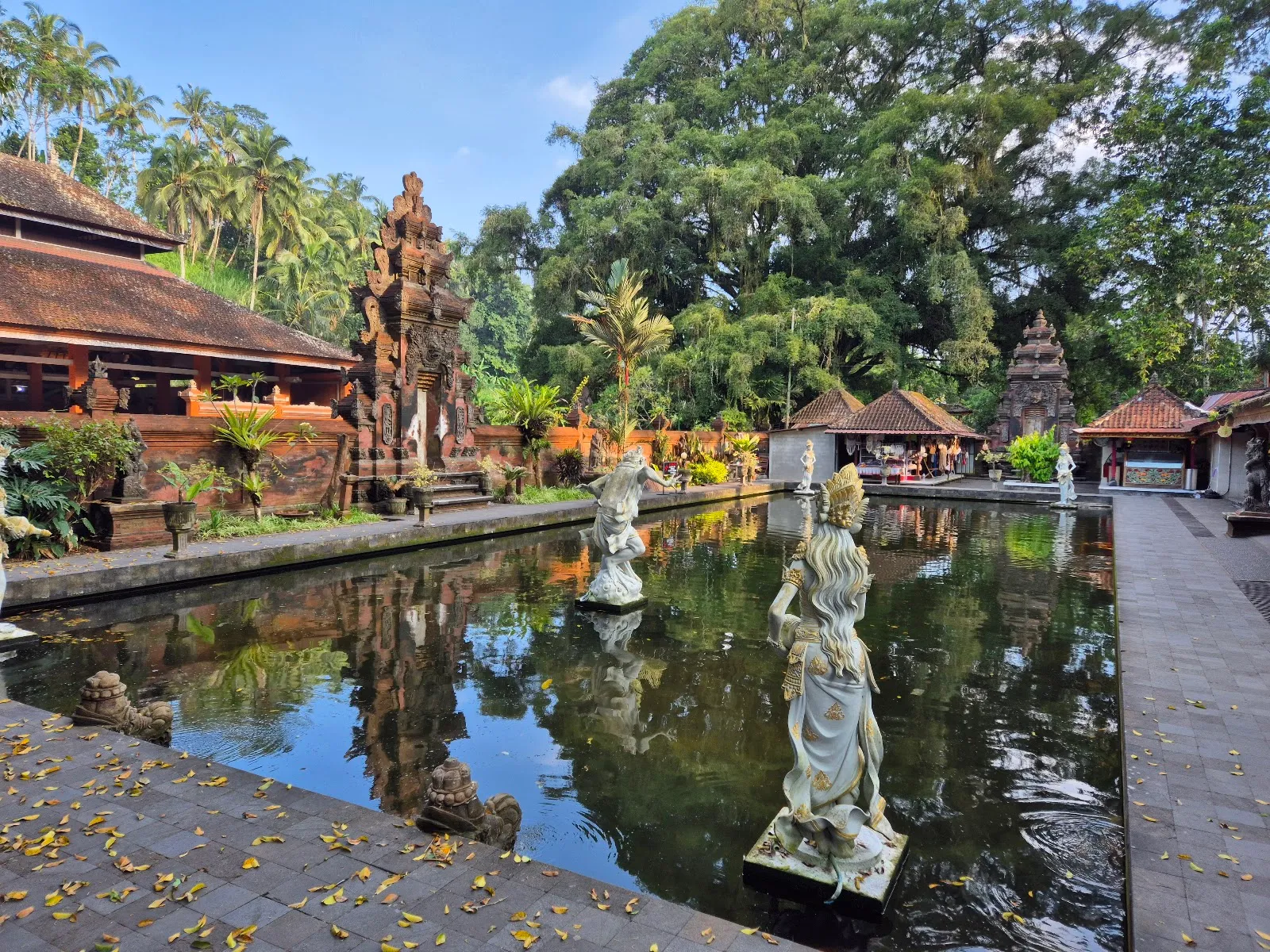
Pura Tirta Empul is a Hindu temple in Manukaya, Tampaksiring, north of Ubud. Its name means “holy water spring,” and a natural spring feeds the temple’s pools. The site dates to the 10th century and is dedicated primarily to Vishnu; Indra is also venerated in connection with the spring.
The complex is still used for prayer and purification by Balinese Hindus. Visitors come to see the architecture and grounds, and some take part in melukat, the ritual bathing ceremony. The temple is therefore both a cultural destination and a place of worship. Give worshippers room, and keep a respectful manner as you move around the site.
The spring and melukat
The spring supplies pools and bathing areas within the complex. During melukat, participants enter the water and pray beneath a succession of spouts as part of a ritual of purification. Balinese Hindus consider the spring water sacred. Visitors can watch the ceremony or participate, but the ritual has customs that may be difficult to follow without explanation.
A local guide can help you understand what is happening and how to approach the ceremony respectfully. If you choose to bathe, allow time for the ritual rather than treating the pools as a quick photo stop. The practice is part of local religious life, and the temple remains an active place of worship even when the grounds are busy.
Courtyards, shrines and gardens
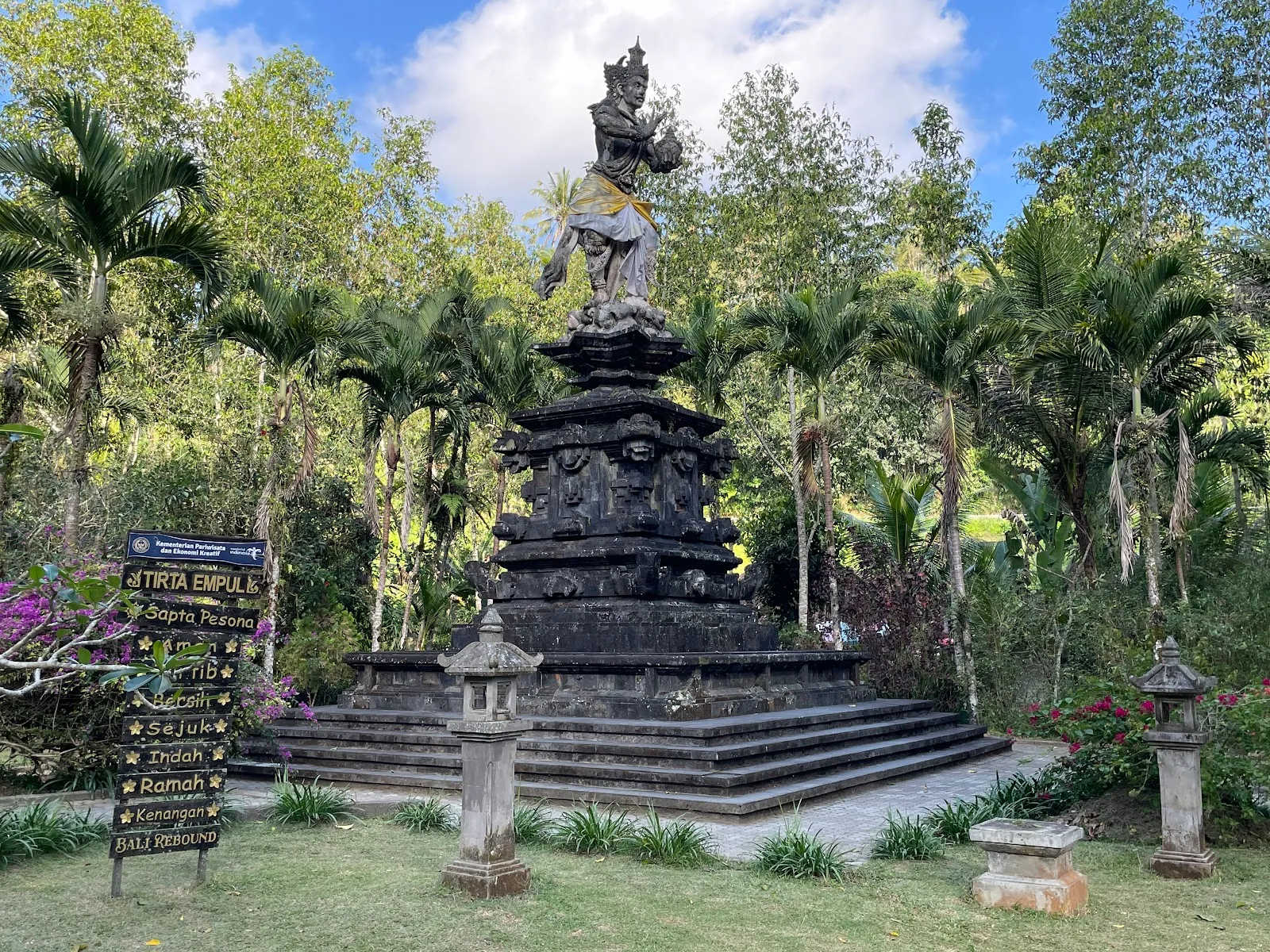
The temple complex has a sequence of courtyards, with carved gates, shrines and statues throughout. The bathing pools are a central sight, but there is more to explore as you walk around. Look for the detailed stonework on the shrines and gates, and take time in the gardens and quieter parts of the grounds.
Even if you do not enter the water, you can observe the spring-fed pools and see how worshippers use them. The site also has fish ponds. Moving slowly through the courtyards gives you a chance to take in the different structures without interrupting prayers or ceremonies.
Planning a respectful visit
Modest clothing is appropriate for a temple visit. Long trousers or a skirt are practical, and a sarong is provided at the entrance; bringing your own is another option. If you plan to take part in melukat, ask a guide about the ritual and its customs before entering the water.
The temple can draw substantial visitor numbers, especially around the purification pools. An early arrival gives you a quieter chance to walk the grounds. Set aside time for the courtyards as well as the pools, and expect to pass souvenir stalls on the route out. Bring cash for possible extra costs such as locker rental or offering trays.
Preguntas frecuentes
Can visitors take part in melukat at Pura Tirta Empul?
Visitors can join the purification ritual in the spring-fed pools or watch it. A local guide can explain the ceremony and help you approach it respectfully.
What should I wear to Pura Tirta Empul?
Wear long trousers or a skirt. A sarong is provided at the entrance, though you can bring your own.
How long should I allow for a visit?
Allow about 30 to 60 minutes to explore the temple. Taking part in the purification ritual may require more time.
When is a good time to visit?
Arrive early in the morning to explore before the grounds become busier.