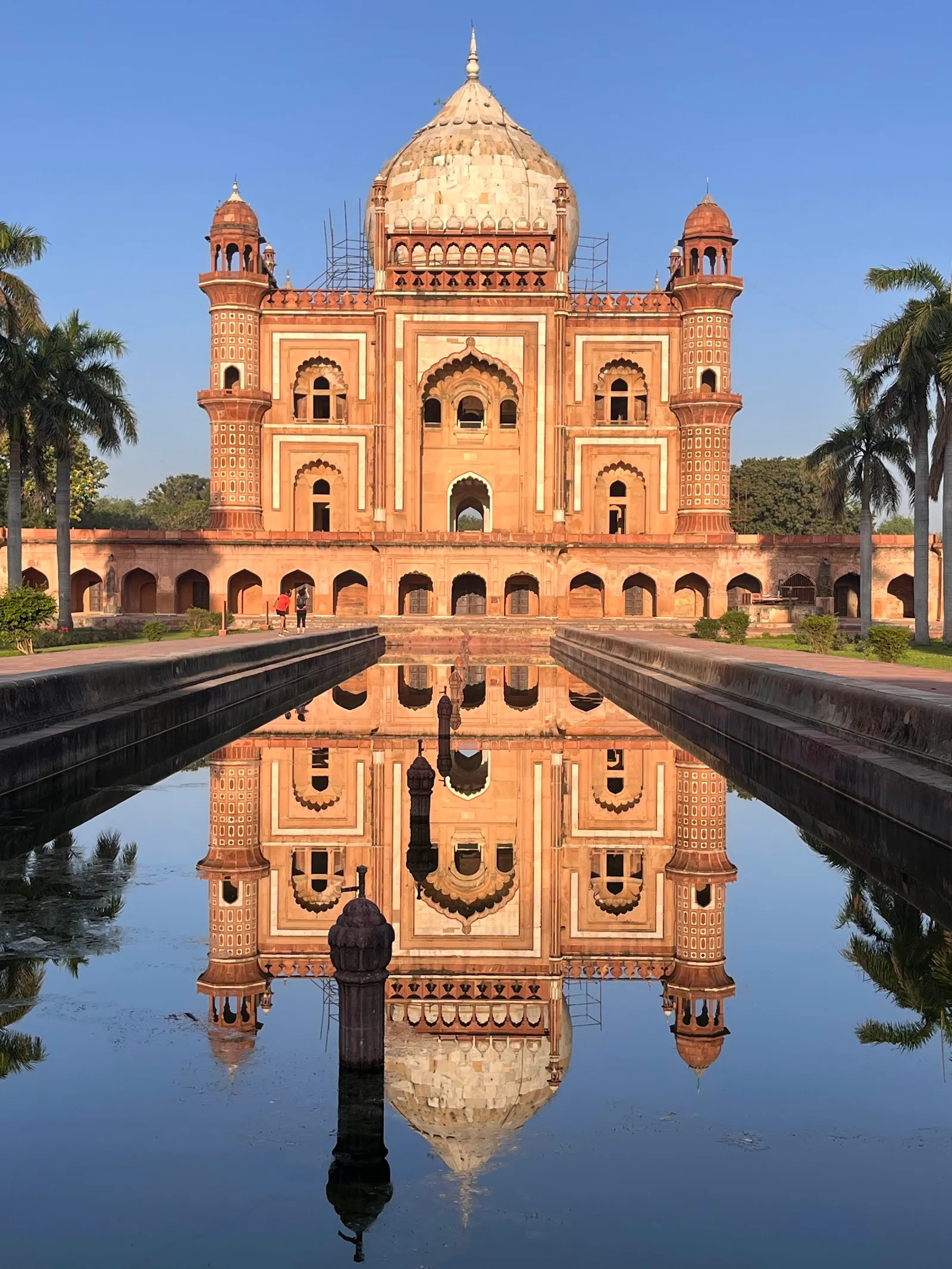
Safdarjung Tomb is an 18th-century mausoleum in south Delhi, built in 1754 for Safdarjung, a Mughal statesman. Its sandstone and marble structure stands at the centre of a formal garden, with symmetrical paths, arches and detailed stonework to explore. The enclosed complex is quieter than larger Mughal sites, making it a calm stop for a walk or photography. Go near sunset for softer light on the tomb; Jor Bagh metro station is about a 10-minute walk away.
A garden tomb built in 1754
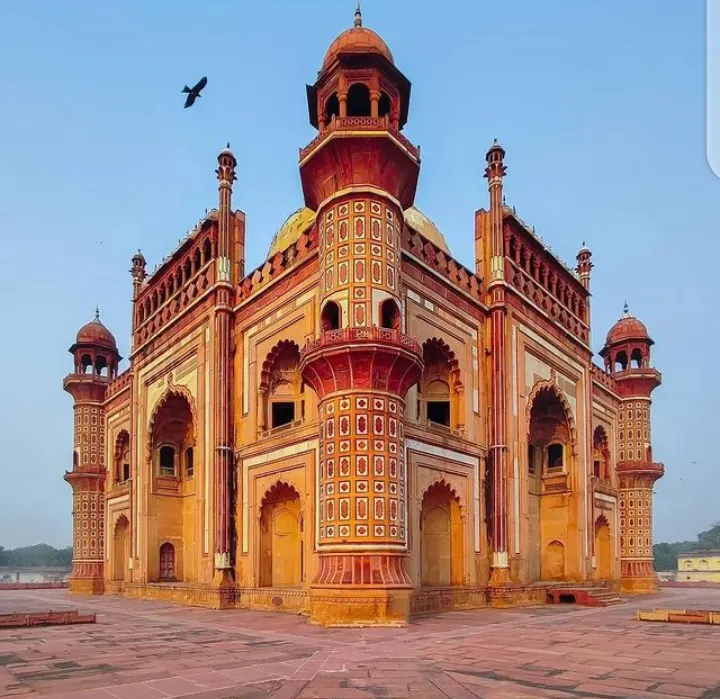
Safdarjung Tomb was completed in 1754 as the burial place of Mirza Muqim Abul Mansur Khan, known as Safdarjung. He was a prominent statesman in the Mughal court and Nawab of Awadh. His son, Shuja-ud-Daula, arranged for the mausoleum to be built after his death.
The complex is described as the last monumental garden tomb built by the Mughals. Its plan follows the enclosed garden-tomb tradition associated with Humayun’s Tomb, though the two monuments differ in scale. The mausoleum is made from sandstone and marble, and its arches and carved details reward a closer look.
The mausoleum and its layout
The tomb sits at the centre of a formal garden divided by paths and water features. Its symmetrical arrangement gives the grounds a clear axis toward the central building. The structure has a nine-part floor plan, a five-part façade and a large raised platform; a concealed stairway is also part of the design.
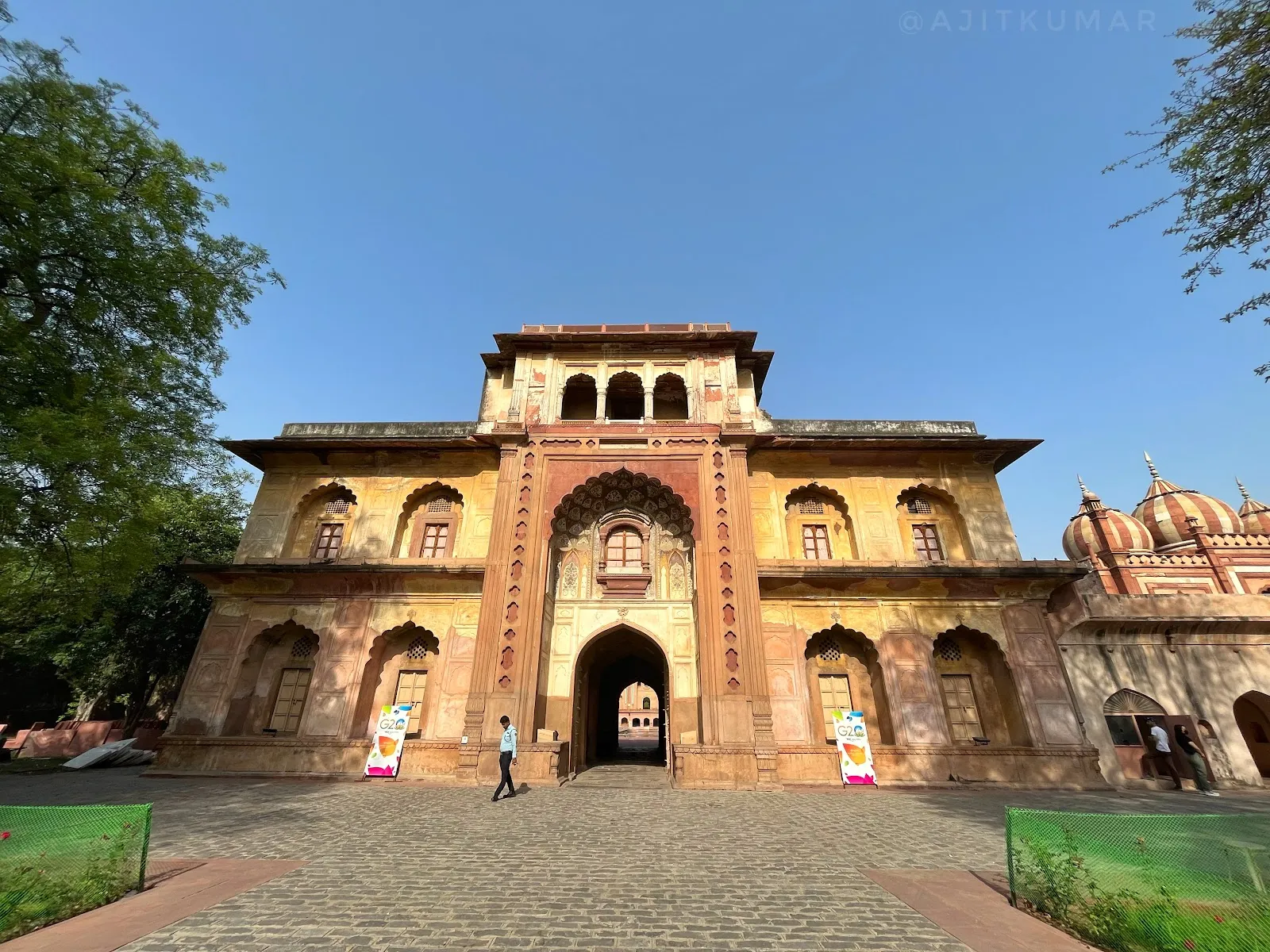
Smaller pavilions within the complex include Moti Mahal, Jangli Mahal and Badshah Pasand. The central tomb remains the main focus, framed by the garden and the complex’s boundary walls. Allow time to look at the building from several points along the paths, where the arrangement and architectural details come into view.
A quieter stop in south Delhi
Safdarjung Tomb is near the junction of Safdarjung Road and Aurobindo Marg. Jor Bagh metro station is around a 10-minute walk away. The grounds are often relatively quiet, which suits a leisurely circuit and photography without the crowds found at some larger Mughal monuments.
For photographs, late afternoon light gives way to softer conditions near sunset. The tomb is also illuminated in the evening. Some accounts mention maintenance work or scattered construction materials, so the condition of parts of the grounds may affect the visit. Check ticket details before setting out, as the available fee information is inconsistent.
Preguntas frecuentes
When was Safdarjung Tomb built?
Construction was completed in 1754. Safdarjung’s son, Shuja-ud-Daula, arranged the mausoleum as his father’s tomb.
How do you get to Safdarjung Tomb by metro?
Jor Bagh metro station is about a 10-minute walk from the tomb.
What is the best time to visit Safdarjung Tomb?
Visit near sunset for softer light and cooler conditions. The tomb is illuminated in the evening.
What can you see at Safdarjung Tomb?
The complex has a central sandstone and marble mausoleum, formal garden paths, water features and smaller pavilions, including Moti Mahal, Jangli Mahal and Badshah Pasand.