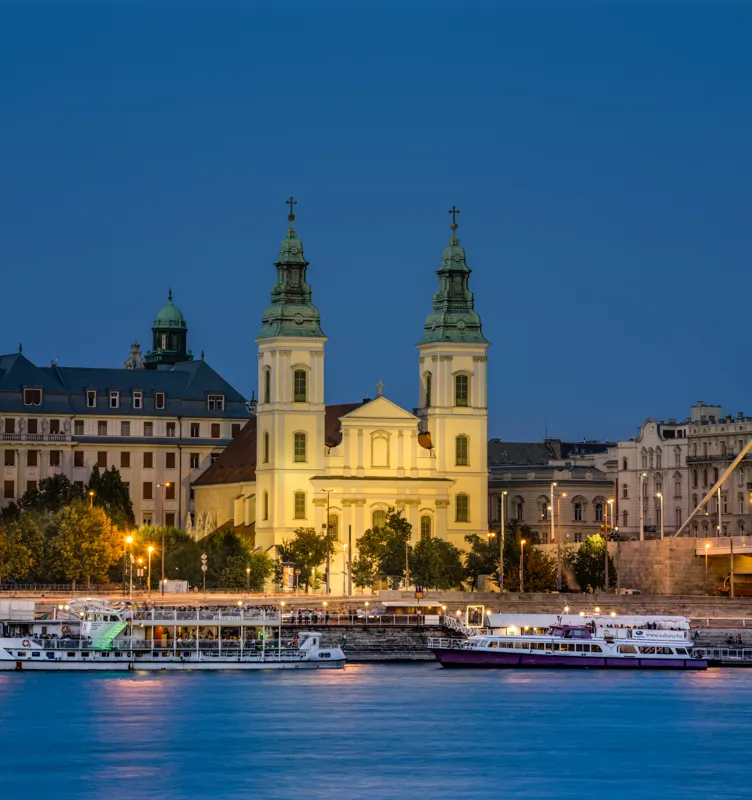
On Március 15. tér beside the Danube and Elizabeth Bridge, the Budapest Inner-City Mother Church of Our Lady of the Assumption brings together nearly a millennium of church history and Roman remains beneath its floor. Look for the Gothic details, Renaissance tabernacles and a 16th-century mihrab, added when the building was used as a mosque under Ottoman rule. The crypt includes archaeological remains, and the tower can be reached by stairs or elevator for views over the river and city. English leaflets help explain what you are seeing.
Roman foundations and a medieval church
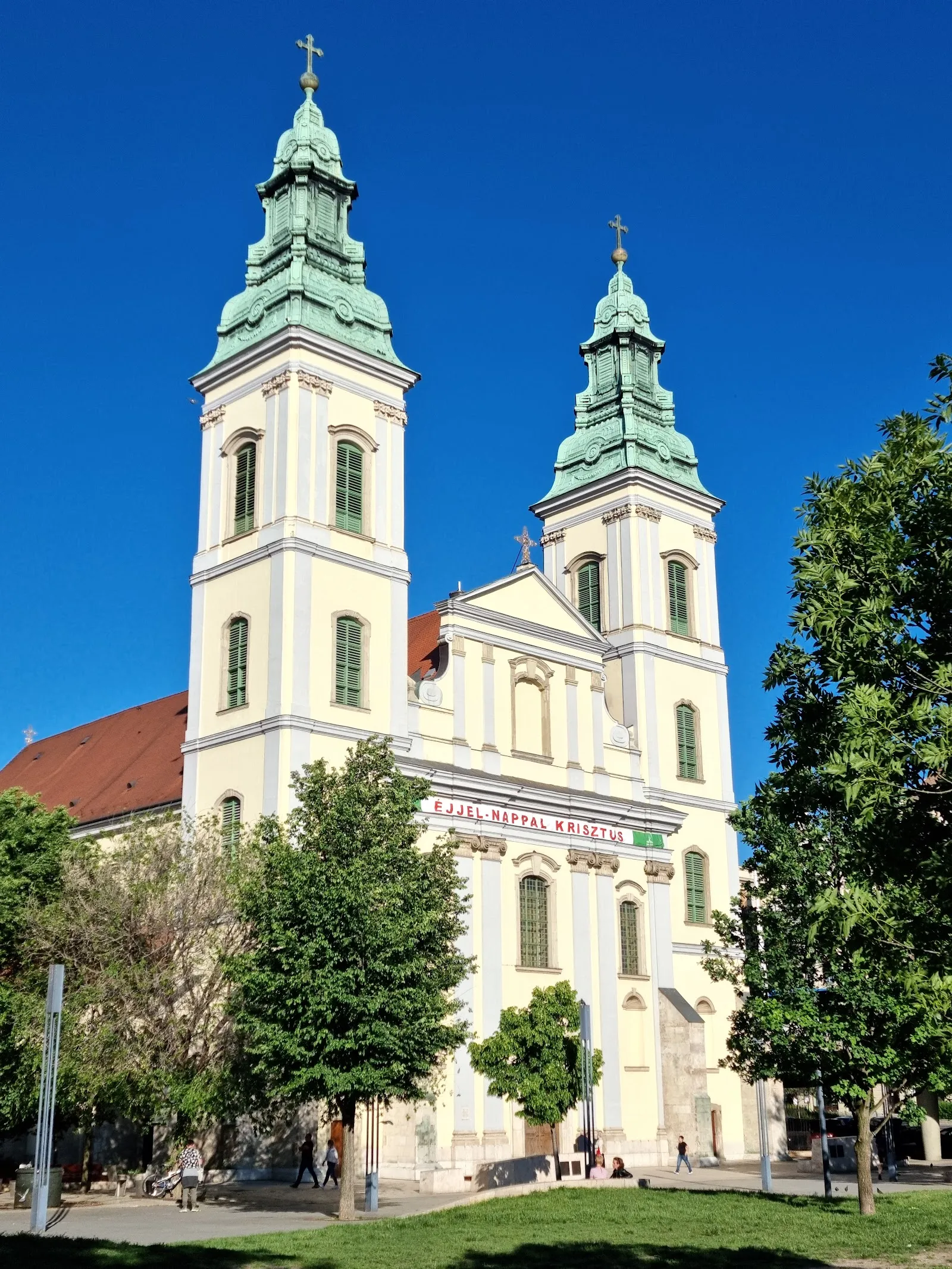
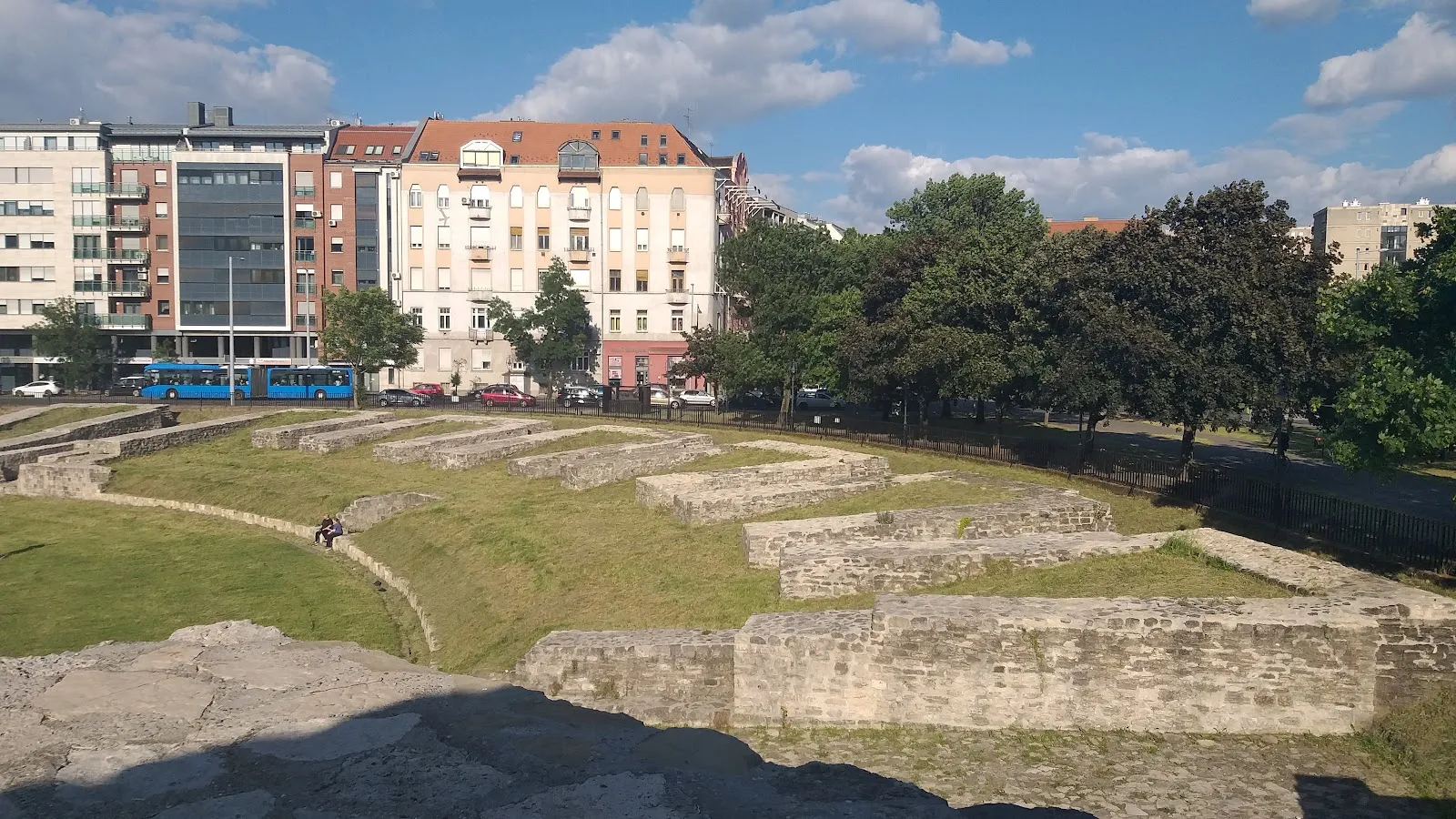
The church stands on the site of the Roman Contra-Aquincum fortification. Its earliest church was built in the 11th century, and traces of the Romanesque, two-towered basilica can still be seen in the south wall of the nave. Roman stonework beneath the building connects the church to the earlier settlement on this part of Pest.
The site has been rebuilt and altered repeatedly over the centuries. Its Gothic elements include the external buttresses, tracery in the arched windows and the high-altar area. Renaissance remains include two tabernacles, while Baroque restoration also shaped the church’s present appearance.
An Ottoman-era mihrab
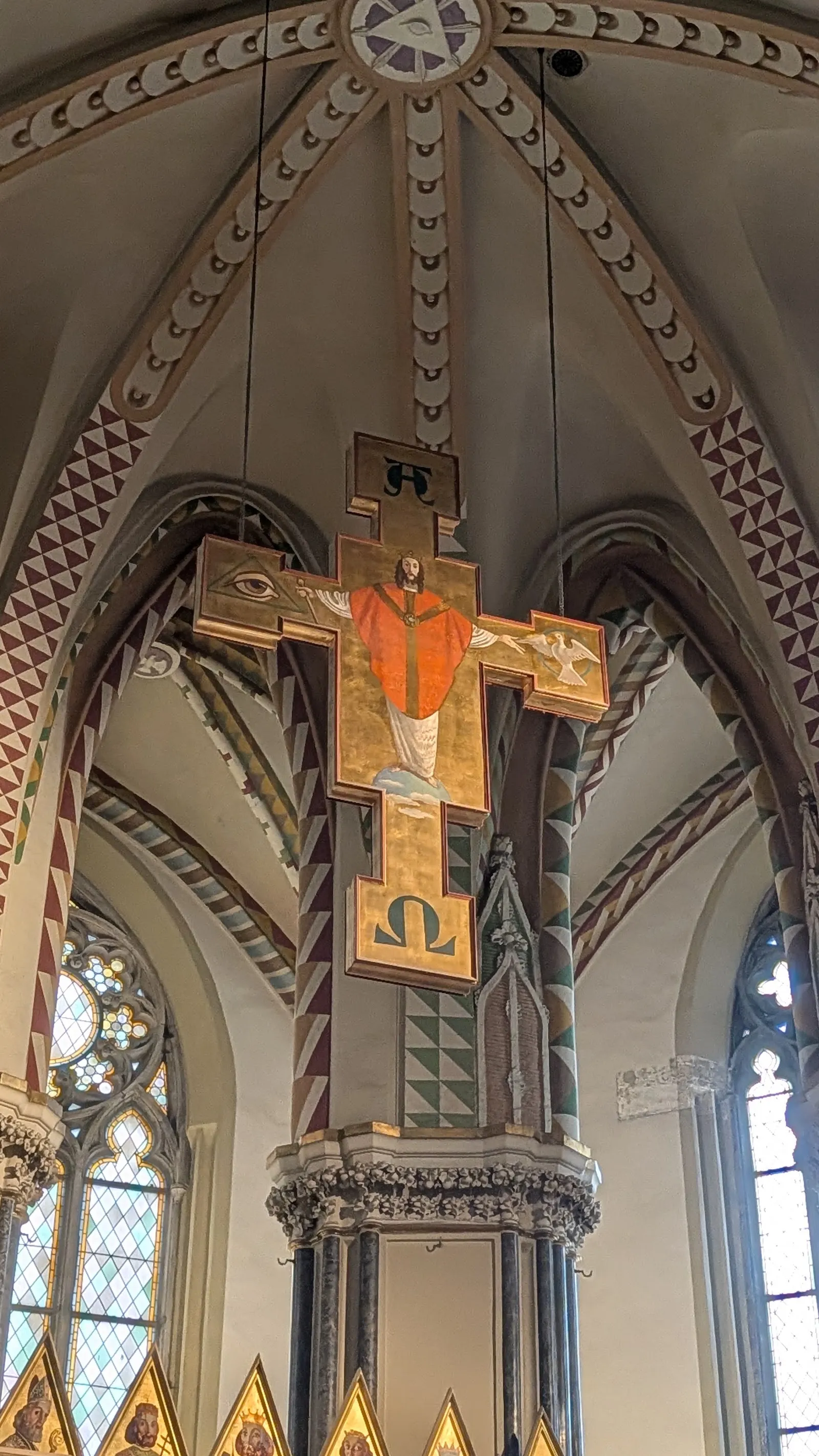
During Ottoman rule, the church was used as a mosque. A 16th-century mihrab, the niche that indicates the direction of Mecca, remains as evidence of that period. Its presence sits alongside the building’s Christian furnishings and architectural details, tracing the changes in the church’s use over time.
The crypt and archaeological remains
The crypt has been open to the public since 2017. Glass panels in the floor let you see remains below, and the underground area includes an exhibition of archaeological excavations. It also contains a chapel used as a community and prayer space, as well as the Proberger crypt, built in 1699. The crypt is associated with 19th-century aristocrats and Bishop Gellért.
The tower and Március 15. tér
You can reach the tower by stairs or elevator. The lookout gives views toward the Danube and the city, though the extent of the view depends on access to the viewing areas. Check whether the elevator is operating before relying on it; stairs are the alternative.
Outside, Március 15. tér sits between the church, the Danube and Elizabeth Bridge. The square was once known as Fish Square, reflecting its history as a market where fish was the main trade. Its current name commemorates the Hungarian Revolution of 1848.
Preguntas frecuentes
What can you see beneath the church?
The crypt contains Roman remains and an exhibition of archaeological excavations. You can also see a chapel used for community and prayer, and the Proberger crypt.
Can you go up the church tower?
Yes. The tower is accessible by stairs or elevator. Elevator availability can vary, and the stairs are an alternative.
What is the mihrab inside the church?
It is a 16th-century niche indicating the direction of Mecca. It dates from the period when the church was used as a mosque under Ottoman rule.
When is a good time to visit?
Early in the day is a good choice for a quieter visit. The illuminated church is also a stop on evening walks.