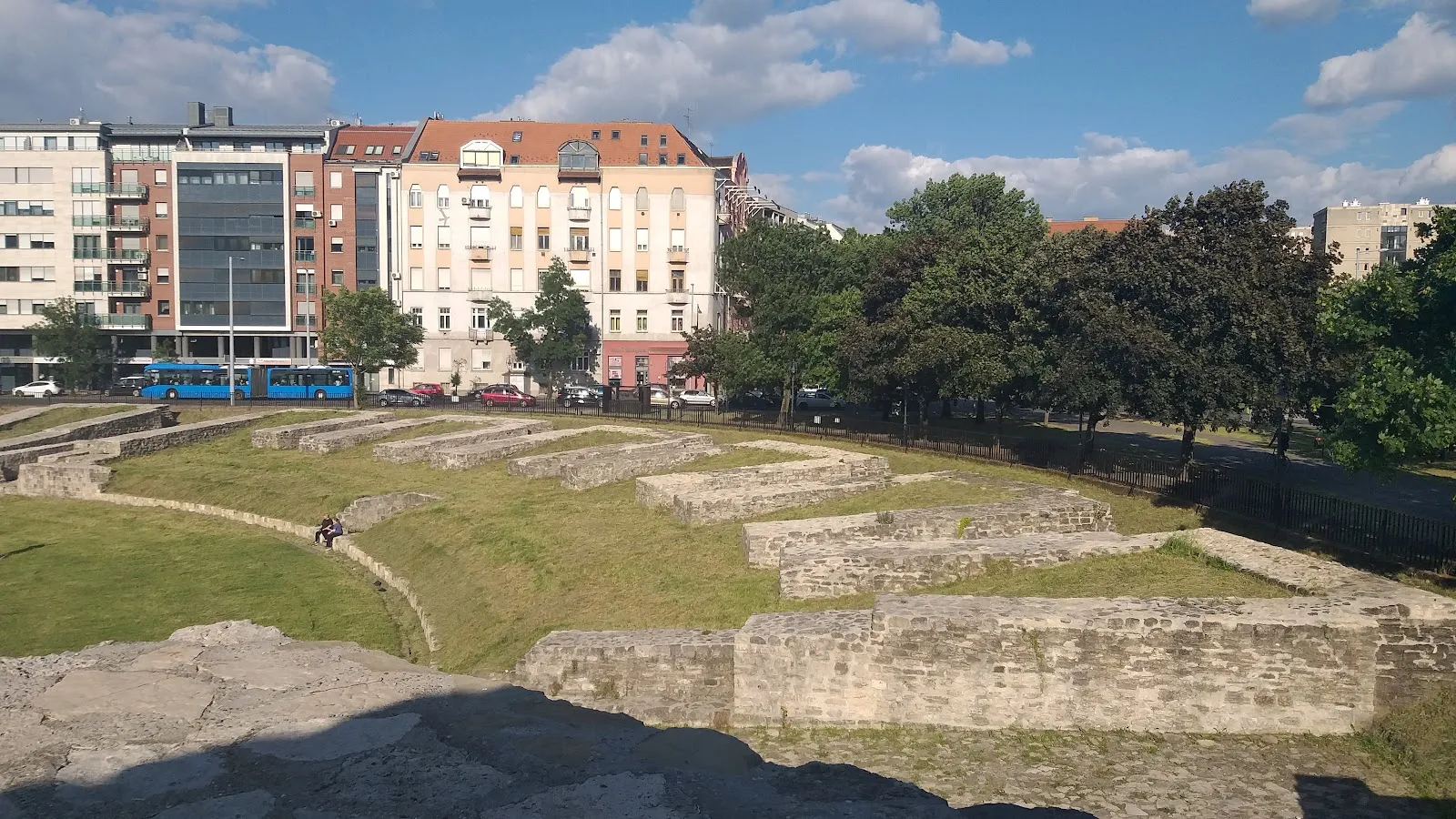
Aquincum Museum in Óbuda brings Budapest’s Roman past into focus through indoor displays and an archaeological park built around the remains of the ancient town. Start inside for context, then follow the site’s streets past homes, baths and other buildings. Look for the colourful mosaic showing Hercules and Deianira, along with Roman objects that illuminate everyday life. English-language explanations help you make sense of the exhibits, and maps can help connect the ruins with the rooms they once served.
A Roman town in Óbuda
Aquincum occupied the area of present-day Óbuda and became the seat of the Roman province of Pannonia Inferior in the early second century. Its remains offer a view of a town that stood here long before Budapest took shape. The archaeological park preserves parts of the settlement, while the museum displays objects excavated from the site and places them in context.
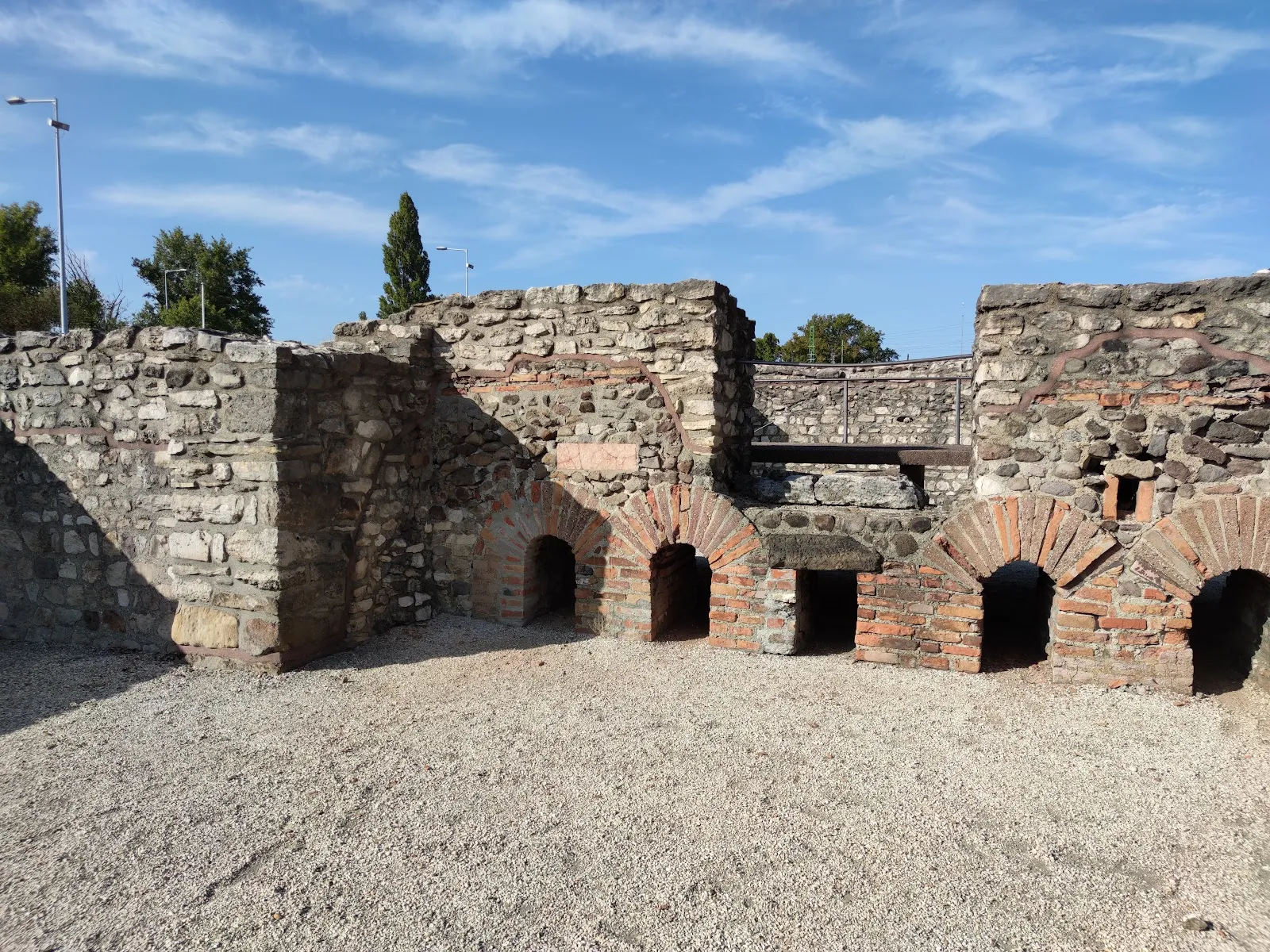
The open-air area covers part of the former civilian town. As you walk, the surviving foundations and building remains help reveal the settlement’s layout. Houses, baths, courtyards and public spaces are among the traces of urban life. Some structures also point to the engineering that supported daily routines, including underfloor heating systems.
Start with the museum displays
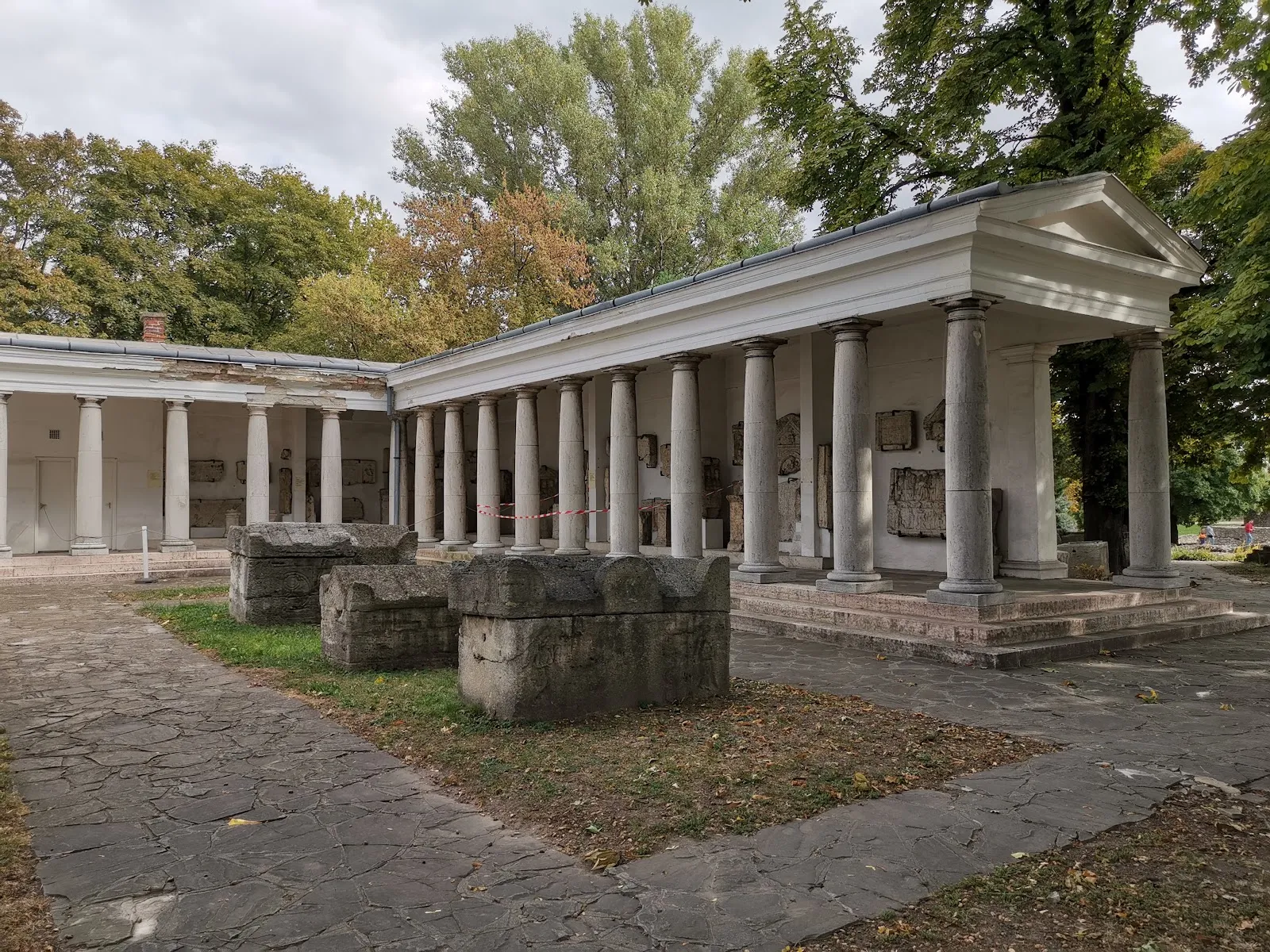
The indoor exhibitions provide a useful introduction before you head outside. Displays bring together objects associated with Roman life, including jewellery, statues, coins, paintings and everyday items. English-language explanations give context to the site and to the region’s history under Roman rule. Interactive elements are also part of the museum experience.
Look out for the mosaic showing Hercules and Deianira. Its many small, coloured tiles preserve a mythological scene in remarkable detail. Other displays cover subjects such as Roman food and musical instruments, including the water organ. A separate exhibition includes facial reconstructions based on human remains found at the site. The collection also has material from before the Roman period.
Following the ruins
After the indoor exhibits, take the maps around the archaeological park and use them to connect the buildings with their former purposes. The remains include residential structures and baths, as well as traces of civic and religious buildings. A reconstructed Roman painter’s dwelling and a Mithras sanctuary add further detail to the picture of life in the town.
The site is spread across open ground, with trees and benches along the way. Smaller displays are located beyond the main museum building, so allow time to find them as you explore. Special events and historical reenactments are also held at Aquincum; check the museum’s current programme if that would shape your visit.
Preguntas frecuentes
How long do you need at Aquincum Museum?
Set aside about two to three hours to see the indoor displays and walk through the archaeological park.
What should I see at Aquincum Museum?
Look for the Hercules and Deianira mosaic, exhibits on Roman daily life and the remains of houses and baths in the archaeological park.
Is Aquincum Museum in central Budapest?
No. The museum is in Óbuda, at Szentendrei út 135, outside the city centre.
Is there an admission fee?
Admission is paid. The available information does not specify the current ticket price.