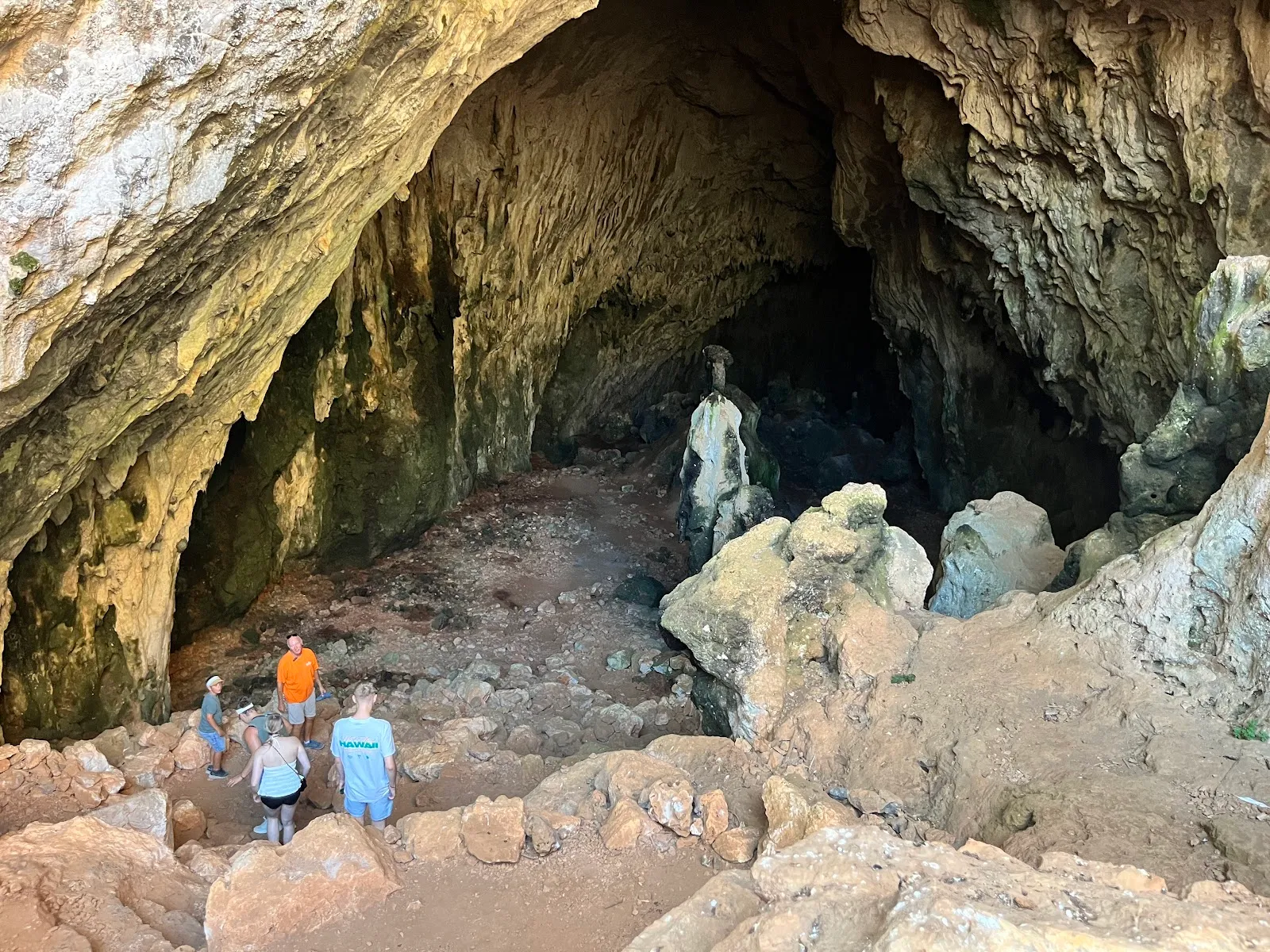
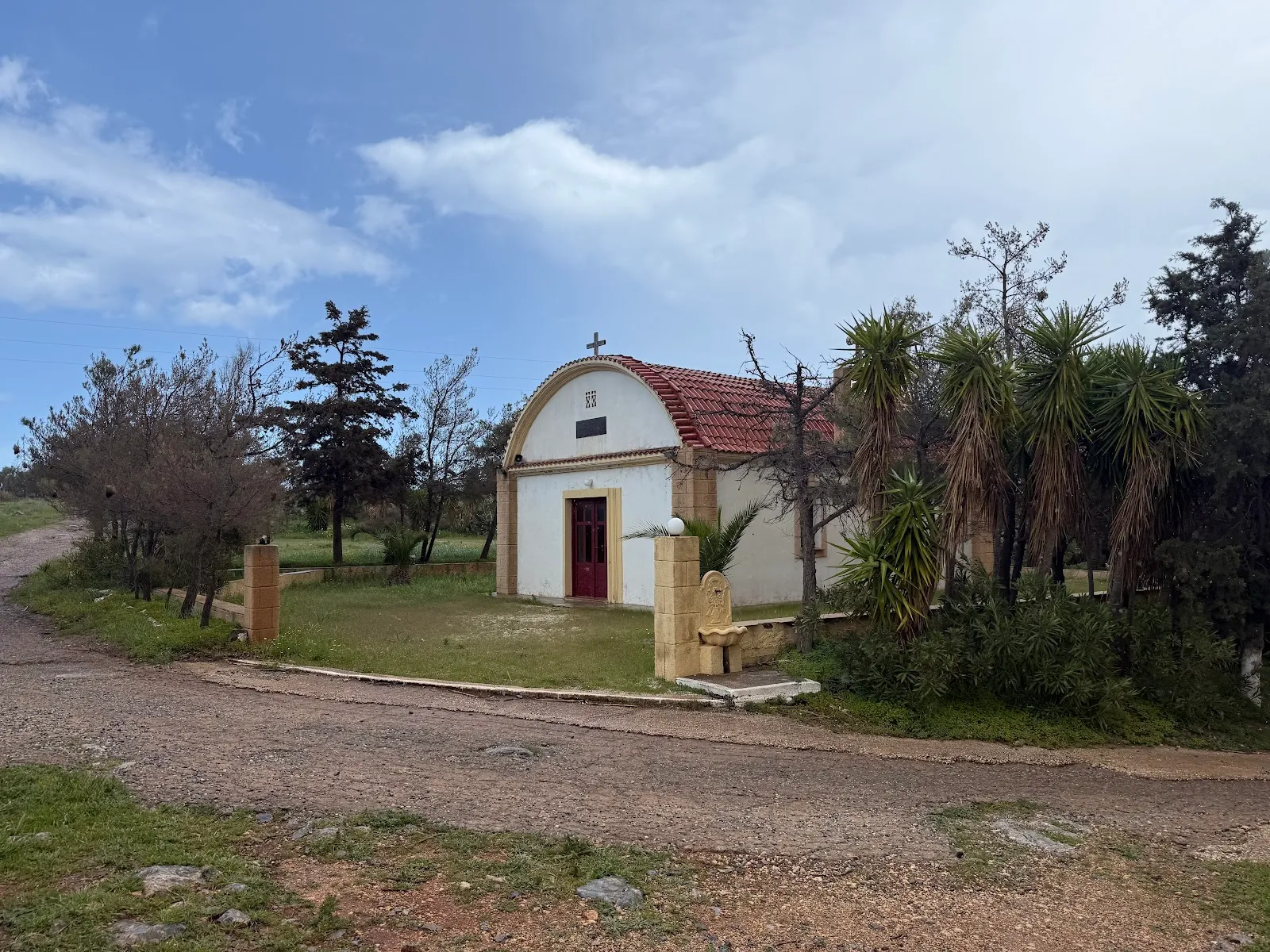
Skotino Cave, also called Agia Paraskevi Cave, is near the village of Skotino in Crete’s Heraklion region. It served as a place of worship from the Minoan era through Roman times, and a chapel dedicated to Saint Paraskevi stands above it. Inside, the natural chambers offer a cool break from the heat and a chance to see the cave’s striking formations. The entrance section involves some climbing over uneven ground; deeper passages are dark, steep and slippery.
A cave with a long religious history
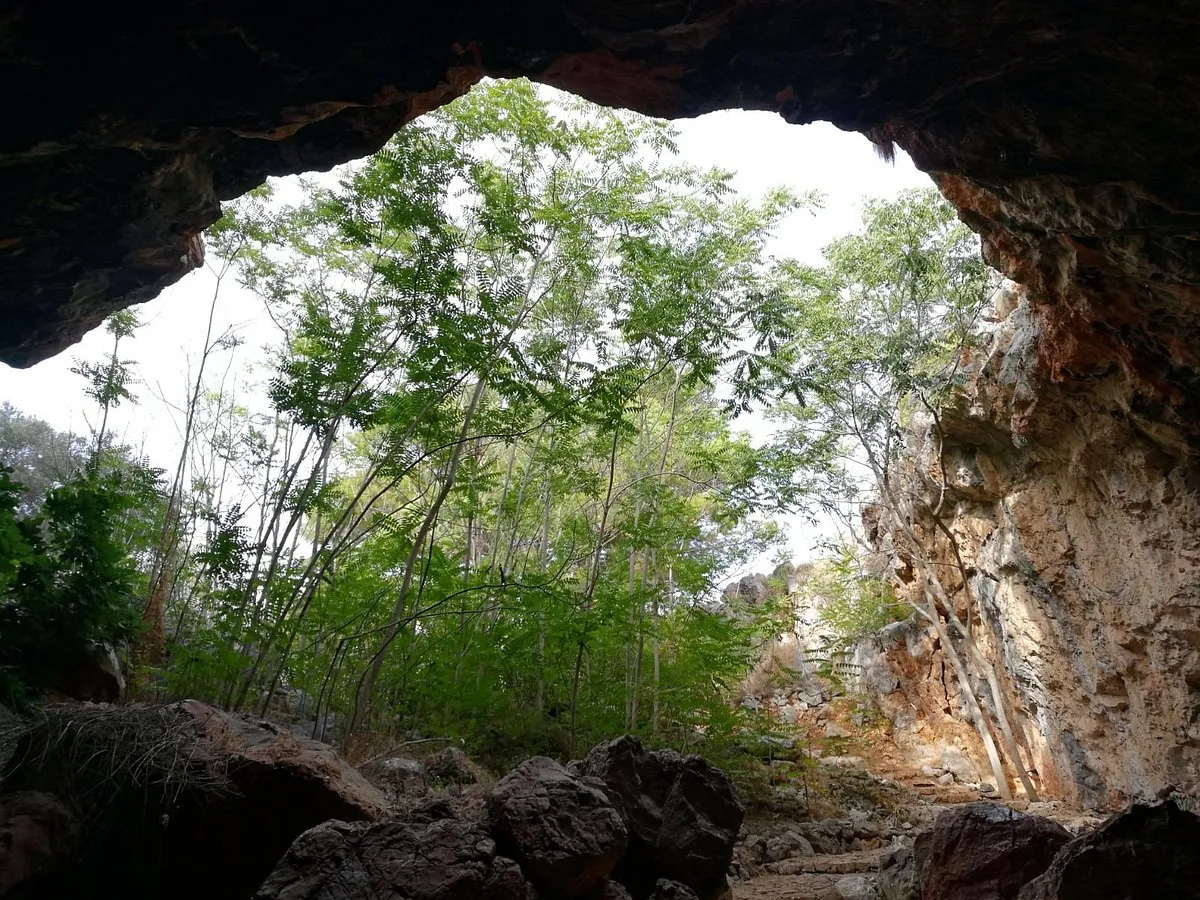
Skotino Cave is also known as Agia Paraskevi Cave, after the chapel above it. Its use as a place of worship dates to the 3rd millennium BC. It later became a Christian sanctuary during the Roman period. The chapel keeps that religious association present at the site today, and a local feast takes place there on July 26.
The chambers and the visit
The cave lies near Skotino village, several kilometres uphill from Pano Gouves. It extends to a reported depth of 160 metres and has four levels. The main entrance section is accessible by a rocky descent, but there are no lights, stairs or railings inside. A torch and secure footwear help you see and move across the uneven floor. Beyond the main chamber, the route becomes darker, steeper and more slippery; exploring that part calls for proper equipment and caving experience. The site has no toilets.
Preguntas frecuentes
Is entry to Skotino Cave free?
Yes, entry is free. No advance ticket is needed.
Do you need a torch inside Skotino Cave?
The cave has no lighting. Bring a strong torch or headlamp, especially if you plan to look beyond the entrance area.
Is Skotino Cave suitable for children?
The main entrance section has been manageable for children, but the ground is rocky and there are no railings. Deeper passages are steep and slippery, so they are not suitable for casual exploration.
Is there a chapel at Skotino Cave?
Yes. A chapel dedicated to Saint Paraskevi stands above the cave.