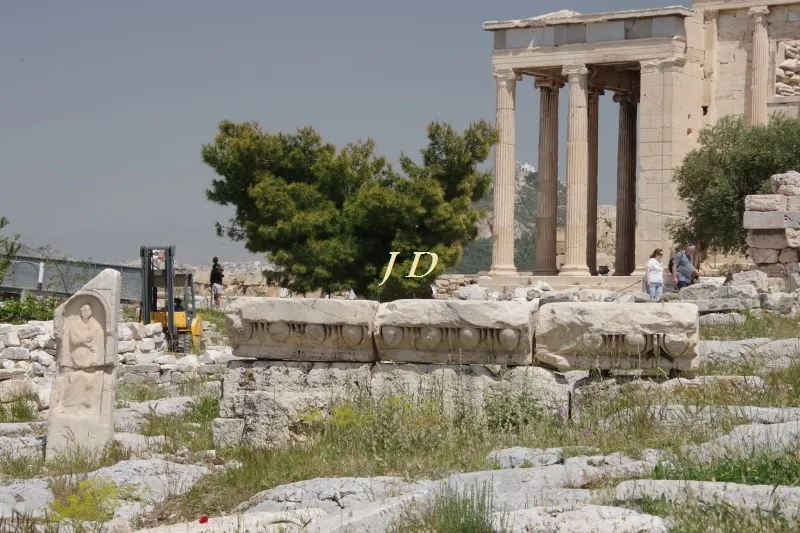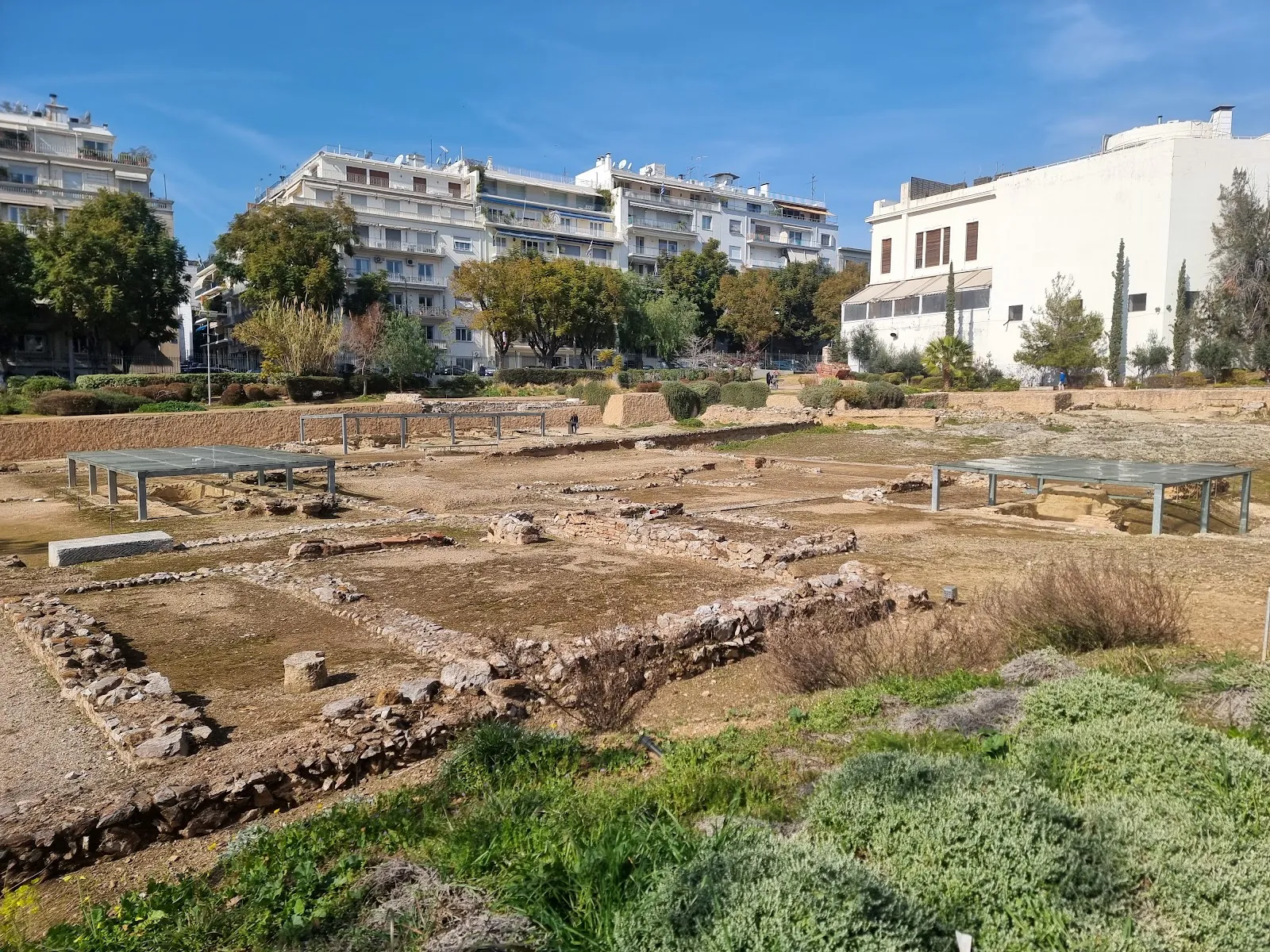
The Archaeological Site of the Lyceum of Aristotle is a small open-air site at Rigillis 11 in Athens, where Aristotle taught and founded the Peripatetic School. The visible remains include foundations of the Lyceum’s wrestling school, part of a larger complex for education and physical training. The grounds are quiet and planted, and information boards explain the site and Aristotle’s work. Come for the connection to ancient philosophy and education; the ruins themselves are limited, so a combined ticket to other archaeological sites can make this a better-value stop.
Aristotle’s school in Athens
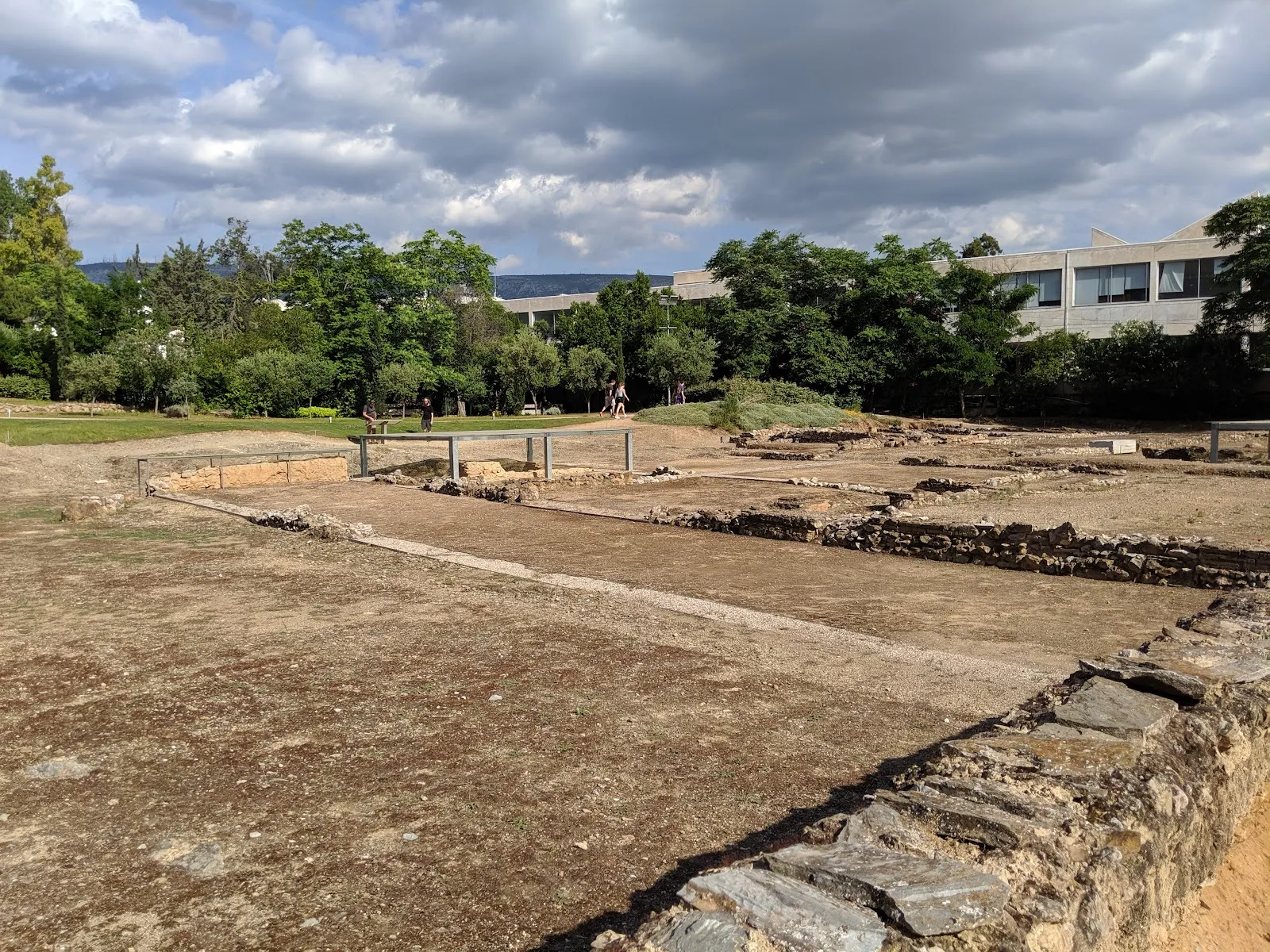
The Lyceum was a centre for teaching and learning in ancient Athens. Aristotle founded his school here in the 4th century BC, and taught students who became known as the Peripatetic School. The name Lyceum comes from the Lykeion district where the school stood.
The larger complex supported both intellectual and physical education. It included open areas for sport and discussion, along with roads, a library and other buildings. The school’s activities ranged across subjects including ethics, politics, biology, logic and metaphysics.
What remains at the site
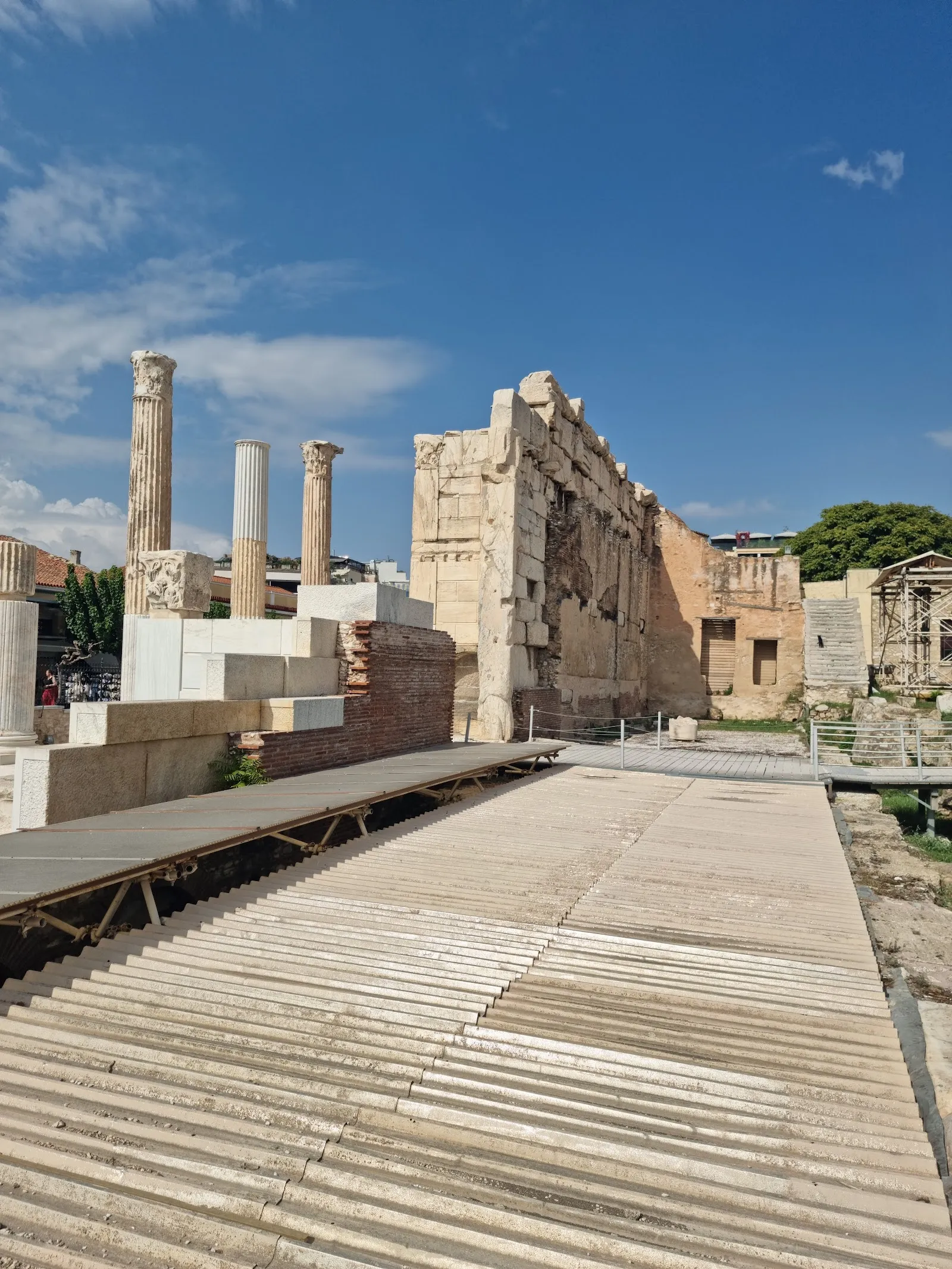
The foundations visible today belong to the Lyceum Palaestra, a wrestling school that occupied only part of the wider complex. The remains give a sense of the site’s role in education and training, but there is not a large collection of standing ruins to explore.
Information boards provide context on the history of the Lyceum and Aristotle’s life and work. They are useful for understanding what the foundations represent and why the site matters to the history of philosophy.
Planning a visit
The site is at Rigillis 11, beside the Byzantine and Christian Museum. Its open grounds and planted areas offer a quieter stop within modern Athens. The Byzantine Museum’s outdoor cafe is nearby for a break after exploring.
A combined ticket for several Athens archaeological sites is one way to include the Lyceum in a wider day of sightseeing. The grounds are exposed to the sun, so an early or late visit can be more comfortable in hot weather. The entrance is wheelchair accessible, and advance ticket purchase is recommended.
Preguntas frecuentes
What can you see at Aristotle’s Lyceum?
The visible remains are foundations of the Lyceum Palaestra, the site’s wrestling school. Information boards explain the wider school and Aristotle’s life and work.
How long do you need at the Lyceum?
Allow about 30 to 60 minutes to explore the remains and read the information boards.
Is the Lyceum included in a combined ticket?
The site is suggested as a stop on a combined archaeological-site ticket. Check which sites your ticket covers before buying, as the listed ticket details do not include the Lyceum.
Is the site wheelchair accessible?
The entrance is listed as wheelchair accessible.