Dokumentation Obersalzberg is a history museum in Berchtesgaden, on the mountain where Hitler bought property in 1923 and built his retreat. The museum follows the area from its years as a tourist destination through its takeover in 1933 and its growth into a second seat of Nazi government after Berlin, and back again. Around 950 documents, photographs, audio clips, videos and maps tell the story. The audio guide comes with your ticket, and the bunker tunnels are part of the visit.
From a mountain retreat to a second seat of power
Obersalzberg is a mountain settlement about 3 km from Berchtesgaden. Hitler bought property there in 1923, and it became his holiday home. In 1933 the quiet alpine settlement was taken over and built up, and in the following years it became the second seat of Nazi power after Berlin.
The museum also follows the change in the opposite direction: from a tourist destination to Hitler's stronghold, and back again.
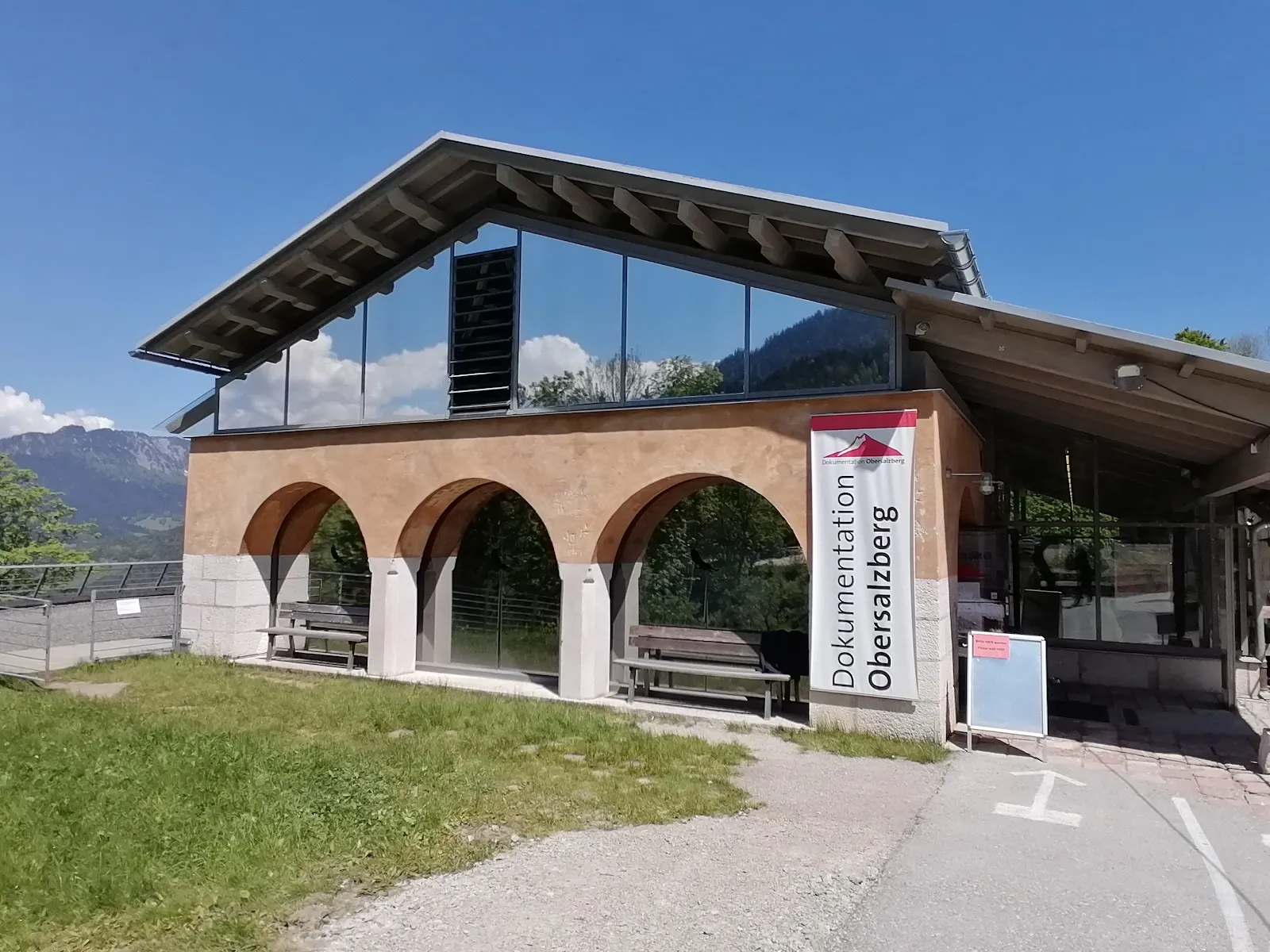
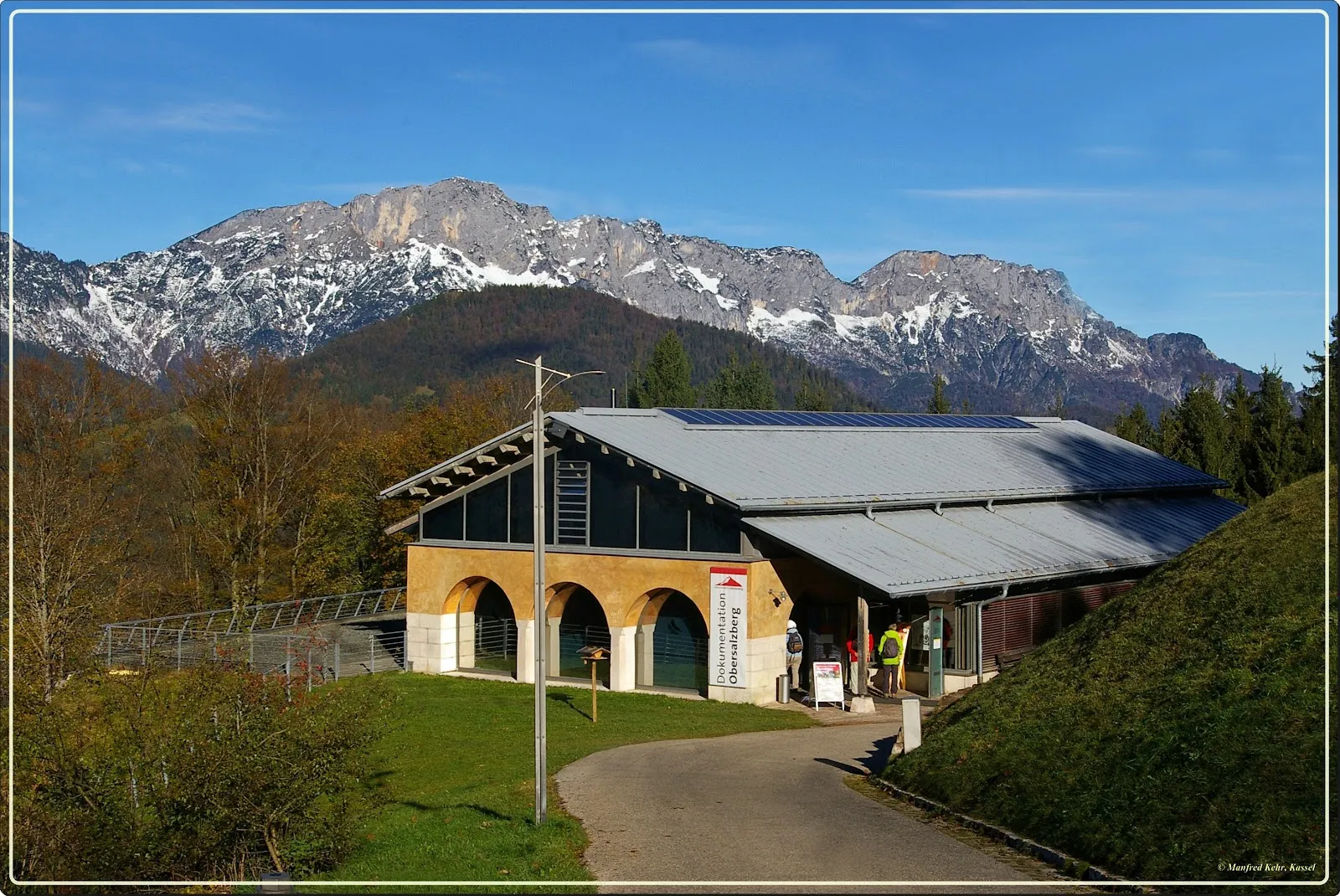
The museum stands on the site of the former guest house Höher Göll. On the Göring hill, a hotel now occupies the place where Hermann Göring's house stood.
What the exhibition covers
Around 950 documents, photographs, audio clips, videos and maps make up the displays. Rooms document the forced takeover of the area, the construction of the compound and the daily life of the Nazi elite.
The exhibition covers more than the rise to power. It deals with Hitler's near-mythical appeal, his racial politics, the resistance movement, foreign policy and the death camps.
The interactive features help. An area map, large table screens with photographs, a movement timeline and document information all work well. Two theatres show videos on a loop. A temporary exhibition, Portraits by Stefan Hanke, is also on display.
The audio guide and the bunker tunnels
The audio guide is included with your ticket and is available in multiple languages. It runs 40 or 80 minutes and covers the history of the area above ground and below it, including the SS tunnel system.
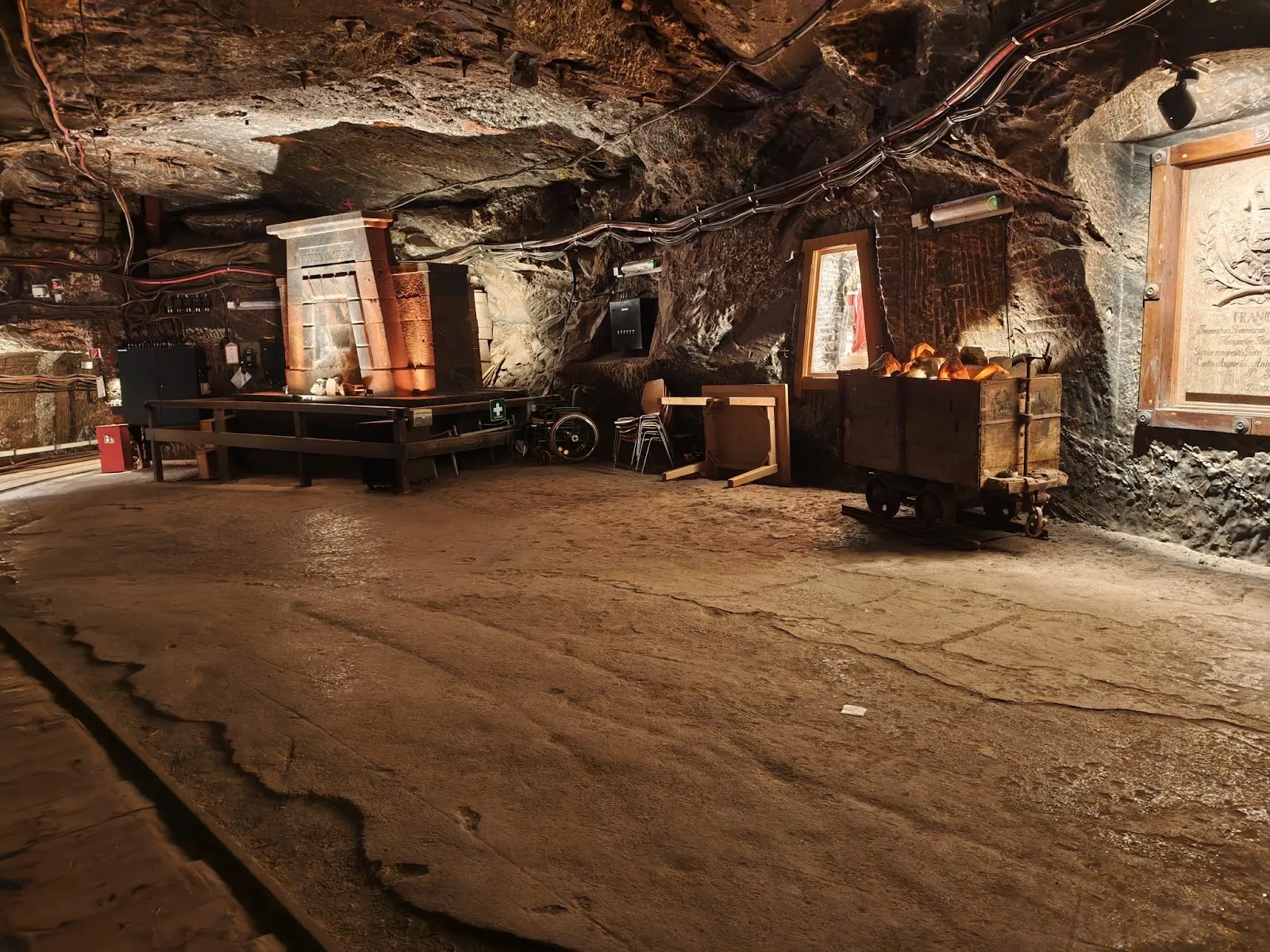
The bunker tunnels are part of the visit. The access is integrated into the museum building, so the underground part follows on from the exhibition rooms. The tunnel complex can be visited as part of the museum.
Hotels in Berchtesgaden can give guests a card that reduces the entrance fee. Ask at your hotel before you buy your ticket.
Planning the visit
The museum is close to the bus station where the shuttle to the Eagle's Nest departs. Entry is included with the bus ticket to the Eagle's Nest, and the bunkers are included too.
The Kehlsteinhaus can be combined with the museum. From outside the site, the Kempinski Rundweg is a one hour walk that passes the site of the former Berghof.
On site you will find a restaurant, a coat check, restrooms and a nursing room. The entrance, elevator, restroom, seating and parking lot are wheelchair accessible, and mobility scooters can be rented.
Visiting with care
The subject is painful, and the museum treats it seriously. Take the time you need between rooms and sit down when you feel tired or moved.
The audio guide covers the main story, but the wall displays hold much more detail. Read them at your own pace.
Preguntas frecuentes
Is there an entry fee?
Yes, the museum charges admission. The audio guide comes with your ticket, and a ticket for the Eagle's Nest bus also includes entry here.
How long do you need?
Plan 1.5 to 2.5 hours. The audio guide runs 40 or 80 minutes, and there is a lot to read on the walls.
Is the museum wheelchair accessible?
Yes. The entrance, elevator, restroom, seating and parking lot are wheelchair accessible, and mobility scooters can be rented.
Can I visit the bunker tunnels?
Yes, the bunker tunnels are part of the visit, and the access is built into the museum.