Inside the former Hôtel des Fermes du Roi at Place de la Bourse, the Musée National des Douanes traces the work of French customs officials from royal tax collection to modern border control. Its displays bring a niche subject to life with uniforms, weapons, scales, maps and objects seized at the border. Look for Claude Monet’s painting Cabane des Douaniers among the exhibits. Most explanatory text is in French, so an audio guide is useful if you want more context in another language.
The former tax office on Place de la Bourse
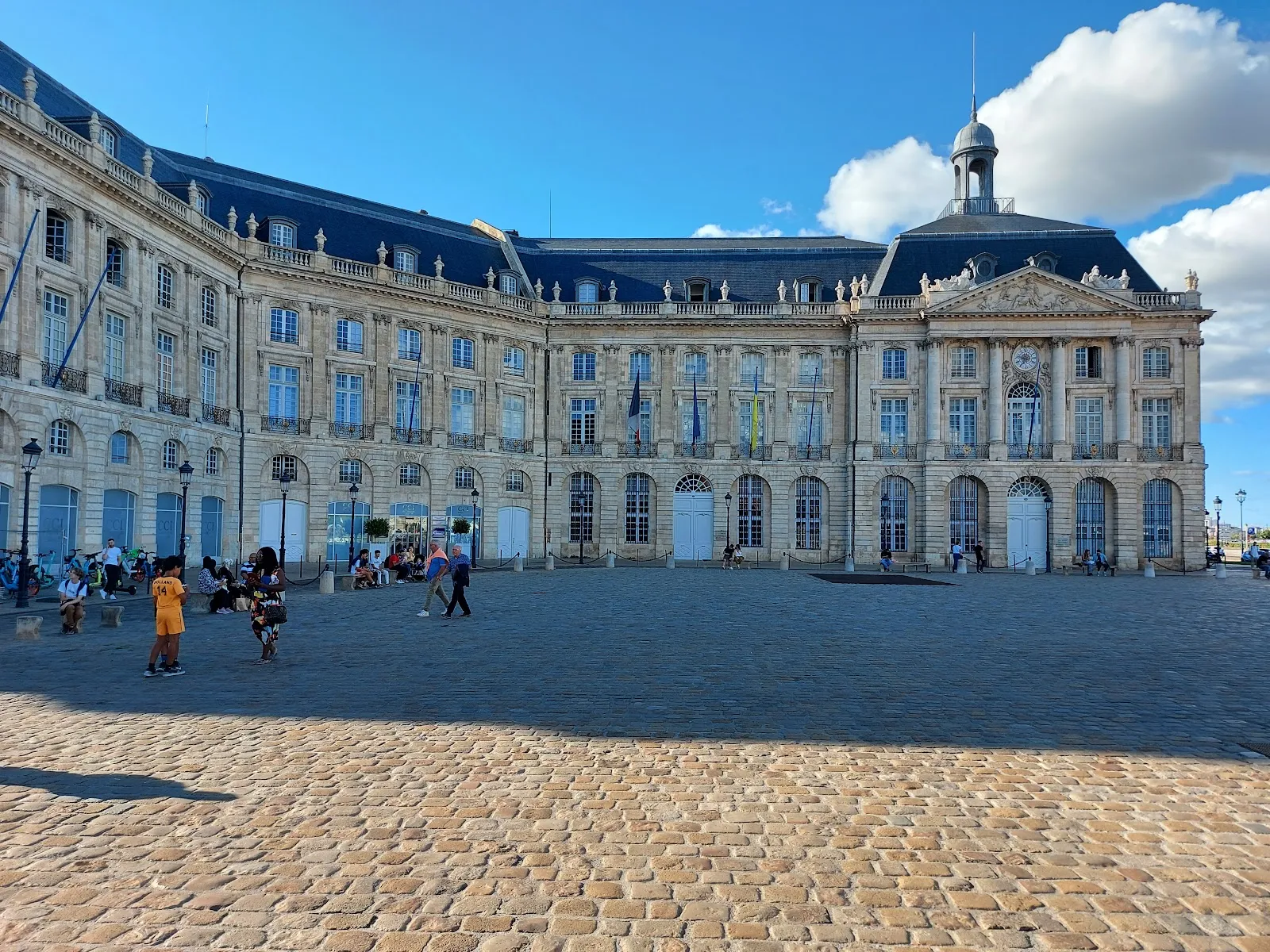
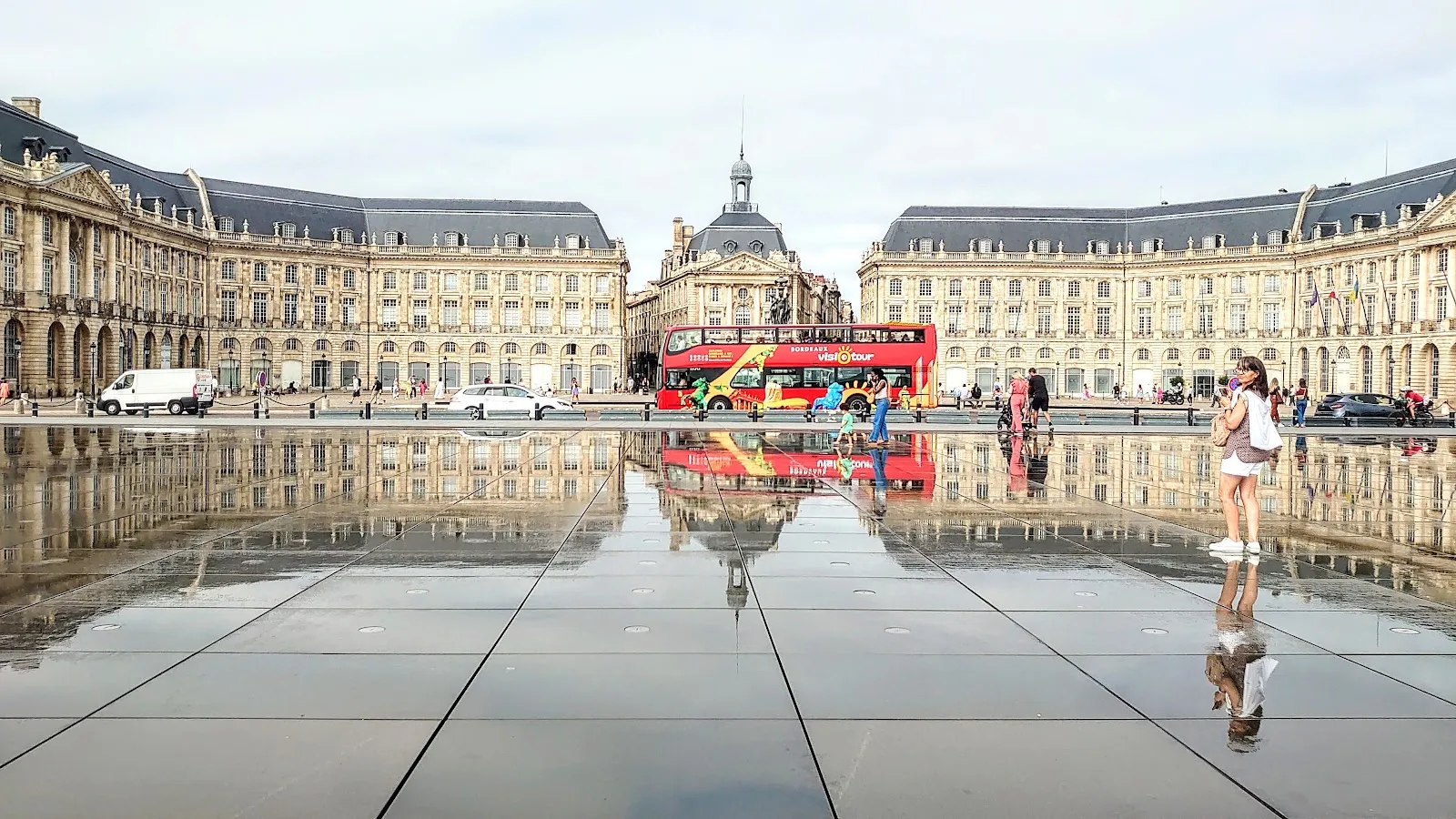
The museum occupies the Hôtel des Fermes du Roi, an 18th-century building on Place de la Bourse. The address has a direct link to the subject inside: the building once housed the Ferme générale, the organisation responsible for collecting taxes on behalf of the king. The square was also a royal square, placing the museum’s story of public revenue in its original setting.
Bordeaux’s position as a port shaped the work of customs officials. Goods moving through the city were subject to duties and controls, and the museum follows the administration that managed them. Its location on the square makes it easy to pair a look at the building with a visit to the exhibits.
From royal duties to border controls
The displays trace customs administration from the period of royal taxation through political change and into the modern era. They show how the role shifted from collecting income for the monarchy to controlling imports and enforcing government rules. The story continues to contemporary customs work, including border control within the European Union.
Rather than treating customs only as a system of taxes and regulations, the collection connects those duties to the people who carried them out. Uniforms and tools give the work a physical presence, while examples related to counterfeiting and smuggling show the kinds of goods officers dealt with. The exhibits also touch on debates around protectionism and free trade.
Objects to look for in the galleries
The collection includes more than 5,000 objects associated with the French Customs Service. Among them are uniforms, weapons, scales and other equipment, alongside seized items and artworks. The displays also include measurement tools and material connected with counterfeit goods, offering a closer look at the practical tasks behind customs enforcement.
Make time for Claude Monet’s Cabane des Douaniers, a painting singled out within the museum. The galleries also include material on customs in popular culture, including film-related displays. An audio guide can add detail to the exhibits; much of the written interpretation is in French, and explanations in English are limited.
Preguntas frecuentes
How long does a visit take?
Allow about an hour to see the displays.
Is there information in English?
Most exhibit text is in French and English explanations are limited. Audio guides are available in different languages.
What can you see at the museum?
The collection covers French customs history and includes uniforms, weapons, scales, seized objects and artworks, including Monet’s Cabane des Douaniers.
Where is the Musée National des Douanes?
It is at 1 Place de la Bourse in Bordeaux, inside the former Hôtel des Fermes du Roi.