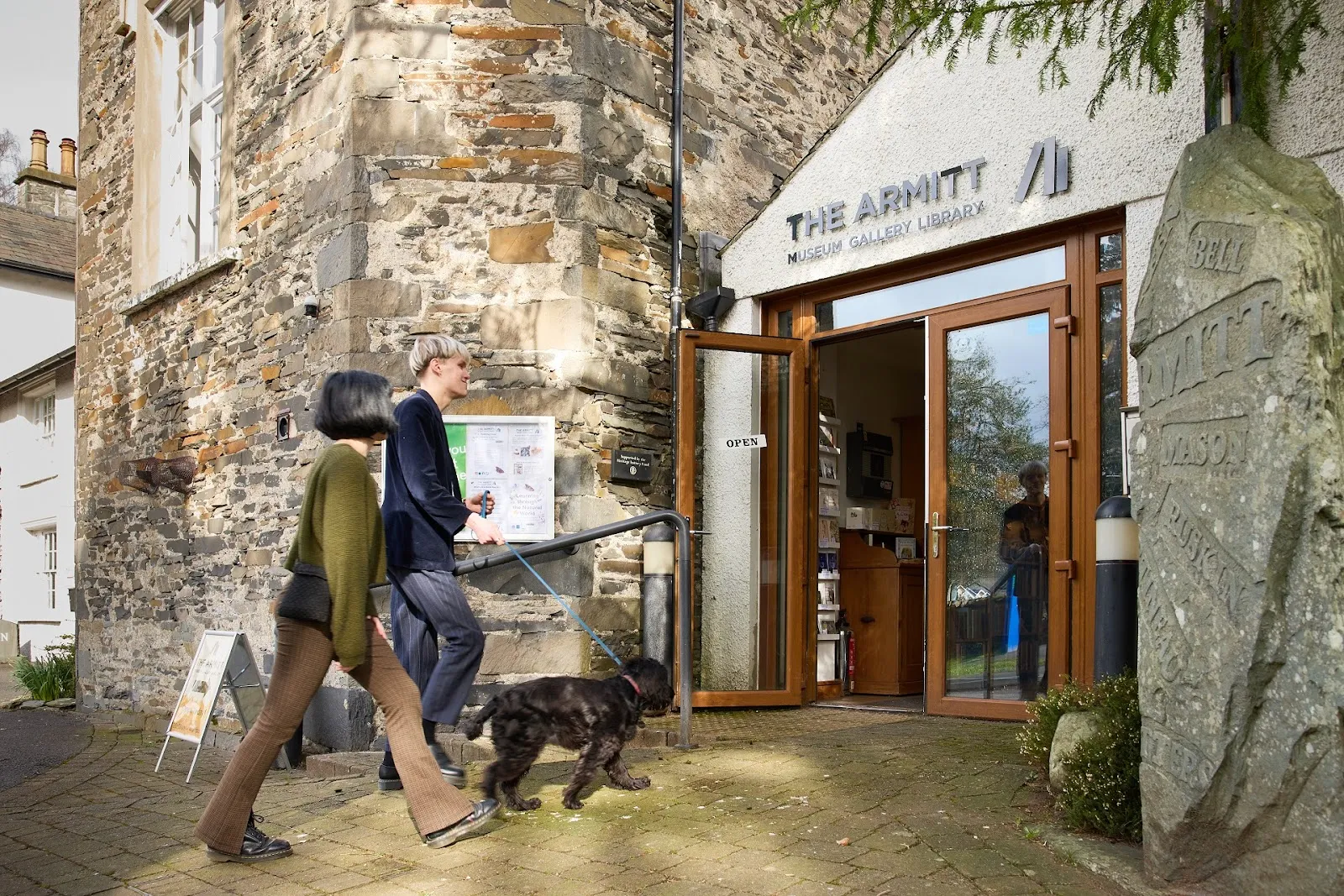
On Rydal Road in Ambleside, the Armitt brings a museum, library and gallery together to tell the story of the Lake District and its people. Its collections include Beatrix Potter’s botanical watercolours, Alfred Wainwright’s walking books, Roman finds and art by Kurt Schwitters, who lived in Ambleside. Changing exhibitions add fresh perspectives on local history and culture, while hands-on activities give children something to explore. Allow time for the displays as well as the bookshop, which sells books and other items linked to the museum’s themes.
A museum rooted in Ambleside
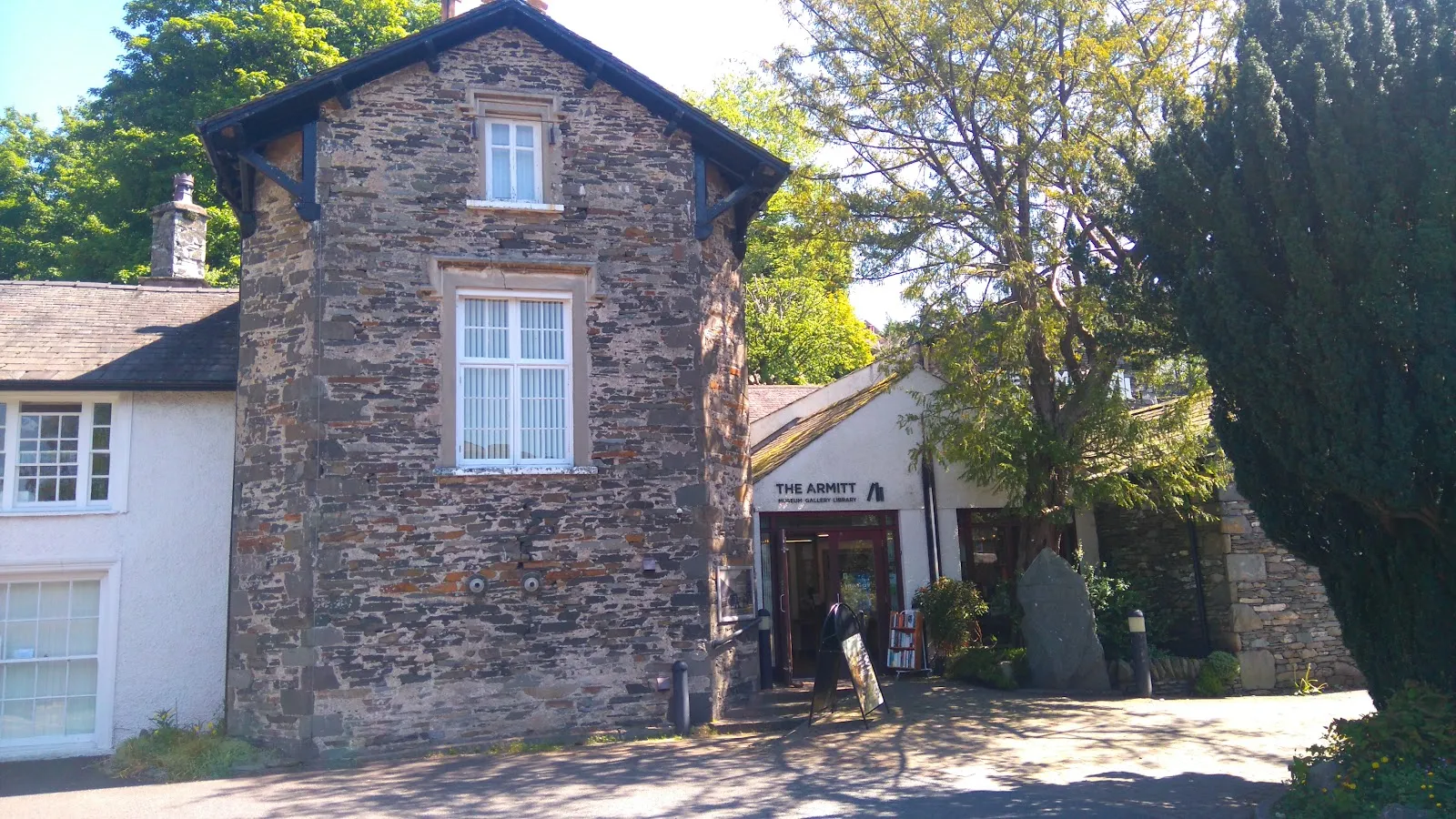
The Armitt opened in 1912 and grew from a subscription library founded by Mary Louisa Armitt. Its collections preserve the cultural history of Ambleside and the wider Lake District through books, records, photographs, artwork and objects from the area. The museum, library and gallery share space, so the displays move between local social history, literature, art and archaeology.
The collection connects the region’s past with people who lived or worked here. Alongside material on Beatrix Potter and Alfred Wainwright, it includes work by Kurt Schwitters, a German artist who spent his final years in Ambleside. The Armitt also holds local photographs and material relating to mountaineering, climbing and walking.
Beatrix Potter’s art and interests
Potter supported the Armitt and gave it books from her family, first editions of her small books and botanical watercolours. The museum’s Potter displays look beyond her children’s stories to her work as a naturalist, including detailed paintings of fungi. Her interest in the natural world and her botanical studies offer a different way to understand her connection to the Lake District.
The collection includes personal mementoes, letters and drawings as well as watercolours. Exhibitions have presented her work through themes such as an A-to-Z, giving visitors a close look at subjects and details that can be missed in reproductions. The displays change, so the works and interpretation on view can differ between visits.
Art, archaeology and changing displays
Schwitters’ art is another major part of the collection. He emigrated to the United Kingdom during the Second World War and lived in Ambleside during the last years of his life. The Armitt holds an important collection of his work, shown alongside other material connected with the area’s artists and writers.
Local archaeology adds a much older perspective. The museum holds Roman finds from the area, as well as objects associated with earlier periods. Temporary exhibitions bring further stories into the galleries, including displays on community life and local figures such as social thinker Harriet Martineau. Their subjects vary, making room for different aspects of the region’s history and culture.
Families will find hands-on activities among the displays. The museum also has accessible toilets and a bookshop near the entrance, with books and other items connected to its collections. Check the current exhibition programme before visiting if you have a particular subject in mind.
Preguntas frecuentes
Where is the Armitt Library & Museum Centre?
It is on Rydal Road in Ambleside, in the Lake District National Park.
How long should I allow for a visit?
Allow about 1 to 2 hours to see the exhibitions and browse the collections.
Can I return after my visit?
Yes. Your admission ticket allows free returns for a year.
Is the museum accessible?
The entrance, toilets and parking are listed as wheelchair accessible.