
Kenilworth Castle is a ruined medieval fortress and Elizabethan palace in Kenilworth, Warwickshire, a short drive from Warwick Castle. Its pink sandstone walls date back to the 1120s, and the Norman keep, the Great Hall and the tower are the main sights. You can climb the tower and the stairs in Leicester's Building for wide views over the countryside. Next to the ruins, the Elizabethan Garden has been restored with scented plant beds, a Renaissance aviary and a marble fountain. Plan a few hours to see both.
From a Norman fortress to a royal palace
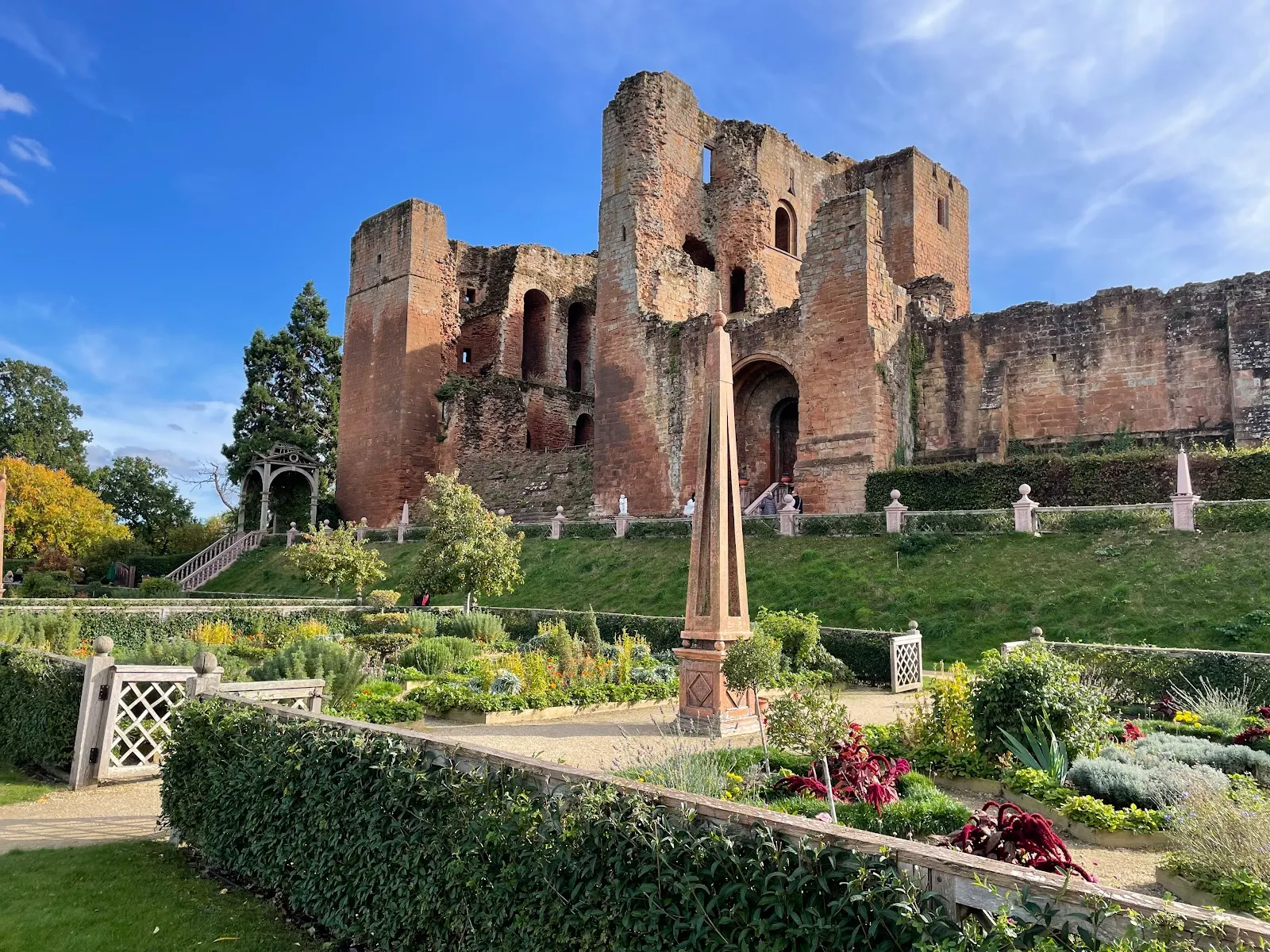
Geoffrey de Clinton, a royal chamberlain, began the castle in the early 1120s. The Norman keep, the oldest part of his work, was finished in 1162. King John enlarged the castle in the late 12th century.
Later owners widened the defences further. They flooded the land in front of the castle to create the mere, a lake that formed part of the fortifications. In 1266, royalist forces besieged the garrison held by Simon de Montfort's men for six months, the longest siege in English history. Edward II was held at the castle about 60 years later.
John of Gaunt built the Great Hall and a residential wing in the 14th century. In 1563, Elizabeth I granted the castle to Robert Dudley, Earl of Leicester, who turned it into a Renaissance palace. In 1575 he hosted the queen on a long, lavish visit with hunting, pageantry, feasting and dancing. The castle was a royal property for most of its history.
Inside the ruins
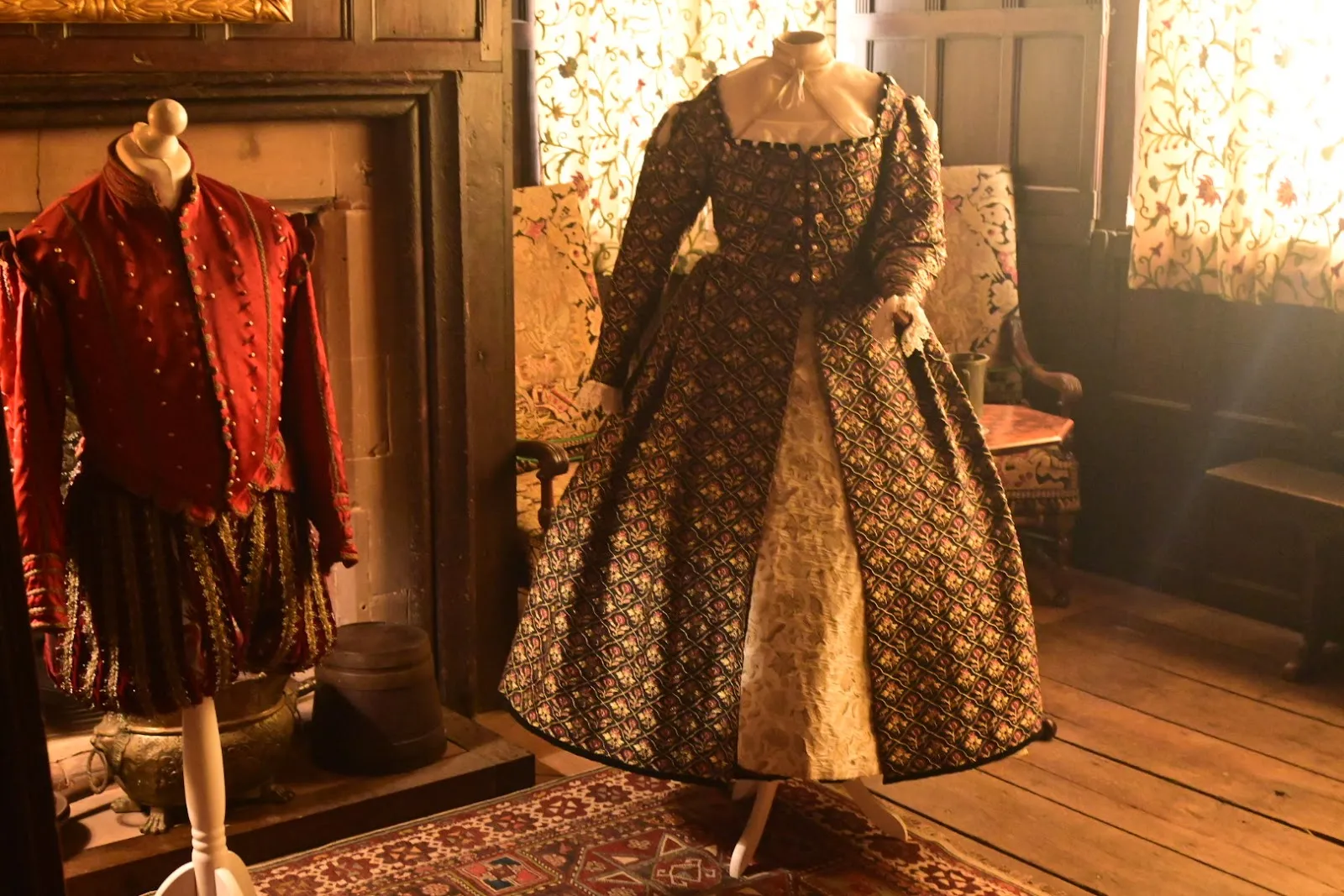
The ruins are open to walk through, and many stairs and ramparts can be reached. Stairs and viewing platforms in Leicester's Building let you climb the red sandstone walls and look out over the Warwickshire countryside that Elizabeth I would have seen.
The tower has an exhibition on how the castle changed over time, and the gatehouse has its own exhibition. In the Great Hall, you can picture medieval monarchs at their banquets. Information boards across the site explain each part of the castle's history.
Children can dress up and touch trebuchet balls, said to have been hurled at the castle about 800 years ago. Seasonal events include falconry displays and archaeology activities, and the site holds an annual bonfire event.
The Elizabethan Garden
The garden beside the castle has been restored to show how it looked in Elizabeth I's day. Its plant beds are planted for scent, colour and fruit. A Renaissance aviary and a fountain carved from Carrara marble stand among the walkways.
Benches and tables are placed around the grounds, and there is a designated picnic area. The garden is well kept, and the paths give a good view of the castle walls from different angles.
The garden is quiet even when the castle is busy, so it works well as a second stop after the ruins.
Visiting, tickets and facilities
Booking online ahead of your visit is recommended. The ticket is valid all day, so you can leave and return on the same day.
The cafe is in the old stables. It has a range of food, and there is shaded seating for hot days. Service can be slow at weekends and on holidays, so allow extra time at lunch. A gift shop sits in one of the medieval buildings.
The entrance, restrooms and parking are wheelchair accessible. The gatehouse has a lift to its floors, so visitors who cannot manage the stairs can still see the upper levels of that building. The grounds are well maintained, and the toilets are clean.
Sturdy footwear helps on the uneven ground and stone steps.
Walks from the castle
A circular walk of about 6 and a half miles (10 and a half km) begins at the small free car park off Castle Rd, opposite Castle Green. It crosses flat farmland and open countryside with many views, and it passes Faerie Tale Farm Alpacas.
Part of the route follows the Millennium Way, a 100-mile walk from Pershore in Worcestershire to Middleton Cheney in Northamptonshire. Waymarkers guide you along the path, and the route is easy to follow.
Preguntas frecuentes
Do you need to book tickets in advance?
Booking ahead is recommended, and booking online can save time at the ticket desk. The ticket is valid all day.
How long do you need at Kenilworth Castle?
Plan for 2 to 3 hours to see the ruins, the tower and the Elizabethan Garden.
Is parking free?
Parking is charged to visitors who are not English Heritage members. A small free car park off Castle Rd is the start of a walking route nearby.
Is the castle accessible for wheelchair users?
The entrance, restrooms and parking are wheelchair accessible. The gatehouse has a lift to its floors.


