At 61 San Ignacio, beside Plaza de la Catedral in Old Havana, the Museo de Arte Colonial occupies the former home of governor Don Luis Chacón. Its rooms bring together Cuban colonial furniture and decorative arts, alongside paintings from different periods of the island’s history. Look for colored glass panels above doorways and the mansion’s detailed ceilings, then see objects linked to an 18th-century governor. Visits are guided, with staff explaining the collection and opening some roped-off rooms.
A governor’s house on Cathedral Square
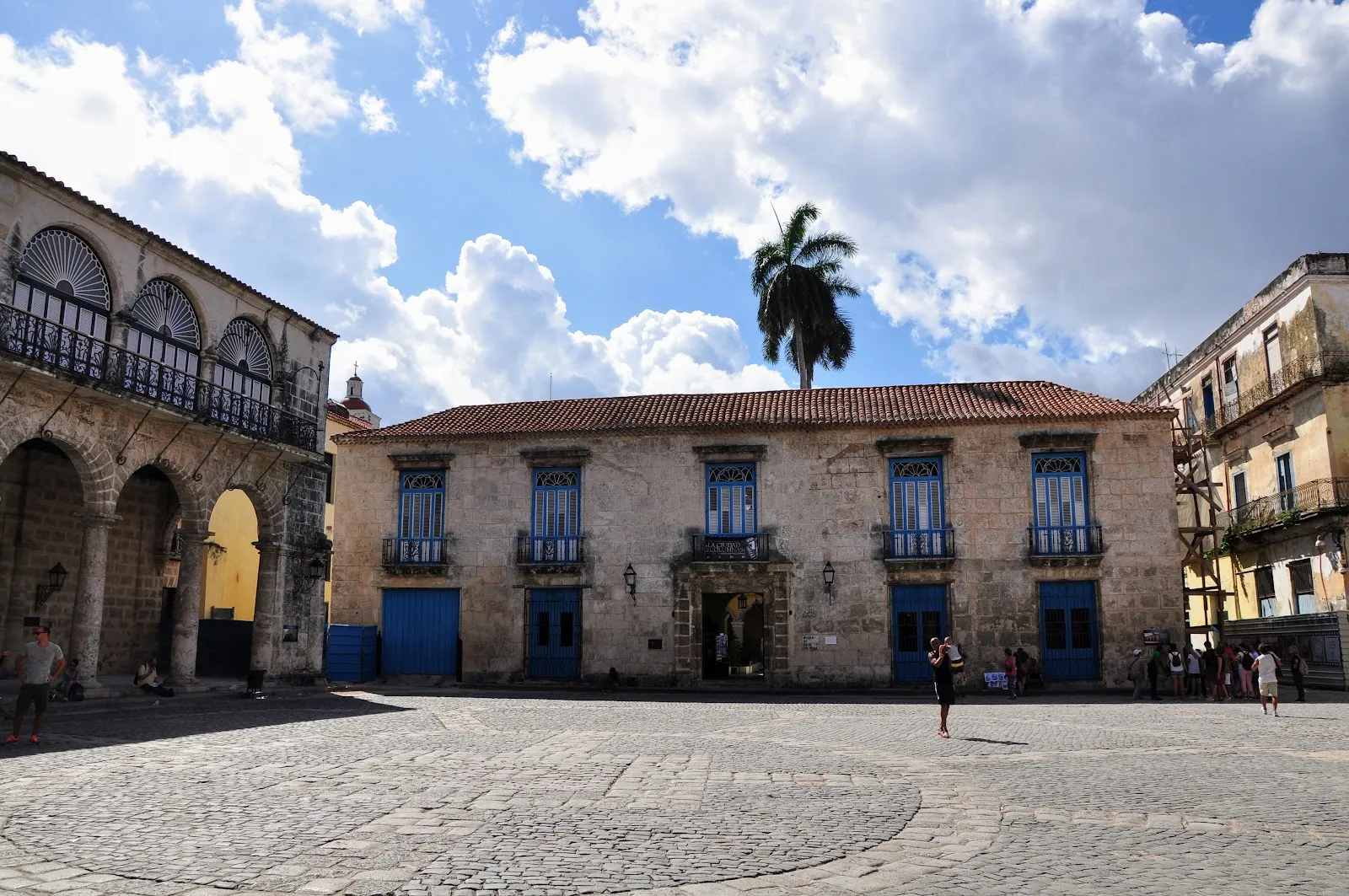
The museum is housed in the Casa de Don Luis Chacón, a large, two-storey colonial mansion on Plaza de la Catedral. Chacón, a Havana-born colonial official, held the position of military governor of Cuba on three occasions, an uncommon distinction for someone born on the island. The house is also known as Casa del Conde de Bayona, after the original owner’s son-in-law.
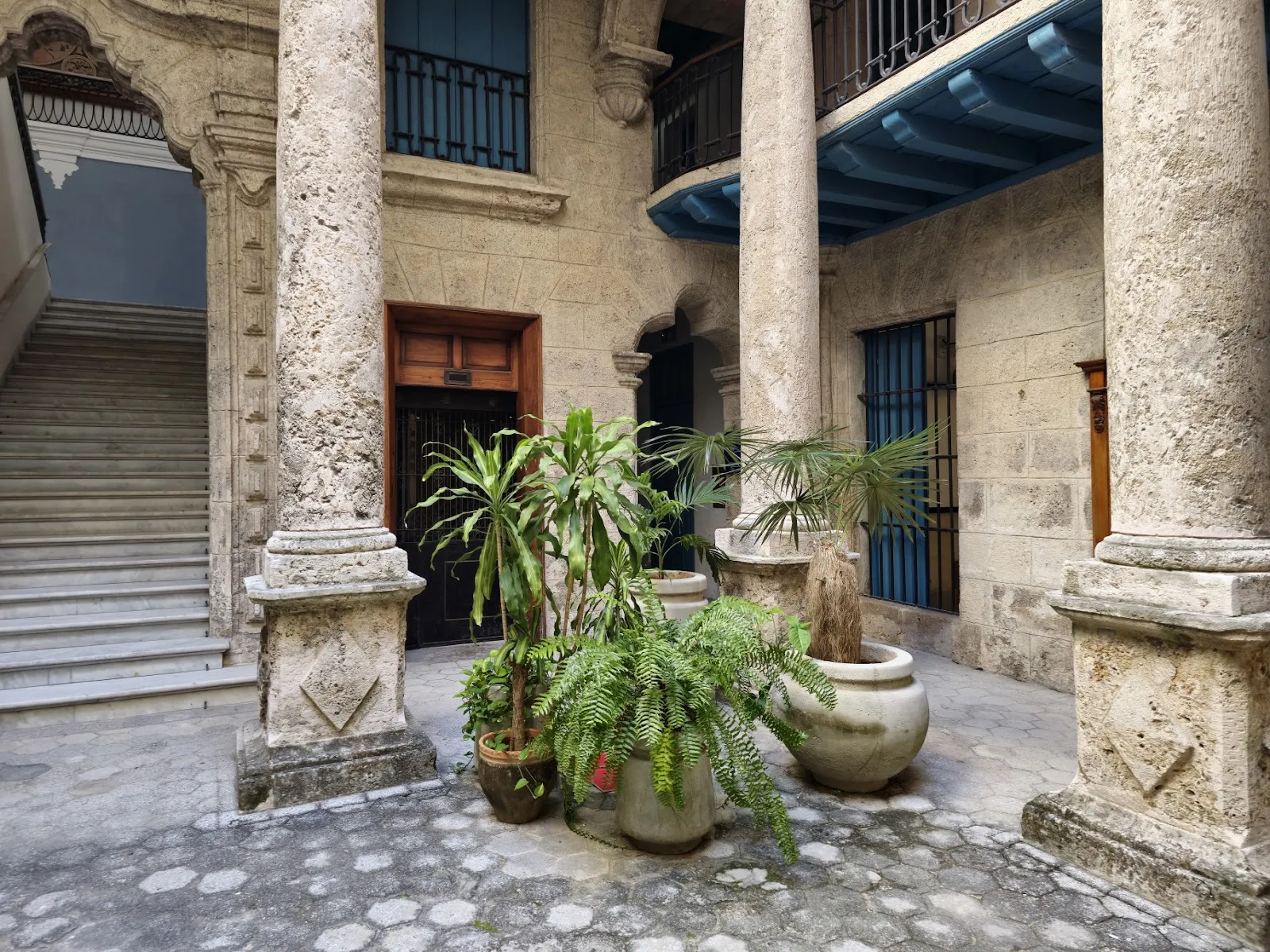
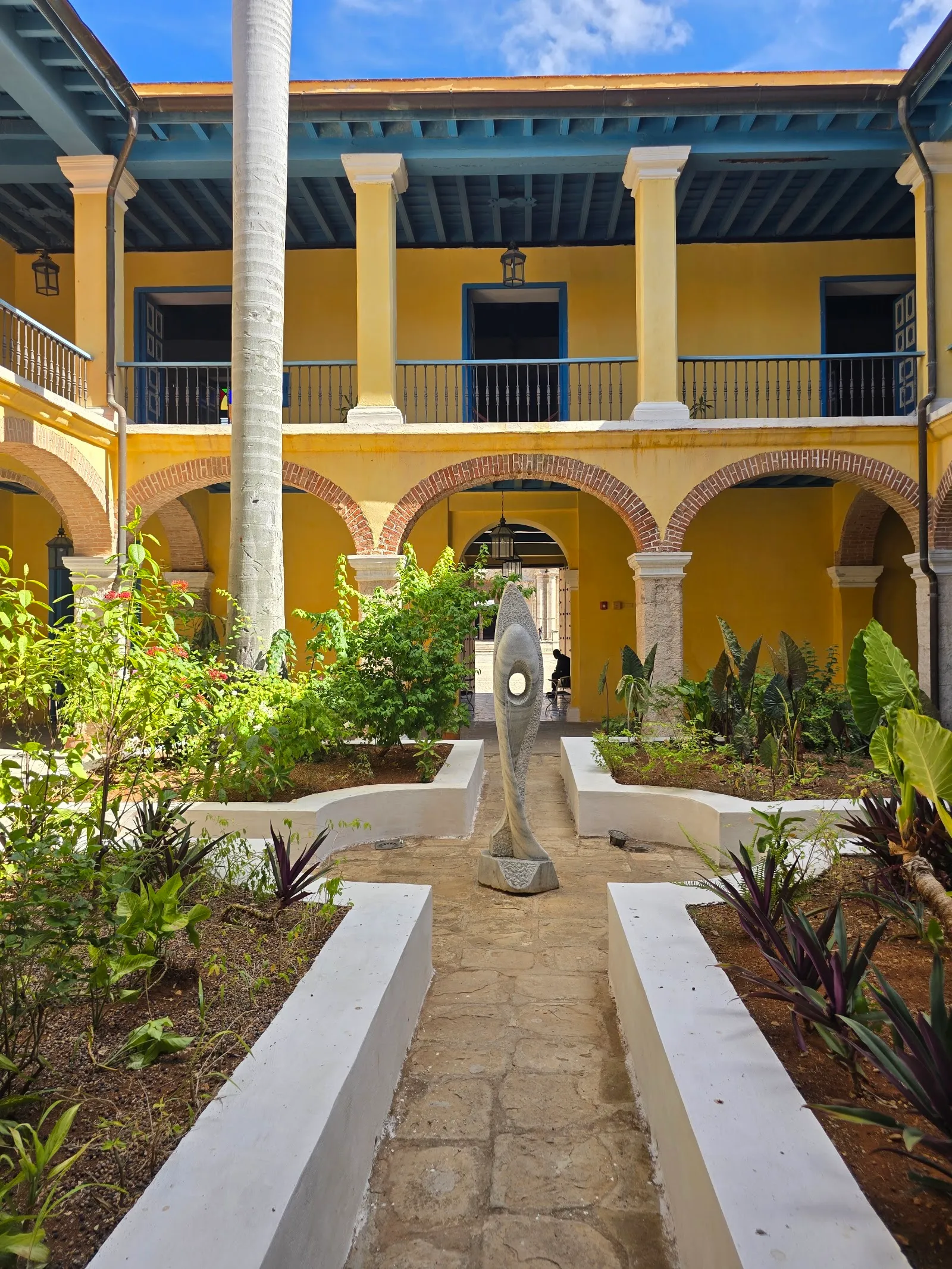
The building dates to the 17th century and underwent its first restoration in 1720. Its location puts the museum directly across the square from Havana Cathedral. Inside, the courtyard and sequence of rooms give a sense of the scale and layout of a wealthy Havana home during the colonial period.
Furniture, glass and domestic objects
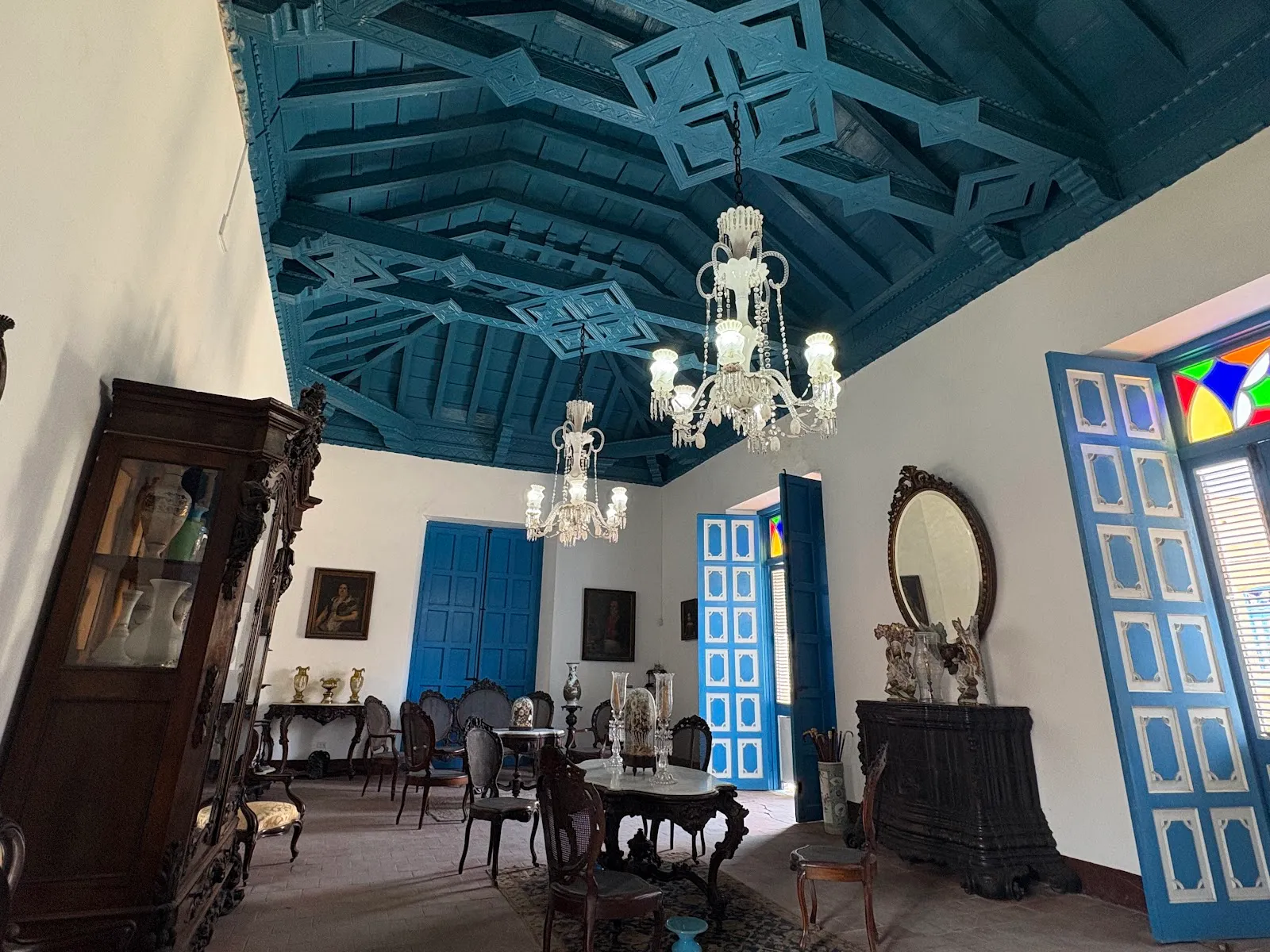
The collection focuses on colonial domestic life and includes furniture and decorative arts made in Cuba from the 17th through the 19th centuries. Rooms arranged as drawing rooms, dining rooms and bedrooms show how these objects were used in a home. Marble sculpture, porcelain, violins and household objects are among the items on display, with some associated with an 18th-century governor.
Look above doorways for mediopuntos, colored glass panels that form part of Cuban colonial domestic architecture. The mansion also has detailed high-panelled ceilings and intricate glasswork. Paintings in the collection include older views of the Cuban countryside as well as works from before and after the revolution.
How the guided visit works
A guide accompanies visitors through the collection, with explanations available in English. Ropes mark rooms that are not open for visitors to enter freely; staff may open them to explain what is inside. The objects are displayed without barriers, so follow the guide’s directions and avoid touching the collection.
Allow time to look closely at the rooms and their contents rather than moving straight through. The museum closes at around 1:30 pm, so an early visit leaves more time to explore. Some visitors leave a small tip for the guide, so carrying small bills is useful if you choose to do so.
Preguntas frecuentes
Where is the Museo de Arte Colonial?
It is at 61 San Ignacio, on Plaza de la Catedral in Old Havana, across the square from Havana Cathedral.
Are visits guided?
Yes. A guide is required, and explanations are available in English. Some roped-off rooms may be opened by staff for explanations.
What can you see at the museum?
The collection includes Cuban colonial furniture and decorative arts, paintings, colored glass panels, porcelain, marble sculpture and other domestic objects.
When should I visit?
Go early in the day. The museum closes at around 1:30 pm.