Parc Jean-Drapeau spreads across Île Sainte-Hélène and the artificial Île Notre-Dame in the St. Lawrence River, a short trip from downtown Montréal by metro. Its Expo 67 history sits alongside riverside paths, gardens, public art and major attractions. Stop at the Biosphere, the geodesic dome that once served as the United States pavilion, then choose between a walk, a picnic or a longer day exploring the islands. La Ronde, the casino and seasonal water activities add options, but check the park website before setting out for a specific attraction.
Two islands shaped by Expo 67
Parc Jean-Drapeau occupies Île Sainte-Hélène and Île Notre-Dame in the St. Lawrence River. Notre-Dame is an artificial island built for Expo 67, the 1967 World’s Fair. The exposition left buildings and sites that still give the park a distinct historical character, including the Biosphere, originally the United States pavilion.
The park also connects to Montréal’s later history. It hosted events for the 1976 Summer Olympics and continues to hold festivals, concerts and sporting events. Its name honours Jean Drapeau, Montréal’s mayor during the period when the city built the métro and hosted Expo 67 and the Olympics.
The Biosphere, gardens and outdoor art
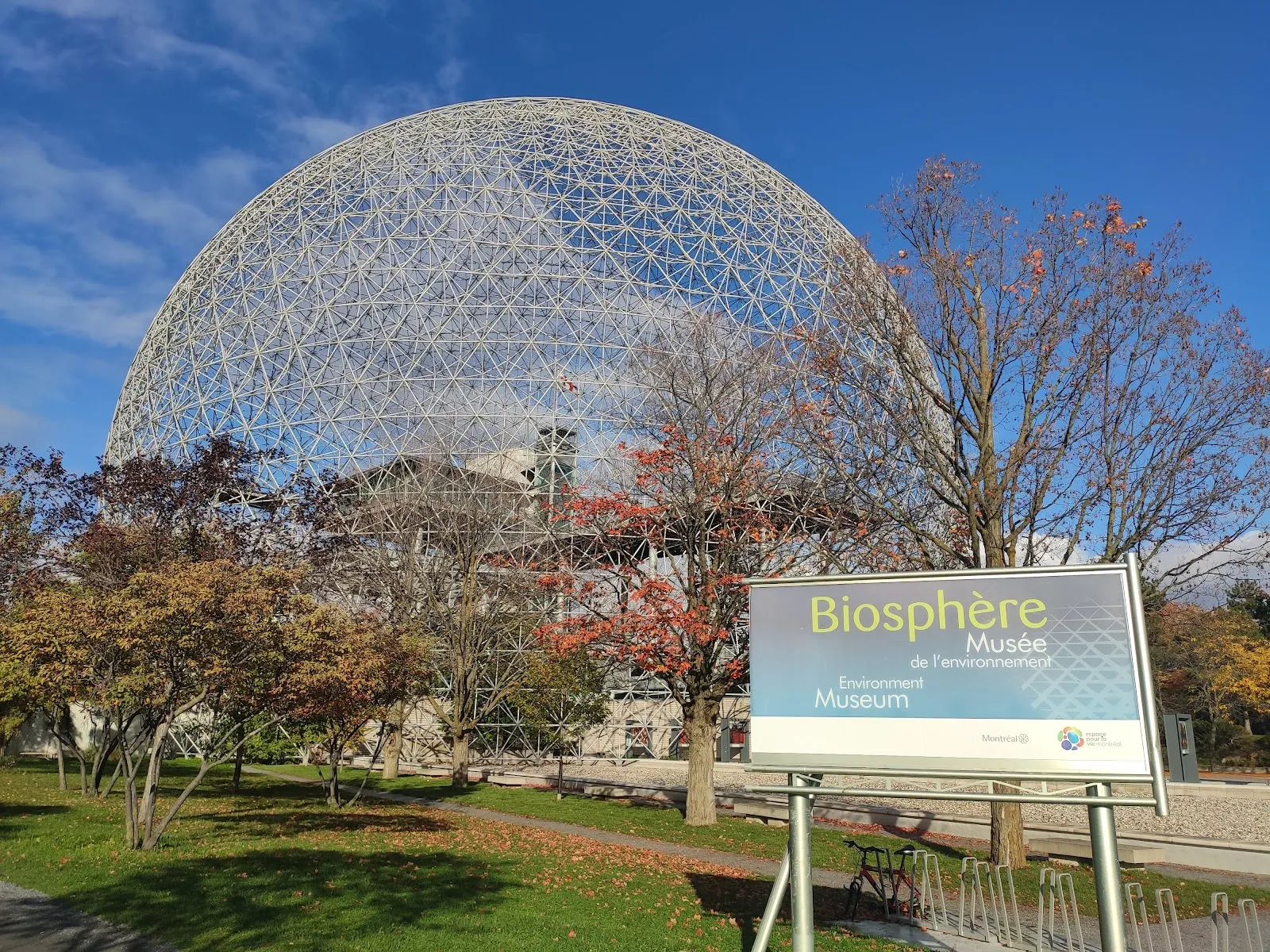
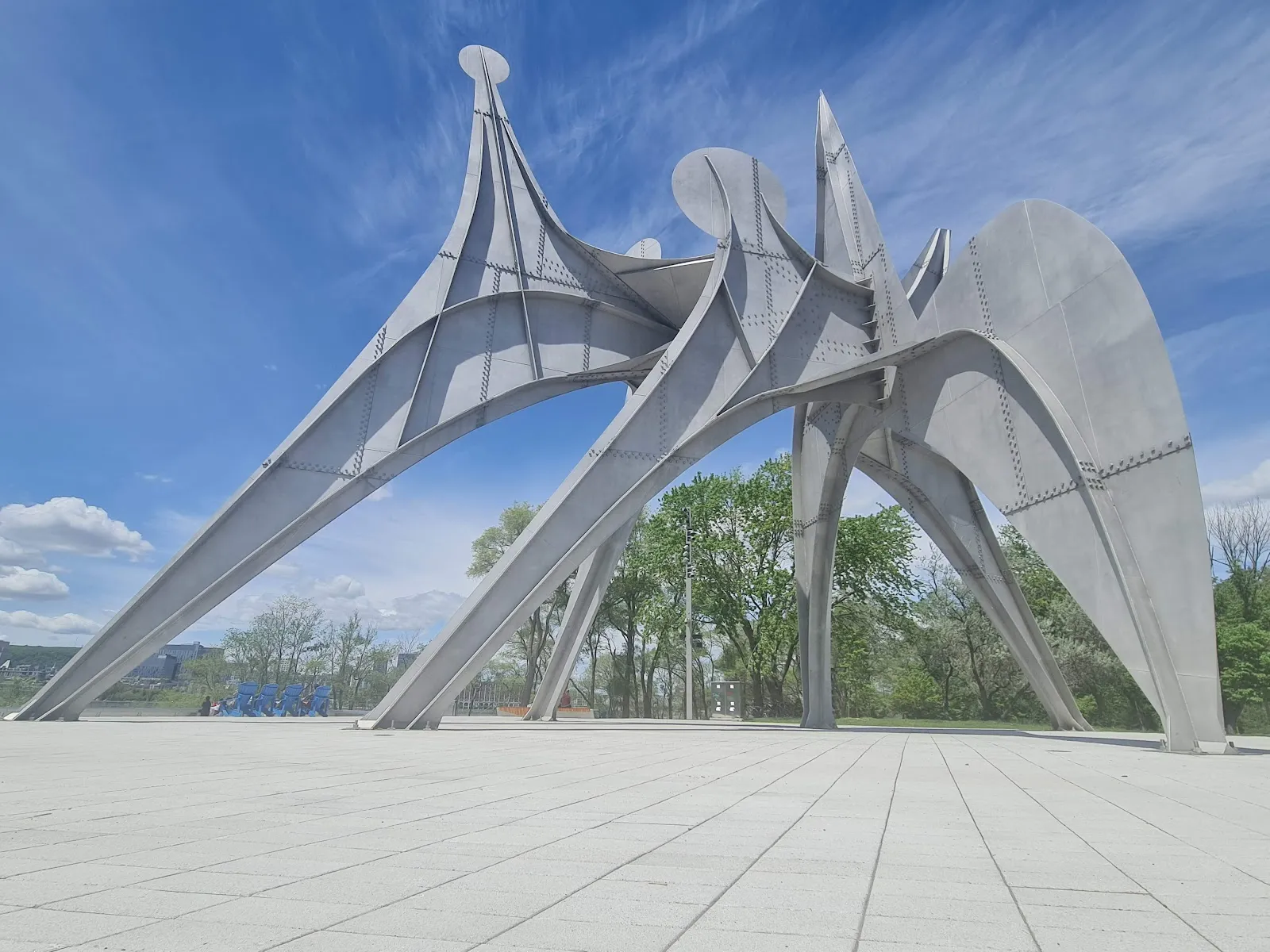
The Biosphere’s geodesic dome is one of the park’s most recognisable landmarks. It now houses an environmental museum with exhibitions on environmental issues, a green wall and gardens. Nearby, Espace 67 is a landscaped concourse linking the Biosphere with Alexander Calder’s large steel sculpture Trois disques.
Across the islands, gardens, river views and trails offer a quieter way to explore between attractions. The trail network runs past artwork and sculptures, and paths follow the water or pass through wooded areas. Benches along the lakeside paths make natural stops to rest and look back toward the city and harbour.
Plan around the activities you want
The park is large enough to fill a day, and its attractions are spread across both islands. Île Sainte-Hélène includes La Ronde, the Biosphere and the Old Fort. Île Notre-Dame has the Circuit Gilles-Villeneuve, the Formula 1 race circuit. The park also has gardens, event spaces, a beach and an aquatic complex; seasonal activities and events depend on the date.
Metro and bus connections make the park accessible without a car. Paid parking is available if you drive. For a quieter walk among the trails and gardens, choose a weekday. If your plans centre on a festival or another activity, check the official park website before travelling, since not every attraction or activity is available every day. A scooter rental can help cover more ground, though gloves are useful when riding in colder, windy weather.
Preguntas frecuentes
How much time should I plan for Parc Jean-Drapeau?
Allow at least six hours to explore a substantial part of the park. It spans two islands and has trails, gardens and attractions spread across them.
How do you get to Parc Jean-Drapeau?
The park is accessible by metro and bus. Paid parking is available if you arrive by car.
What can you see at Parc Jean-Drapeau?
Highlights include the Expo 67 Biosphere, gardens, public art, riverside trails, La Ronde, the Old Fort and the Circuit Gilles-Villeneuve.
Is Parc Jean-Drapeau free to visit?
The park has outdoor areas for walking and picnicking, as well as paid attractions and activities. Check the official website for details about the activity you plan to visit.