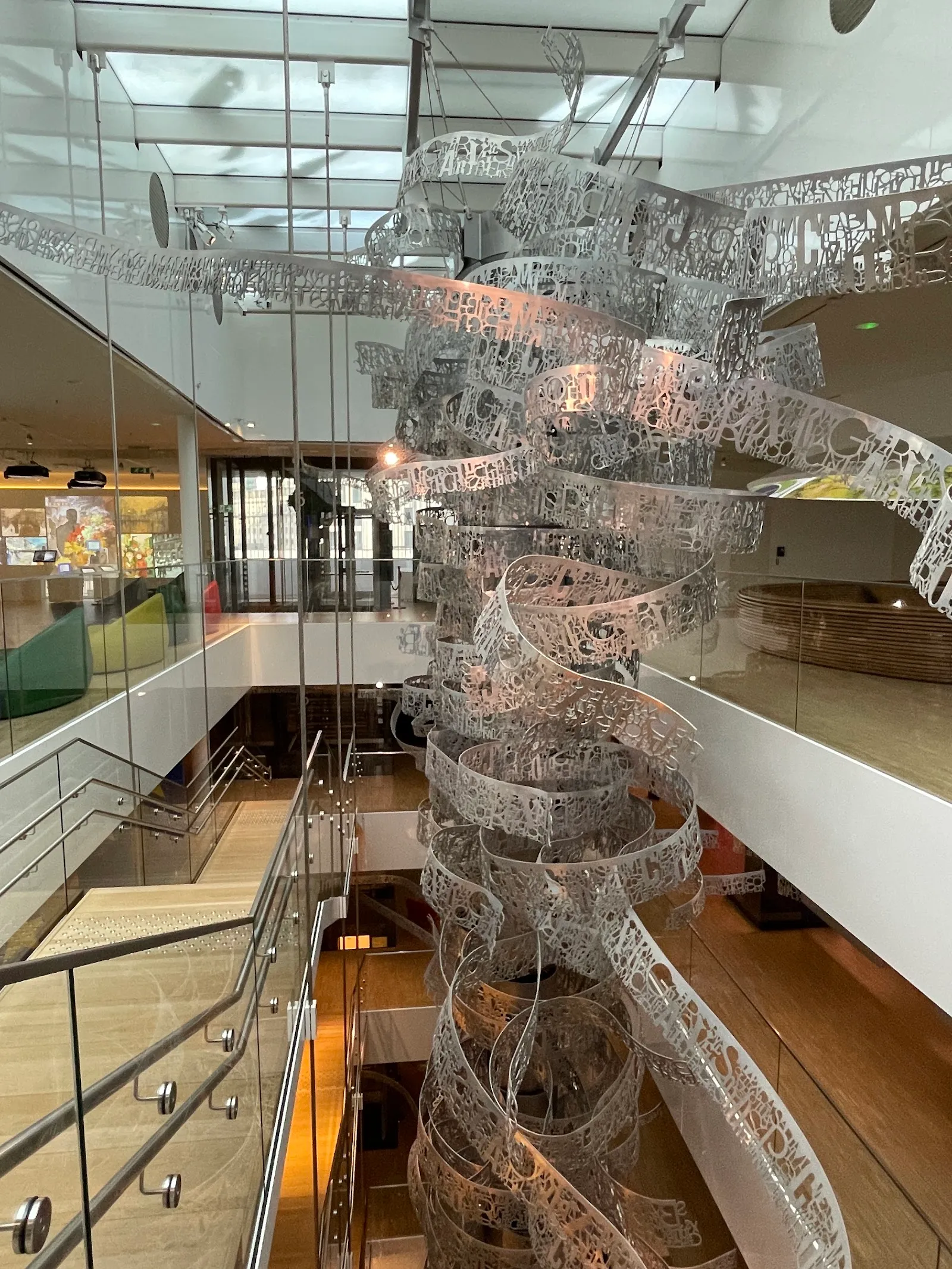
Set inside the restored Eastman Building in Parc Léopold, beside the European Parliament, the House of European History traces shared experiences and ideas across the continent. Its six floors move from Europe’s ancient roots through modernity, the world wars and the creation of the European Union. Exhibits combine objects, multimedia and a tablet guide available in 24 EU languages. Admission is free. Allow several hours if you want to explore the broad collection at a measured pace; the surrounding park gives you room for a walk afterwards.
A museum in the Eastman Building
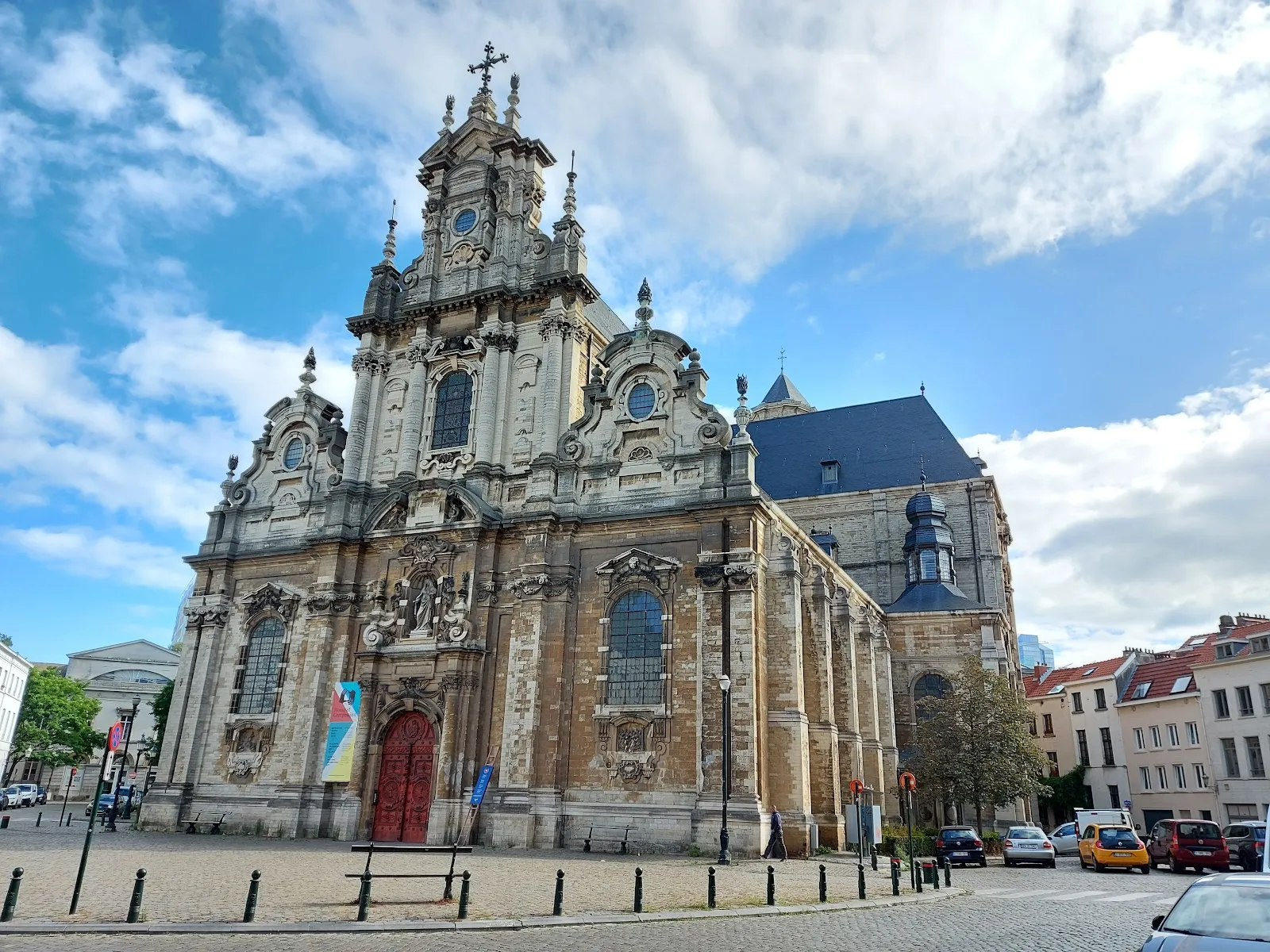
The House of European History occupies the former Georges Eastman Dental Institute in Parc Léopold, close to the European Parliament. The building was constructed in the 1930s as a philanthropic dental clinic for children from low-income families. It has since been restored and adapted as a museum. Its setting links a substantial public collection with a small park in Brussels’ European quarter.
The museum presents European history through shared events, memories and ideas, rather than attempting to recount every national history in full. That approach gives the exhibitions room to consider how the continent’s past has been understood from different perspectives. It also means the story is selective: some topics are condensed or left out as the museum moves between broad historical periods.
From Europe’s origins to the modern era
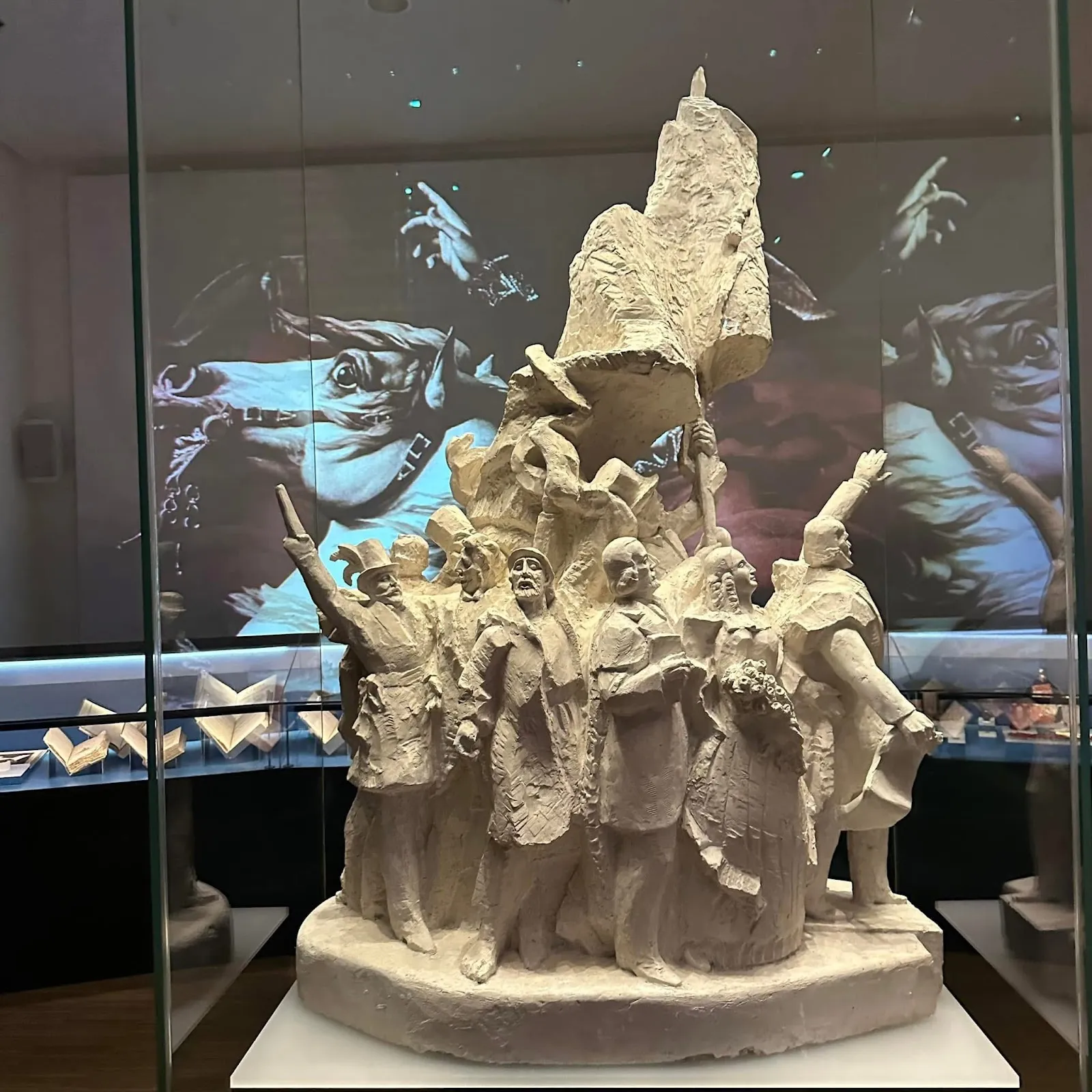
The permanent exhibition opens with the myth of Europa and Europe’s ancient roots. It then follows the continent’s changing history, including the move towards modernity in the 19th century and the upheavals of the 20th. The world wars and the rebuilding of Europe after the Second World War receive particular attention. The displays also trace the development of European integration and the creation of the EU.
Across six floors, objects and interactive elements help carry the narrative. The museum gives considerable space to political history, so visitors mainly interested in art or a detailed account of each European country may find that its focus is different from what they expect. Its strength is the broad view: how conflict, ideas and cooperation shaped a shared European memory.
Using the tablet guide
A tablet guide adds text and audio explanations to the exhibits and is available in all 24 official EU languages. It also includes a visual floor guide showing what is displayed on each level. Using it can help make sense of the museum’s broad subject matter, especially when you want more context than an object label alone provides.
Staff direct visitors as they arrive, and the tablet is collected at a separate desk upstairs. If you have a particular language need or a hearing impairment, ask staff about headphone options. Families can look for the Family Discovery Spaces and activities designed to help children engage with the subject. Admission is free, and temporary exhibitions sit alongside the permanent collection; check the museum’s website for current exhibition details before your visit.
Preguntas frecuentes
Is the House of European History free to visit?
Yes. Admission is free.
How long should I spend at the museum?
Allow at least a few hours to explore all six floors. The museum’s wide-ranging collection can take longer if you read and listen to the exhibits in detail.
What languages are available for the tablet guide?
The multimedia tablet guide is available in all 24 official EU languages.
Where is the House of European History?
It is in the former Eastman Building in Parc Léopold, beside the European Parliament in Brussels.