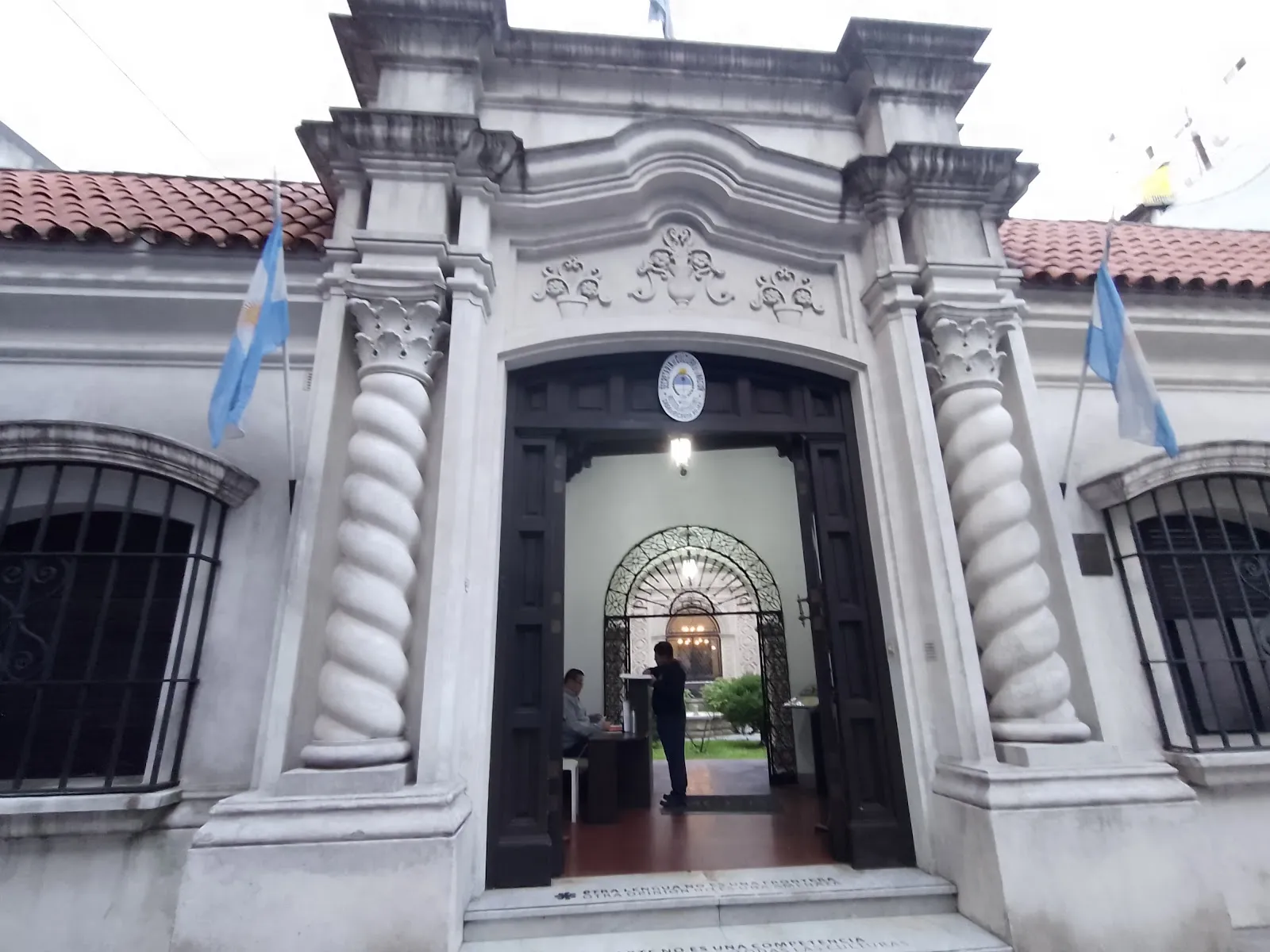
Casa Museo Ricardo Rojas is a house museum in Buenos Aires, at Charcas 2837, where the Argentine writer lived from 1929 until his death in 1957. Its neocolonial design, inspired by a Peruvian palace, sets the scene for a visit focused on the family’s history, Rojas’s writing and art and objects connected with his life. Walk through the rooms, then pause in the quiet garden before returning to the city. Admission is free, so it suits a short stop when you are in the neighborhood.
The house and its design
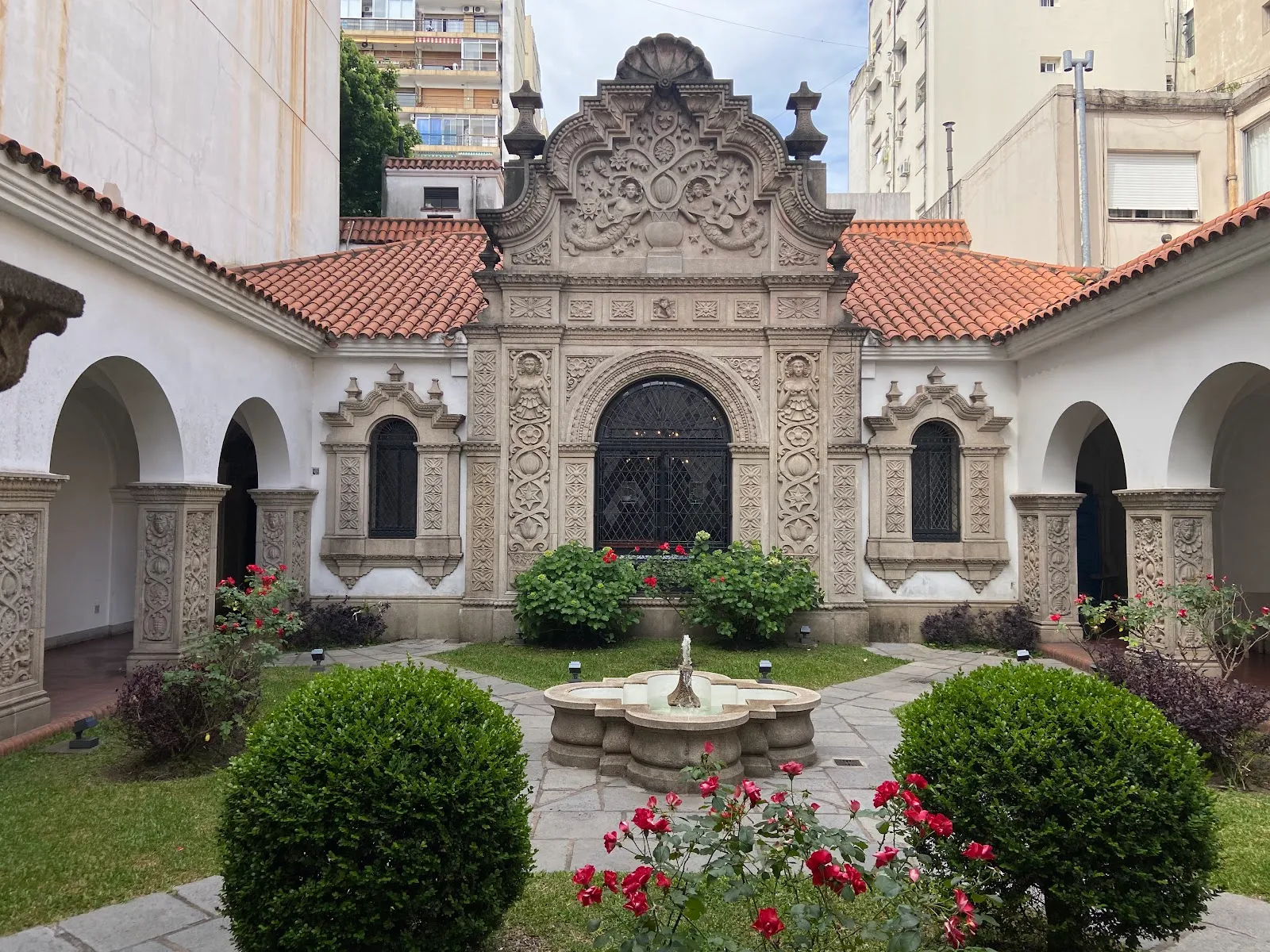
Casa Museo Ricardo Rojas occupies the home where the Argentine writer lived from 1929 until his death in 1957. The building was designed by architect Ángel Guido in 1927, drawing on Rojas’s book Eurindia. That work proposed a new interpretation of American history, and the house’s design brings his ideas into the place where he lived.
The architecture is neocolonial, with inspiration from a Peruvian palace. Its decorative details and the art and objects inside make the building a central part of the visit. Plan time to look at the rooms as well as the items connected with Rojas and his family.
Rojas’s writing and family history
The museum presents an intimate account of the writer’s family and life at home. Its objects and artworks offer context for Rojas’s cultural ideas and his writing about the influences that shaped identity in the Americas, including Indigenous and European traditions.
Information in the museum is in Spanish. The displays are laid out in a way that visitors have found straightforward to follow. Admission is free, and a visit can fit into an hour or so.
A pause in the garden
Before leaving, spend a little time in the garden. It provides a quiet place to sit, even though the house is close to Buenos Aires’s main streets. The museum is a short visit for anyone already in the area, with the architecture, family history and garden giving you distinct reasons to stop.
Preguntas frecuentes
Where is Casa Museo Ricardo Rojas?
It is at Charcas 2837 in Buenos Aires.
Is admission free?
Yes, admission is free.
How long does a visit take?
Allow about an hour to see the house and spend time in the garden.
What is the house’s architectural style?
It is neocolonial in style and was inspired by a Peruvian palace.