
Near the Han River and the western end of Dragon Bridge, Da Nang Museum of Cham Sculpture brings together more than 300 stone and terracotta works from the Champa civilization. Carved between the 7th and 15th centuries, the sculptures include Hindu deities, apsaras, garudas, altars and architectural fragments. The collection gives you a close look at Cham religious art and the sites where it was found. The museum’s early 20th-century building combines French colonial design with Cham architectural details, making the visit rewarding both inside and out.
A museum built around Cham sculpture
Da Nang Museum of Cham Sculpture was established by French archaeologists working with the École Française d’Extrême-Orient. The first building was constructed from 1915 to 1916, and the museum opened in 1919. The collection had begun earlier: from 1895, Cham sculptures found in Da Nang, Quang Nam and nearby areas were gathered at the site, then known as Tourane Park.
The museum was created to preserve and display art from the Champa kingdom, which flourished in central Vietnam. Its sculptures came from temple and tower sites across the region, including My Son, Tra Kieu, Dong Duong and Thap Mam. The pieces span several centuries, with many dating from the 7th to the 15th century.
What to look for in the galleries
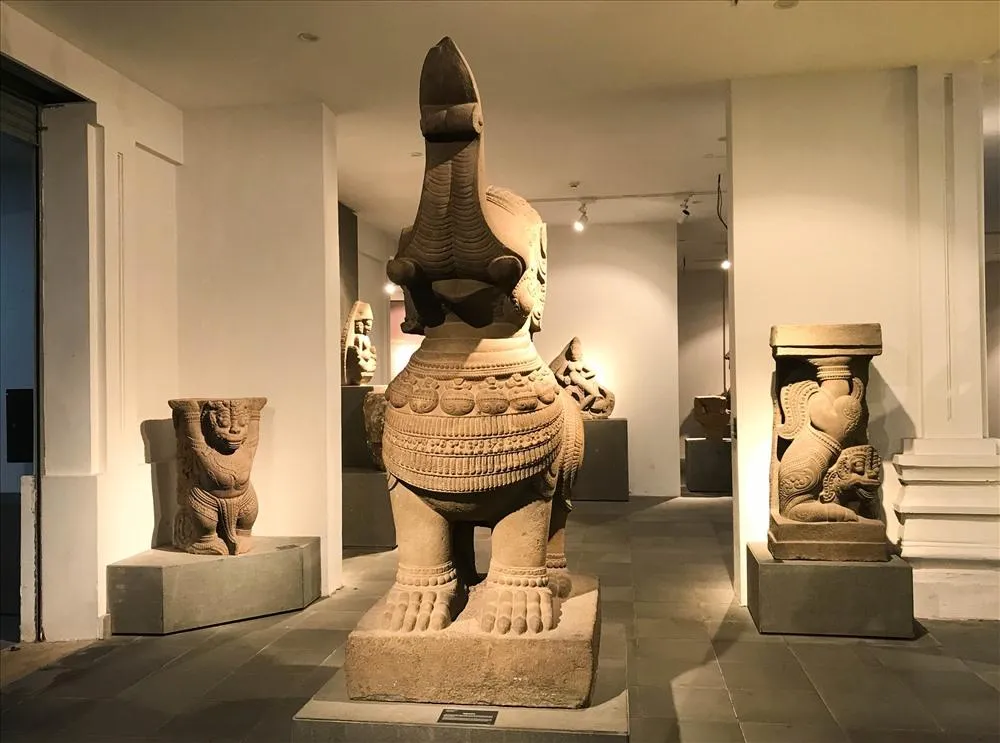
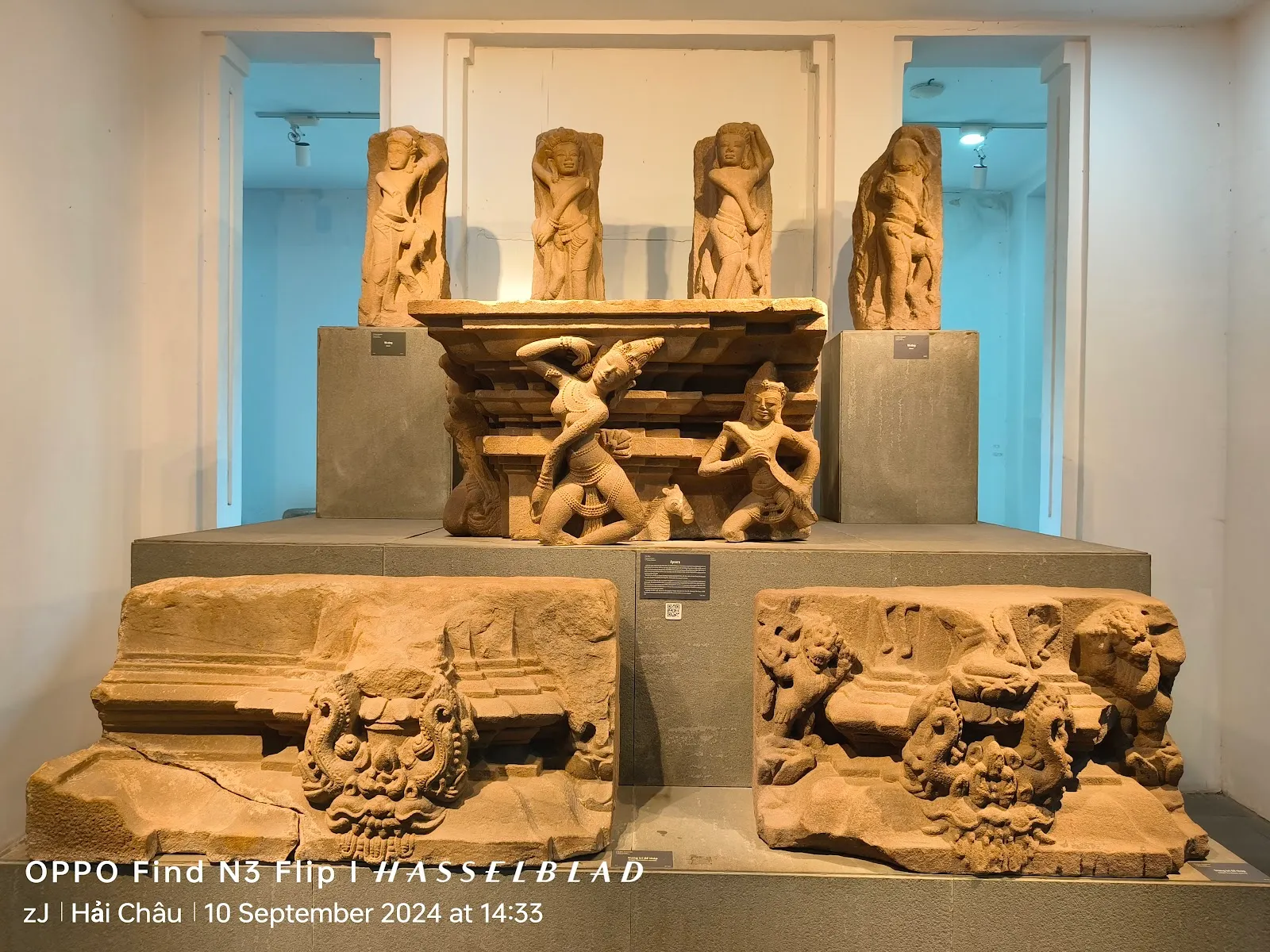
More than 300 stone and terracotta works are on display. Among them are statues, altars, steles, lingas and architectural fragments. Hindu figures include Shiva, Brahma, Vishnu and Ganesha; other works depict apsaras and garudas. The carvings show how Cham artists represented religious figures and decorative forms in stone.
The galleries are arranged by the places where the works were discovered. This makes it possible to compare sculpture from different archaeological sites as you move through the collection. Works associated with Tra Kieu and My Son include notable sandstone carvings, while objects from other sites show the range of forms made across the Champa kingdom. Gallery explanations are limited, so some background reading can help put the objects in context.
The building and practical details
The original museum building dates to the French colonial period and has been expanded since its construction. Its design combines French architectural features with forms inspired by Cham temple towers. Pointed arches and large windows bring light into the exhibition spaces, while the historic exterior gives the museum a distinct character.
The museum is at 02 Đ. 2 Tháng 9, near the Han River and the western end of Dragon Bridge. It is open daily from 7 am to 5 pm. A listed MP3 audio guide costs 20,000 VND; hiring one requires showing identification or leaving a refundable US$50 bond. The museum recommends getting tickets in advance. Allow 2 to 3 hours if you want time to move through the galleries without rushing.
Perguntas frequentes
How long should I spend at Da Nang Museum of Cham Sculpture?
Allow 2 to 3 hours to explore the sculpture galleries at an unhurried pace.
What can you see at the museum?
The collection includes more than 300 Cham stone and terracotta works, among them statues, altars, lingas, steles and architectural fragments.
Does the museum have an audio guide?
An MP3 audio guide is listed at 20,000 VND. You need to show identification or leave a refundable US$50 bond to hire one.
When is Da Nang Museum of Cham Sculpture open?
The museum is open daily from 7 am to 5 pm.


