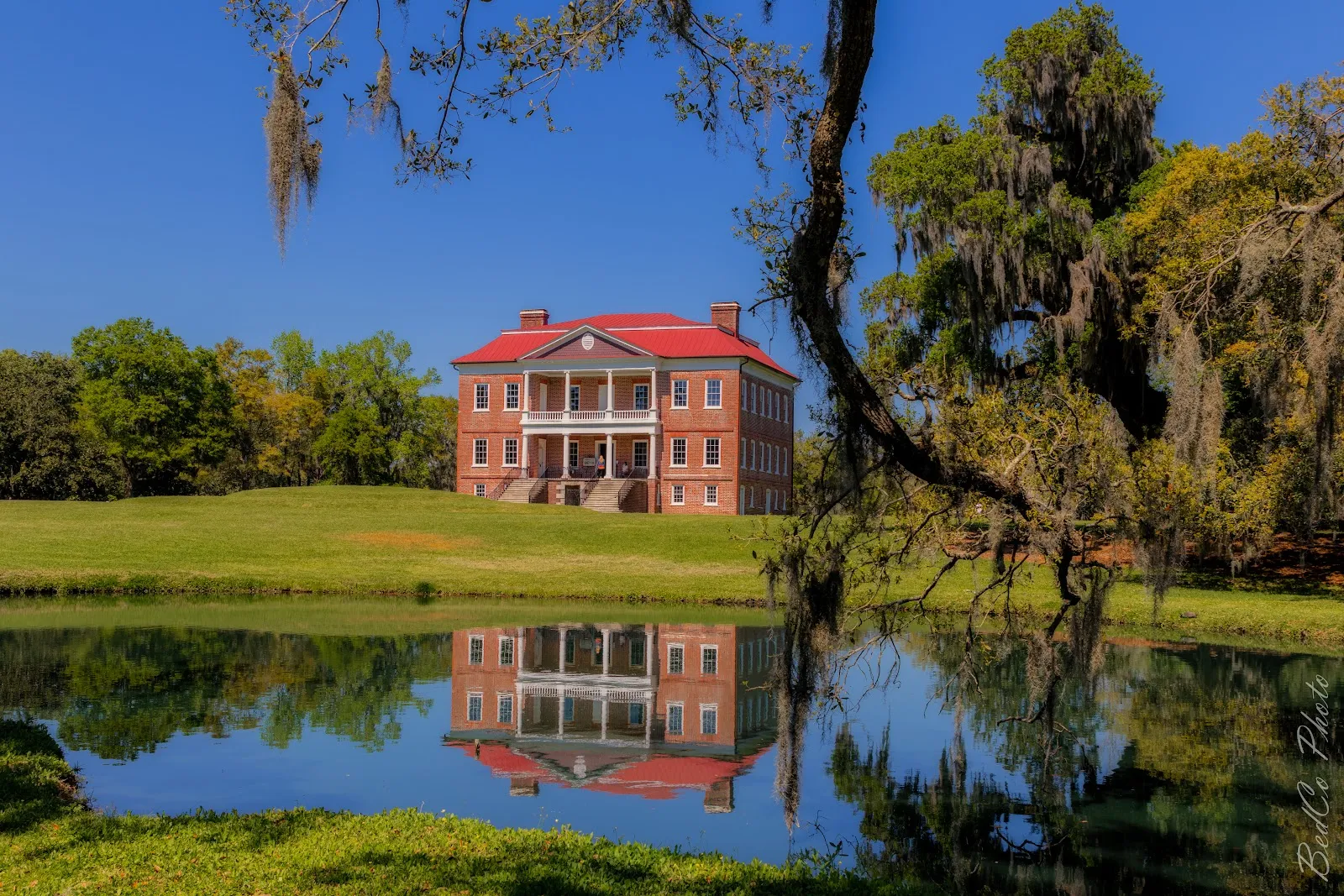
Drayton Hall is an 18th-century plantation house on Ashley River Road in South Carolina, known for its Georgian-Palladian architecture and unusually intact, unrestored interior. A guided house tour shows the building’s design and craftsmanship; exhibits and archaeological finds address the lives of enslaved people who lived and worked on the plantation. Outside, explore the grounds beneath live oaks, with views of the river, and visit the cemetery, museum exhibits and gift shop. The house tour takes about 1 to 1.5 hours, with time to walk the grounds afterward.
An unusually intact 18th-century house
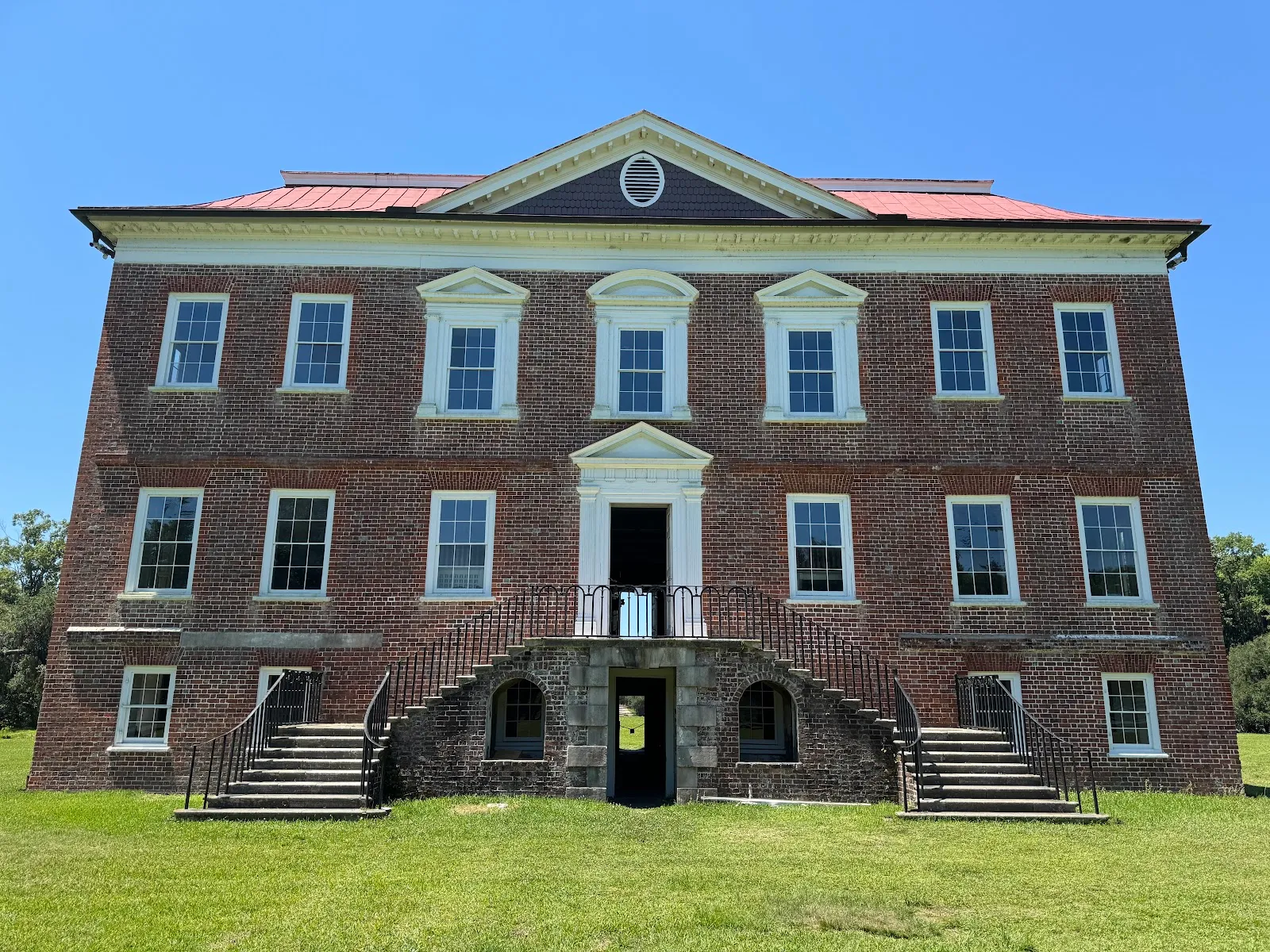
Built for John Drayton in 1738, Drayton Hall is the oldest unrestored plantation house in America still open to the public. It is also the only plantation house on the Ashley River to have survived both the Revolutionary War and the Civil War intact.
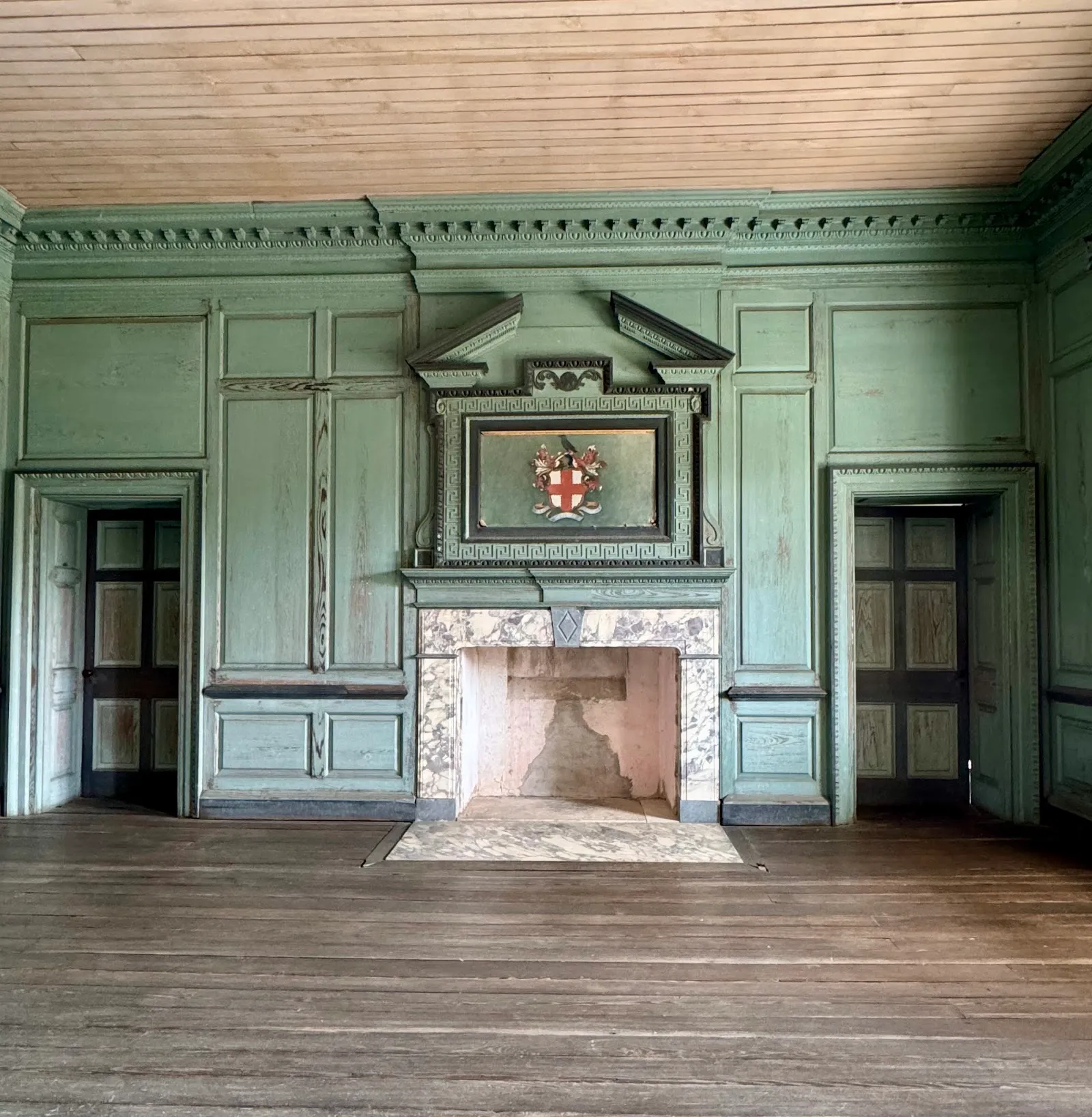
The house was preserved rather than returned to a chosen period through restoration. That decision leaves its alterations and imperfections visible, along with original architectural details. Its Georgian-Palladian design is expressed in the layout and symmetry of the building, while hand-carved woodwork and plasterwork show the skill invested in its interiors.
The main house has no plumbing or electric lighting and is sparsely furnished. Its rooms are best understood through the architecture itself: the walls, floors, fireplaces and decorative details have not been made to look like a fully furnished period home.
House tours and archaeological collections
A guided tour is the way to see inside the main house. Tours cover the architecture and the site’s history, and typically last about 1 to 1.5 hours. Afterward, visitors can continue around the grounds with an audio tour.
The exhibits bring archaeological work into the visit. Objects recovered during excavations span the 17th to 19th centuries and offer evidence about people whose lives are not fully recorded in written documents, including enslaved Africans and Native Americans. Interactive displays and diary entries also address Black history and daily life under slavery.
The visitor buildings include a museum area with artifacts, a short historical film and a gift shop that carries books and local art. A conservation laboratory on the property is part of the site’s preservation work.
Grounds, river and cemetery
The grounds include live oak trees, open lawns and views toward the Ashley River. Walking the property adds a sense of the plantation’s setting beyond the house, and small cottages can be explored independently. The site also includes a historically inspired garden and an African American cemetery.
The plantation’s history includes the wealth and lifestyle of the Drayton family, as well as the work of enslaved people who maintained the property and worked its land. Exhibits and archaeological collections give visitors ways to consider these histories alongside the surviving architecture. Allow time after the house tour to see the grounds and displays at your own pace.
Perguntas frequentes
Do you need a guided tour to enter Drayton Hall?
Yes. A guided house tour is required to see inside the main house. The grounds can be explored afterward.
How long does a visit to Drayton Hall take?
The guided house tour lasts about 1 to 1.5 hours. Around 2 hours allows time for the tour and a walk around the grounds.
Can you save on admission by booking online?
The supplied visit information says online booking saves $3. Admission prices are not included here.
What can you see beyond the main house?
You can explore the grounds, see the African American cemetery, visit the museum exhibits and view archaeological artifacts. Small cottages can be explored independently.