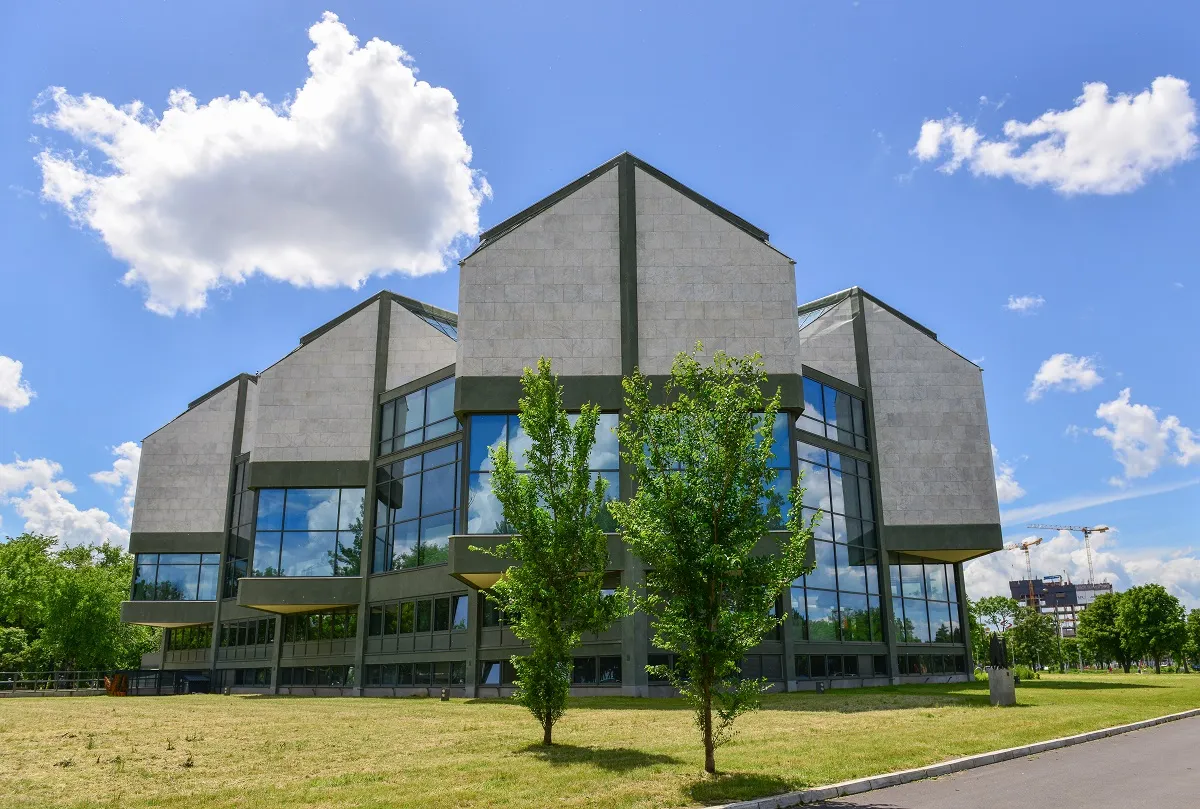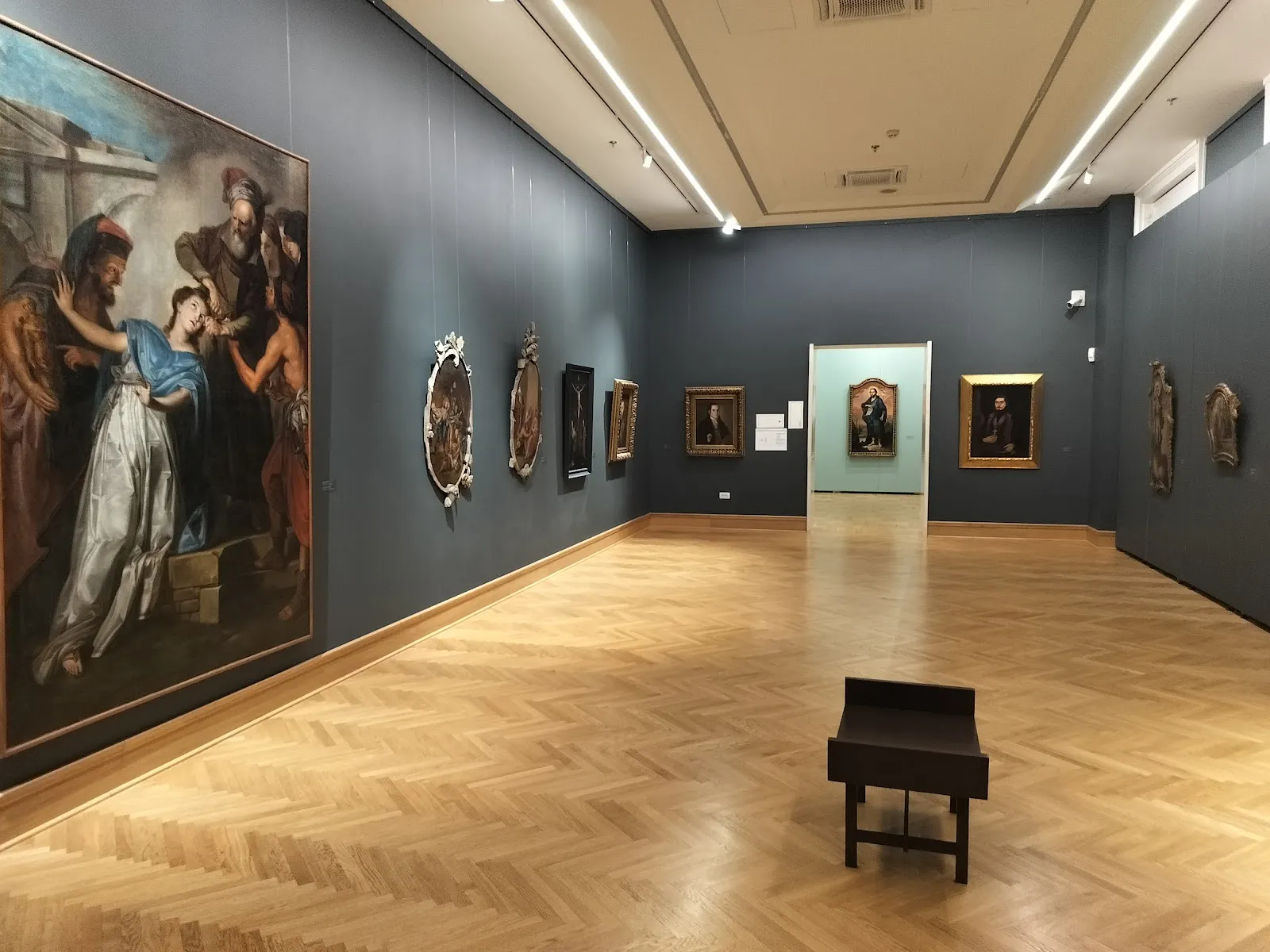
On Republic Square in central Belgrade, the National Museum of Serbia brings archaeology, history and art together across three floors. Its collections span from prehistoric finds to modern works, with marble and bronze sculpture, oil paintings and displays arranged to follow historical periods. English captions help you navigate the galleries, which include both Serbian and European art. Set aside time to explore: the museum’s range extends from ancient objects and coins to paintings by artists such as Paja Jovanović, and there is enough to see for a substantial visit.
A museum on Republic Square
The National Museum of Serbia stands at Trg Republike 1a, facing Republic Square in the centre of Belgrade. Founded in 1844, it is the country’s oldest museum. The present building was constructed in 1903, and its central location makes it easy to include alongside a walk through the city centre.
The collection covers archaeology, numismatics, history and art. More than 400,000 objects are held by the museum, grouped into collections by period and subject. The displays take visitors from the region’s earliest history through to modern times, with Serbian heritage presented alongside material from the wider Balkans and Europe.
From ancient objects to paintings
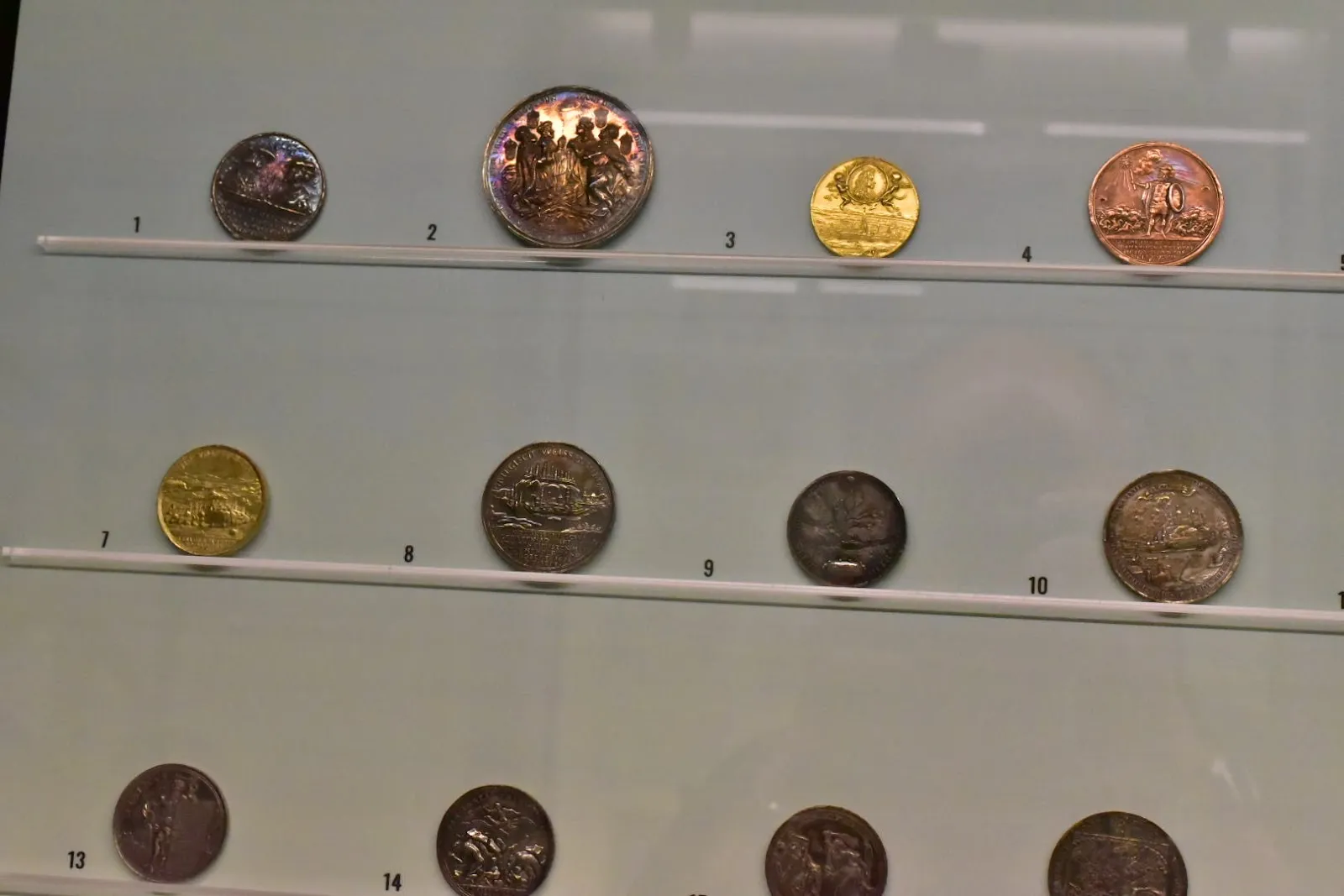
The ground-floor galleries focus on archaeology. Displays include objects from prehistoric, pre-Roman and Roman periods, as well as coins and banknotes used in Serbia. A marble bust of Emperor Marcus Aurelius is among the works noted in the collection, and the numismatic holdings extend from Roman coinage to more recent currency.
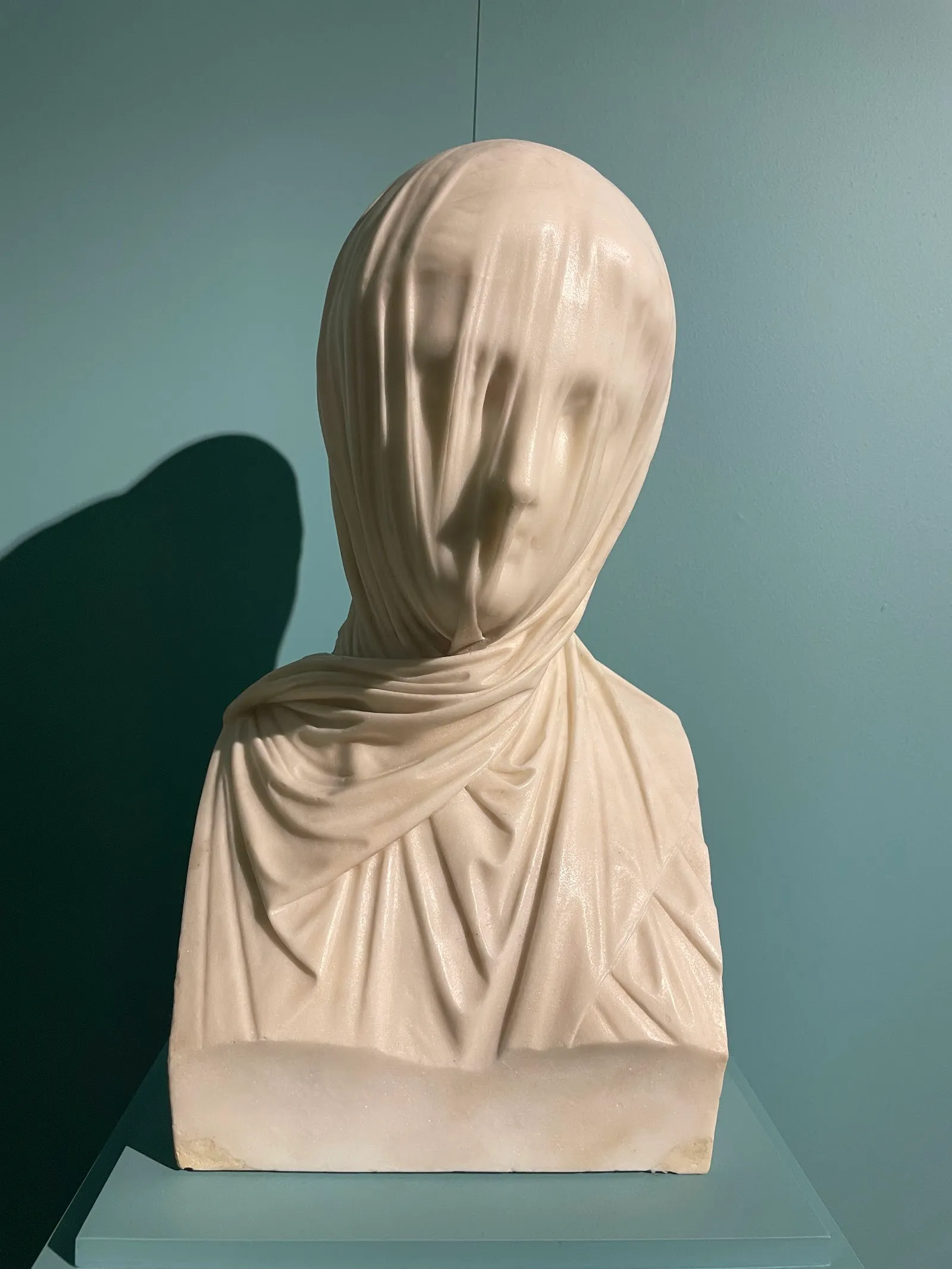
Art occupies much of the upper floors. The paintings include Serbian works from different periods and European art, while sculptures in marble and bronze add a different scale and texture to the galleries. Paja Jovanović is one of the Serbian artists represented. Some displays combine traditional objects with large digital panels, adding historical context to the exhibits.
Planning time for the galleries
The displays follow a chronological structure, which helps you move from archaeological material towards later art and history. English captions are available throughout the three-storey museum. Because the collection is extensive, a quick walk-through will leave little time to examine individual works; allow more than two hours if you want to explore at an unhurried pace.
Weekdays are a useful choice if you prefer to visit when the museum is less crowded than it tends to be at weekends. The building has restrooms and a restaurant, and its entrance and restroom are wheelchair accessible. Reflections on display cases can interfere with photography in some archaeology galleries, so change your angle when taking pictures and follow any photography notices in the rooms.
Perguntas frequentes
Where is the National Museum of Serbia?
It is at Trg Republike 1a on Republic Square in central Belgrade.
How long should I spend at the museum?
Allow at least two hours to explore its three floors and extensive collections.
Are English captions available?
Yes. English captions are available throughout the museum.
Is the museum open on Mondays?
No. The museum is closed on Mondays.