
The Museum of Occupations and Freedom Fighters is housed in a former KGB headquarters at Aukų g. 2A in Vilnius. Its exhibitions trace Lithuania’s Nazi and Soviet occupations, repression and resistance, using photographs, documents, personal accounts and objects. The basement is the most affecting part of a visit: former prison cells, interrogation rooms and an execution space remain inside the building. Allow time for the detailed displays, and be ready for difficult subject matter, especially below ground.
Exhibitions on occupation and resistance
The museum documents Lithuania’s experience under Nazi and Soviet occupation, as well as the struggle for freedom. Its exhibitions include photographs, documents, written accounts and objects, with material on arrests, deportations and resistance. Several displays focus on partisan fighters, including the Forest Brothers, who opposed Soviet rule from the surrounding forests.
The historical material spans the years from 1940 to 1991. Displays also address propaganda and the way political power shaped public life. Much of the information is presented in text, so moving through the upper floors takes time. English translations appear on many exhibits, and an audio tour can add context to the displays.
The former prison in the basement
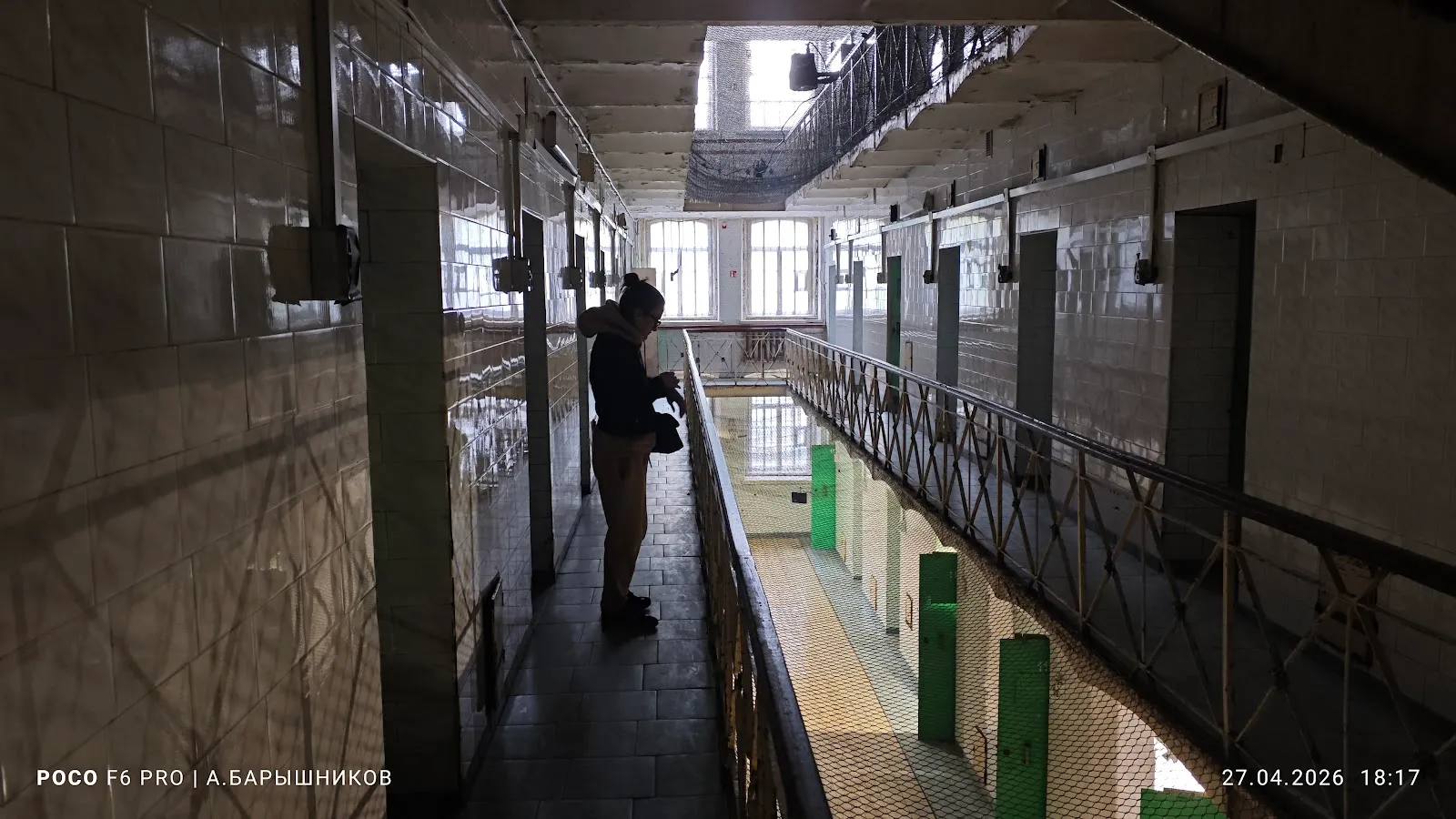
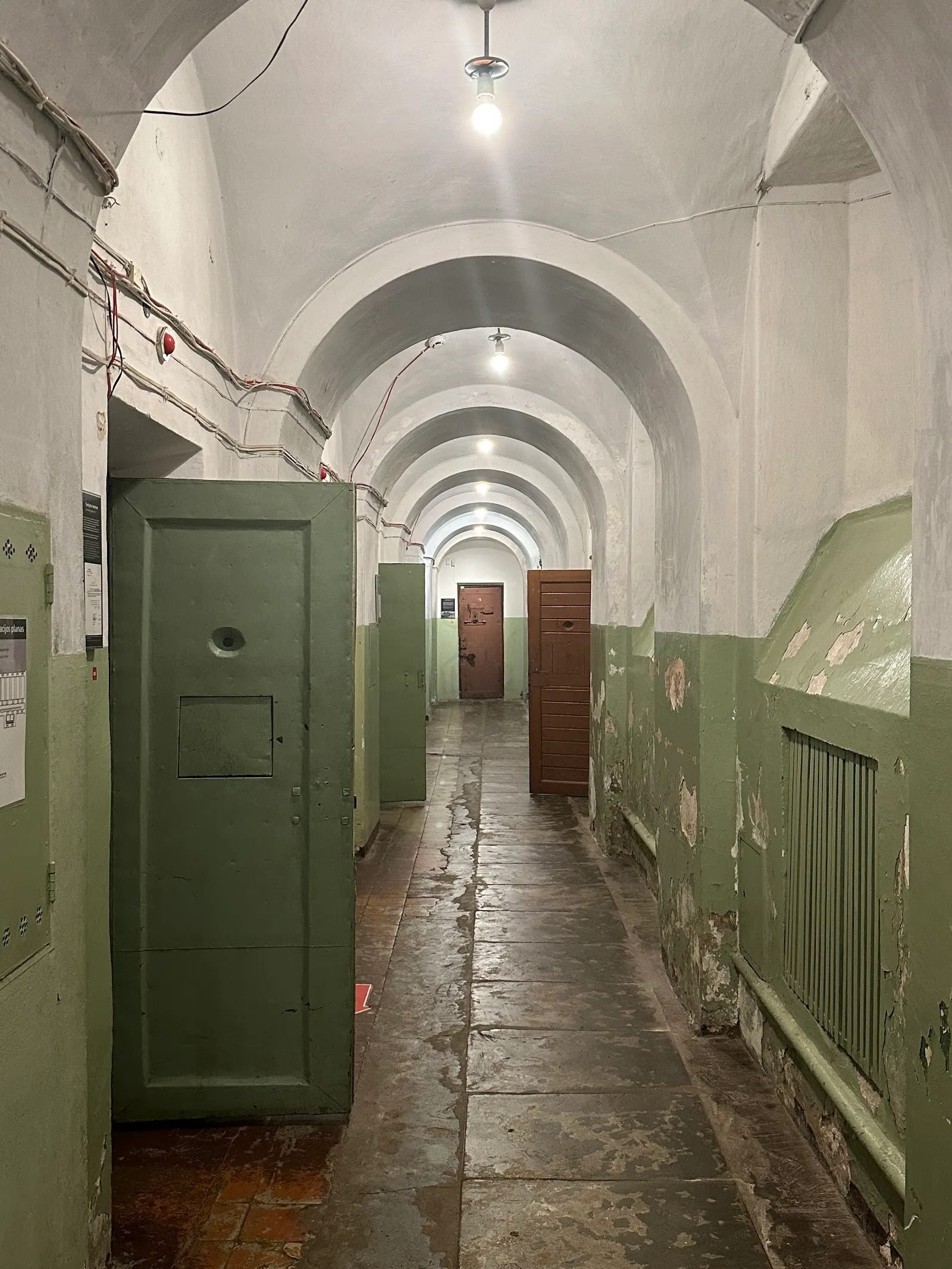
The building’s basement contains the former KGB prison. You can enter cells and see rooms connected with interrogation and executions. The spaces make the museum’s history immediate: these are the rooms where people were detained and subjected to violence. The execution area and its accompanying video are particularly difficult to experience.
The basement was preserved as the Soviet secret police left the building in August 1991. Its prison spaces are a central part of the visit, but the content is not suitable for everyone. Give yourself time to take in the exhibits, and consider whether you feel ready to see the cells and execution area.
A building used by successive authorities
The museum is at Aukų g. 2A, in a building associated with successive periods of occupation. It served as the headquarters of the Gestapo during the Nazi occupation and later as the KGB headquarters. The prison below ground is part of that history.
Today, the museum’s displays connect the building’s use to the wider history of occupation, imprisonment and resistance in Lithuania. The site is both an exhibition space and a memorial to those who suffered and those who fought for freedom. Its detailed accounts and preserved rooms make the visit a serious one, rather than a light stop between other sights.
Perguntas frequentes
What can you see at the Museum of Occupations and Freedom Fighters?
Exhibitions cover Lithuania under Nazi and Soviet occupation, repression and resistance. In the basement, you can visit former prison cells, interrogation rooms and an execution space.
How long should I allow for a visit?
Allow at least 3 to 4 hours to explore the detailed exhibits without rushing. One account describes a visit of about an hour and a half, so the time depends on how closely you read the displays.
Is the museum suitable for children?
The museum includes distressing material and preserved prison and execution spaces. Consider the subject matter before bringing children.
Is the museum open every day?
It is closed on Monday and Tuesday. It is open Wednesday through Saturday from 10 a.m. to 6 p.m. and Sunday from 10 a.m. to 5 p.m.


