The San Sabba Rice Mill National Monument and Museum in Trieste occupies a former rice-processing complex used by Nazi forces during the Second World War. Its preserved buildings and museum tell the story of the camp and the people imprisoned there. Exhibits include personal records, objects and testimonies; the stark remains of the crematorium are part of the memorial. Allow time to read and reflect, and consider the audio guide for added historical context. This is a solemn visit, approached with quiet and respect.
A rice mill turned wartime camp
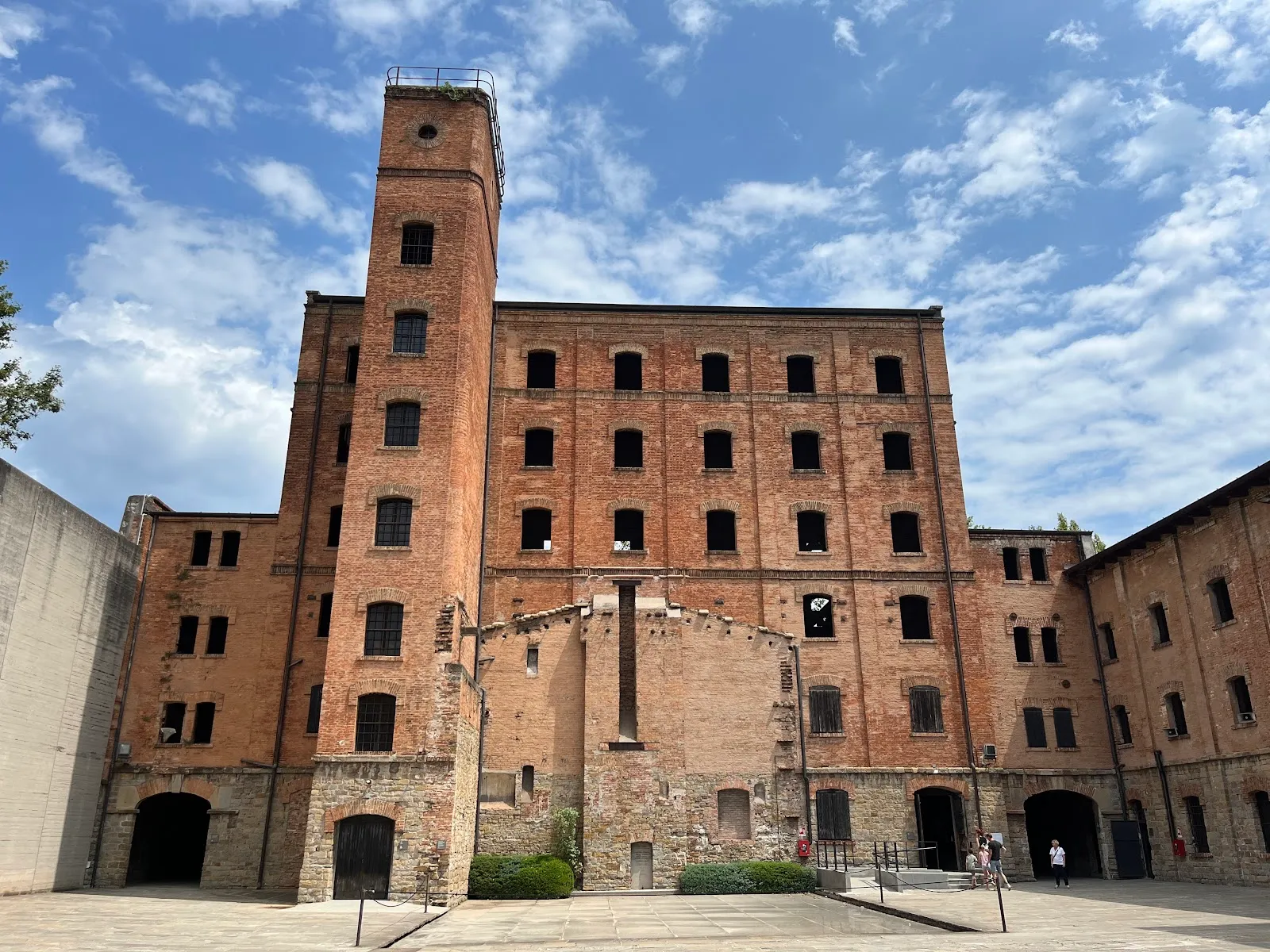
The complex began as a rice-husking plant, built in 1898. During the German occupation of Trieste in 1943, it was converted into a camp. Nazi and fascist authorities imprisoned people there, including political opponents, hostages and Jews. The site was also used for the killing of prisoners.
San Sabba is recognized as a national monument. Its history connects the occupation of Trieste with the wider persecution carried out in this part of Italy between 1943 and 1945. The buildings are a direct part of that history, not simply a setting for the museum.
What to see inside
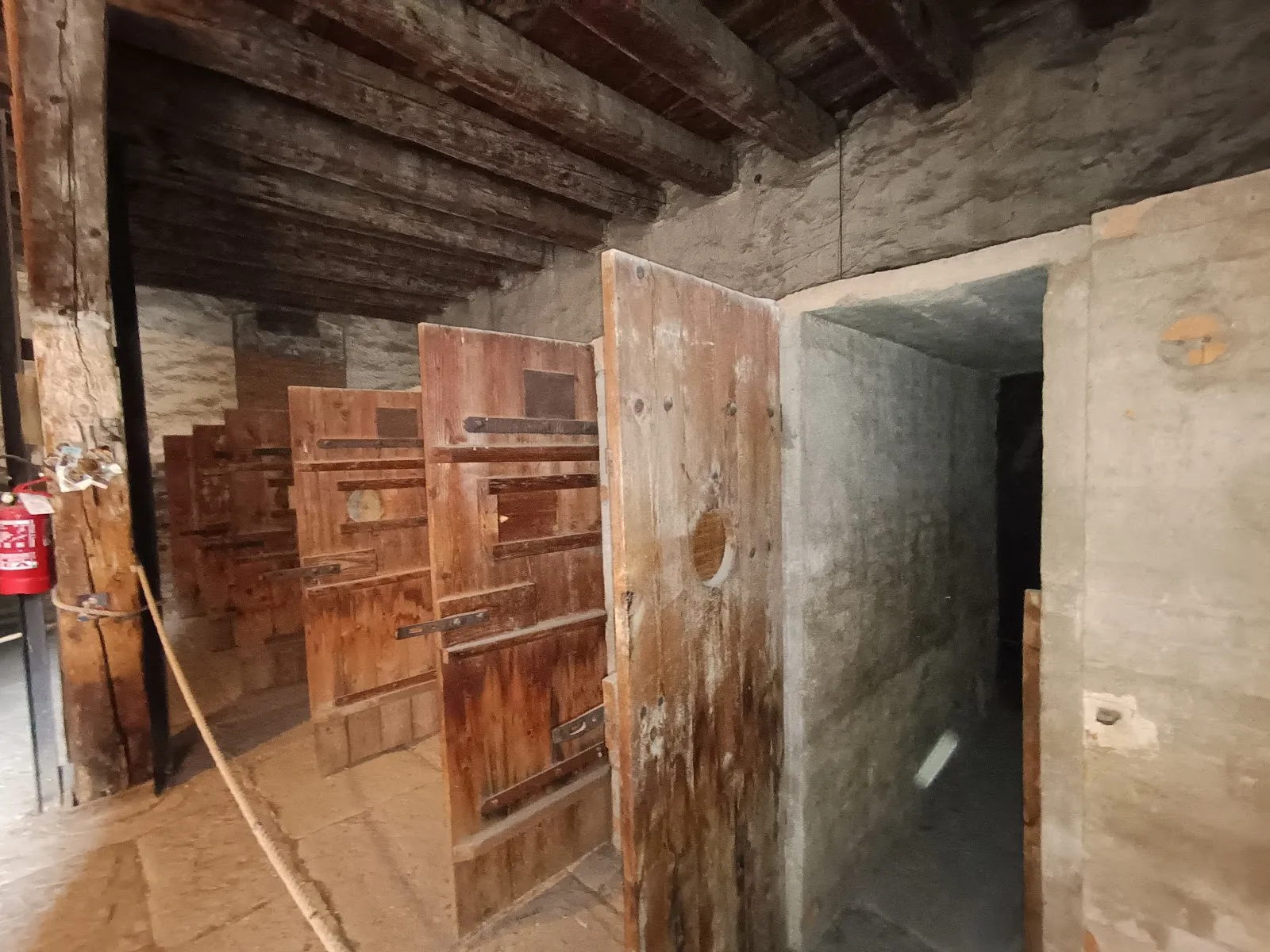
The museum presents objects, journals, weapons and testimonies related to the camp and the events that took place there. As you move through the former complex, the exhibits and surviving structures provide different ways to understand the site. The remains associated with the crematorium are also part of the memorial.
Some of the complex was destroyed by the retreating Nazis, and the site has since been rebuilt with a restrained approach. The stark architecture and quiet atmosphere support a visit centred on remembrance. Take time with the displays rather than treating the museum as a quick stop.
Planning a respectful visit
An audio guide is available for a small fee and provides additional background as you explore the grounds. Information in the museum is available in Italian and English, so the guide is an option rather than the only way to follow the story.
The visit can be emotionally demanding. Tissues may be useful, and a quiet manner helps preserve the memorial atmosphere for other visitors. If arriving by car, a nearby supermarket car park is noted as a practical place to park.
Perguntas frequentes
Is there an entry fee for San Sabba Rice Mill?
The available information is inconsistent about admission, so check the museum’s official website before your visit. The audio guide has a separate small fee.
What is the San Sabba Rice Mill known for?
The former rice mill was used as a Nazi camp during the German occupation of Trieste in 1943. It is now a national monument and museum commemorating those imprisoned and killed there.
Is an audio guide available?
Yes. It is available for a small fee and adds historical context as you explore the museum and grounds.
How should I behave during a visit?
The site is a memorial to people persecuted and killed there. Keep your voice low and behave respectfully.