
Palazzo Madama stands in Piazza Castello in central Turin, where Roman, medieval and Baroque layers meet in one building. It began as a Roman city gate, became a fortress and castle, and later gained its grand Baroque front. Today it houses the Civic Museum of Ancient Art, with collections spanning several periods. Look for the monumental staircase, Roman remains visible below, restored palace rooms and the view from the tower. The gardens add a quieter pause between the museum’s galleries.
A building shaped by several eras
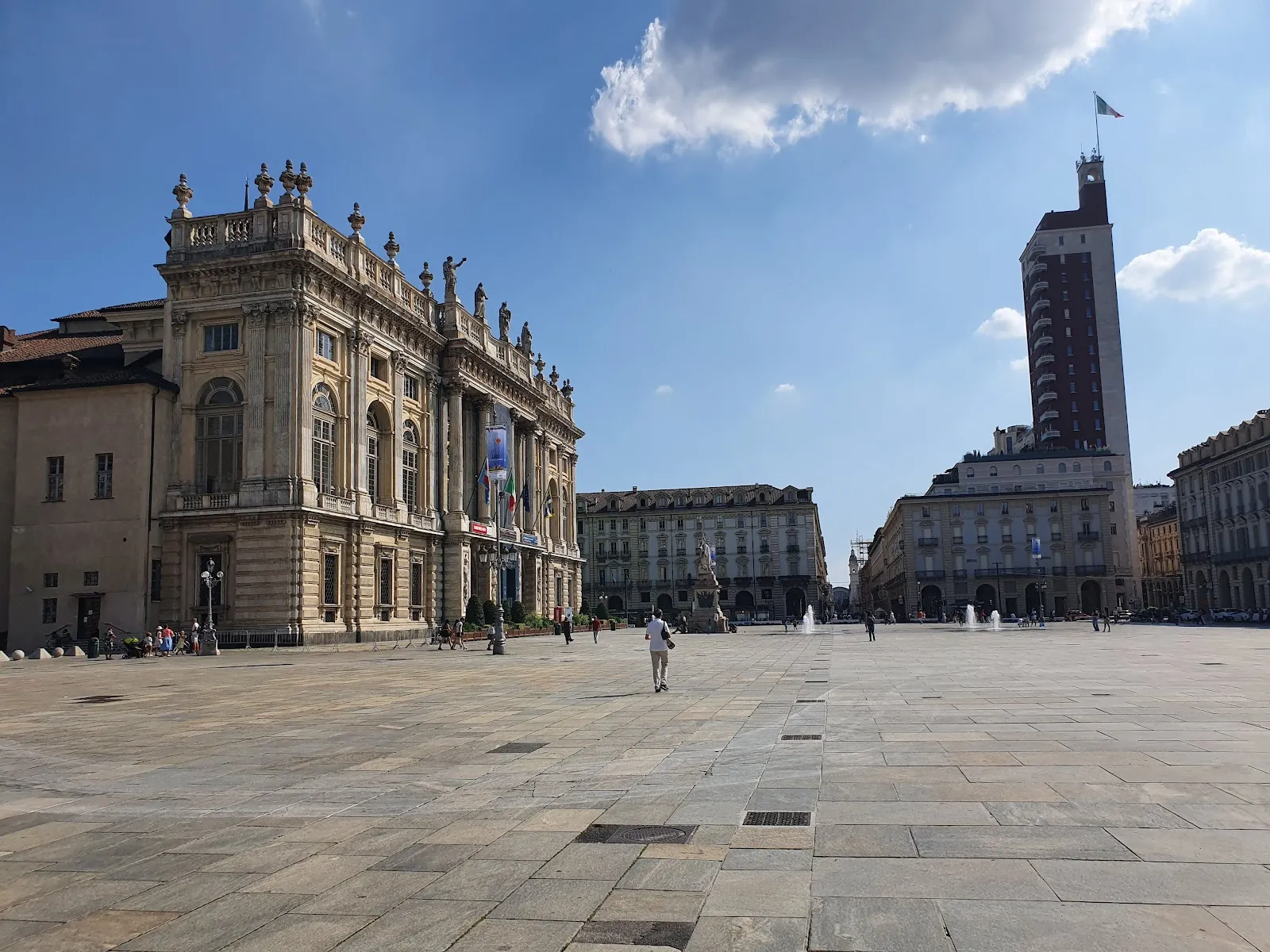
Palazzo Madama occupies Piazza Castello, in the historic centre of Turin. Its changing appearance reflects the many roles the site has held. A Roman gate once stood here; later, a medieval fortress and castle rose around it. The building was then transformed into a residence for women of the House of Savoy, giving the palace its name.
The Baroque façade is only one part of the story. Walk around the building and the medieval structure becomes clearer, while the Roman remains can be seen below. The contrast between the formal front and the older parts makes the palace an architectural visit as well as a museum stop.
From royal residence to museum
The palace’s history is tied to the Savoy court. In the seventeenth century, Christine Marie of France, regent for her son, chose it as her residence. Later changes gave the building its Baroque character. Filippo Juvarra is associated with the grand façade and the monumental staircase, one of the interior’s defining features.
Palazzo Madama also held civic and political roles. It became the first seat of the Senate of the Kingdom of Italy. Today, the Civic Museum of Ancient Art occupies the palace, bringing art and objects from different periods into rooms that are themselves part of the visit.
What to look for inside
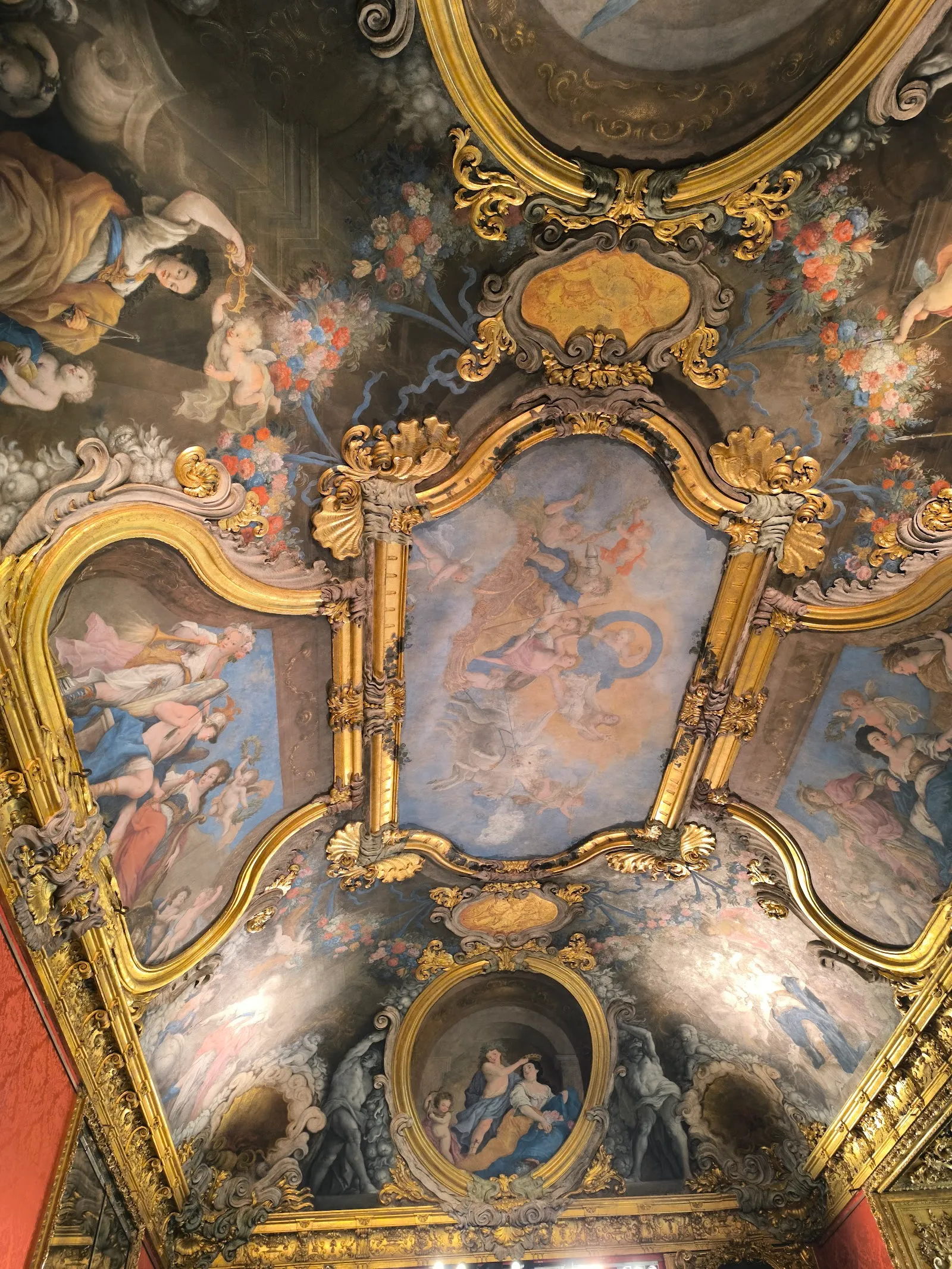
The museum’s collections span ancient, medieval, Renaissance and Baroque art, with decorative works among the holdings. The displays include sculpture, paintings, ceramics, furniture and objects made in different materials. Some rooms retain a palace setting, so the interiors and the collection can be viewed together rather than as separate parts of the visit.
In the lower level, Roman remains give a closer look at the site’s earliest history. A glass floor lets you look down toward the ancient structures. Elsewhere, the museum’s rooms trace later periods through their art and furnishings. Take time to move through the floors instead of focusing only on the most ornate spaces.
The tower and garden
The tower gives a broad view across Turin and its rooftops. Access is by elevator, and the tower is a useful final stop after the galleries. The palace garden offers a calmer break from the interiors; it has archaeological and historic elements, including a lapidarium. Visitors have also spotted squirrels there.
The museum’s route and interpretation can be uneven: some labels are in Italian, and the signs may not always make the next part of the visit obvious. Build in time to find your way between floors and exhibitions. Advance ticket booking is recommended, and choosing a quieter period can leave more space to study the rooms and collections.
Perguntas frequentes
Where is Palazzo Madama?
It is in Piazza Castello, in the historic centre of Turin.
What can you see at Palazzo Madama?
The palace combines Roman remains, medieval structures and Baroque interiors. It houses the Civic Museum of Ancient Art, with collections including sculpture, paintings, ceramics and furniture.
Can you go up the tower?
Tower access is by elevator. The visit information recommends going up for views over Turin.
Should I book Palazzo Madama tickets in advance?
Yes. Advance booking is recommended.


