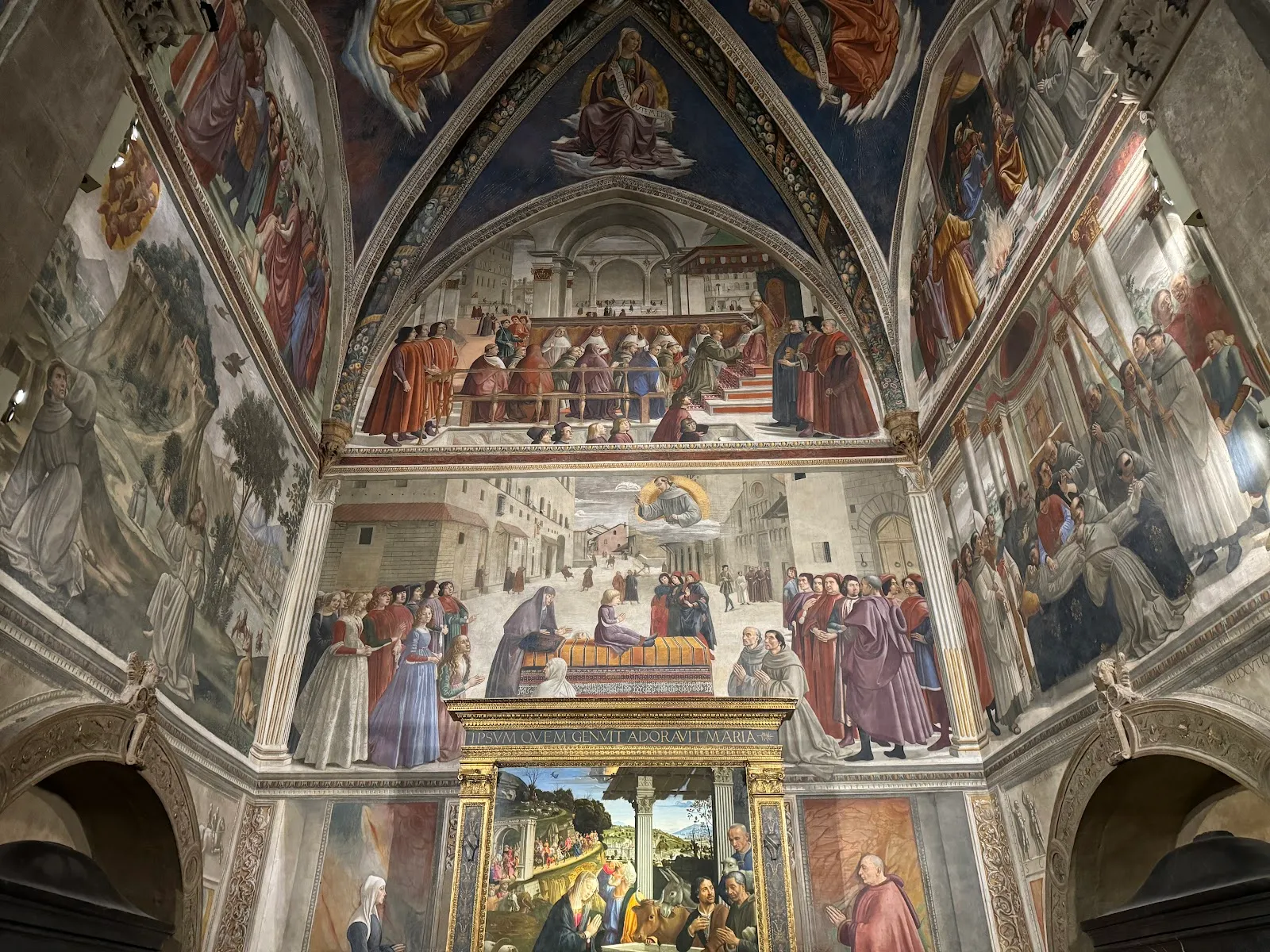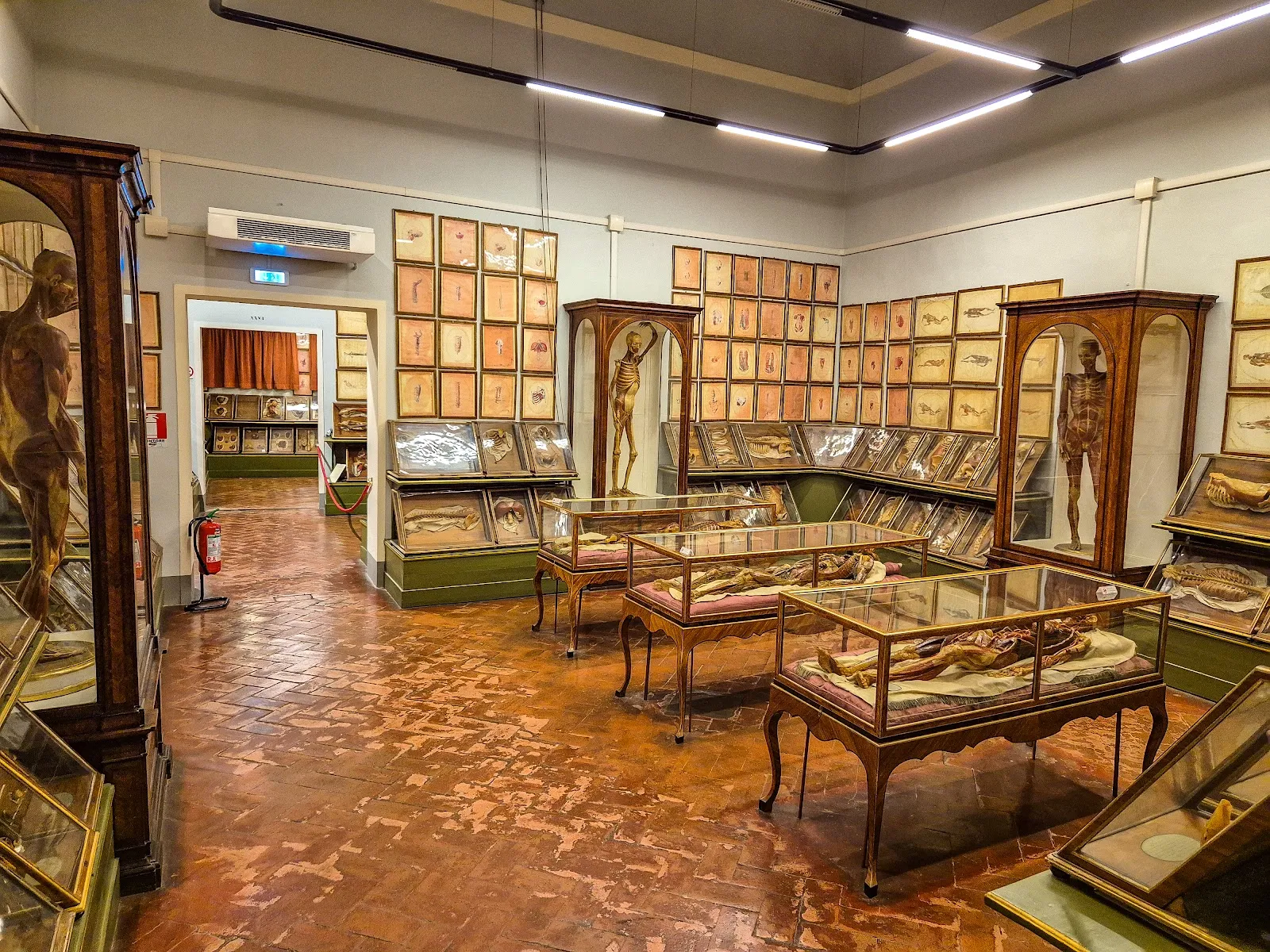
La Specola, on Via Romana near Palazzo Pitti in Florence, brings together zoological collections, minerals and anatomical wax models in a historic science museum. Look for the cabinets of preserved animals, birds and insects, then spend time with the crystals and other geological displays. The 18th-century wax figures show human anatomy in meticulous detail and are made for visitors comfortable with realistic depictions of the body. With quieter rooms than Florence’s best-known art museums, La Specola suits a slower visit, especially for families with older children interested in science and natural history.
A science museum with roots in 18th-century Florence
La Specola is part of the University of Florence’s Museum of Natural History and is located in Palazzo Torrigiani on Via Romana. The museum project took shape in 1765, after Peter Leopold of Lorraine arrived in Florence. Palazzo Torrigiani was acquired for the project in 1771 and renovated by architect Gasparo Maria Paoletti over the following four years. La Specola opened to the public in 1775.
Its collections grew from the Medici natural history collection and continued to expand over time. By the late 18th century, Florence city guides were recommending the museum as a place to observe the natural world and the human body through the scientific discoveries of the period. Its historic displays and old glass-fronted cabinets retain a different character from the city’s art museums.
Animals, skeletons and minerals
The zoological rooms contain preserved animals from around the world, including mammals, birds, insects and marine life. Look closely at the specimens in their cabinets: some belonged to collections assembled in earlier centuries, and some represent species that are now extinct. A stuffed hippopotamus associated with the Medici is among the museum’s notable animal displays.
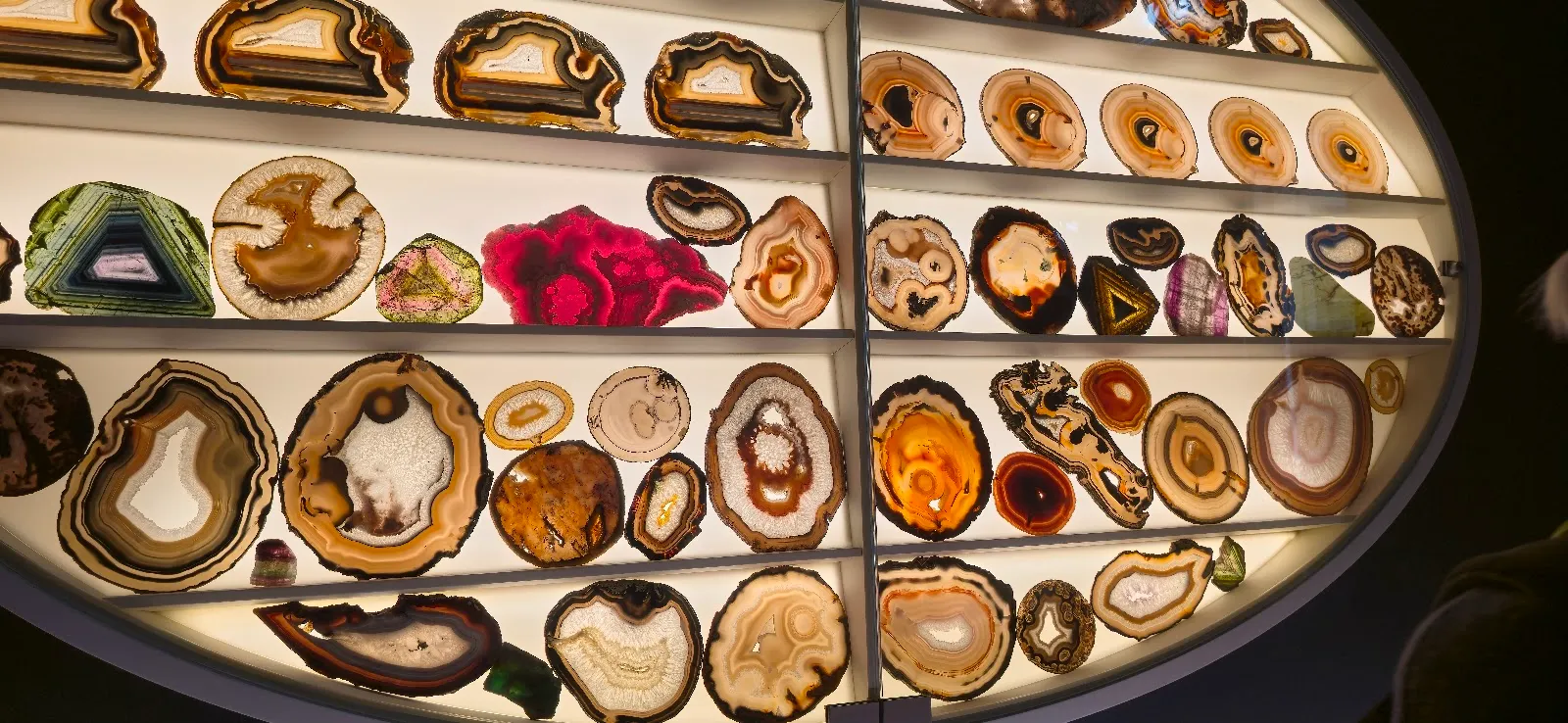
Minerals and crystals are another reason to linger. The collection includes rocks from around the world, and the displays also include an asteroid selection. Alongside the geological exhibits, the museum presents botanical and other natural history material. The range makes La Specola a useful stop for anyone more interested in specimens and scientific collections than in another gallery of paintings.
The museum is part of a wider natural history collection spread across several locations in Florence. La Specola is its zoological museum, so visitors looking specifically for dinosaurs and fossils should check which collection holds the exhibits they want before planning a visit.
The anatomical wax collection
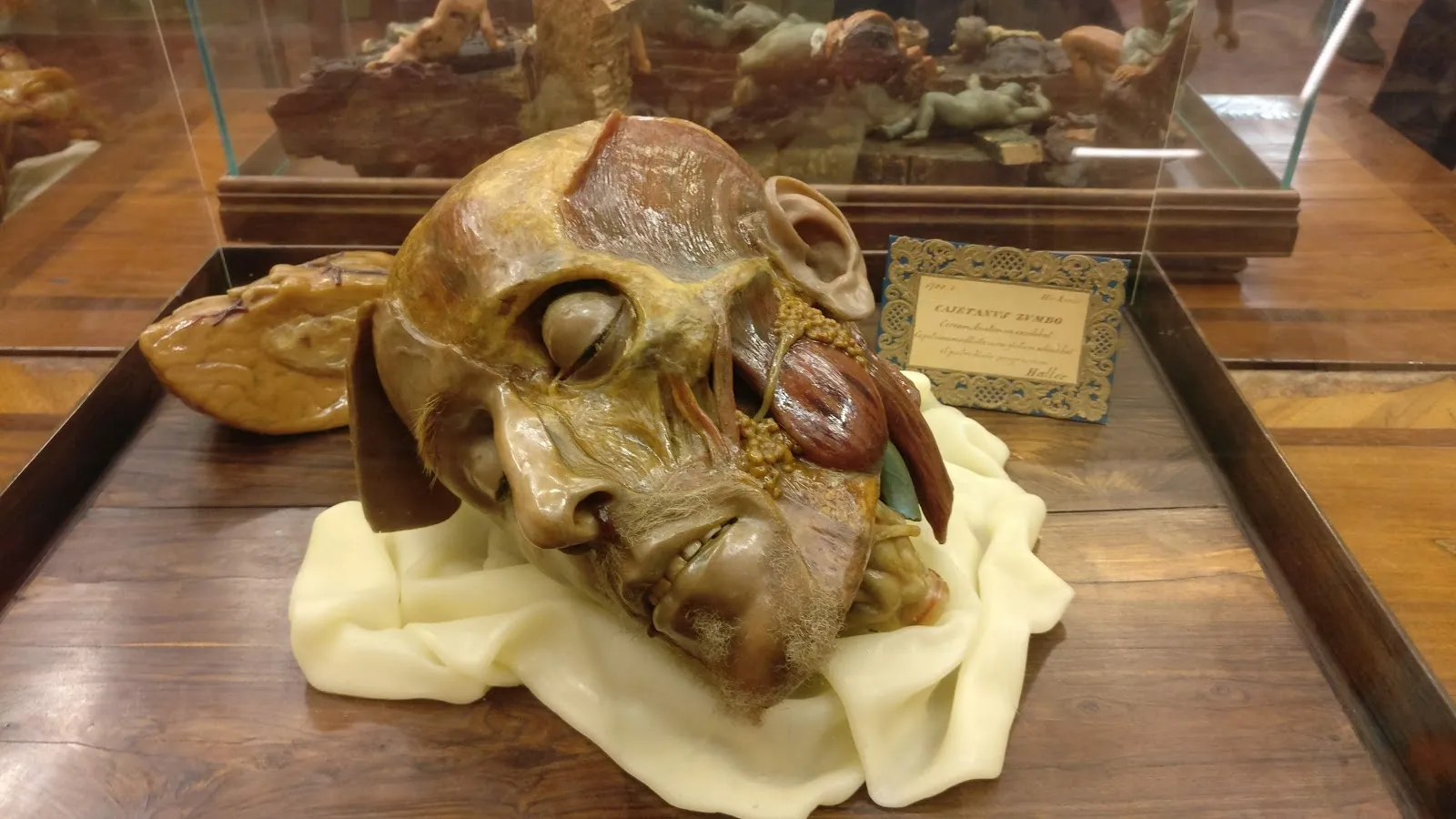
La Specola’s anatomical wax models were created in the 18th century for teaching medicine. Made with beeswax and coloured with pigments, the models show organs and parts of the body in carefully rendered detail. Some figures reveal the body in layers, giving students a way to study anatomy without using a human specimen.
The lifelike quality that makes these models remarkable can also make them unsettling. They are best suited to visitors comfortable with detailed depictions of the human body; families may want to decide in advance whether younger children will enjoy this part of the museum. Access to the anatomy rooms requires an additional €3, and timed visits start at 11am. A bilingual presentation can add context to the displays when available.
Perguntas frequentes
How much does it cost to see the anatomy rooms?
The anatomy rooms have a separate €3 charge. The provided information does not state the museum’s general admission price.
Are the anatomical wax models suitable for children?
They show human anatomy in realistic detail and can be unsettling. Consider whether younger children are comfortable with detailed body displays.
How much time should I allow for La Specola?
Allow around 2 to 3 hours to explore the zoological and mineral collections and, if you choose, the anatomy rooms.
Can I visit the anatomical wax rooms with a guide?
Timed visits to the anatomy rooms start at 11am. Bilingual presentations are available for added context.