
Pandav Leni is a group of 24 Buddhist caves cut into the rock of the Trivashmi hills, about 8 km from the centre of Nashik. The caves hold monastic halls, prayer halls, a stupa and a water tank, along with carvings of the Buddha, all made in basalt. The route up is a set of well-laid steps, so the climb suits most walkers, and the top gives a wide view over the city.
Who carved the caves and why
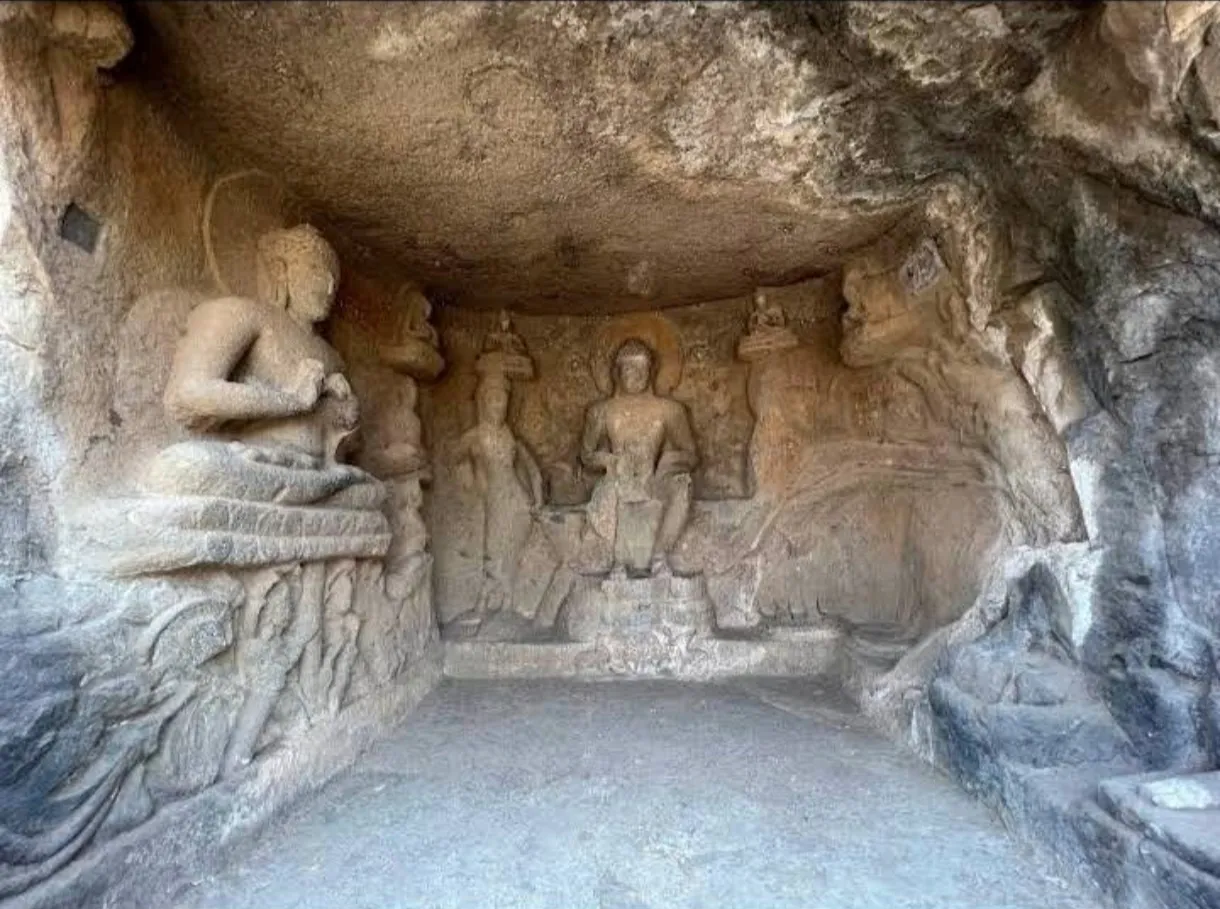
Buddhist monks cut the caves, and they lived, studied and meditated here. The group belongs to the Hinayana tradition of Buddhism. The caves sit on the tableland of the Trivashmi hills and were carved over several centuries, from roughly the 3rd or 2nd century BC through to the 2nd century AD.
The caves are also known as the Pandu caves, Nasik caves or Trirashmi caves. The name Pandavleni comes from a popular legend that the Pandavas, heroes of the Mahabharata epic, spent part of their exile here. Historical records point to Buddhist monks as the builders, not the Pandavas.
Inside the caves
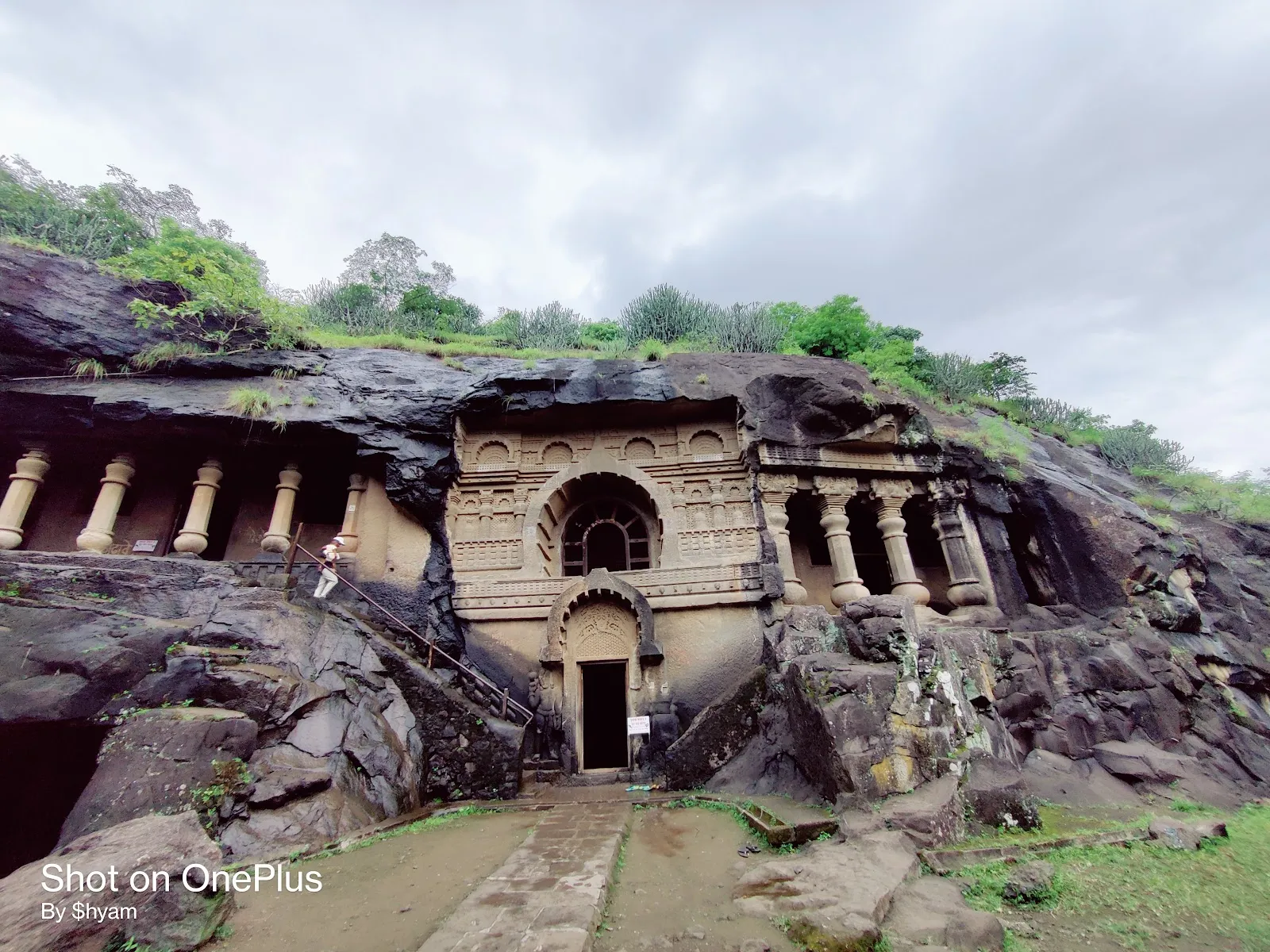
The 24 caves are of two kinds. Most are viharas, monastic halls with living quarters. The eighteenth cave is a chaitya, a prayer hall. Cave 3 holds a vihara that is considered finer than the rest of the group.
Inside you can find a stupa carved within a cave and a water tank cut into the rock. Inscriptions in the caves date to the Satavahana and Kshatrapa dynasties, and scholars use them as study material. The carvings show the Buddha, and sculptures of Mahavira and Jain tirthankaras also appear in the group.
The caves also show an old water management system, which draws interest beyond the art. The rock is basalt, and the carvings have held up well over the centuries.
The climb and the top
The path has more than 200 steps, but the slope is gentle. Information boards along the route explain the history of the caves. The top has few signboards, so the boards on the way up are the main source of information on site.
Explanations of the carvings inside are limited, so reading about the caves before you go helps you make sense of what you see.
From the top, Nashik city spreads out below, with the surrounding hills around it. Stretches of stone can be loose, so take your time on the way back down too.
Planning the visit
Tickets can be bought online or at the counter at the top. The entrance is wheelchair accessible, but the caves are reached by climbing steps, so plan the visit with that in mind.
Parking is available both free and paid, and street parking is also possible. The site is good for children. Local refreshments are sold near the base, which makes a good stop after the climb.
Perguntas frequentes
Is there an entry fee?
Yes. Tickets can be bought online or at the counter at the top. The fee has been reported at 25 rupees per person, so check the current rate before you go.
How long do you need?
Allow at least 1.5 hours to see the caves and enjoy the views.
How many steps are there?
The route has more than 200 steps, but they are not steep. The climb takes about 20 to 30 minutes.
Is the site accessible?
The entrance is wheelchair accessible. The caves are reached by a climb of steps, so plan the visit with that in mind.
When is the best time to go?
Go early in the morning or in the evening, when the weather is more pleasant. Weekdays are less crowded.

