
At Cäcilienstraße 29-33 in central Cologne, the Rautenstrauch-Joest-Museum explores how people live across cultures and periods. Its collection includes more than 3,500 objects associated with ethnographer Wilhelm Joest, alongside multimedia displays that invite you to consider different perspectives. Look for the towering rice granary from Sulawesi, and exhibits on life in a teepee and the significance of tattoos in Māori culture. The museum also examines how Europeans have viewed other societies, including through the legacy of colonialism. Allow time to read the displays; some are not translated into English.
A collection built from Wilhelm Joest’s travels
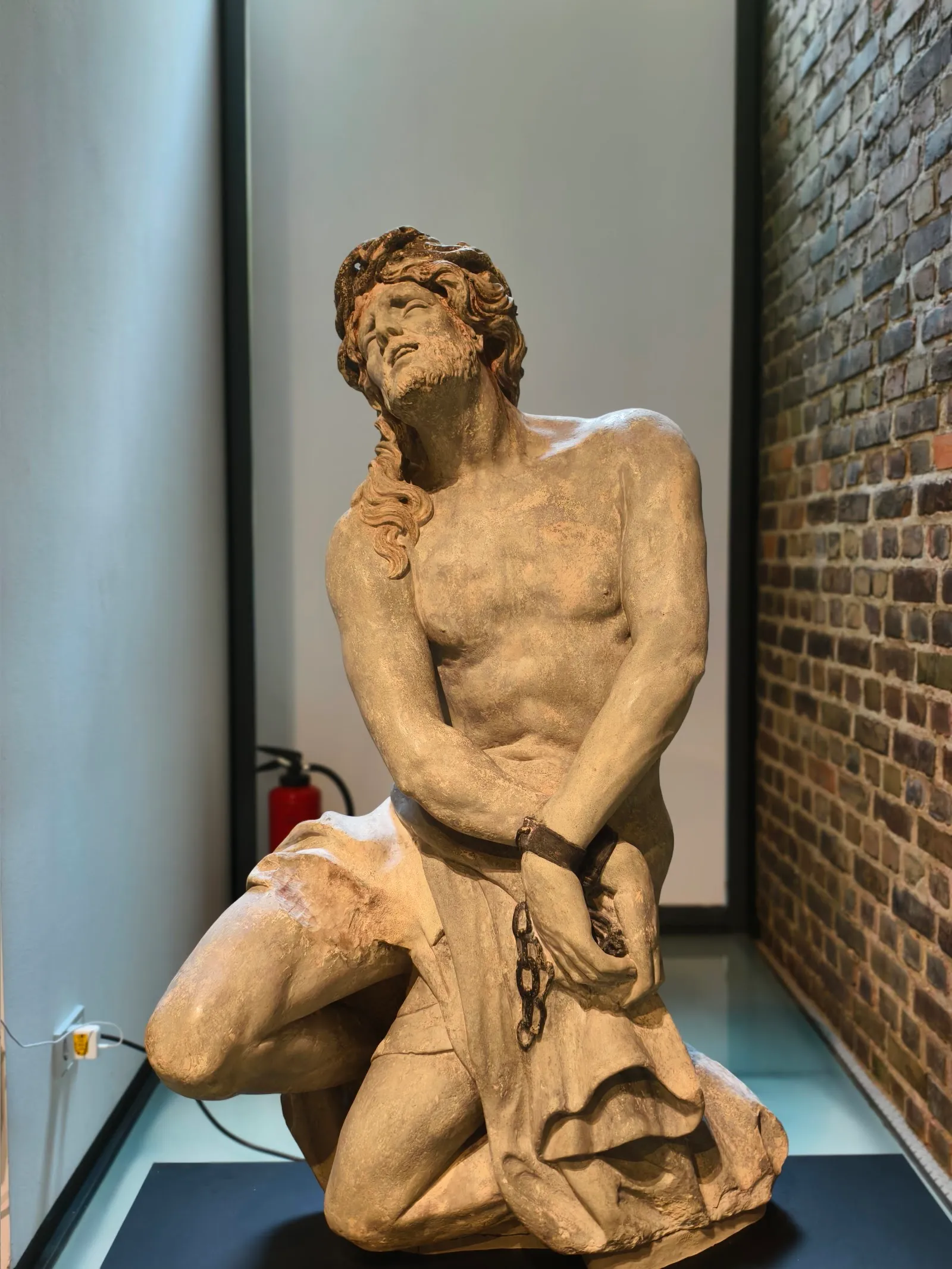
The museum’s origins lie in the collection of Wilhelm Joest, a 19th-century ethnographer who travelled in regions including Africa, Asia and Oceania. More than 3,500 objects associated with him form the core of the collection. His sister, Adele Rautenstrauch, and her husband donated the purpose-built museum to Cologne. The institution was founded in 1901 and reopened to the public in 2010 after a period of closure.
Today, the museum is devoted to cultures beyond Europe and is the only public ethnological museum of its kind in North Rhine-Westphalia. Its work includes exhibitions and events as well as the permanent displays. The collection brings together objects, photographs and interpretations of how people have lived in different places and at different times.
Understanding the World and Shaping the World
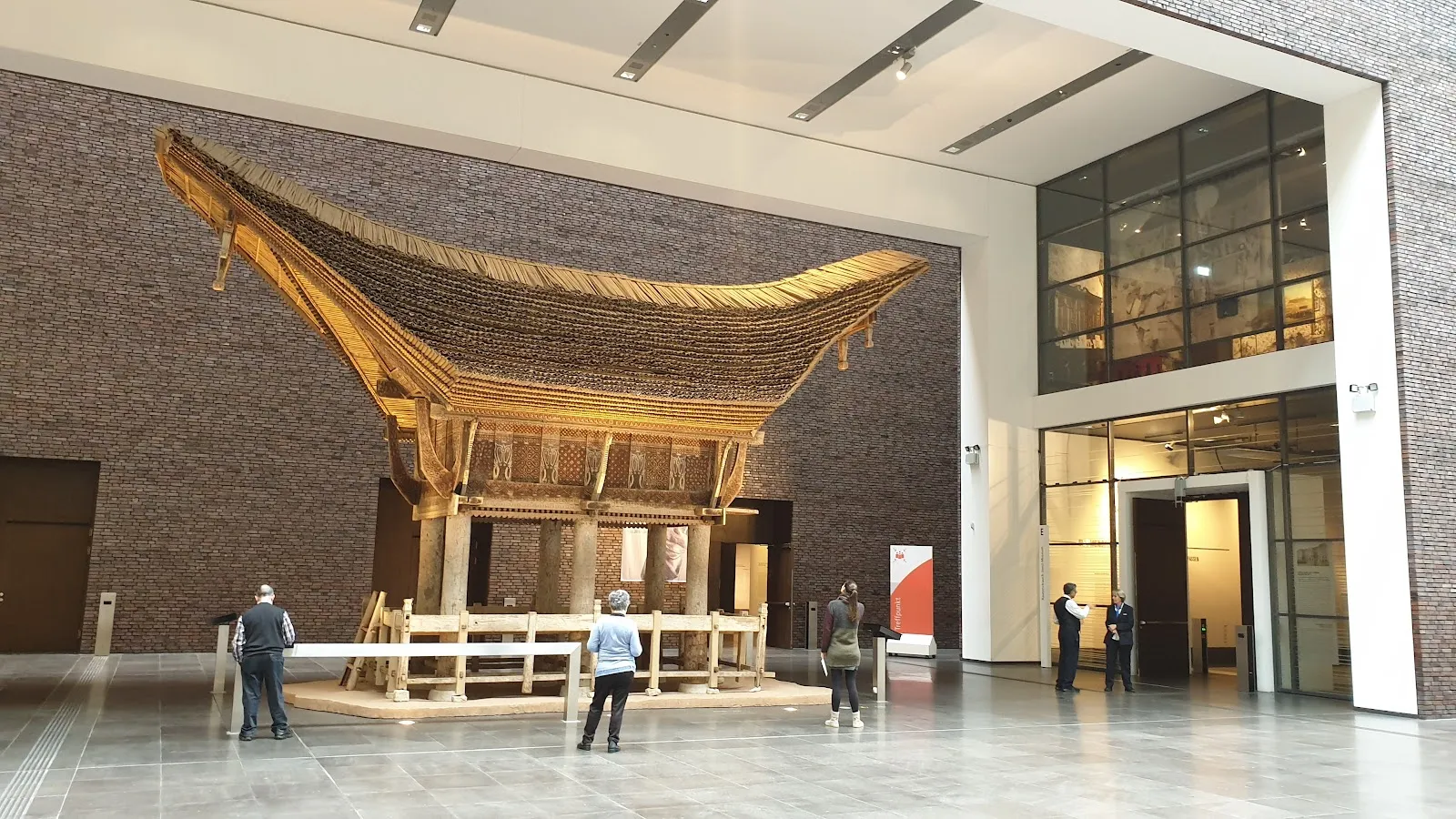
The permanent exhibition is arranged in two areas, called “Understanding the World” and “Shaping the World.” Together, they consider both differences and shared experiences across societies. Themes include ways of life, religion and identity, with interactive multimedia displays that encourage visitors to look at cultures from more than one point of view.
Individual exhibits connect objects to everyday practices and beliefs. One display considers the practicalities of living in a Native American teepee; another explains the meaning of tattoos for Māori people. The collection’s largest object is a rice granary measuring 7.5 metres in height, from the Indonesian island of Sulawesi. These examples give you concrete points to follow through a broad exhibition.
Looking at objects and the colonial past
The museum does not present cultural objects without examining the ideas attached to them. Its displays address how Europeans have represented other societies in travel writing and art, and invite reflection on colonial history. That perspective is part of the visit: the exhibits ask how people understand one another, as well as what objects reveal about daily life and cultural traditions.
The interactive elements can help make those themes more accessible, especially when you take time to explore them rather than moving quickly between cases. The museum also runs children’s workshops in which world cultures are explored through hands-on activities. A café and shop are available on site. Since some exhibit descriptions are not translated into English, visitors who depend on English-language text may encounter sections with less written context.
Perguntas frequentes
How long should I plan for the Rautenstrauch-Joest-Museum?
Allow at least 1.5 hours for a leisurely visit. A detailed look through every display will take longer.
When is a quieter time to visit?
Thursday evenings are noted as quieter, and the museum stays open until 8pm that day.
Are all the exhibit descriptions in English?
No. Some exhibit descriptions are not translated into English.
What is a notable object in the collection?
The museum displays a 7.5-metre rice granary from Sulawesi, its largest object.


