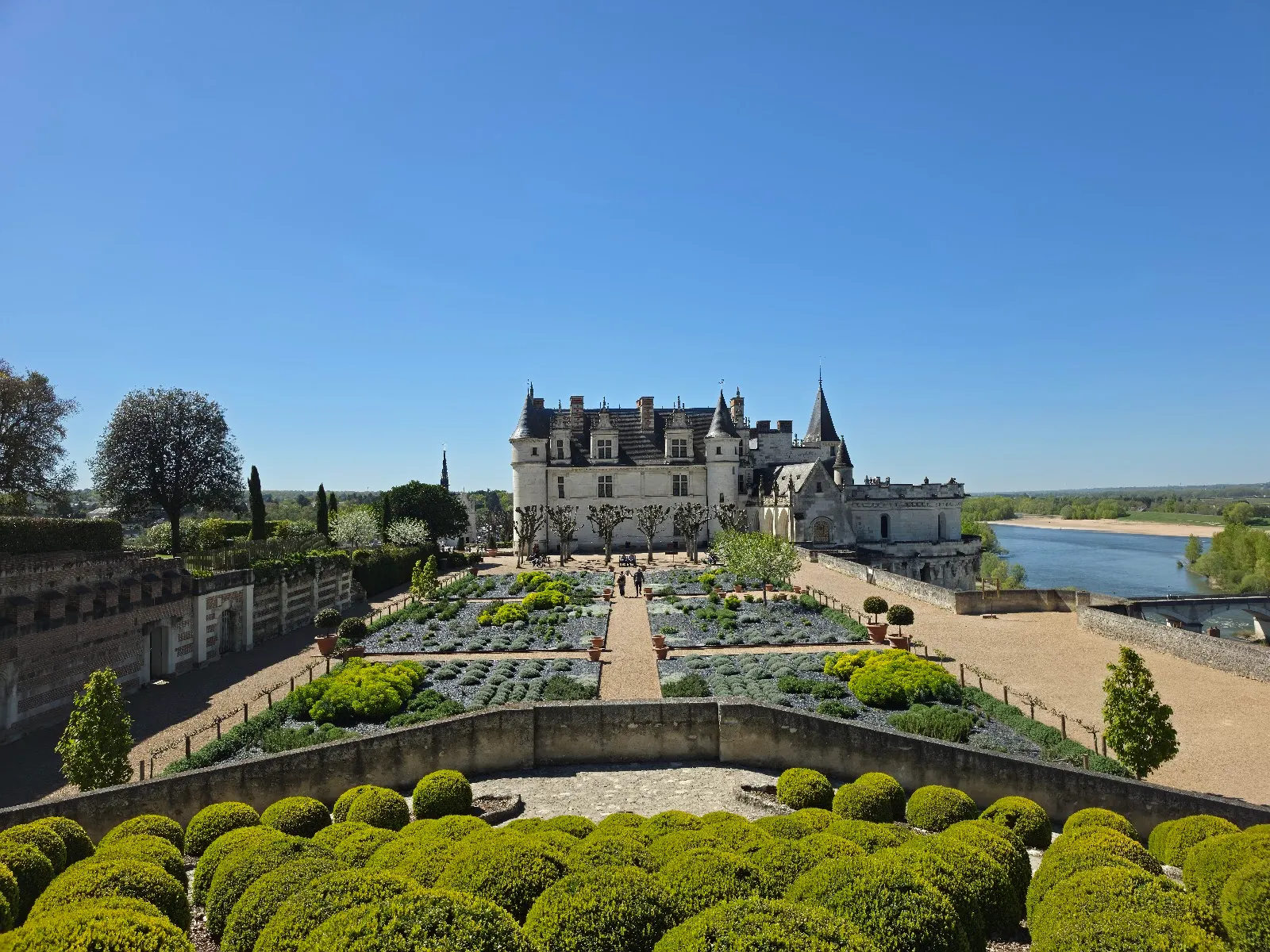
Château Royal d'Amboise stands on a rocky spur about 40 metres above the Loire, overlooking the town of Amboise. Charles VIII and Francis I made it a royal residence in the 15th and 16th centuries, and its buildings mix Gothic and Renaissance styles. A visit takes in furnished rooms, the Gothic Chapelle Saint-Hubert, where Leonardo da Vinci is traditionally said to be buried, and the Tour des Minimes with its wide ramp for horses and carriages. Terraces and landscaped gardens look out over the river and the rooftops.
From medieval fortress to royal residence
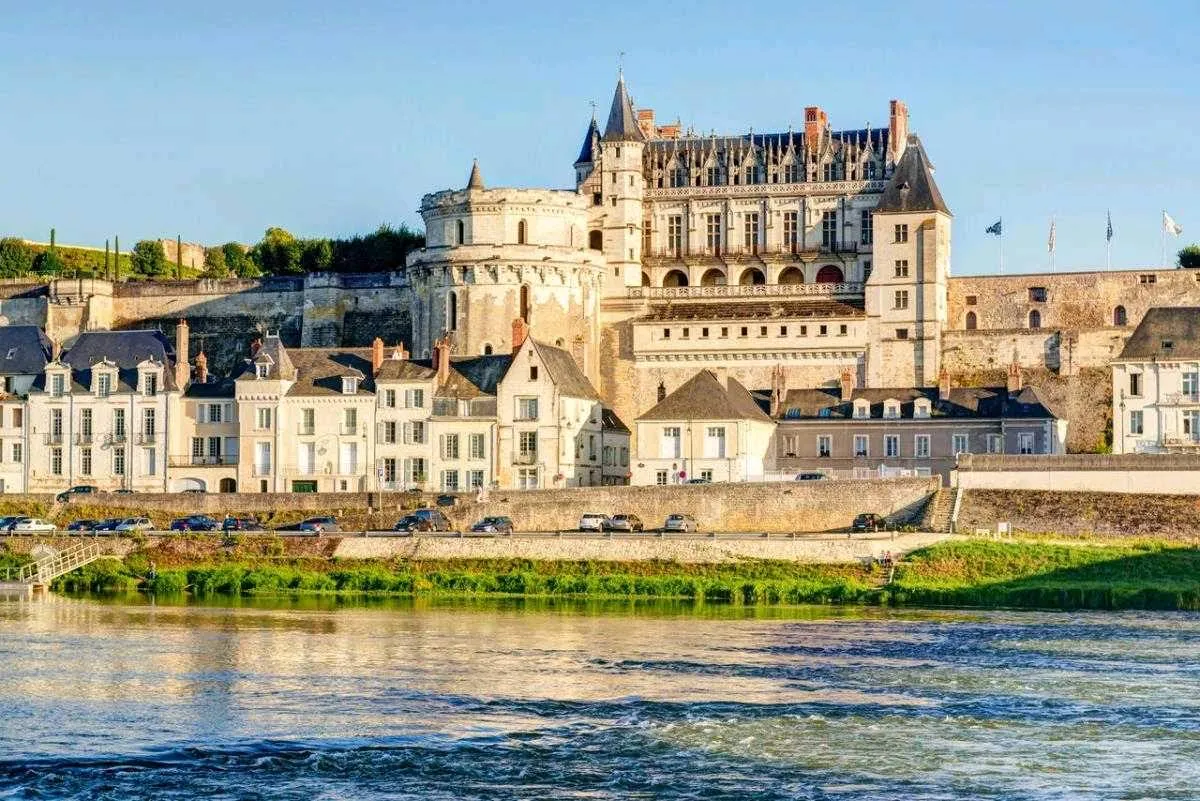
People have lived on this spur since Roman times, and a fortress was first built here in the 11th century. The site became a royal palace in the 15th century. Charles VII stayed here, and the French kings treated it as a favourite residence for just over a hundred years from 1434.
Charles VIII rebuilt the château in 1492 and is credited with bringing the first touches of the Italian Renaissance to French royal architecture. He died here in 1498 after striking his head on a low doorway. The lintel is pointed out during the visit. Francis I spent much of his childhood in these buildings, under the care of his uncle Louis XII and Anne of Brittany.
After the Revolution many of the buildings were demolished. The main château, the Tour des Minimes and the Chapelle Saint-Hubert survive. The Logis is Gothic except for the upper half of one wing, which is Renaissance. The château was recognised as a monument historique in 1840.
Leonardo da Vinci and the Chapelle Saint-Hubert
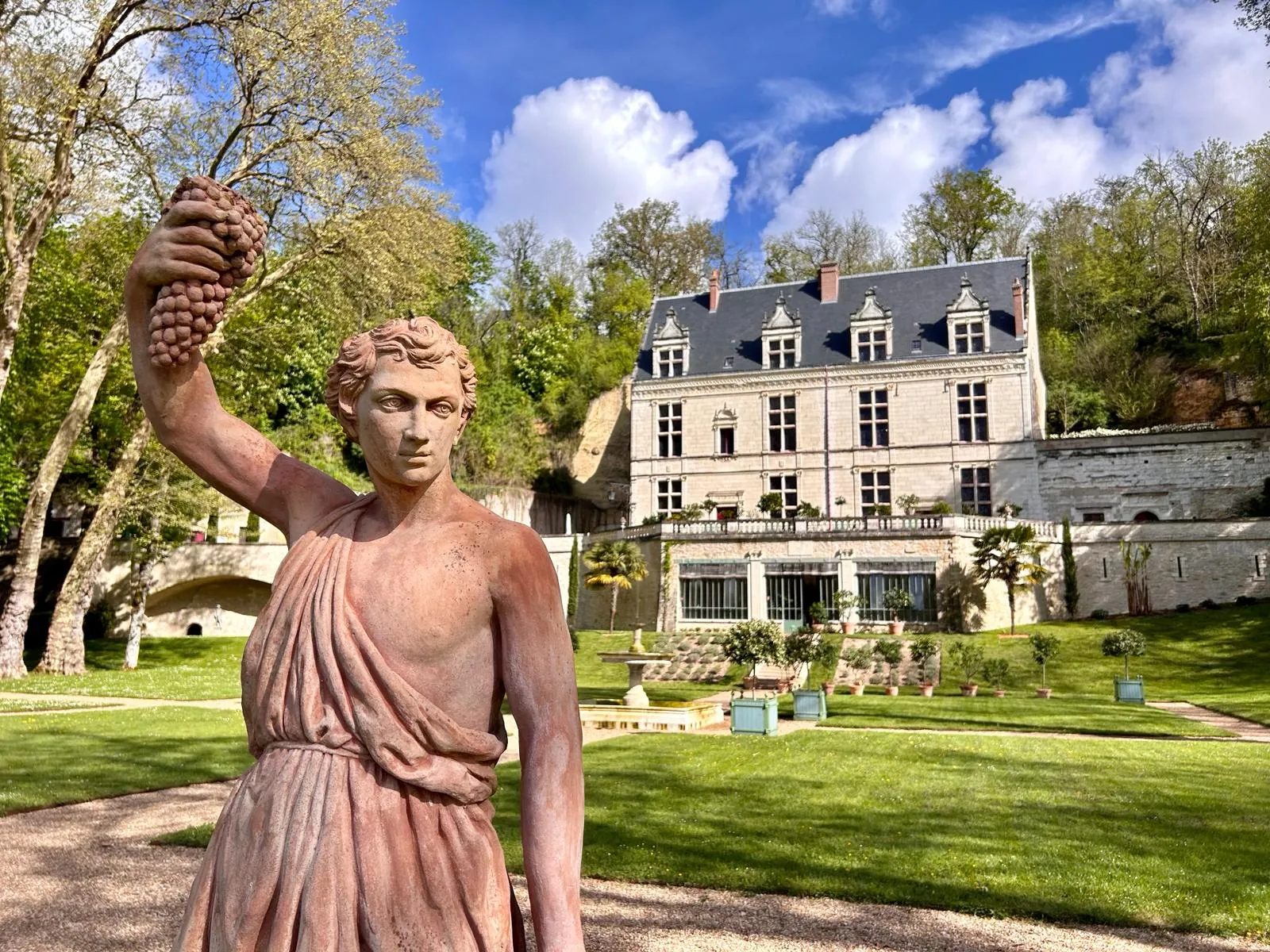
Francis I invited Leonardo da Vinci to France, and the artist spent the last three years of his life at Amboise. The king gave him a royal title as painter, engineer and architect, and a pension. He lived at the Château du Clos Lucé, a short distance from the royal château.
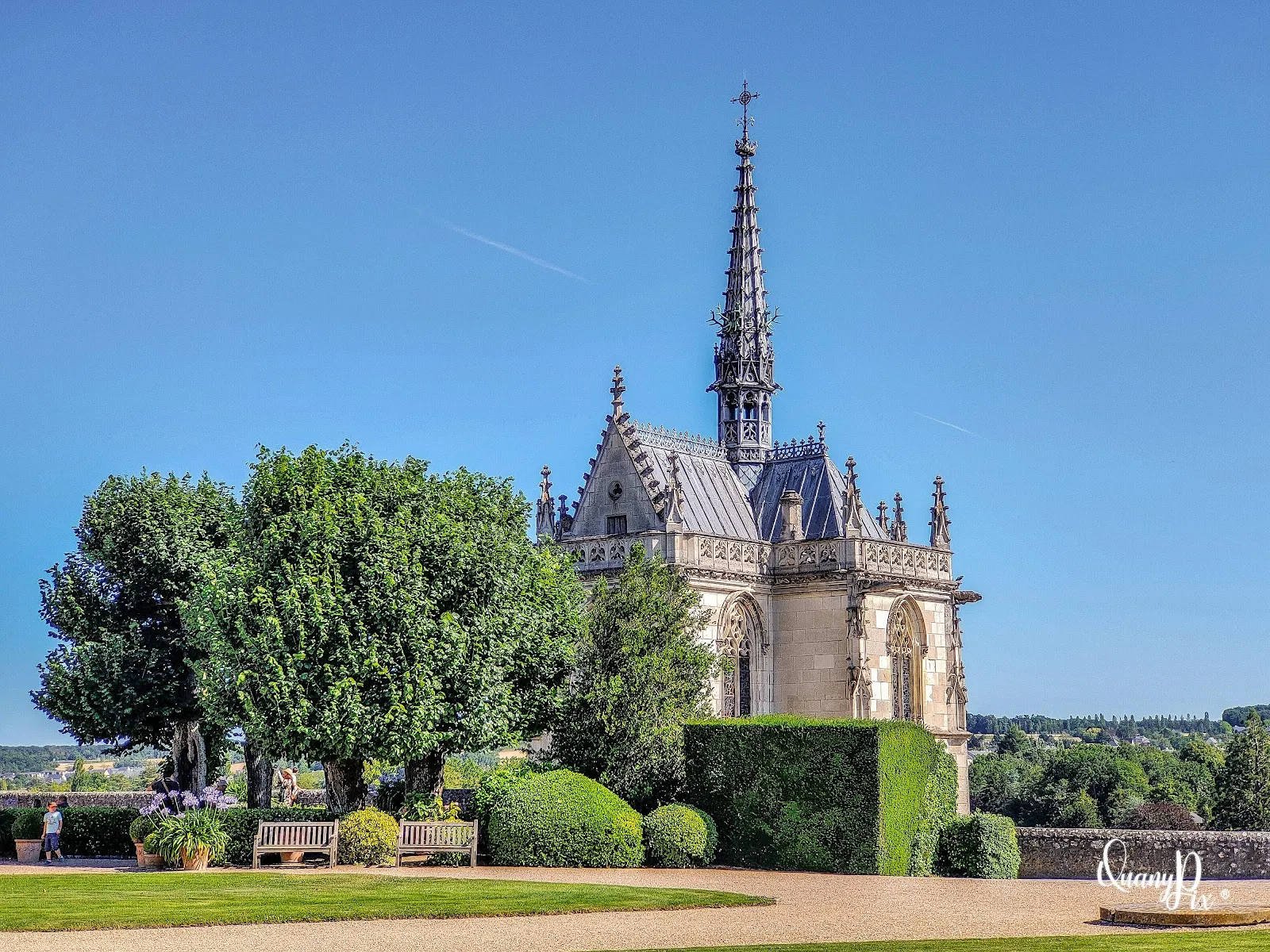
The Chapelle Saint-Hubert, a Gothic chapel dated 1493, stands within the château grounds. Tradition places Leonardo's remains here, and they have rested in the chapel since 1863. The identification of the remains is debated, so the tomb is best seen as the traditional resting place.
Clos Lucé is about a 10-minute walk away, uphill along Avenue Victor Hugo. The street is narrow, so take care with traffic.
What to see inside the grounds
The visit starts with the pedestrian ramp up from Place Michel Debré. It opens onto a panoramic terrace in front of the river, where buildings once stood around a courtyard. From the terrace and ramparts you can look over Amboise and along the Loire.
The rooms of the Logis hold a collection of Gothic and Renaissance furniture. The Tour des Minimes drops down the side of the cliff and contains a large circular ramp that let horses and carriages reach the top of the hill. It was later used as a prison, and the graffiti from that period is still visible. The tower and part of the underground area have only recently been opened to visitors.
Outside, the layout of the enclosure was redesigned after the demolitions, and the garden is listed as a remarkable park and garden. There is a café for small snacks and a gift shop with a wide choice of souvenirs.
The Emir Abd el-Kader at Amboise
The ramp to the château is named after the Emir Abd el-Kader. He was held prisoner here for four years with about a hundred of his relatives and companions. Napoleon III released him. The Emir stayed attached to Amboise, and he gave the town a crystal chandelier that still hangs in the church of Saint-Denis.
Getting there and the town below
The château is about a 10-minute walk from Amboise railway station. The bridge over the Loire, the Pont du Maréchal Leclerc, gives a good view of the château on its spur, with its reflection in the water. The island below has a few cafés and bars, and the walk from the island to the château takes about nine minutes.
On the first Saturday of each month a flea market of more than 50 stalls is held around the château.
Perguntas frequentes
Who is buried in the Chapelle Saint-Hubert?
The chapel is the traditional burial place of Leonardo da Vinci, whose remains have rested there since 1863. The identification of the remains is debated.
Should I book tickets in advance?
Advance tickets are recommended. The main entrance is at Place Michel Debré, from where a pedestrian ramp leads up to the château.
How long do you need at Château Royal d'Amboise?
Plan on two to three hours to see the rooms, the Tour des Minimes, the chapel, the terrace and the gardens.
Is the château accessible for wheelchair users?
The entrance, a restroom and the car park are wheelchair accessible. The grounds are hilly, with cobbled paths and steps, so some areas are hard going.
How far is the château from the train station and from Clos Lucé?
The château is about a 10-minute walk from the station. Clos Lucé, Leonardo da Vinci's last home, is about a 10-minute walk uphill from the château.