Pianifica un viaggio
Lingua: Italiano
Pianificatore di viaggiPianifica il tuo viaggio su una mappa

Le migliori destinazioni

EnglishDeutschFrançaisEspañolPortuguêsPortuguês (BR)Italiano
Avviso di viaggio · KenyaNairobi si trova in o vicino a un'area per cui i governi sconsigliano ogni viaggio non essenziale: Eastleigh (Nairobi), Kibera (Nairobi), Mathare (Nairobi), Pangani (Nairobi).Le indicazioni dipendono dal tuo passaporto. Leggi quelle del tuo governo prima di prenotare.Indicazioni ufficiali
Aree con avvisi
  • Confine con l'Etiopia · evitare ogni viaggio · Spagna, Francia, Nuova Zelanda
  • Confine con il Sud Sudan · evitare ogni viaggio · Spagna, Francia, Nuova Zelanda
  • Zone costiere a nord di Malindi · evitare ogni viaggio · Canada, Francia, Nuova Zelanda, Stati Uniti
  • Contea di Garissa · evitare ogni viaggio · Canada, Germania, Spagna, Italia, Nuova Zelanda, Stati Uniti
  • Contea di Lamu · evitare ogni viaggio · Spagna, Nuova Zelanda, Stati Uniti
  • Contea di Lamu, esclusi l'isola di Lamu e l'isola di Manda · evitare ogni viaggio · Canada, Germania, Francia, Regno Unito
  • Contea di Mandera · evitare ogni viaggio · Canada, Germania, Spagna, Italia, Nuova Zelanda, Regno Unito, Stati Uniti
  • Contea di Tana River, esclusi il Parco nazionale di Tsavo · evitare ogni viaggio · Italia, Stati Uniti
  • Contea di Wajir · evitare ogni viaggio · Canada, Germania, Spagna, Italia, Nuova Zelanda, Stati Uniti
  • Contea di Baringo · evitare i viaggi non essenziali · Germania, Italia
  • Costa tra il fiume Tana e il fiume Galana · evitare i viaggi non essenziali · Spagna, Regno Unito
  • Zone costiere della contea di Tana River · evitare i viaggi non essenziali · Canada, Nuova Zelanda
  • Eastleigh (Nairobi) · evitare i viaggi non essenziali · Spagna, Francia, Italia, Nuova Zelanda, Stati Uniti
  • Kibera (Nairobi) · evitare i viaggi non essenziali · Canada, Spagna, Francia, Nuova Zelanda, Stati Uniti
  • Mathare (Nairobi) · evitare i viaggi non essenziali · Spagna, Francia
  • Nord della contea di Tana River · evitare i viaggi non essenziali · Germania, Regno Unito
  • Pangani (Nairobi) · evitare i viaggi non essenziali · Francia, Italia
  • Contea di Turkana · evitare i viaggi non essenziali · Germania, Spagna
  • Contea di West Pokot · evitare i viaggi non essenziali · Germania, Italia, Stati Uniti

Segnalata anche da un solo governo: Aree al confine con la Somalia (Nuova Zelanda), Contea di Garissa, esclusi la città di Garissa, Lagdera e parti di Balambala (Regno Unito), Contea di Kilifi a nord della strada C103 (Stati Uniti), Zona marittima fino a 72° E e 15° S (Francia), Contea di Marsabit entro 110 km dai confini con il Sud Sudan e l'Etiopia (Canada), Contea di Marsabit entro 50 km dal confine con l'Etiopia (Stati Uniti), Fascia di confine con la Somalia, fino a 100 km all'interno del Kenya (Francia), Collegi elettorali di Tarbaj e Wajir East (Regno Unito), Contea di Turkana entro 110 km dai confini con il Sud Sudan e l'Etiopia (Canada), Contea di Turkana entro 50 km dal confine con l'Etiopia (Stati Uniti), Contea di Wajir entro 60 km dal confine con la Somalia (Regno Unito), Turkana occidentale (Stati Uniti), Regioni aride e remote del Kenya settentrionale (Italia), Sottocontee di Mukutani, Muchongoi, Bartabwa, Tiaty East e Tiaty West (Spagna), Contea di Elgeyo Marakwet (Italia), Sottocontee di Marakwet East e Marakwet West (Elgeyo Marakwet) (Spagna), Garissa (Regno Unito), Contea di Laikipia (Italia), Sottocontee di Olmoran, Ng'arua e Mukogodo (Laikipia) (Spagna), Isola di Lamu (Germania), Isola di Manda (Germania), Contea di Marsabit (Spagna), Mombasa (Italia), Zone periferiche della contea di Isiolo (Francia), Zone periferiche della contea di Turkana (Francia), Zone periferiche della contea di West Pokot (Francia), Regioni periferiche della contea di Marsabit (Francia), Itinerari terrestri tra Lamu e Malindi (Italia), Contea di Samburu: aree di Loroki e Kirisia (Spagna), Sottocontee di Turkana Sud, Turkana Est e Loima (Spagna), A ovest della contea di Garissa (Francia), A ovest della contea di Mandera (Francia), A ovest della contea di Wajir (Francia), Sottocontee di Pokot North e Sigor (West Pokot) (Spagna), Entro 75 km dal confine Kenya-Somalia (Irlanda)

GovernoConsigliAggiornatoLeggi le indicazioni
Regno Unito (FCDO)No advice against the whole country (regional advisories)–Leggi le indicazioni
Stati Uniti (Dipartimento di Stato)Reconsider travel19 ott 2026Leggi le indicazioni
Canada (Affari globali)Exercise a high degree of caution (regional advisories)–Leggi le indicazioni
Germania (Auswärtiges Amt)Increased caution nationwide; partial travel warnings for specific areas (regional advisories)19 ott 2026Leggi le indicazioni
Nuova Zelanda (SafeTravel)Exercise increased caution (regional advisories)–Leggi le indicazioni
Irlanda (Dipartimento per gli Affari esteri)High Degree of Caution (regional advisories)–Leggi le indicazioni
Francia (Ministero per l'Europa e gli Affari esteri)Vigilance renforcée (reste du territoire) (regional advisories)–Leggi le indicazioni

Verificato ogni giorno dalle indicazioni pubblicate dai governi; ultima verifica 2 nov 2026.RoamLedger riassume le indicazioni ufficiali; non è un consiglio di alcun governo.

National Museum of Kenya
Museo

National Museum of Kenya

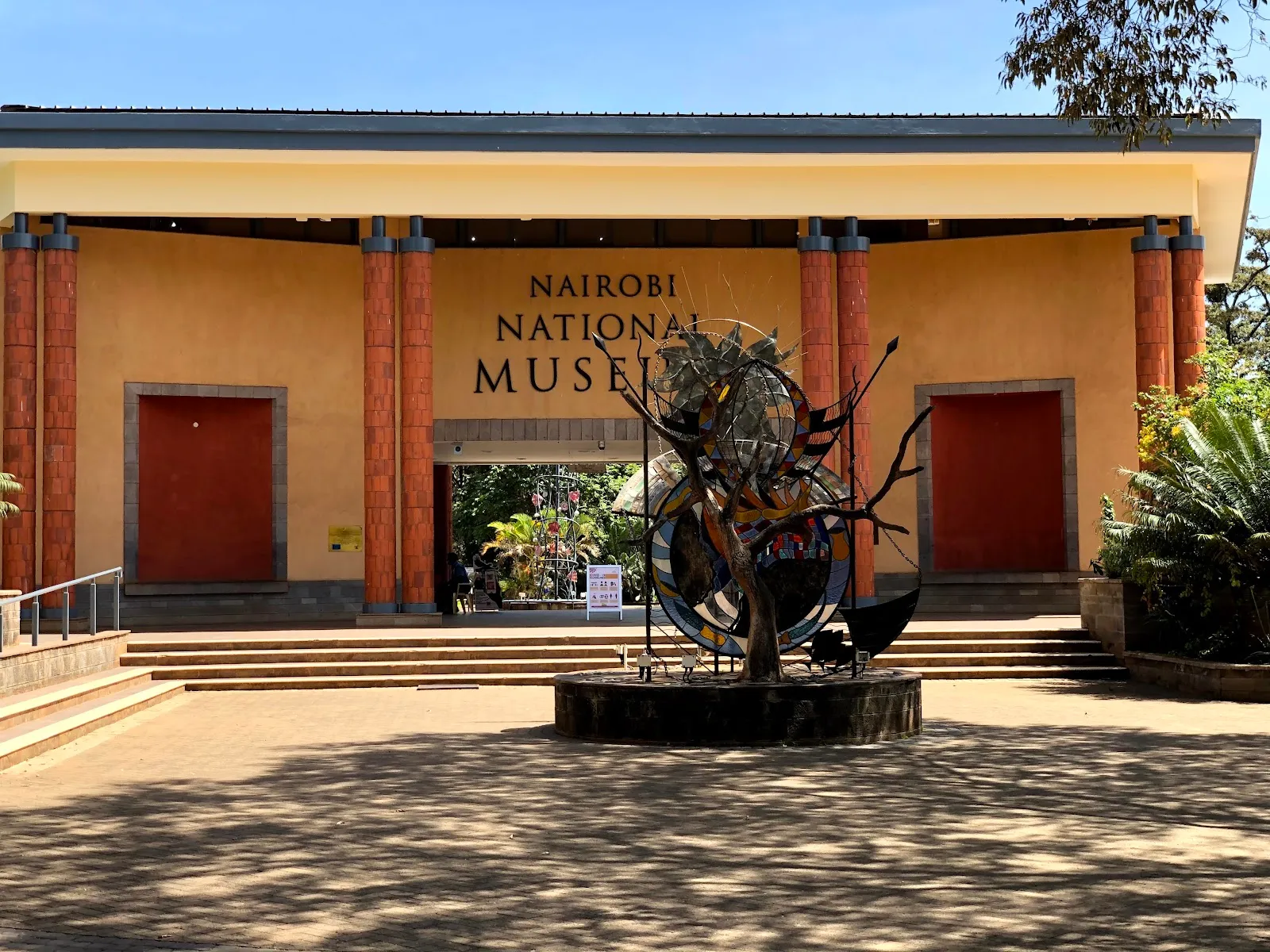
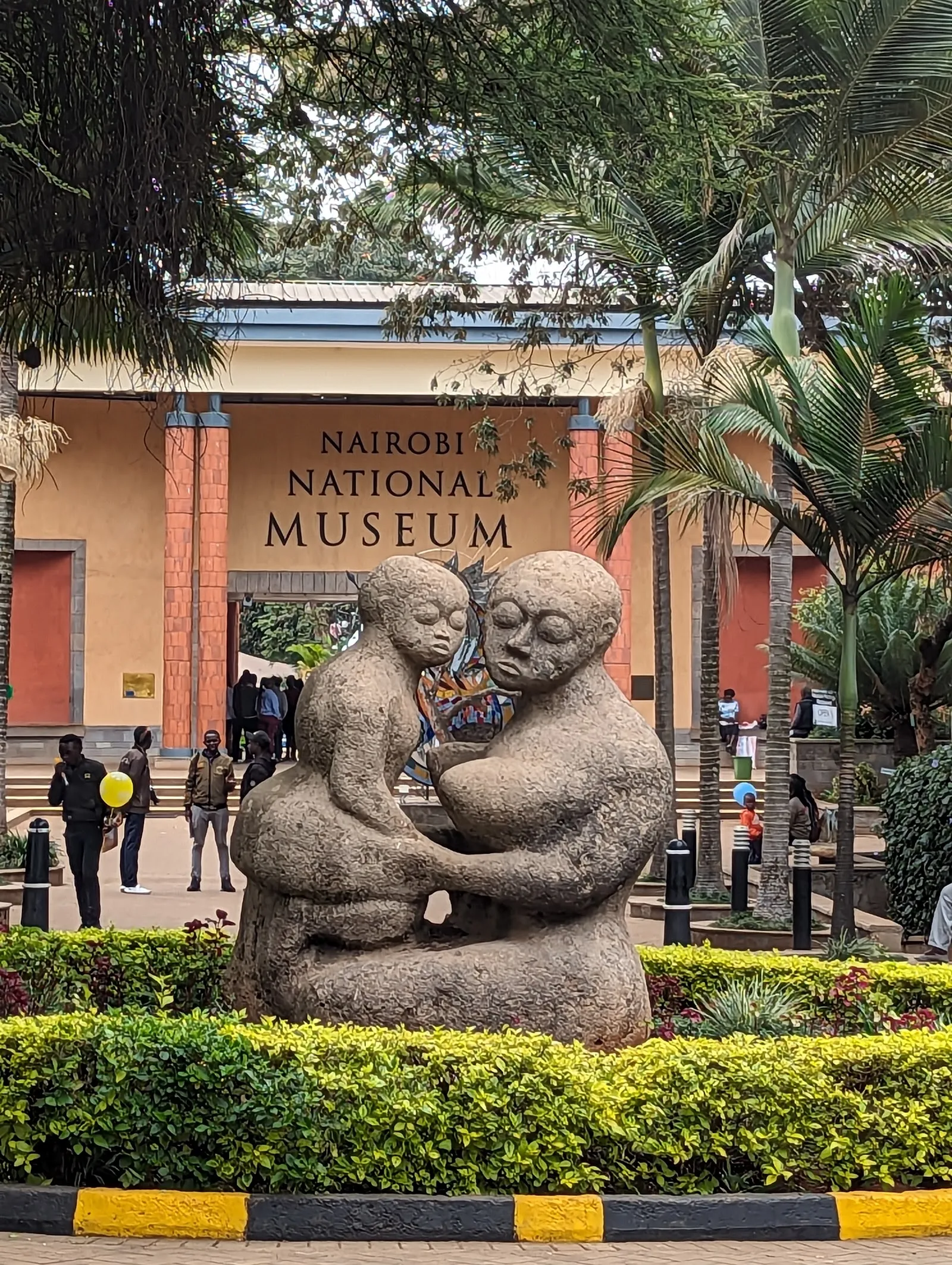
The National Museum of Kenya sits on Museum Hill, a short drive from downtown Nairobi, and covers the country's history from early human fossils to contemporary art.

The National Museum of Kenya sits on Museum Hill, a short drive from downtown Nairobi, and covers the country's history from early human fossils to contemporary art. The early man section holds fossils found in Kenya, and the Hall of Mammals shows giraffes, elephants, zebras and okapi in dioramas. Set aside time for the botanical gardens and the Snake Park next door, which can be included on a combined ticket. Plan a morning or afternoon.

Early human fossils
National Museum of Kenya

The early man section is the museum's best-known draw. Richard and Mary Leakey's work near Lake Turkana in the 1960s led to the discovery of the skull and bones of Homo habilis, a species believed to be an early ancestor of humans. Their findings helped establish the Rift Valley as a possible Cradle of Humankind, although South Africa's Sterkfontein Caves and Ethiopia's Hadar region also claim the title.

The fossils on display include pieces found in Kenya, such as a proconsul fossil dated to 18 million years ago. That find encouraged archaeologists to consider Kenya as a possible birthplace of humankind. Homo erectus remains are displayed together in one place.

Mammals, birds and dioramas
National Museum of Kenya

The Great Hall of Mammals has dioramas of giraffes, elephants, zebras and okapi, and most of the country's mammal species are arranged along the walls. The museum also holds more than 900 stuffed birds and mammals, and a bird gallery is among its highlights.

Some of the taxidermy is old and needs care. It is best seen as a record of the collection rather than a polished display.

Ethnic displays cover Kenya's many communities, with tribal artifacts from across the country, and the museum holds some of the best-preserved examples in the country. A permanent exhibition focuses on Kenya's heritage and communities.

The Geology Gallery holds a large collection of rocks and minerals, with displays on tectonic plates and the life cycle of a volcano. The art collection includes a display of work by Joy Adamson, the author of Born Free, and an artist-in-residence program.

The Louis Leakey auditorium hosts music, visual arts and film shows, along with art workshops.

The Snake Park and the gardens

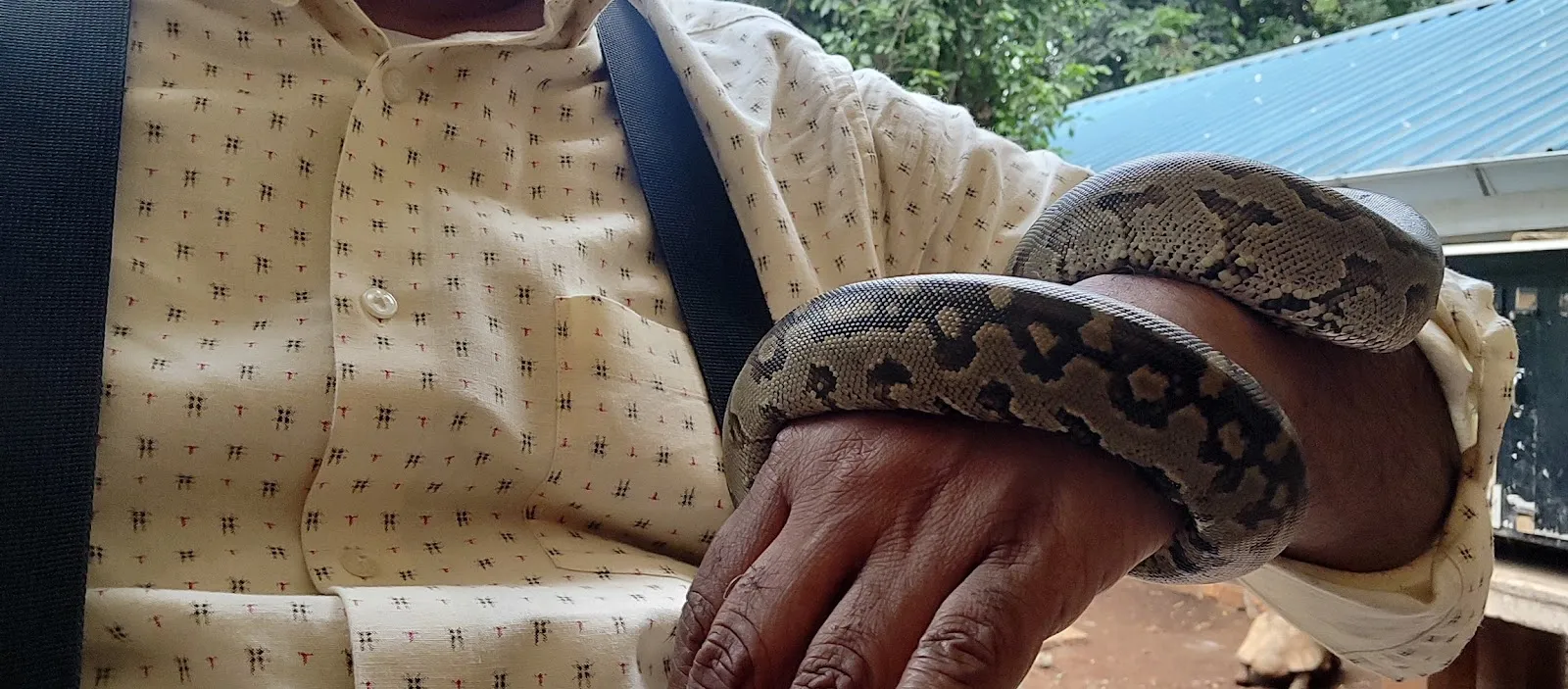
The Snake Park sits next to the museum and has live snakes, an aquarium and turtles. A combined ticket covers the museum and the park. If you only want the galleries, ask at the desk about ticket options before you pay.

The botanical gardens surround the museum, and a nature trail runs through them. The trail is home to the largest python in Kenya. An outdoor amphitheater on the grounds has wide views toward the Ngong Hills.

A short history of the building

The museum began with specimens kept by a group of naturalists, who needed a place to store and preserve their collections. Those collections later moved to a larger building, and the current building dates from 1929.

The museum is the flagship of the National Museums of Kenya, a network of museums and sites across the country. Among its displays is the tusker Ahmed, who was kept under round-the-clock guard by armed rangers during the poaching crisis of the 1980s.

Planning the visit

The museum is on Kipande Road, known locally as Museum Hill, a short drive from downtown Nairobi. Parking is on site, and there is also a free parking lot.

The entrance, elevator, restroom and parking lot are wheelchair accessible. A changing table is available for babies. A restaurant with a terrace serves Kenyan food, a good stop after the galleries.

FAQ

How long do you need at the National Museum of Kenya?

Plan two to three hours. Some visitors spend a full morning or afternoon there.

Is the museum wheelchair accessible?

Yes. The entrance, elevator, restroom and parking lot are wheelchair accessible.

Is there parking?

Yes. There is on-site parking and a free parking lot.

Can I visit the Snake Park too?

Yes. The Snake Park is next to the museum and can be visited on a combined ticket.

Is the museum good for children?

Yes. It is family-friendly, and it runs workshops for children on pottery and beadwork.
Altre attrazioni imperdibili a Nairobi

Esplora tutto