
The North Carolina Museum of Art is an art museum on the west side of Raleigh, with galleries in two buildings and a 164-acre outdoor Museum Park. Inside, the permanent collection covers more than 5,000 years, from ancient Egyptian and African works to European Old Master paintings, Judaic ceremonial objects and contemporary art. Outside, sculptures sit along walking trails, meadows and creeks. The permanent collection is free to enter, and the park is free to walk through, so you can spend an hour or a full day.
The collection
The permanent collection is arranged across the galleries and spans ancient Egyptian funerary art, African works, South and Central American art, European Old Master paintings and contemporary pieces. Modern and contemporary works hang in the brighter newer spaces, while the older European paintings and ancient objects are displayed in separate rooms.
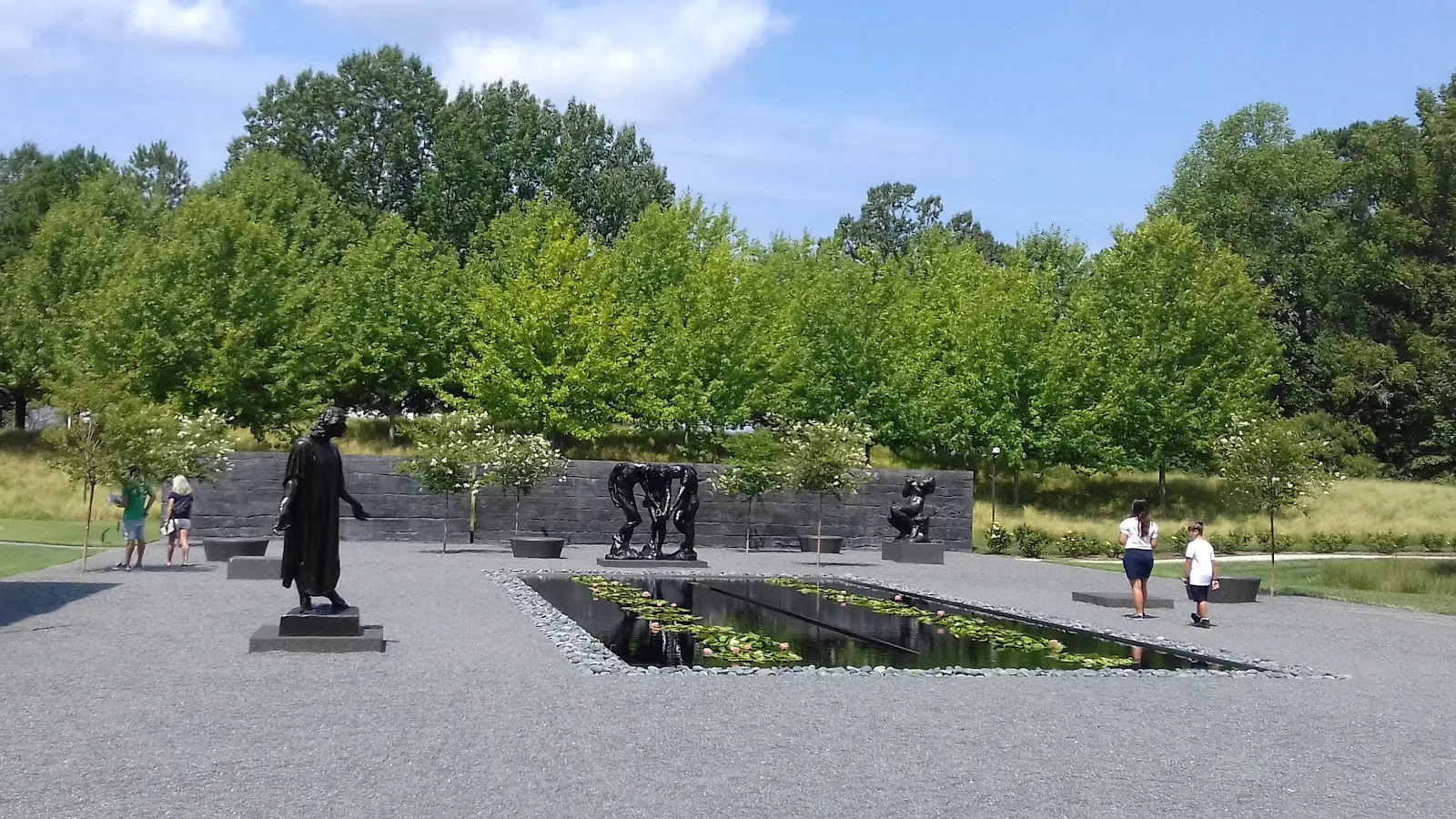
The museum holds a large group of Auguste Rodin sculptures, which is among the largest collections of his work in the Southeast. The Judaic galleries contain ceremonial objects that show how the culture used art in worship and daily ritual, and they are a useful stop for visitors who want to see work outside the usual European canon.
The West Building and the museum's history
North Carolina was the first state to fund an art museum collection through its government. The collection dates to 1947, and the galleries opened in 1956.
The West Building is a glass and steel structure completed in 2010 as an expansion of the museum. It is the building most visitors walk through first, and it connects the main galleries to the rest of the site.
The Museum Park
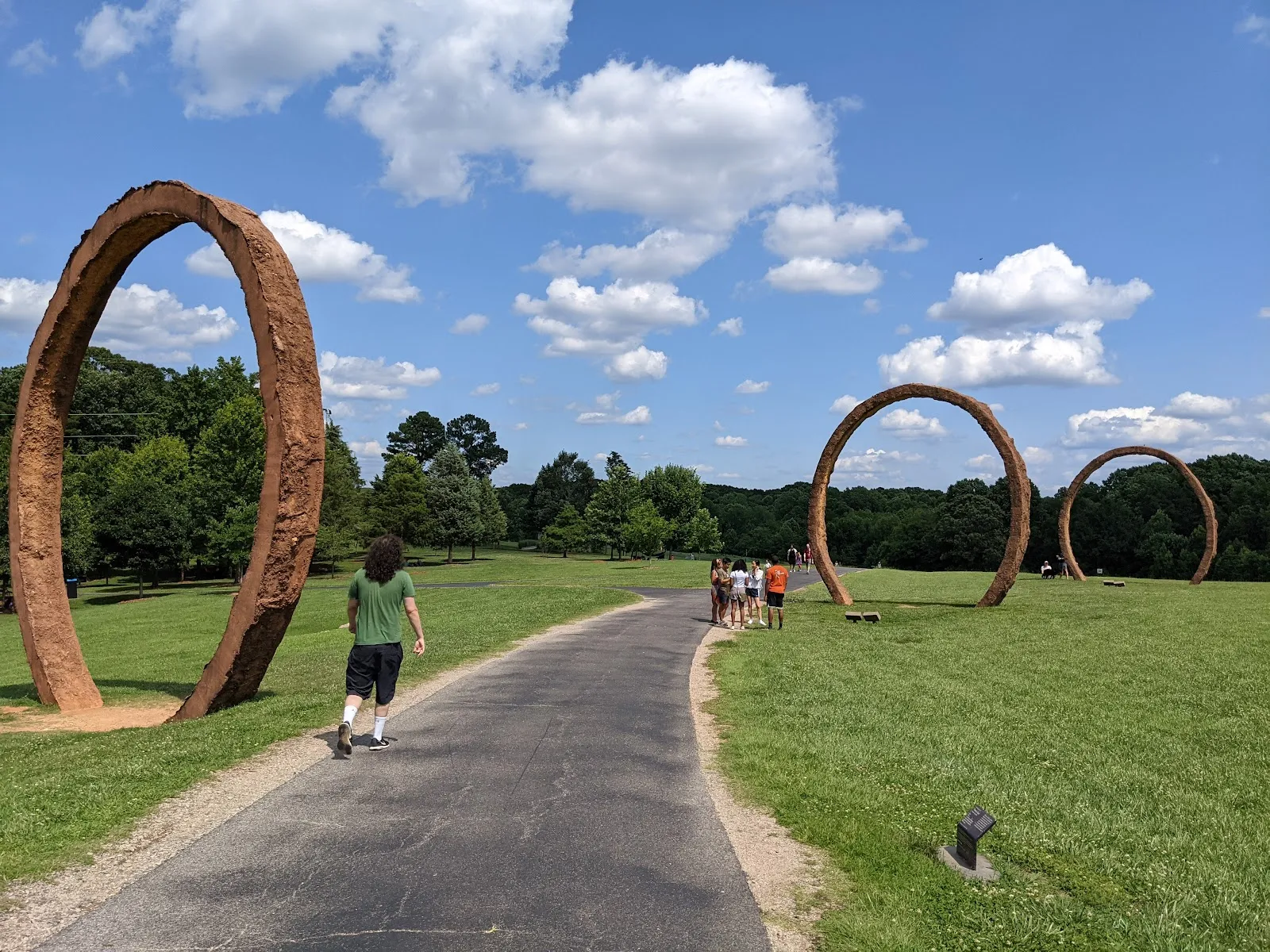
The 164-acre park combines paved and unpaved trails, woodlands, meadows, creeks and open lawns. Sculptures and installations are placed along the paths, including the Cloud Chamber for the Trees and Sky, a wooden structure set into the trees, and the Gyre Rings by Thomas Sayre, a piece of landscape art.
The Joseph M. Bryan, Jr., Theater is an open-air amphitheater in the park, where live music and movies are shown in the warmer months. Benches and open spaces are spread through the grounds for resting. Dogs are allowed on the walking trails, and the park has a bikeshare station.
Special exhibitions
The museum runs ticketed special exhibitions on a rotating basis. Recent topics have included The Book of Esther in the Age of Rembrandt and Samurai: The Making of a Warrior. Past guest shows have featured Frieda + Diego, Scott Avett and Ansel Adams.
Special exhibitions are separate from the free permanent collection, so check the current show before you go and buy tickets in advance.
Visiting with access needs
The museum is wheelchair accessible at the entrance, with an elevator, accessible restrooms, accessible seating and an accessible parking lot. Visitors who find long walks hard can use motorized scooters on the grounds.
The museum offers tours for visually impaired visitors, assistive hearing loop and assisted listening devices, and multilingual resources. Guided tours run daily at set times, and the museum also offers tours on Saturdays for the park.
Eating, shopping and photography
The museum has a cafe and a restaurant on site, along with a marketplace and a gift shop that sells books, jewelry and other items. A coat check is available.
For photos, the modern architecture, the sculptures and the tall grasses make strong backgrounds. The grasses are green in spring and summer and turn a warm brown in fall and winter. Natural light near sunset is especially good for outdoor pictures. Summer and early fall bring sunflower and wildflower fields to the grounds.
Preguntas frecuentes
Is there an entry fee?
The permanent collection is free to enter. Special exhibitions charge admission, and advance tickets are recommended for them.
Is the Museum Park free?
Yes. The 164-acre park and its trails are free to use, and the parking lot is free.
How long do you need?
Half a day works for the galleries and a walk through the park. Some visitors spend a full day here.
Can I bring my dog?
Dogs are allowed on the walking trails in the Museum Park.
Is the museum wheelchair accessible?
Yes. The entrance, elevator, restrooms, seating and parking lot are wheelchair accessible, and motorized scooters are available on the grounds.


