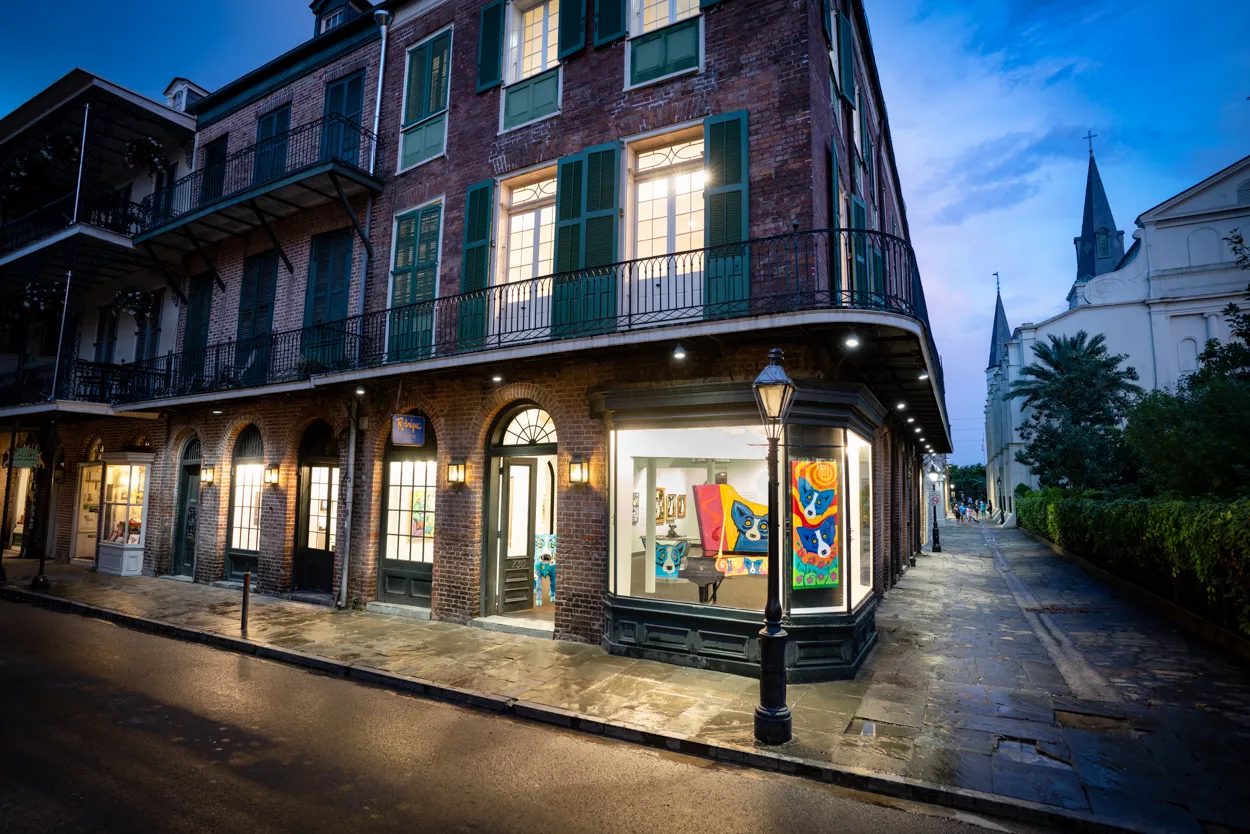
In Tremé, the Backstreet Cultural Museum documents the African American traditions that shape New Orleans street life. Its collection brings together Mardi Gras Indian suits, photographs, films and objects connected with jazz funerals, second-line parades, social aid and pleasure clubs, Baby Dolls, and Skull and Bone gangs. Look closely at the hand-beaded regalia, then take time with the records of processions and neighborhood groups. The museum is at 1531 St Philip St and is a focused stop for anyone wanting context for the city’s masking and parade traditions.
A collection rooted in Tremé
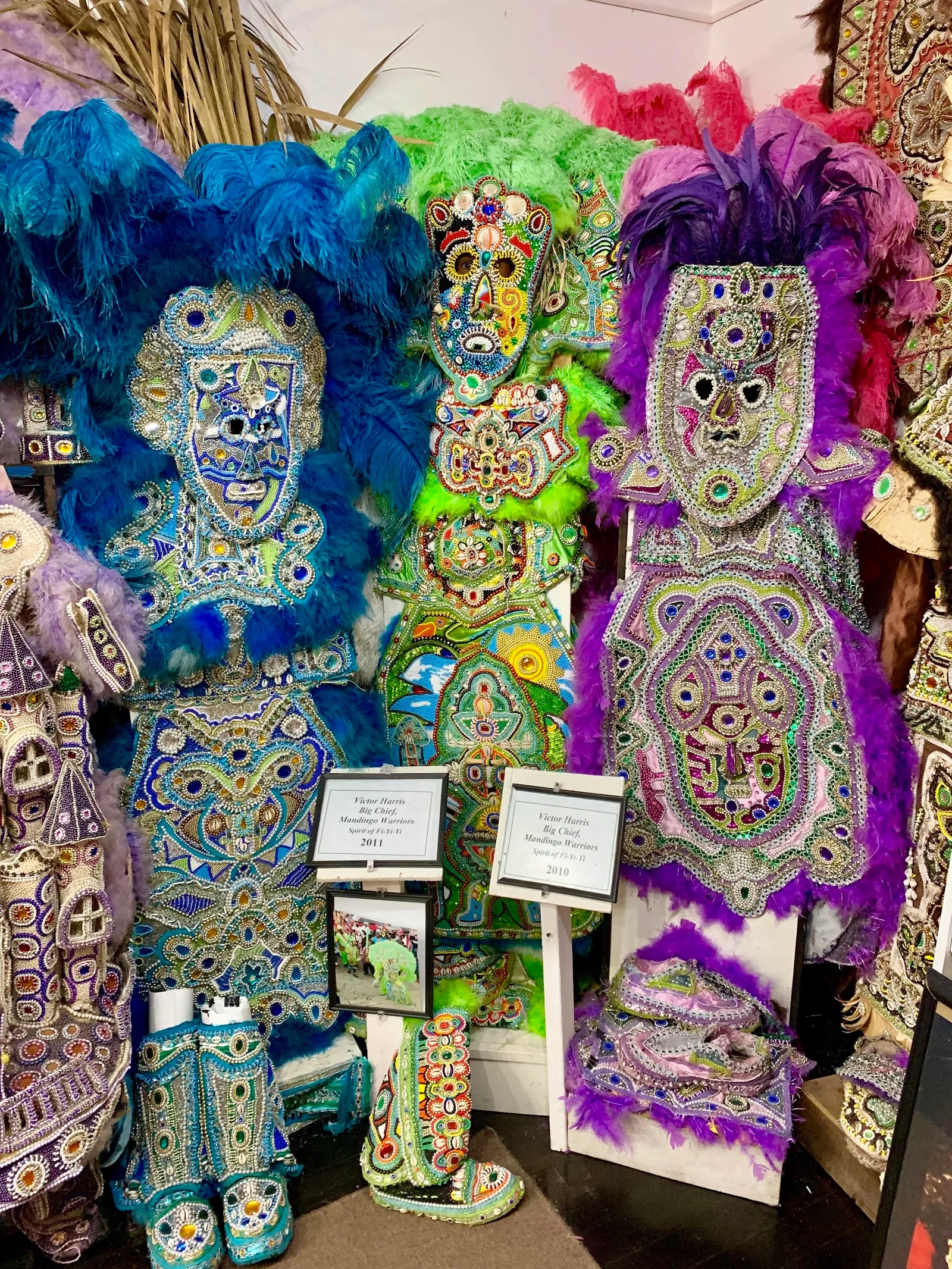
The Backstreet Cultural Museum preserves African American cultural traditions in New Orleans, with a particular focus on masking and processions. Its collection covers Mardi Gras Indians, jazz funerals, second-line parades, social aid and pleasure clubs, Baby Dolls, and Skull and Bone gangs. Costumes, photographs, films and other objects connect these practices to the communities that carry them forward.
The museum grew from the work of local photographer Sylvester Francis, who began displaying photographs and Mardi Gras Indian material in his garage in Tremé. Community members contributed more objects, and the collection moved into a dedicated building. Francis documented local processions and cultural events; some of the films in the archive are available to view on request.
Mardi Gras Indian suits and street traditions
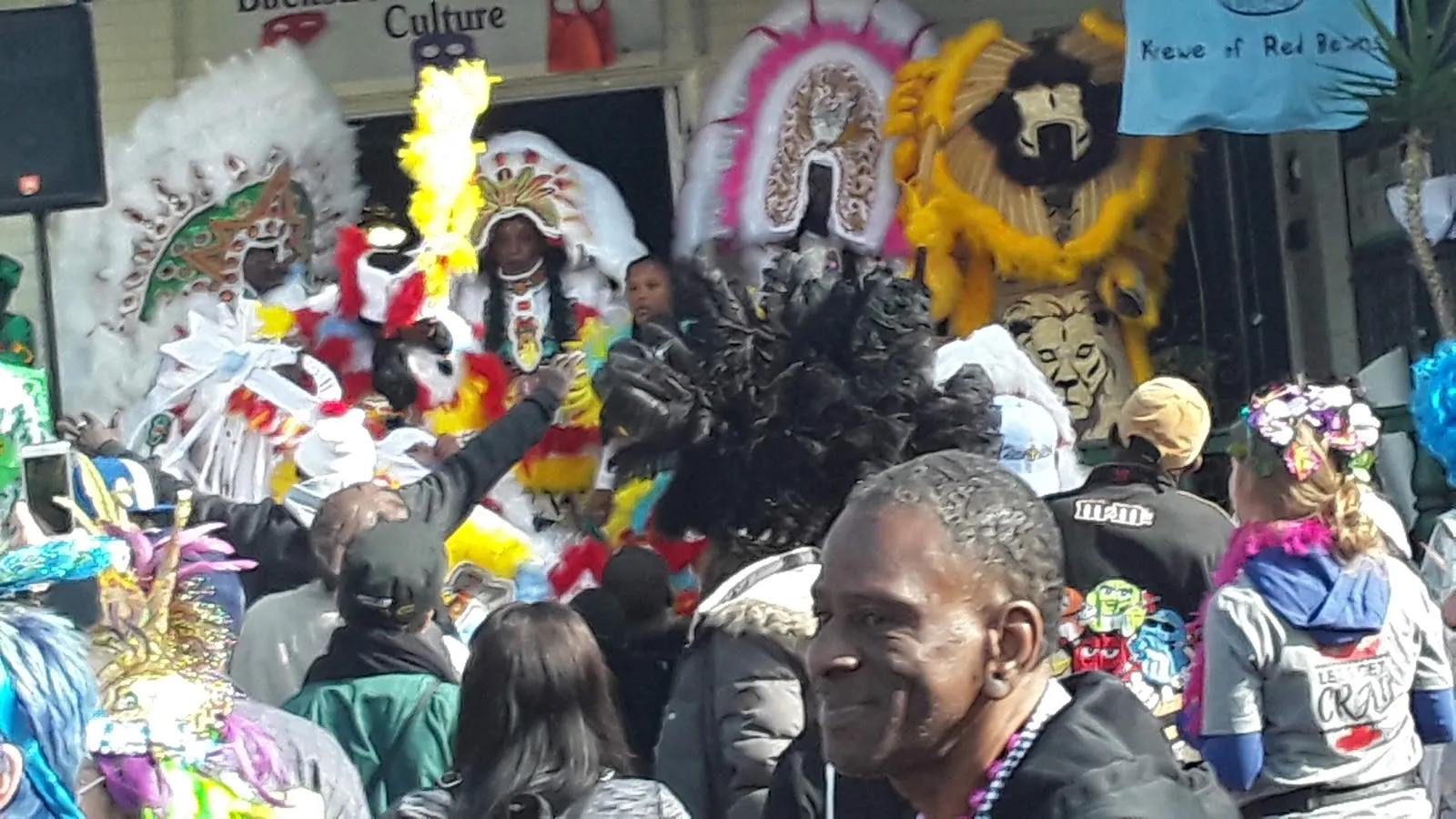
The hand-sewn Mardi Gras Indian suits are among the collection’s most visually detailed objects. Beads, sequins, rhinestones and feathers cover elaborate designs made by local artists. Their colors and craftsmanship draw attention, but the museum also provides material about the traditions and histories connected with the regalia.
Other displays place the suits alongside records of second lines, jazz funerals and neighborhood organizations. Photographs and memorabilia trace how processions bring communities together in public space. The collection also includes North Side Skull and Bones costumes and material relating to Baby Dolls, extending the story beyond Mardi Gras Indian masking.
How to explore the museum
The displays occupy two floors, with memorabilia filling rooms and hallways. Move at a measured pace to take in the smaller objects and photographs as well as the costumes. Staff can answer questions about the exhibits, and the museum has also hosted guided tours, sewing classes and oral-history work.
Films form an important part of the archive, documenting parades, jazz funerals and other local events. Some can be viewed by request, so ask about them during your visit. The museum is at 1531 St Philip St in Tremé. A Saturday visit ahead of a Super Sunday or Uptown Indian parade can help connect the collection to events taking place in the city.
Preguntas frecuentes
Where is the Backstreet Cultural Museum?
It is at 1531 St Philip St in the Tremé neighborhood of New Orleans.
What can you see at the Backstreet Cultural Museum?
The collection includes Mardi Gras Indian suits and regalia, photographs, films, and objects connected with jazz funerals, second lines, social aid and pleasure clubs, Baby Dolls, and Skull and Bone gangs.
Can you watch films at the museum?
Some films documenting local parades, jazz funerals and other events are available to view on request. Ask staff during your visit.
When is a good time to visit?
Saturday before a Super Sunday or Uptown Indian parade is a useful time to go, with the museum’s displays offering context for those traditions.