
In downtown Atlanta, the National Center for Civil and Human Rights connects the U.S. civil rights movement with human rights struggles around the world. Its three-level museum brings history close through Martin Luther King Jr.’s handwritten materials, stories of the Freedom Riders and Emmett Till, and interactive exhibits. The lunch-counter simulation is especially intense: you sit at a counter and hear the threats directed at protesters. Start with the civil rights galleries on the ground floor, then continue upstairs to exhibits on global human rights and ways to take action.
Three exhibitions, two connected histories
The National Center for Civil and Human Rights opened in downtown Atlanta in 2014. Its exhibitions link the American civil rights movement with the continuing global struggle for human rights. The museum’s permanent displays include “Rolls Down Like Water: The American Civil Rights Movement,” “Spark of Conviction: The Global Human Rights Movement” and “Voice to the Voiceless: The Morehouse College Martin Luther King, Jr. Collection.” Temporary displays and rotating materials add other subjects and objects to the visit.
The ground-floor galleries focus mainly on U.S. civil rights history. Upstairs, the emphasis shifts to human rights around the world. This sequence gives the visit a clear progression, from the history of segregation and protest in the United States to individual accounts of rights violations and efforts to address them.
The civil rights galleries
“Rolls Down Like Water” traces the American civil rights movement through archival material, interactive displays and personal stories. The exhibits cover segregation and nonviolent protest, including the Freedom Riders, who challenged segregation on buses in the South and faced violence. A replica Greyhound bus brings oral histories into the exhibition, with accounts from people involved in the movement and a short film.
The lunch-counter installation puts you in the position of a protester during a sit-in. Seated at the counter, you hear threats and racist abuse through headphones. The experience is deliberately confrontational and can be difficult to sit through. It gives visitors a chance to consider the hostility protesters faced, but it is not a light or quick activity; leave room afterward to process what you heard.
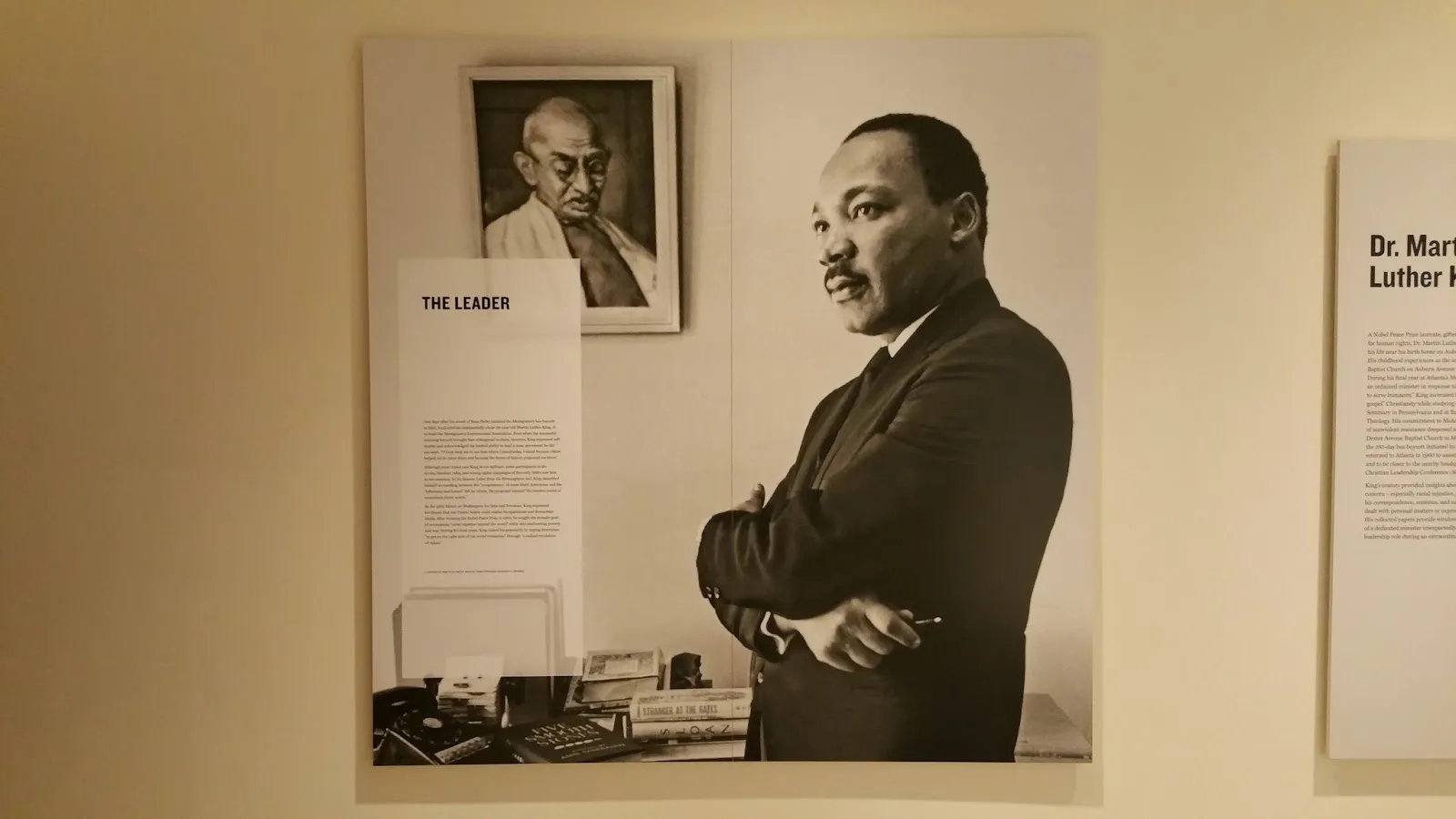
The Martin Luther King Jr. collection presents handwritten documents and personal effects connected to the Morehouse College collection. Video and archival material add context to the objects. Some of the documents and displays rotate, so the items on view can change.
Global human rights and personal accounts
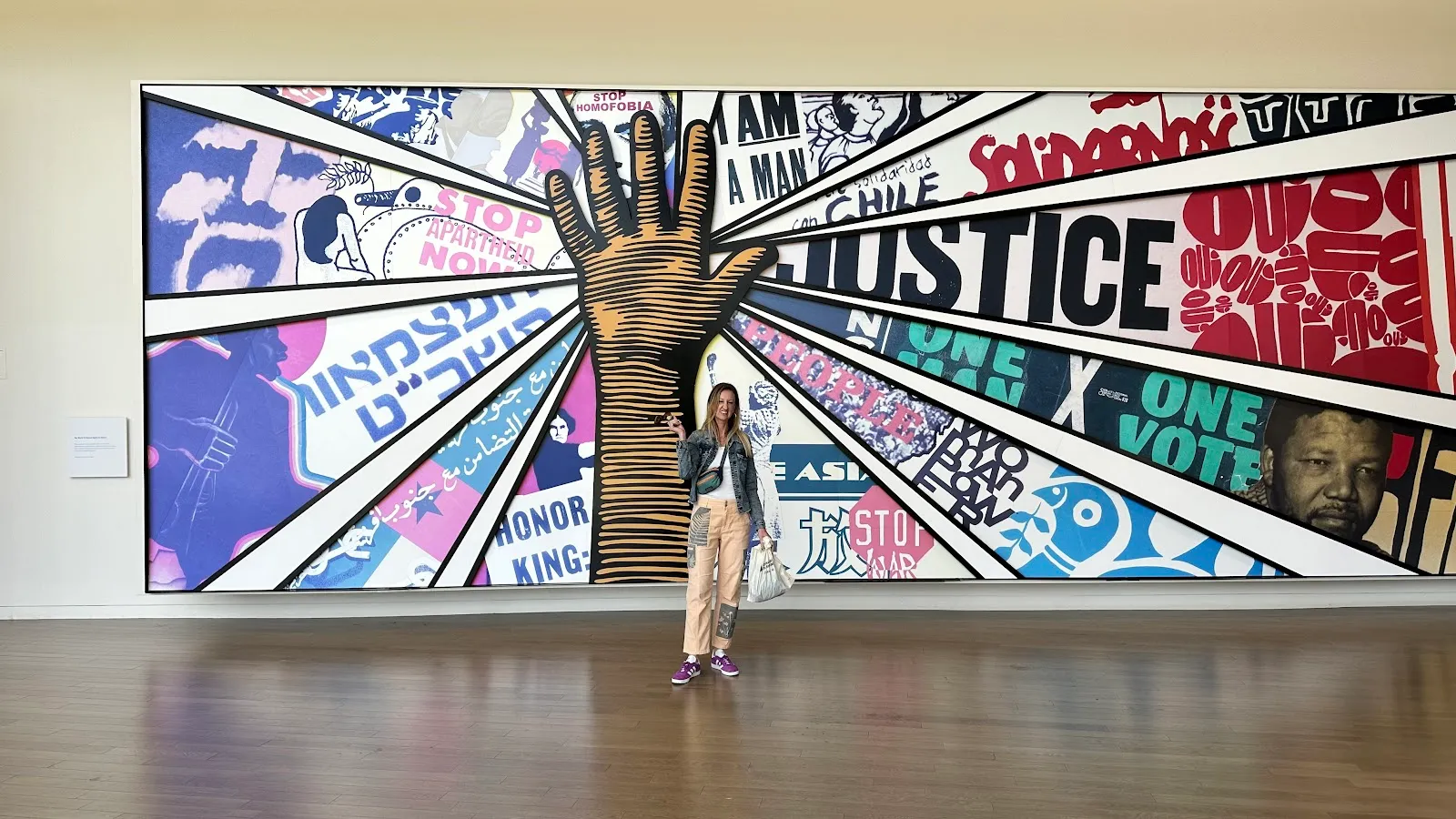
The second-floor galleries turn toward human rights movements across the world. “Spark of Conviction” uses personal accounts and interactive displays to bring individual experiences into focus. One installation presents testimony from people describing injustice in their own lives; other exhibits introduce human rights defenders, including Nelson Mandela and Eleanor Roosevelt.
The galleries also connect historical struggles to current human rights concerns. Interactive elements invite visitors to consider experiences beyond their own, and the exhibition includes ideas for ways to support human rights. The change in focus from the ground-floor civil rights displays to these global stories makes the two parts of the museum feel connected without treating them as the same history.
Planning your visit
The museum is at 100 Ivan Allen Jr Blvd NW in downtown Atlanta. It is a three-level, 43,000-square-foot space, with galleries that reward a patient visit: there is material to read, video to watch and time to spend with the interactive installations. Two hours is a useful minimum; visitors who take in the exhibits at a slower pace often need closer to three.
The subject matter is most suitable for middle-school-aged children, teens and adults. Younger children may find some of the historical context difficult to follow. If you are visiting in February, check the calendar for Black History Month events and programs for students, young people and adults. The museum is closed on Mondays, so check its current schedule and ticket information before setting out.
Preguntas frecuentes
How long should you spend at the National Center for Civil and Human Rights?
Allow at least two hours. If you read the displays, watch the videos and explore the interactive exhibits, plan for closer to three.
What are the main exhibits at the museum?
The permanent exhibitions cover the American civil rights movement, global human rights and the Morehouse College Martin Luther King Jr. collection. Temporary exhibits and rotating displays may also be on view.
Is the lunch-counter simulation intense?
Yes. The installation uses audio of threats and racist abuse directed at protesters. It can be emotionally difficult, so leave time afterward to reflect.
Is the museum suitable for children?
The material is best suited to middle-school-aged children and older. Younger visitors may find the context challenging.
When is the museum closed?
It is closed on Mondays. Check the museum’s current schedule before your visit.


