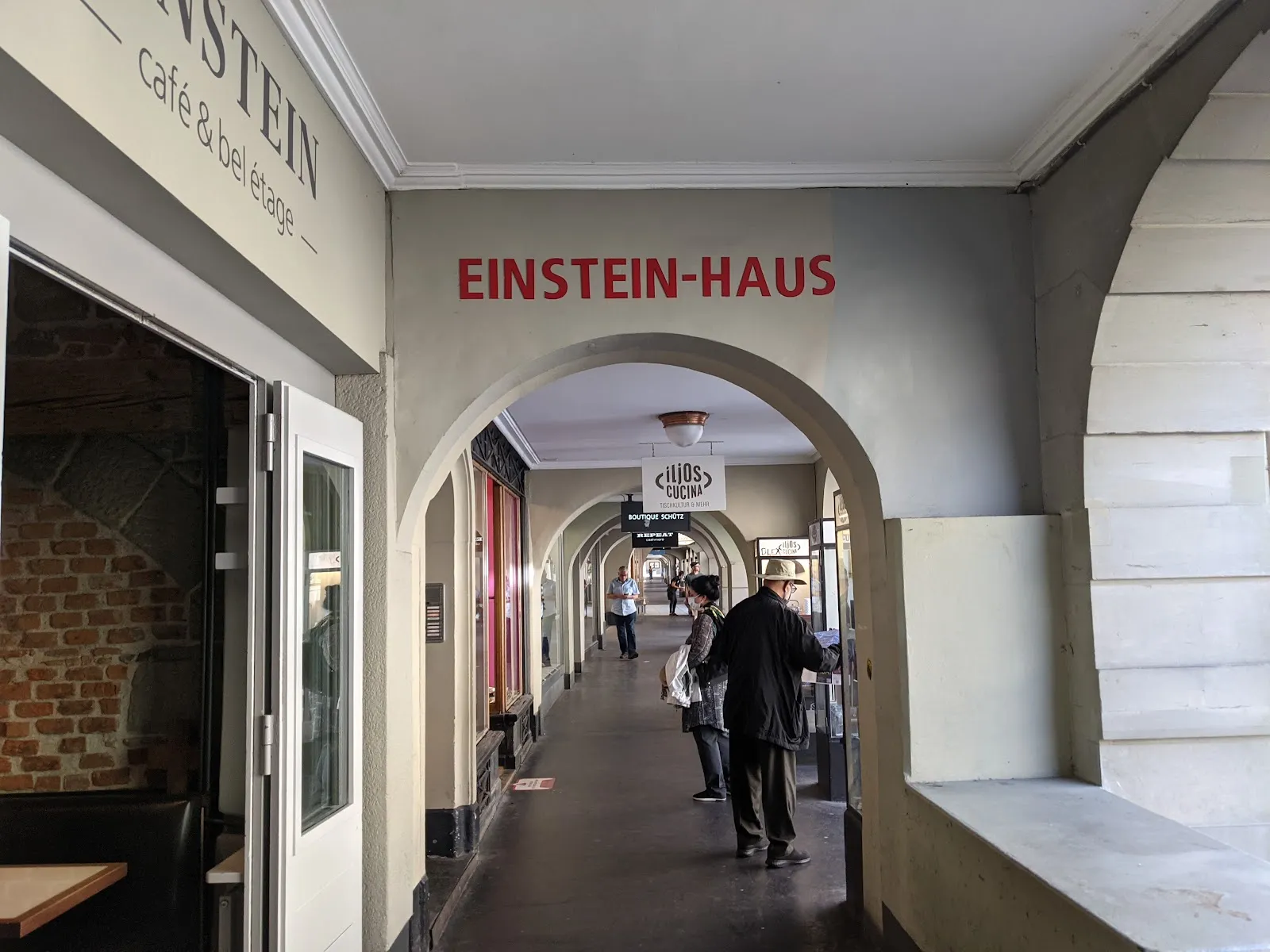
BearPark sits on a slope above the River Aare at the eastern edge of Bern's old city, beside the Nydeggbrücke. It opened in 2009 as the home of the city's brown bears, the animal on Bern's coat of arms. Entry is free and the grounds are open around the clock. The bears have close to 6,000 square metres of riverside space where they can climb, swim, fish or rest in the shade. From the paths you also look across the water to the roofs of the Old Town.
Why Bern has bears
The city's name is tied to the animal. According to the founding legend, Duke Berchtold V of Zähringen set out to build a city in the 12th century and promised to name it after the first animal his hunters killed. It was a bear, or Bär in German. The bear is now the heraldic symbol of both the city and the canton, and it appears on sculptures, fountains and decorations across Bern.
Bears have been kept in the city since 1513. Until 1857 they lived in the town itself, and after that in the bear pit. In 2009 the animals moved to the present park, which continues that long tradition in a larger setting.
The park on the Aare
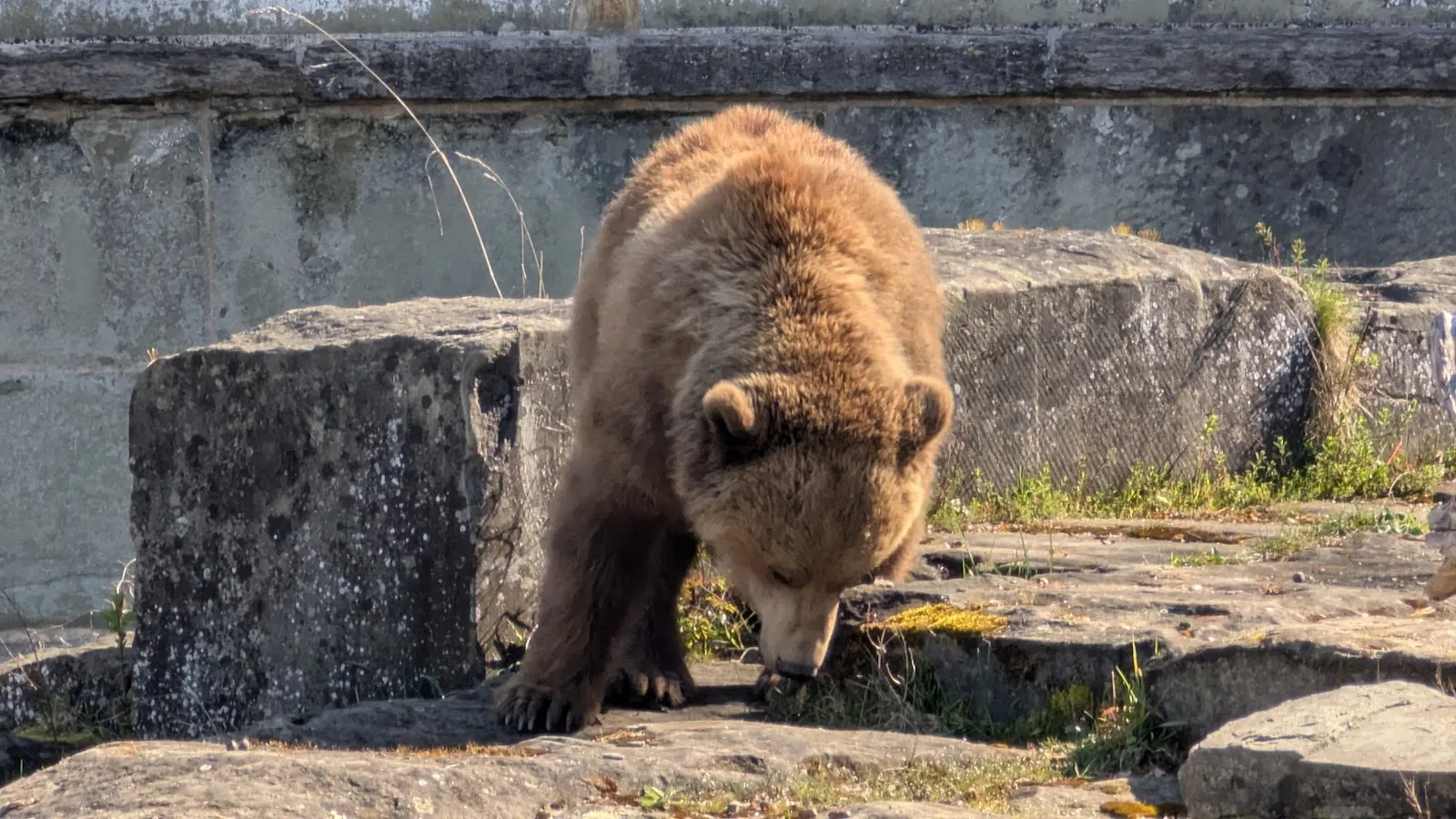
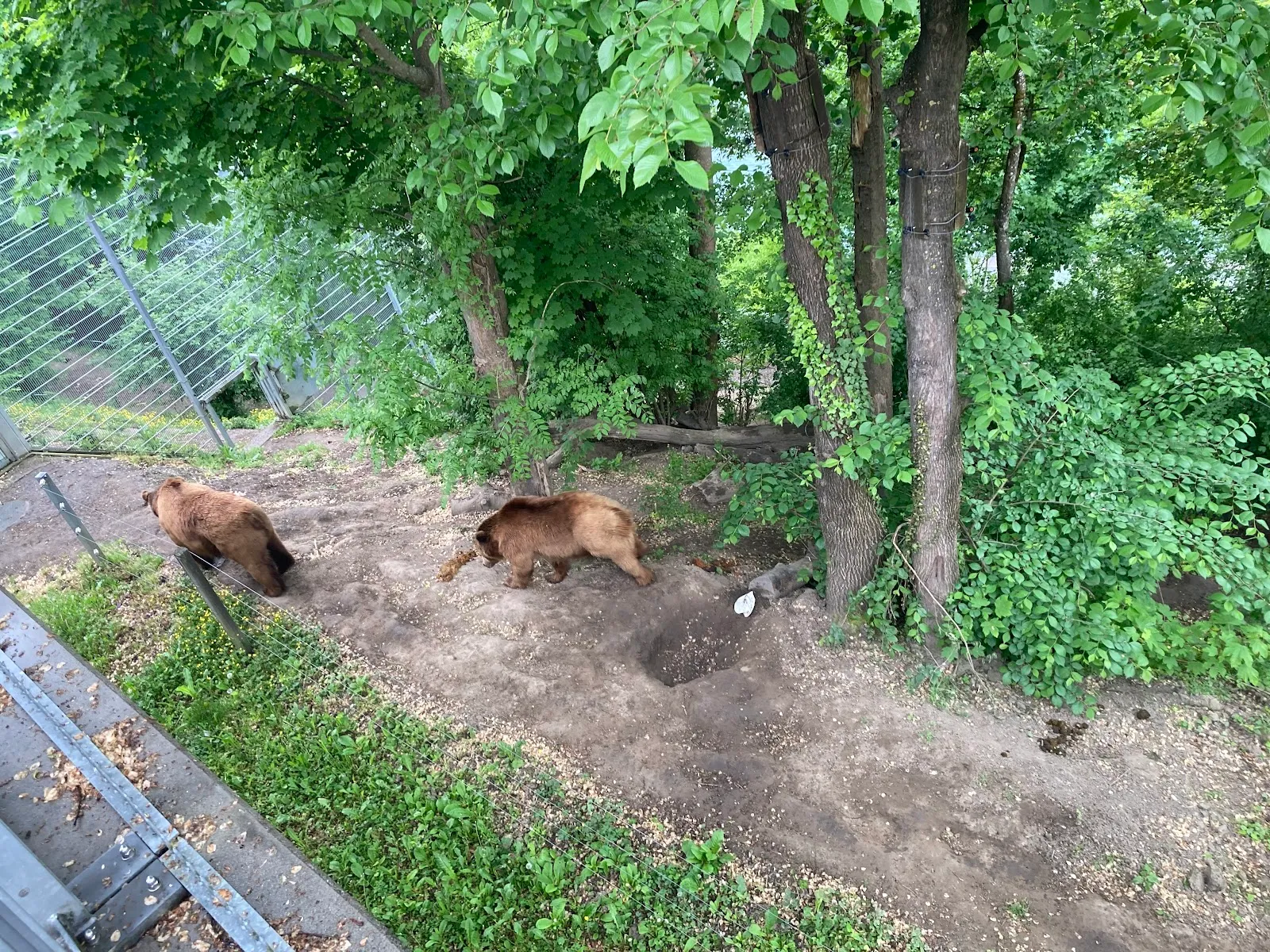
BearPark lies on the bank of the Aare, next to the Nydegg Bridge and at the bottom of the old town. The enclosure covers nearly 6,000 square metres of slope that runs down to the river. The bears can climb, play, swim and fish, and they can also withdraw and rest out of sight.
Because the space is natural and varied, sightings differ from one visit to the next. Some visitors see two or three bears out in the open, and others find them sleeping in the shade. A family of bears lives here, and watching them move between the pool and the slope is the main reason to come. Allow time to walk around to the different viewpoints rather than stopping at the first one.
Views, the bridge and the old pit
The Nydeggbrücke, built in 1840, leads from the Old Town to the park, and the crossing gives wide views of the river and the roofs of the old city. The old bear pit, called the Bärengraben, stands at the far end of the bridge and can still be visited, though the bears now live in the park.
An elevator links the levels near the park. It moves slowly and gives a clear look at the river below. Above the park, the Rose Garden is raised and offers some of the best views of the old town, which the Aare wraps around. The old town is a UNESCO World Heritage site.
Continuing on foot
BearPark is a natural starting point for a walk along the river. A route from here leads through the Matte district, the oldest part of the city, to the Marzili pool. It then crosses the Schönausteg to the Dählhölzli Zoo, which has a restaurant and more than 220 kinds of animals. The walk goes on upriver to Elfenau Park, a protected floodplain with ponds, reed beds and old trees, with views of the Gurten and the Aare.
If you do not want to walk back, bus no. 19 towards the main station reaches the city centre in about 15 minutes. The park also suits families, with a playground, a cafe and a wheelchair accessible entrance.
Preguntas frecuentes
Is there an entry fee for BearPark in Bern?
No. Entry is free for all visitors.
Is BearPark open at night?
The grounds are open around the clock, every day of the week.
Will I see the bears?
Usually, but not always. The bears often rest in shaded areas of their enclosure, so walk to the different viewpoints and give it some time.
How do I get to BearPark from the Old Town?
Walk across the Nydeggbrücke at the eastern edge of the old city. The park is at the far end, on the slope above the Aare.
Is BearPark good for children?
Yes. Families visit to watch the bears play and swim, and the park has a playground.