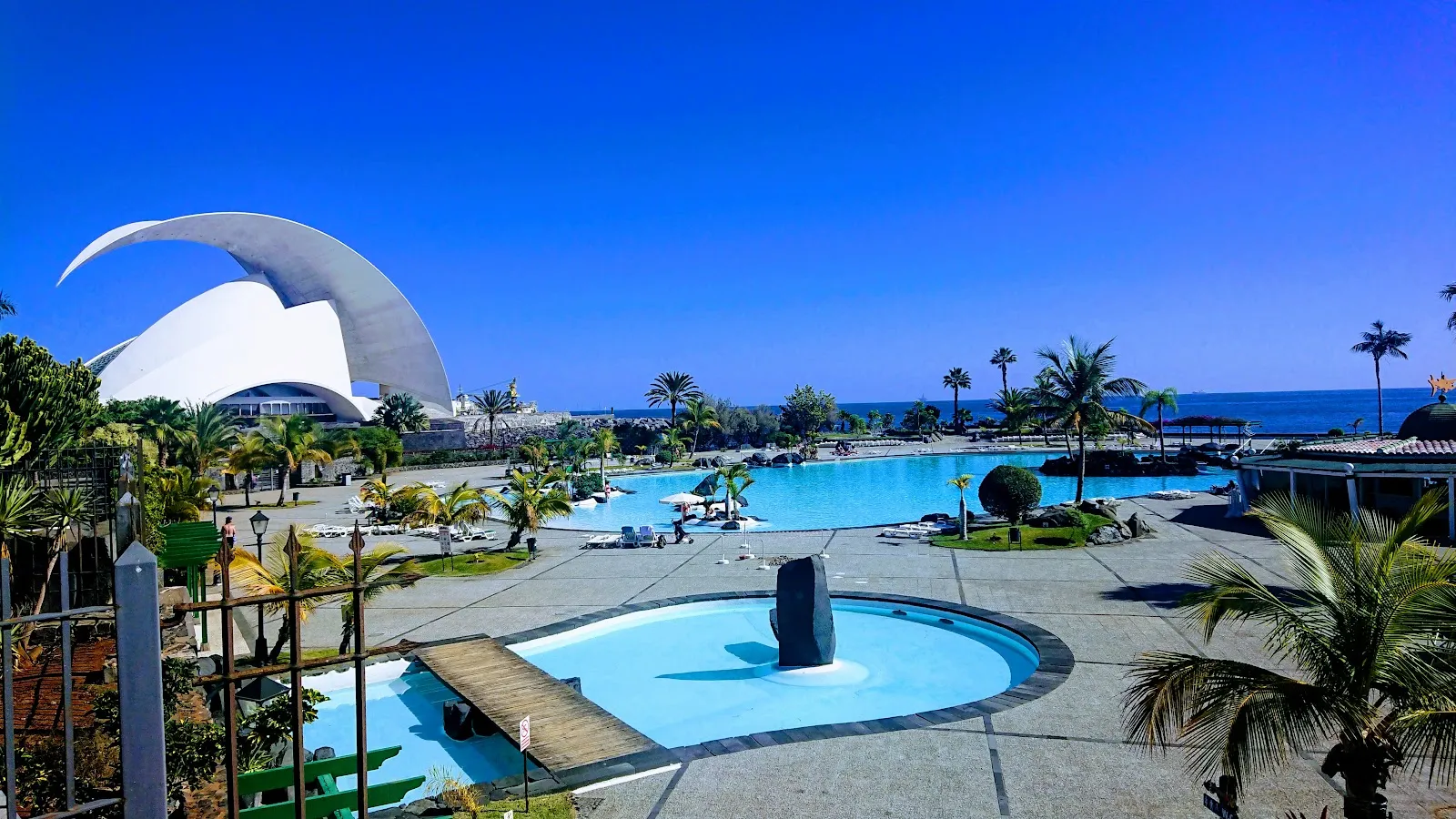
Palmetum is a botanical garden on an artificial hill in Santa Cruz de Tenerife, close to the Auditorio de Tenerife and the Atlantic. Its palm collection spans more than 500 species, grouped in landscape zones linked to regions such as Madagascar, the Caribbean, Oceania and Asia. Paths pass ponds, streams and waterfalls, with viewpoints over the sea, port and city. The garden was created on the site of a former rubbish dump, turning a disused area into a place for a long, quiet walk among plants from across the world.
A garden made from a former landfill
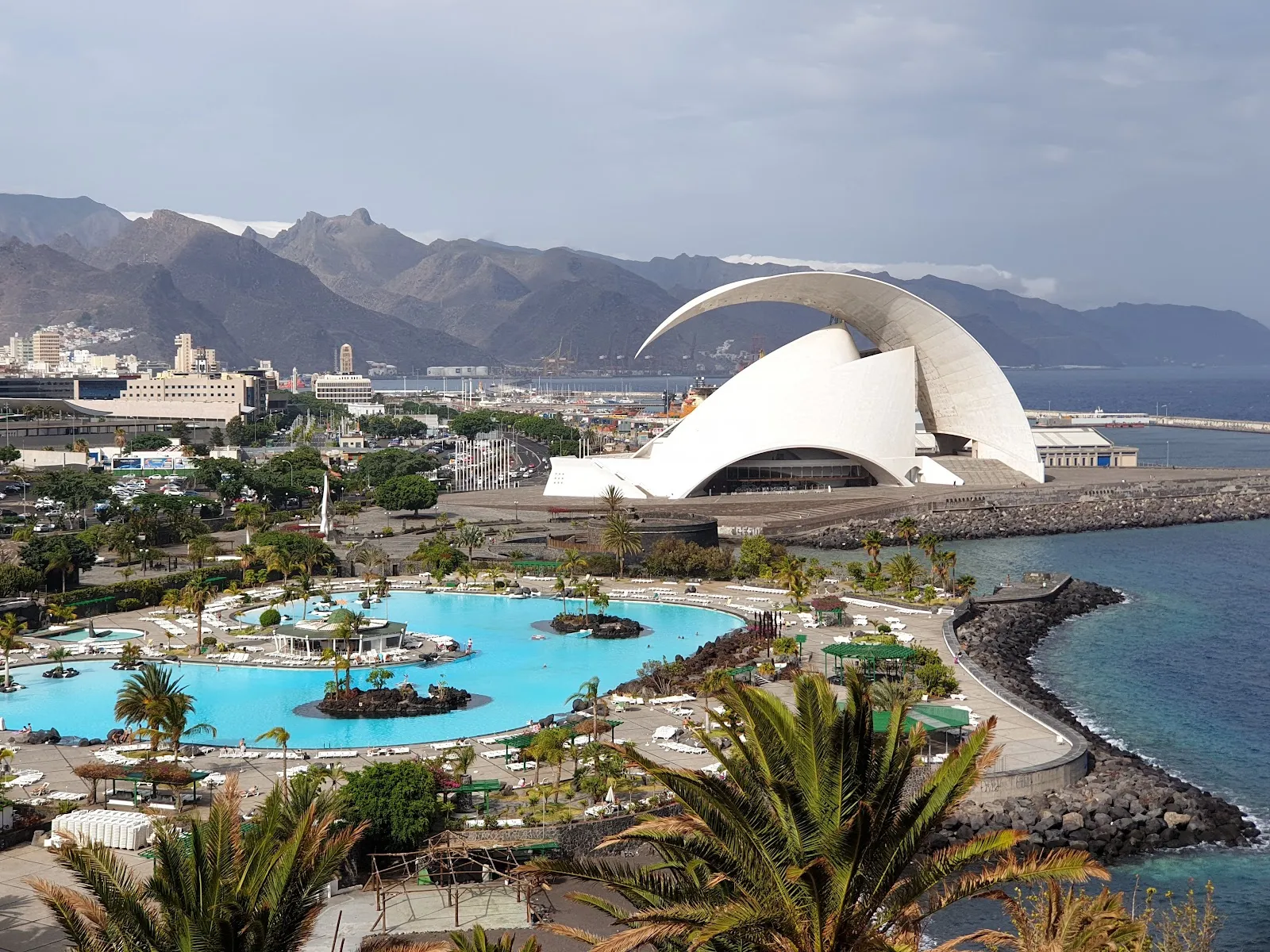
Palmetum occupies an artificial hill in Santa Cruz de Tenerife, between the city and the Atlantic. The site was once used as a rubbish dump and closed in 1983. A restoration project began in 1995, transforming the area into a botanical garden. The garden opened to the public in 2014.
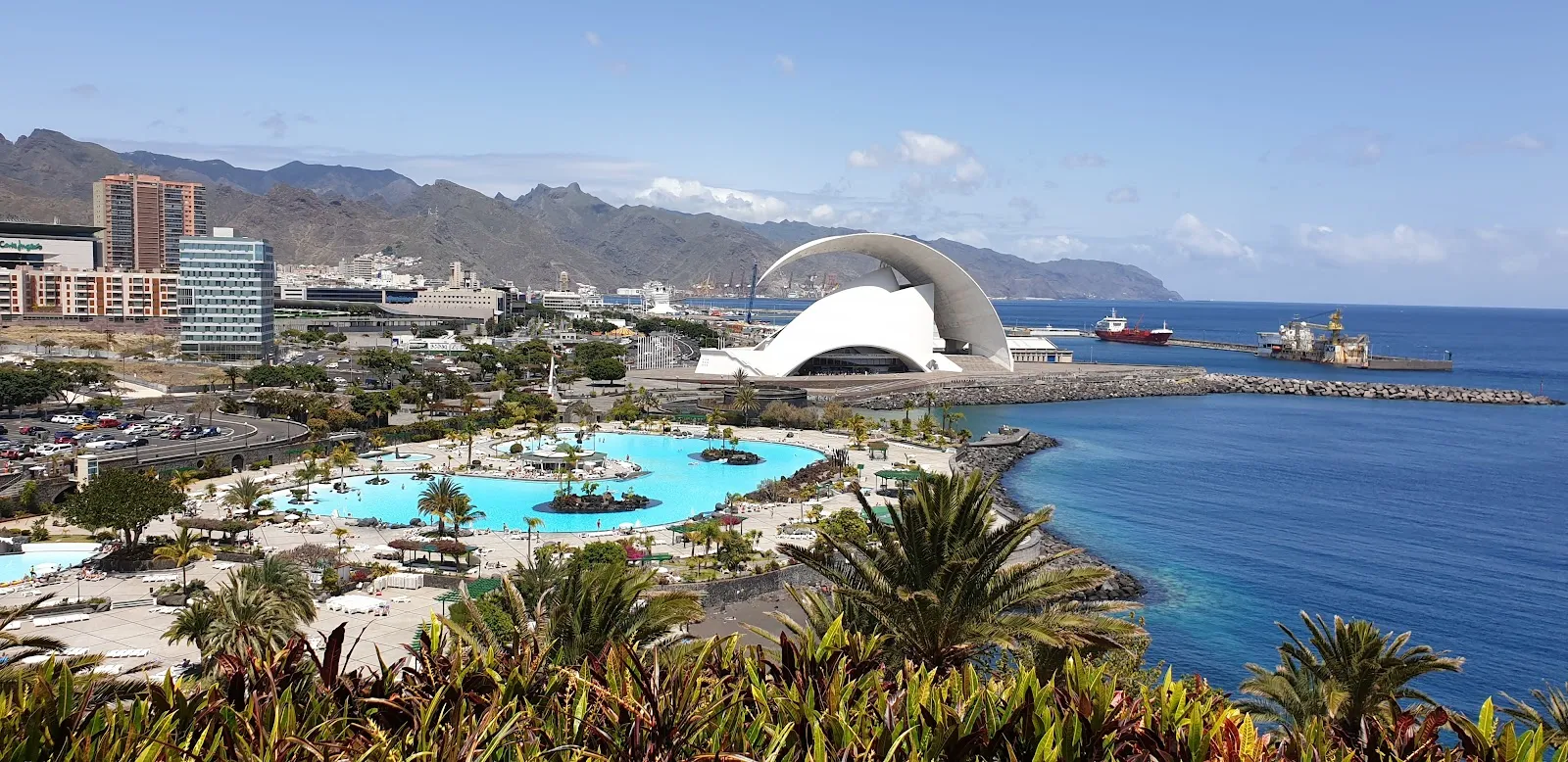
The change is visible in the landscape, but the garden is not only a story of reclamation. Its paths lead through planted zones with palms and other trees from tropical and subtropical regions. The result is a green space close to the city, with the sea and Santa Cruz’s buildings visible from elevated points.
Palm zones from around the world
Palmetum specialises in palms, with more than 500 species in its collection. The plants are arranged in biogeographic zones, so a walk through the grounds moves between areas associated with places such as Madagascar, the Caribbean, Oceania and Asia. Labels identify plants along the routes, giving you a way to connect the specimens with their regions.
The garden also contains other trees and shrubs, as well as plants suited to tropical and subtropical climates. The collection is the main focus for anyone interested in botany, but the variety of settings gives the walk a changing feel as you move between sections.
Water, wildlife and viewpoints
Streams, ponds and waterfalls run through the garden. They bring water into the planted areas and provide quieter places to pause along the paths. Birds, butterflies and insects can also be spotted among the vegetation, so take time to look beyond the palms.
Several viewpoints open onto the Atlantic and the city. From higher parts of the hill, you can see Santa Cruz, its port and the coastline. Benches provide places to sit, and the ocean-facing side of the garden is especially scenic. Views also include the nearby Auditorio de Tenerife, placing the garden within the city’s modern waterfront setting.
Getting around the grounds
Wide paths connect the garden’s zones, and signs help with orientation inside the site. The terrain rises and falls because Palmetum is built on a hill. Wheelchair-accessible entrance, parking and restroom facilities are listed, and visitors with limited mobility can use an electric wheelchair; a lift is available for the return route.
There are restrooms near the entrance and in the central part of the garden. A small snack bar provides a convenient place to stop for a drink, snack or ice cream during a longer visit. A couple of hours allows time to see several zones, while a slower circuit with breaks and viewpoint stops can take longer.
Preguntas frecuentes
How much does it cost to enter Palmetum?
The supplied visit information lists admission at €6 per person. Check the official Palmetum website for current ticket details before your visit.
How long should I spend at Palmetum?
Plan on about 2 to 3 hours to walk through the gardens and stop at the viewpoints.
Is Palmetum accessible for wheelchair users?
The site lists a wheelchair-accessible entrance and restrooms. The paths include slopes, and a lift is available for the return route.
What can you see at Palmetum?
The garden has more than 500 palm species arranged in regional zones, along with other trees and shrubs, ponds, streams, waterfalls and viewpoints over Santa Cruz and the Atlantic.