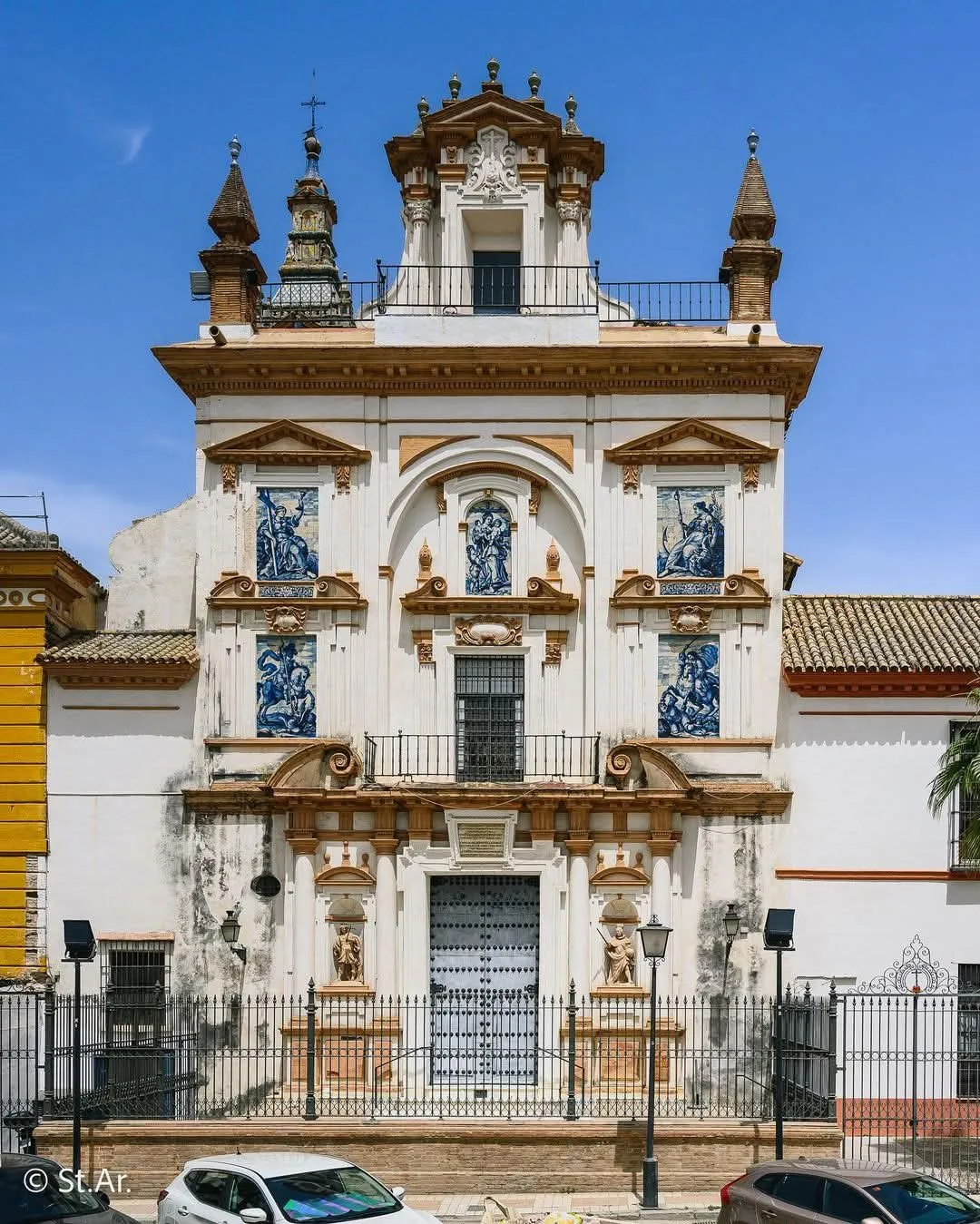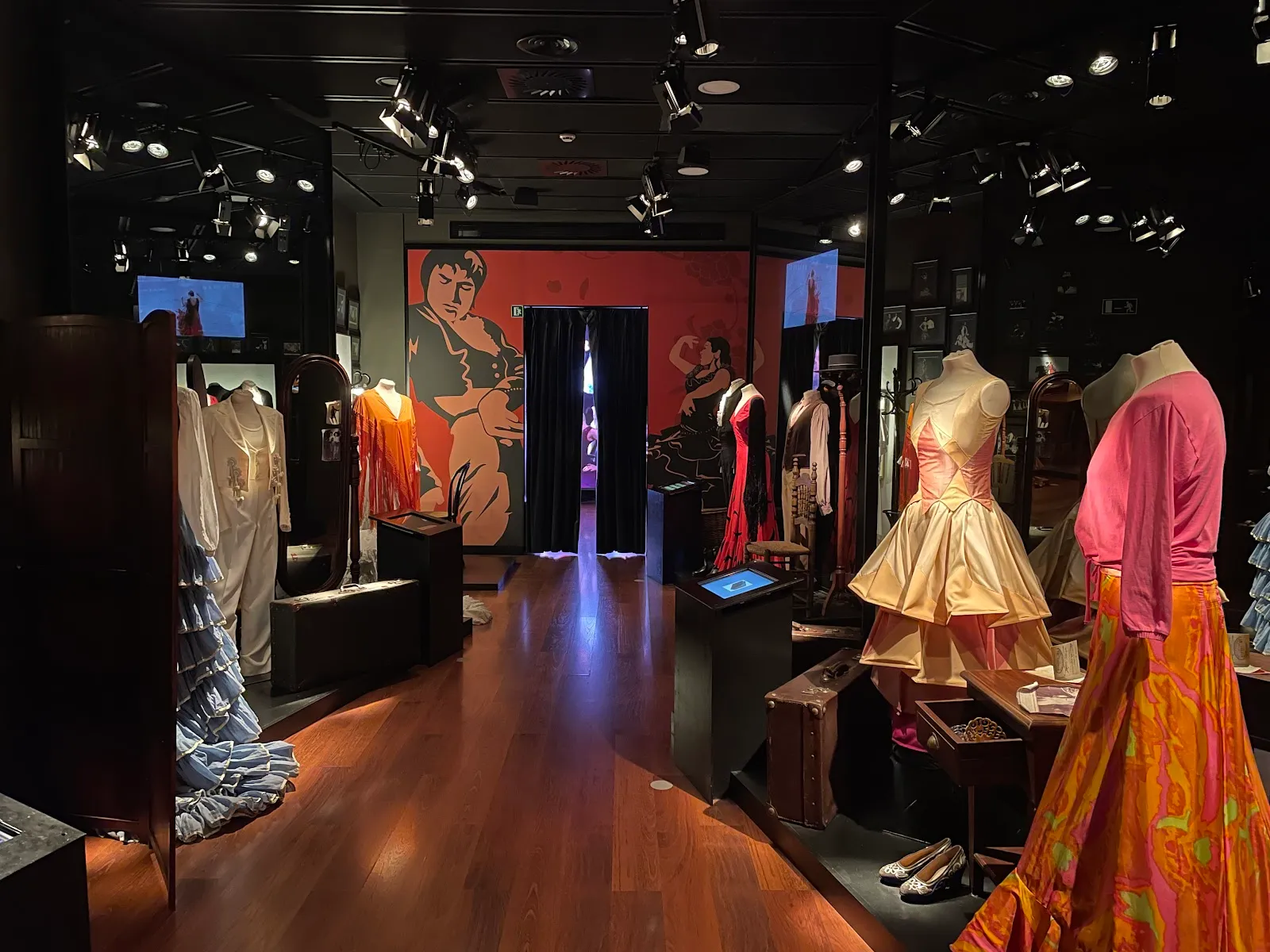
The Flamenco Dance Museum sits on Calle Manuel Rojas Marcos in Seville’s Santa Cruz neighborhood, in an 18th-century building. Its exhibits trace flamenco through costumes, photographs, objects and audiovisual displays, with interactive rooms exploring the dance’s history and development. The museum was founded by flamenco dancer Cristina Hoyos and also stages live performances in an intimate courtyard setting. Visit the exhibition to understand the art form, then book a show if you want to see dancers, singers and musicians perform in the building.
A museum founded by a dancer
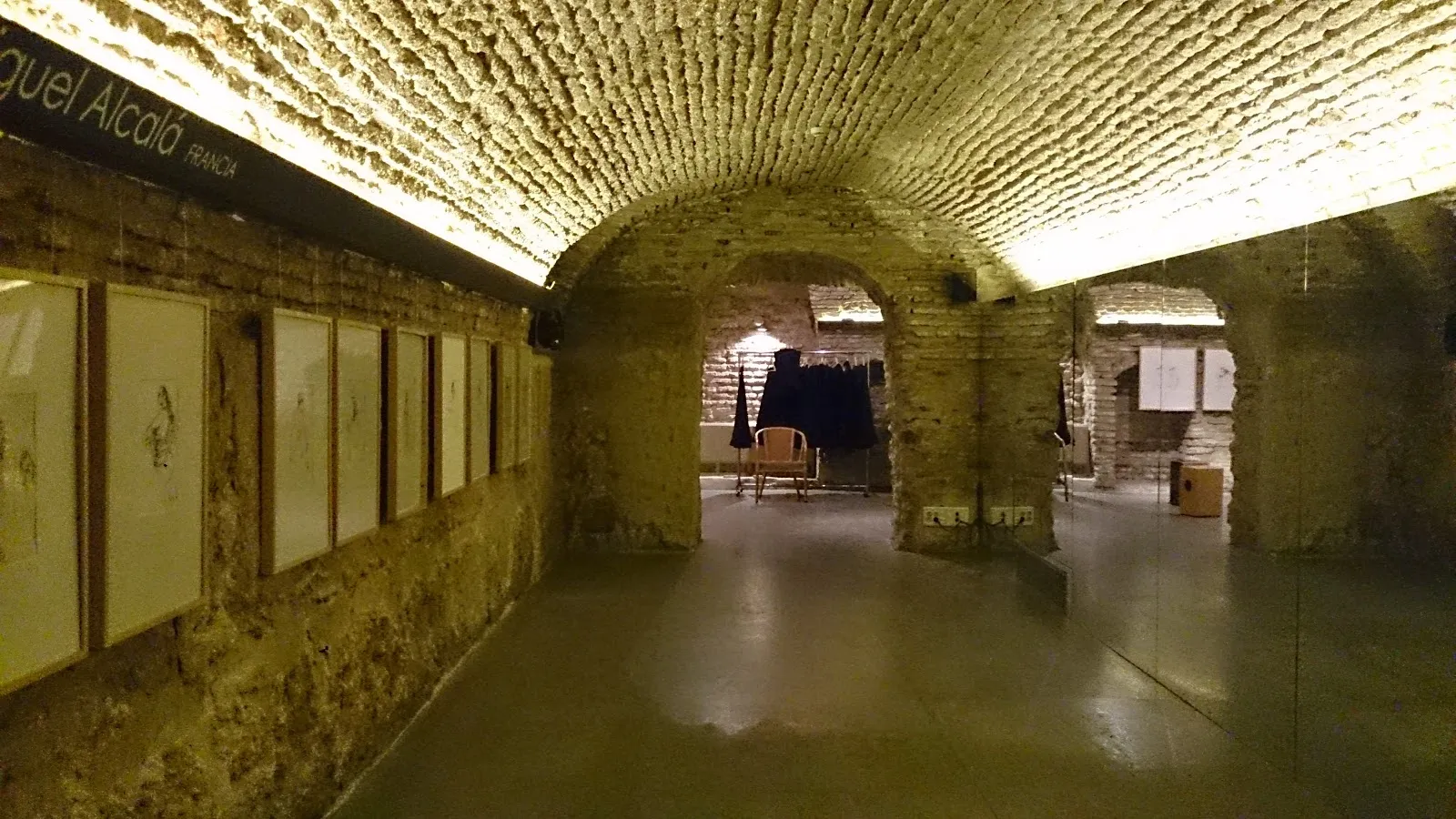
The Flamenco Dance Museum is in Seville’s Santa Cruz neighborhood, at Calle Manuel Rojas Marcos, 3. Dancer Cristina Hoyos founded it in 2006 as a place to explore flamenco through both exhibitions and performance. The museum occupies an 18th-century building and also functions as a theatre and academy.
The displays focus on flamenco’s history, music, dance and clothing. Rather than seeing the art form only on stage, you can follow its development through objects, images and audiovisual material. Interactive exhibits add movement and sound to the visit.
Costumes, images and moving displays
The exhibition includes flamenco dresses from different periods, along with photographs, posters and other objects connected with performers and the dance. One display recreates the atmosphere of a dressing room, with items such as hats, shawls, fans, castanets and costumes.
Multimedia rooms use film projections and other audiovisual displays to introduce flamenco’s origins and changing forms. Temporary exhibitions have also explored the art’s influence on other creative fields. The museum is relatively small, so the exhibits provide a focused introduction rather than a broad survey of Spanish history.
Seeing flamenco on stage
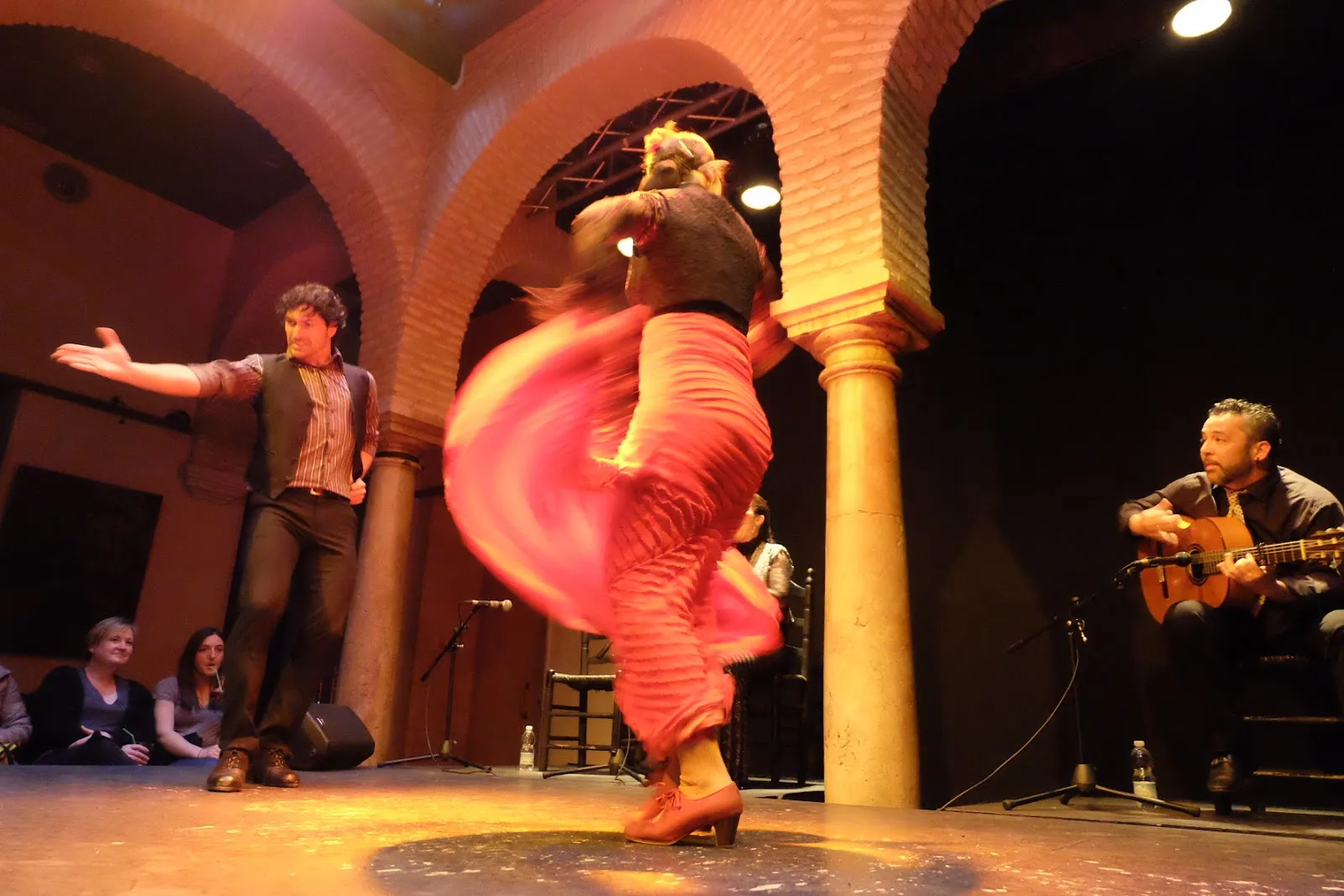
Live performances take place in an intimate setting within the museum, including its central courtyard. The programme brings together dancing, singing and music; some performances include traditional styles such as Alegrías. The close audience setting makes the movement, footwork and musical interplay easier to follow.
A show is a useful companion to the exhibition: the displays give context, while the performance lets you see flamenco as a living art. Shows are scheduled at different times, so check the ticket options for the date you plan to visit. Arrive ahead of the performance to choose a seat, and leave cameras and phones put away during the show.
Preguntas frecuentes
Where is the Flamenco Dance Museum?
It is at Calle Manuel Rojas Marcos, 3, in Seville’s Santa Cruz neighborhood.
Can you see a live flamenco show at the museum?
Yes. The museum stages live performances in an intimate setting, including its courtyard.
How long is the flamenco show?
The show is about an hour long.
Can you take photos during the performance?
Photography and video are not allowed during performances.