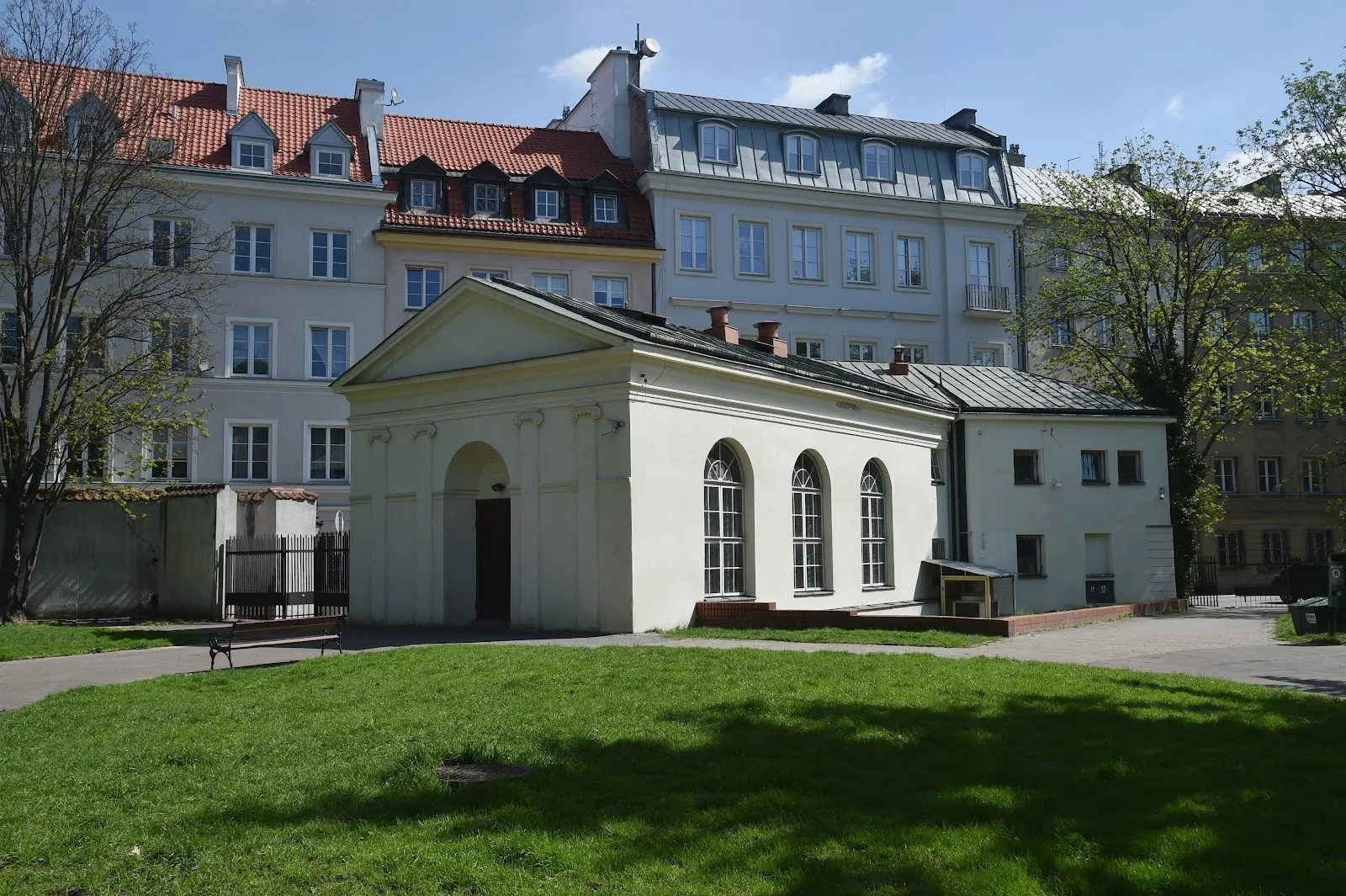
The Museum of Caricature E. Lipiński is a compact art museum on Kozia Street in Warsaw’s Old Town. Its Polish and international works use caricature, cartoons and comics to explore subjects such as solitude, political satire and the desire for freedom. Look for the basement display of advertising comics, as well as drawings and watercolours by artists from different countries. The museum occupies a former orangery associated with the 18th-century Prymas Castle, giving the collection an unusual setting.
A collection of caricature and comics
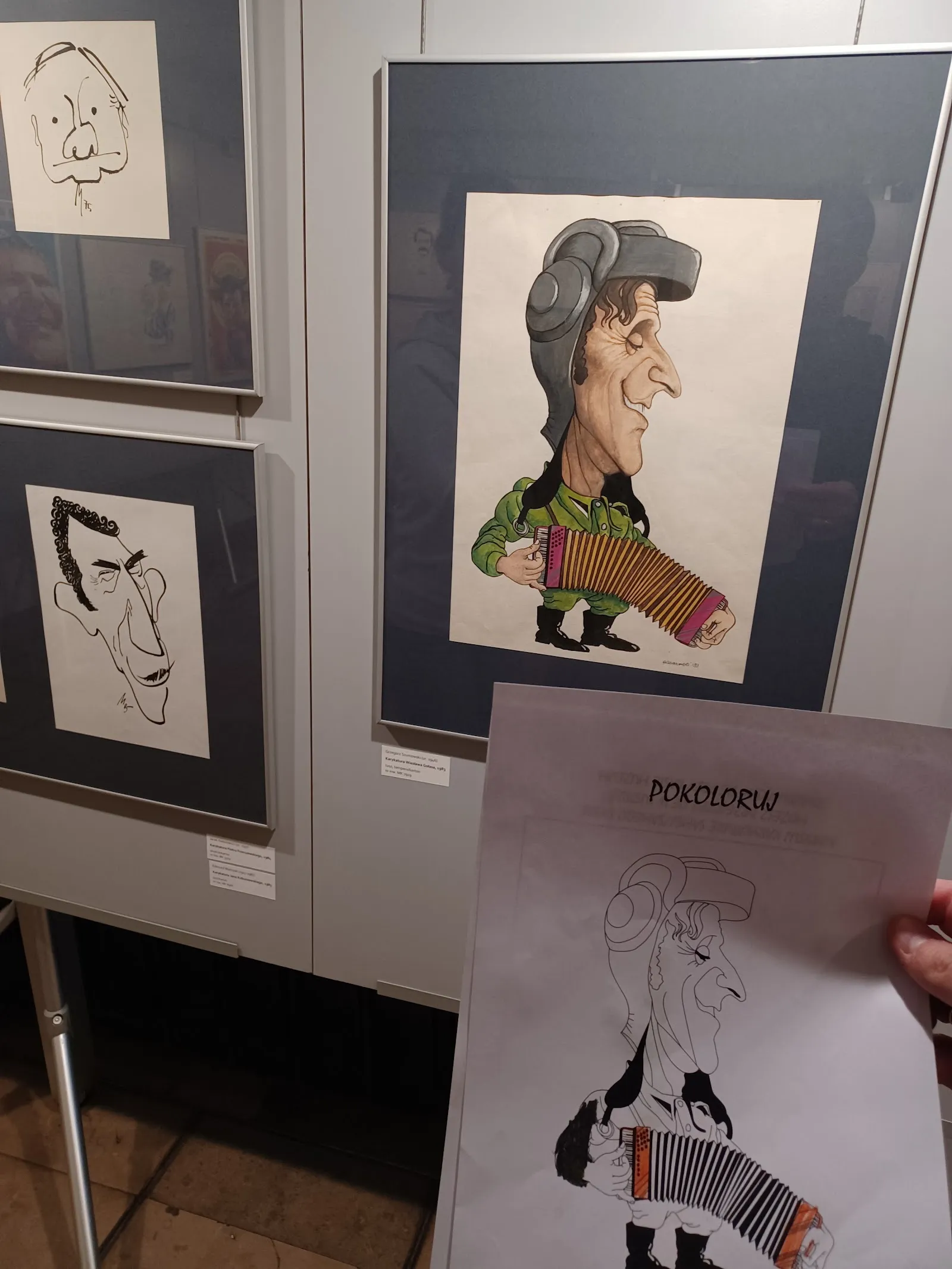
The Museum of Caricature E. Lipiński focuses on caricature, cartoons and comics by Polish and international artists. Its collection ranges from 18th-century works to contemporary art. The oldest work dates to the 18th century.
The displays take up a compact space, with drawings and watercolours arranged across a few rooms. Themes include solitude, sarcasm and political satire. Some works turn to shared human experiences, including helplessness and the wish for freedom.
The former orangery on Kozia Street
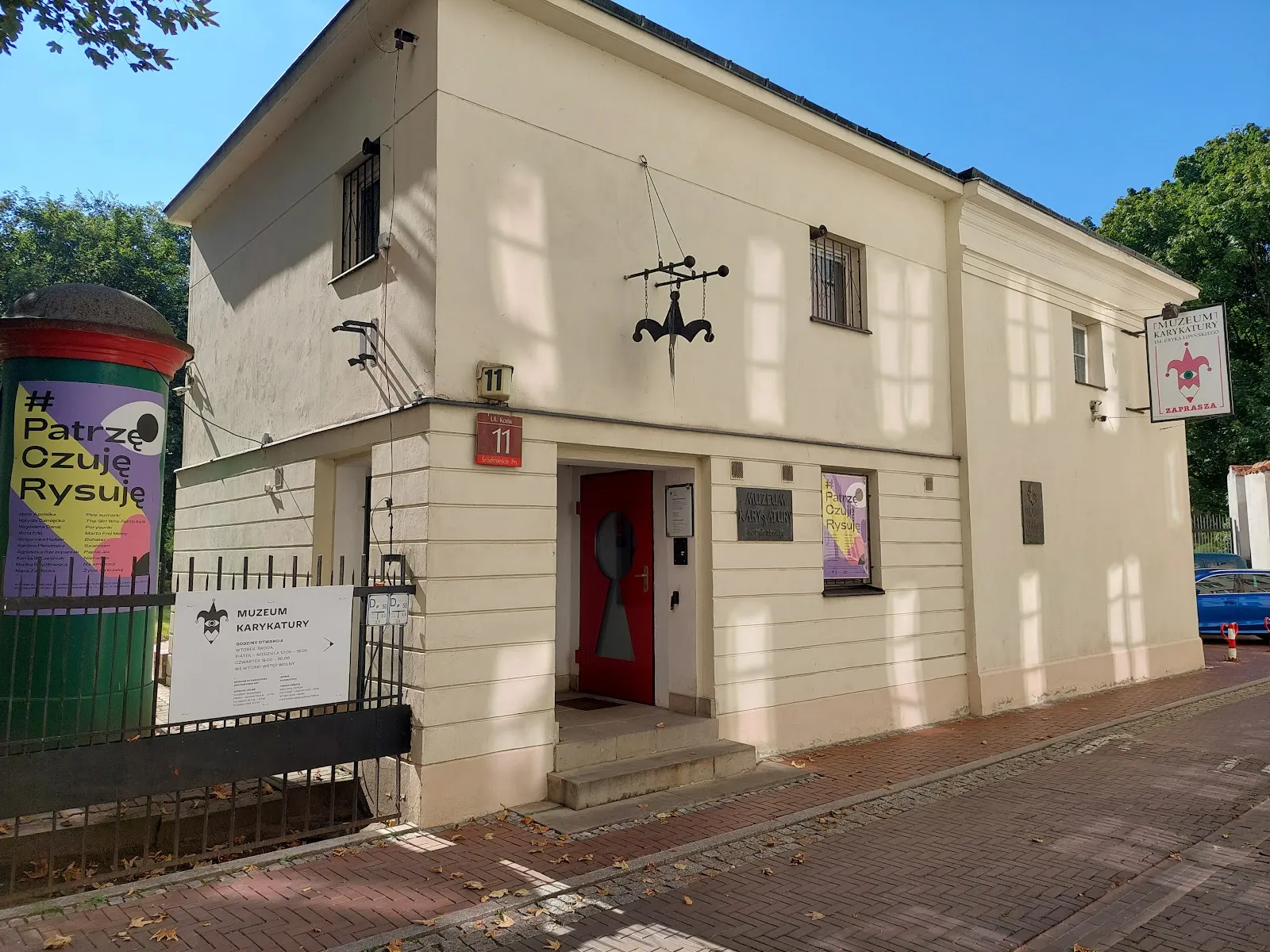
The museum is housed in an old orangery that once formed part of the 18th-century Prymas Castle. It stands at Kozia 11, on a quiet street in Warsaw’s Old Town.
The basement has a substantial display of advertising comics. The museum also hosts themed exhibitions and international competitions devoted to satirical drawing, so the selection can extend beyond the permanent collection.
Preguntas frecuentes
Where is the Museum of Caricature in Warsaw?
It is at Kozia 11 in Warsaw’s Old Town, on a quiet street near the Castle Square area.
Is admission free on Tuesdays?
Available visitor information reports free admission on Tuesdays. Check the museum’s current ticket details before your visit.
What can you see at the Museum of Caricature?
The collection includes Polish and international caricatures, drawings, watercolours and comics, with subjects such as political satire and solitude. The basement has a display of advertising comics.
How old are the works in the collection?
The collection includes works from the 18th century through to contemporary times; its oldest work dates to the 18th century.