At Plac Solidarności, beside the former Gdańsk Shipyard, the European Solidarity Centre traces the rise of the Solidarity movement and its role in Poland’s path away from communist rule. Its permanent exhibition uses photographs, film, documents, personal accounts and interactive displays across seven galleries. Pick up the audio guide included with admission and follow the story at your own pace. After the exhibition, take the lift to the rooftop terrace for views over the shipyard and Gdańsk; there is also a café and shop in the building.
The shipyard and the 1980 strike
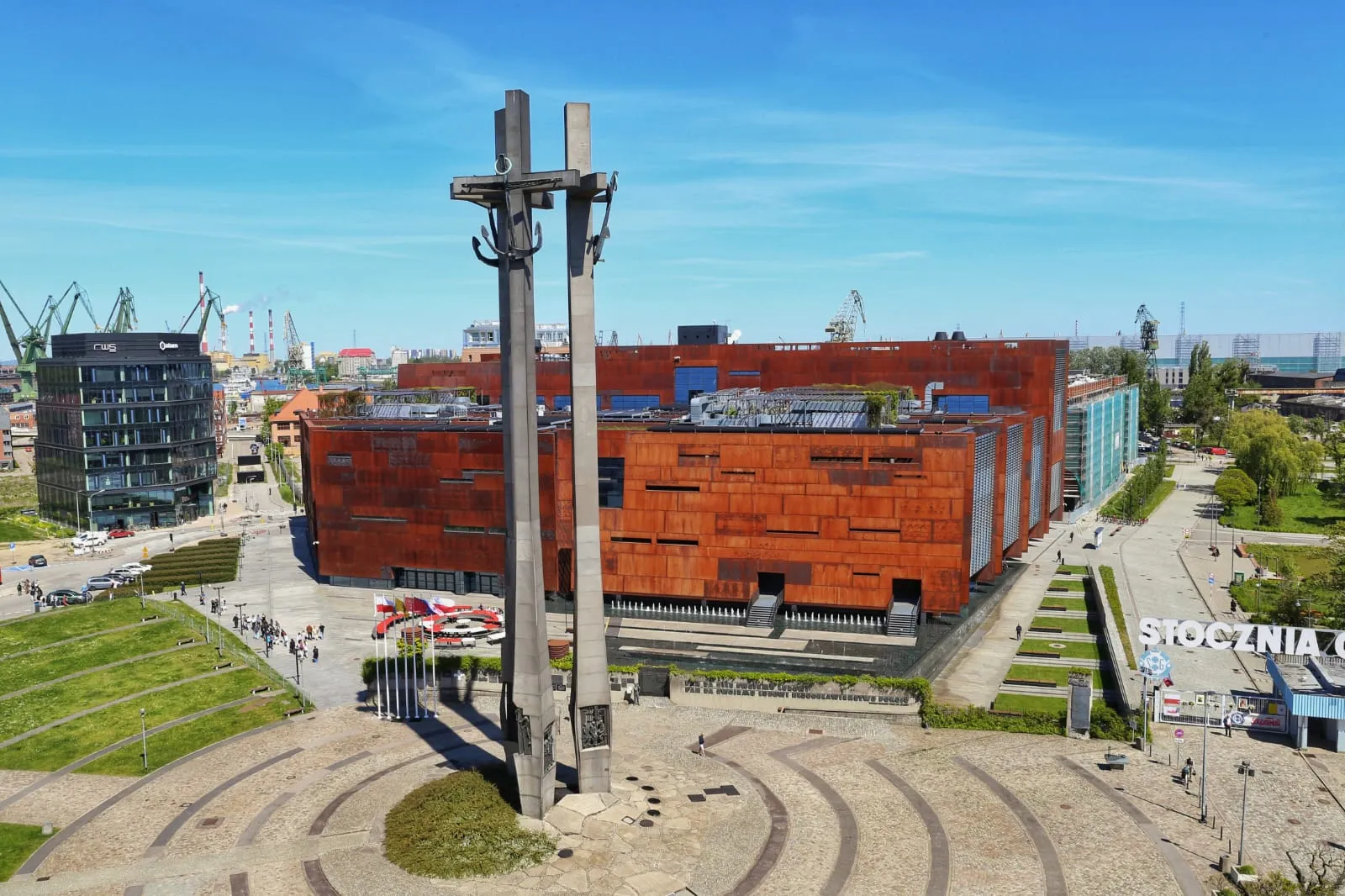
The centre stands on the grounds of the former Lenin Shipyard, renamed the Gdańsk Shipyard. In August 1980, a workers’ strike here gave rise to the Solidarity trade union. The movement expanded into a wider campaign for civil and political change, helping bring an end to communist rule in Poland and influencing events across Central and Eastern Europe.
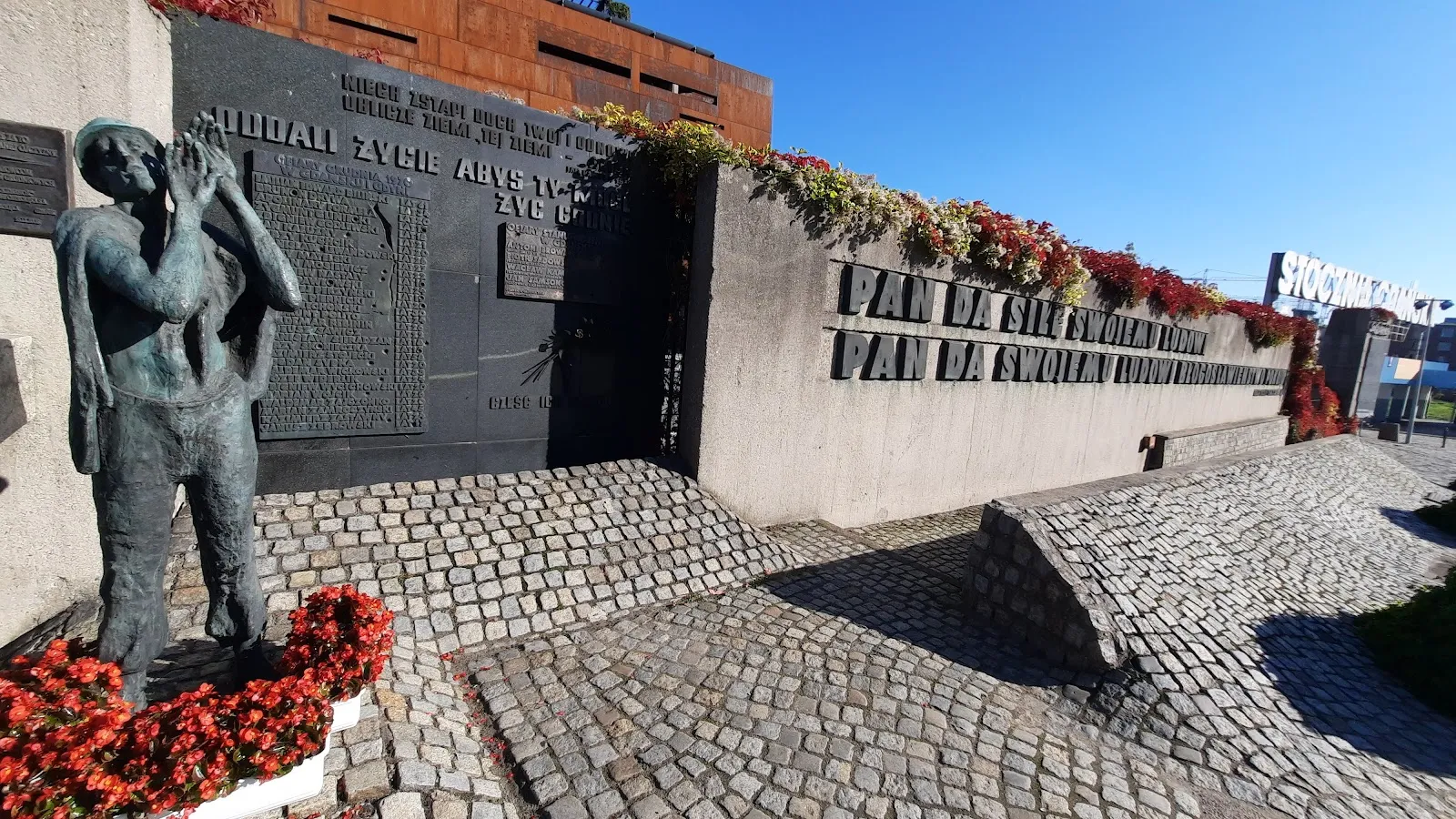
The strike’s demands were written on a board at the shipyard gates. That board is now among the exhibition’s key objects. Nearby, the Monument to the Fallen Shipyard Workers of 1970 commemorates those killed during earlier unrest. Seeing the monument and the shipyard setting gives context to the exhibition’s accounts of workers, opposition groups and the people behind the movement.
Following the permanent exhibition
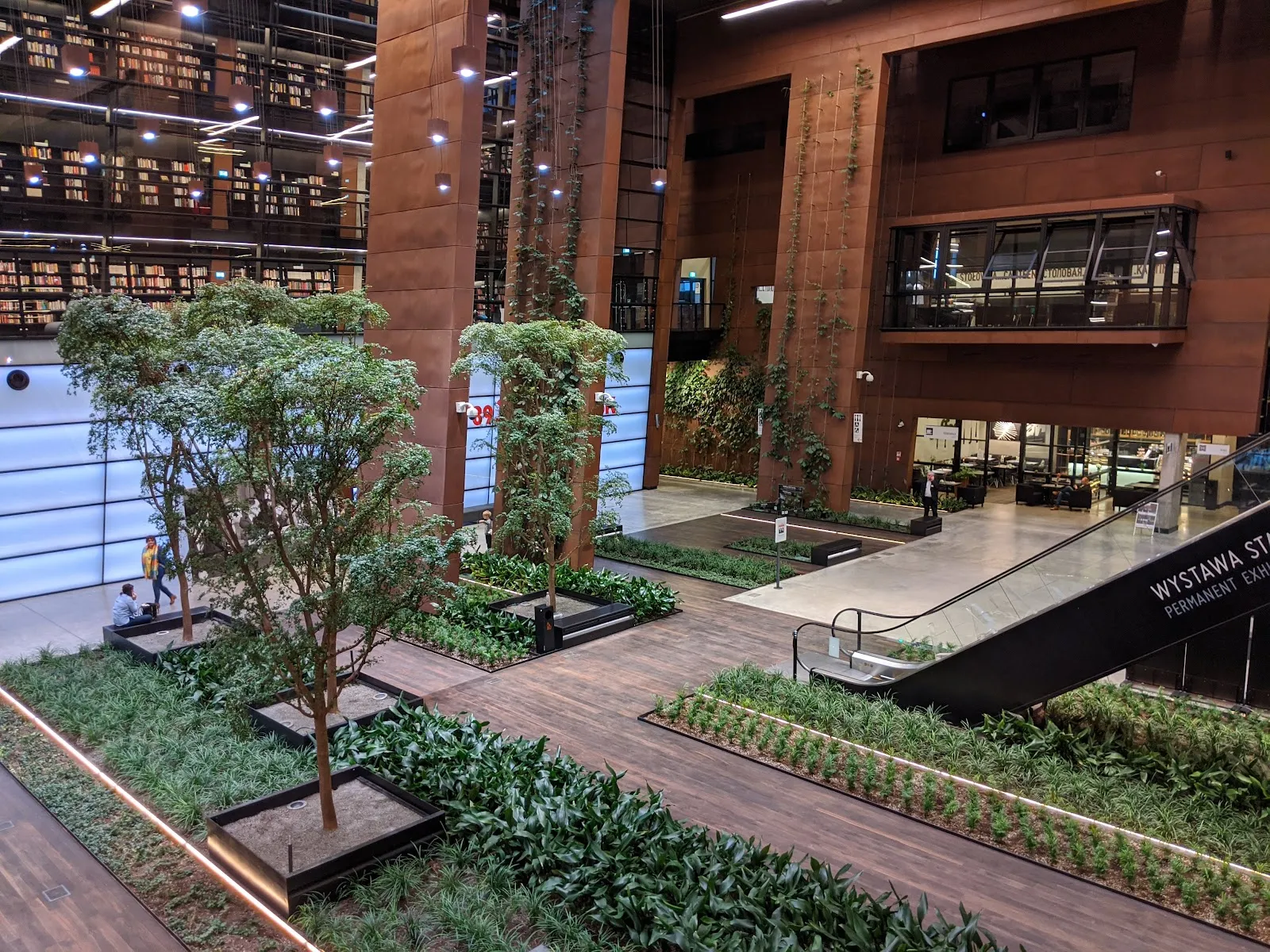
The permanent exhibition is arranged across seven galleries, marked A to G. It covers the origins of Solidarity, opposition to communist rule in Poland and other parts of Eastern Europe, and the events leading to the 1989 Round Table Talks. The story continues into the changes that followed, including the collapse of communist rule in the region and the fall of the Berlin Wall.
Photographs, film, historical documents, objects and interactive displays bring different parts of the story together. Personal accounts and details about key figures, including Lech Wałęsa, connect political events with the people who experienced them. The included audio guide leads you through the exhibition; some audio devices respond to your position in the galleries. You can pause and spend longer with the subjects that interest you, or choose a shorter audio route if available.
The building and rooftop
The centre opened in 2014, on the anniversary of the Gdańsk Agreements. Its exterior is clad in weathered steel panels designed to recall ships under construction, a reference to the industrial setting around it. Inside, the centre also houses a library and archive, as well as spaces for education and events.
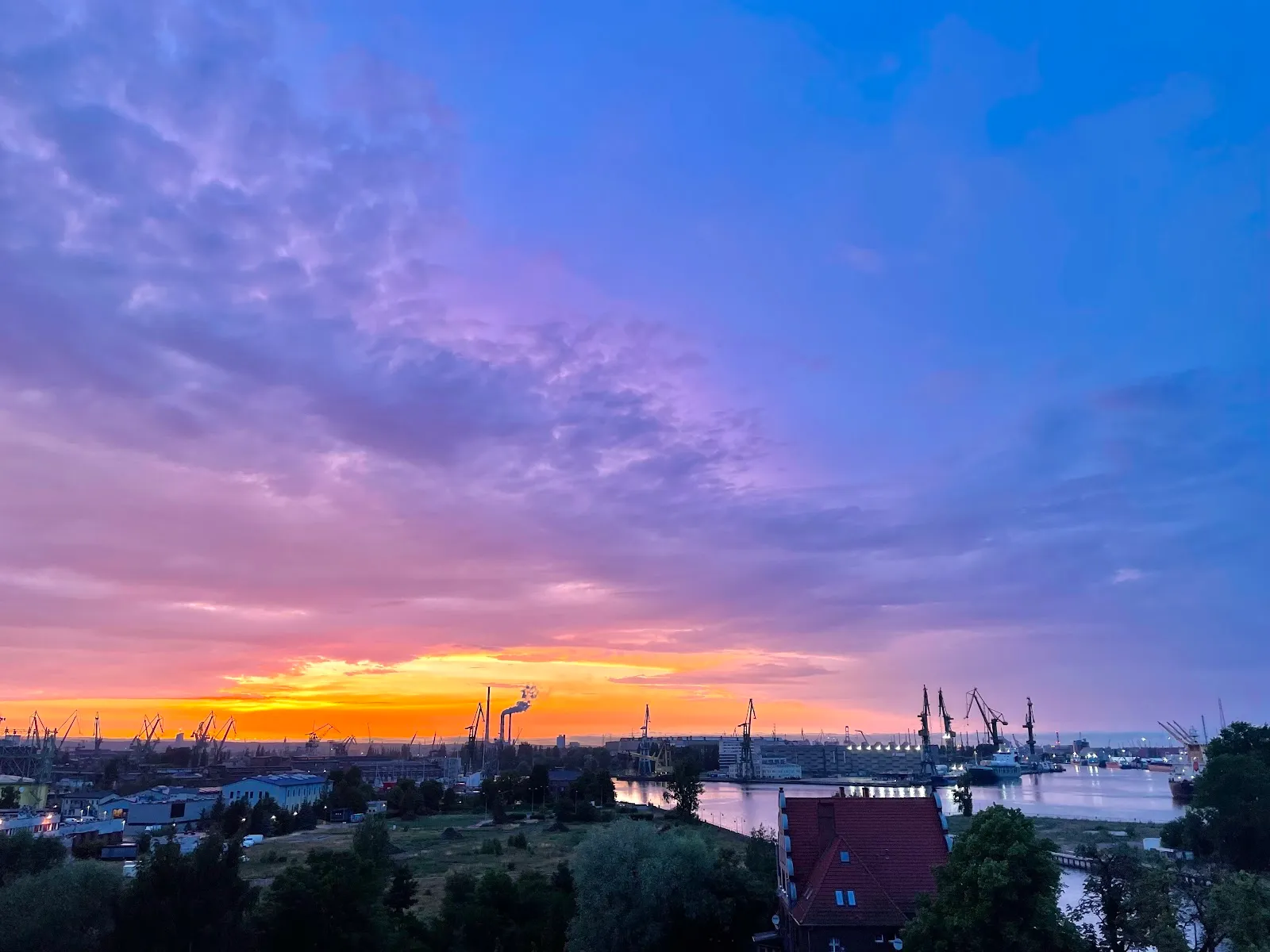
The rooftop terrace sits about 25 metres above the ground. From there, the shipyard and its port cranes are prominent, with views that also reach the Old and Main Town. A café and bistro provide a place to pause after the galleries, and a shop is available in the building. The centre has family facilities, including activities for children, and provides accessible entrances, lifts and restrooms.
Preguntas frecuentes
How long should I spend at the European Solidarity Centre?
Allow about two to three hours to explore the exhibition without rushing. You can choose a shorter audio route if one is available.
Is the audio guide included?
Yes. The audio guide is included with admission; collect it before entering the exhibition.
Can I buy tickets at the European Solidarity Centre?
Yes, tickets can be purchased on site. Advance booking is recommended.
Can I visit the rooftop terrace?
Yes. The terrace is about 25 metres above the ground and looks out over the shipyard and parts of Gdańsk. In winter, access may depend on the weather.