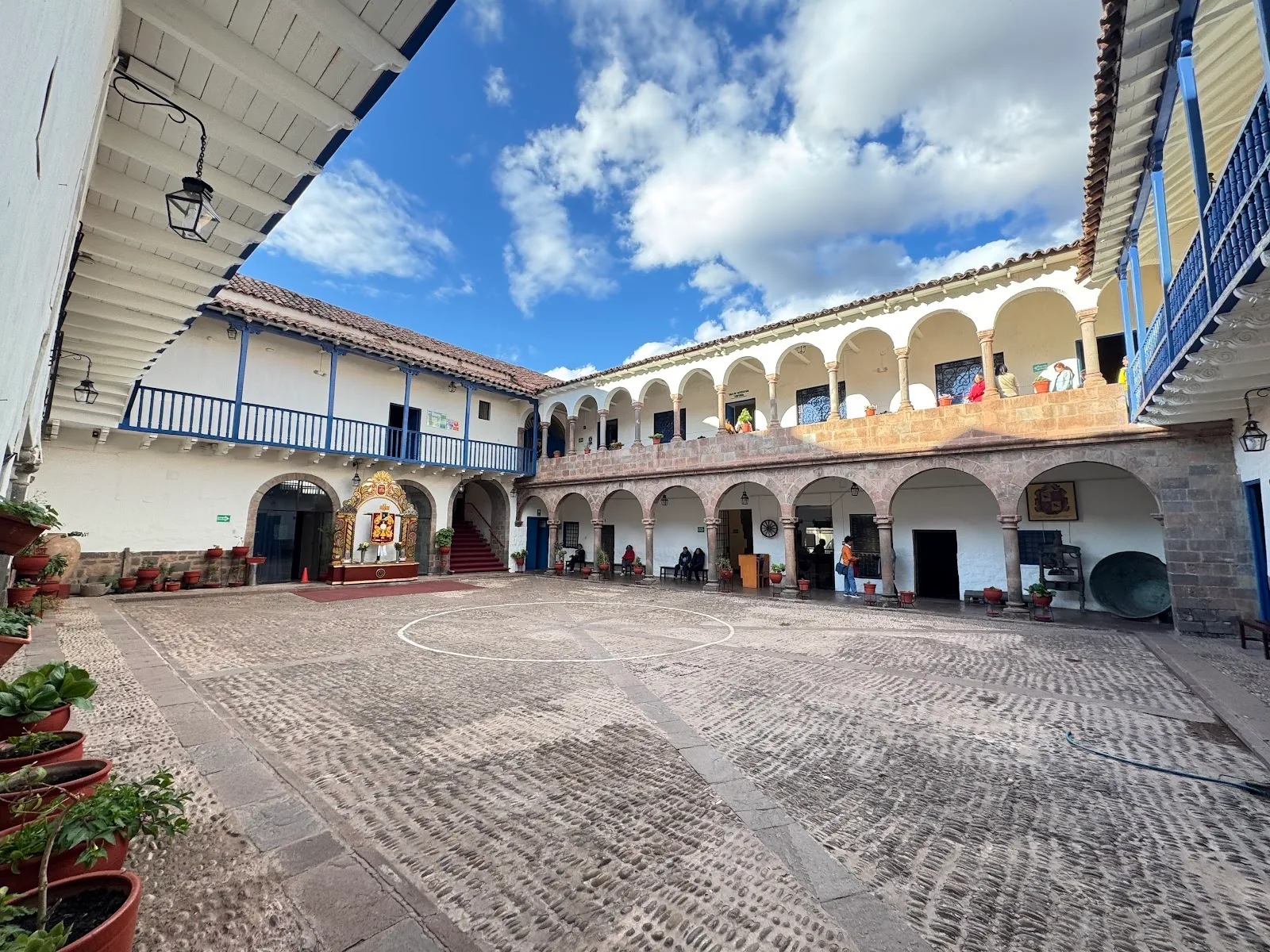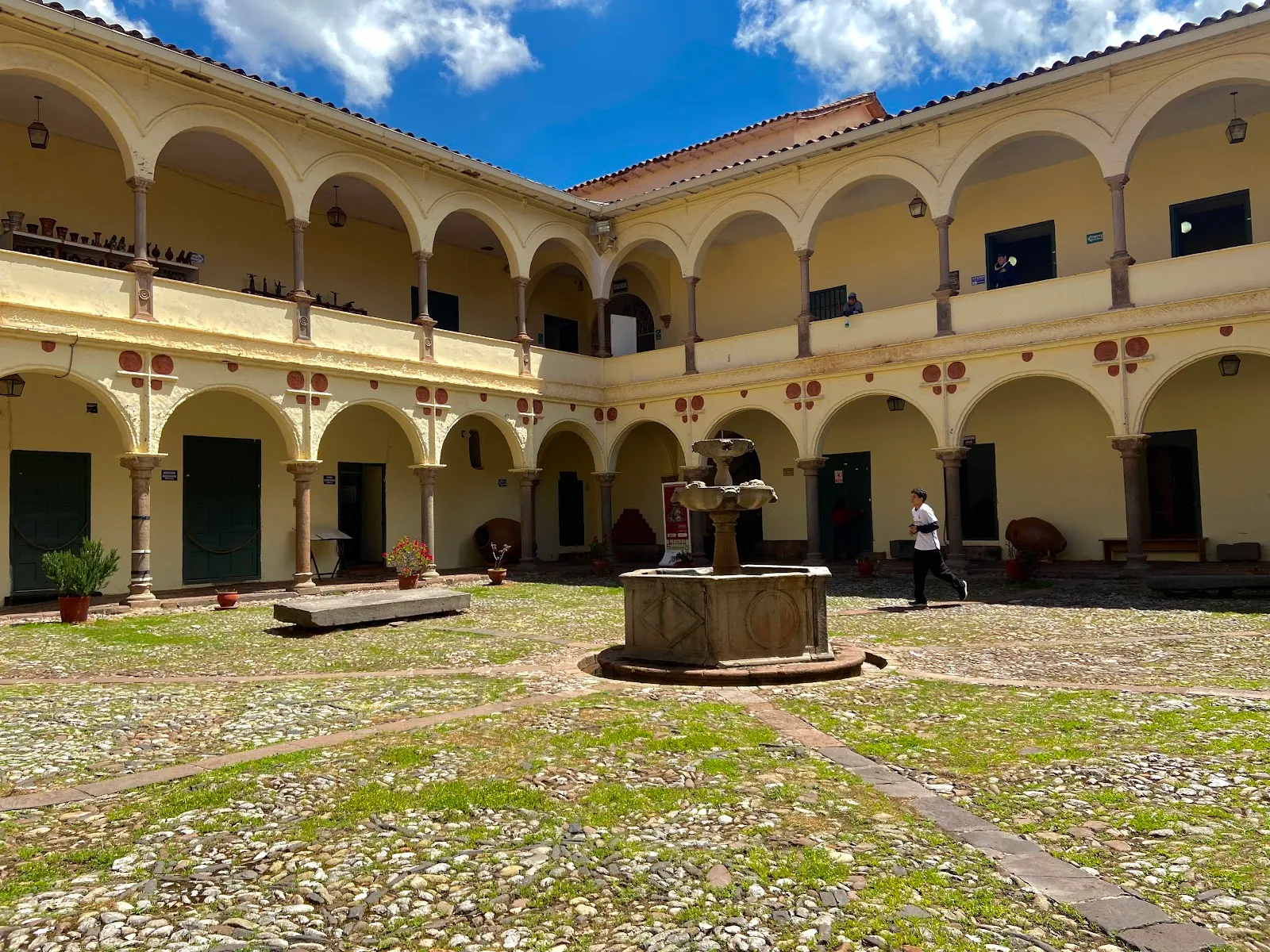
On Cuesta del Almirante, a short walk from Cusco’s Plaza de Armas, the Inka Museum traces the region’s past through pre-Inca and Inca objects, colonial art and displays about daily life. Its collection includes pottery, tools, textiles, ceremonial wooden cups known as queros, and mummies found in the surrounding mountains. The museum occupies a colonial mansion built over an Inca palace, with a courtyard at its centre. Allow time for the upper-floor textiles and the room where replicas of ancient instruments are played.
A museum inside a colonial mansion
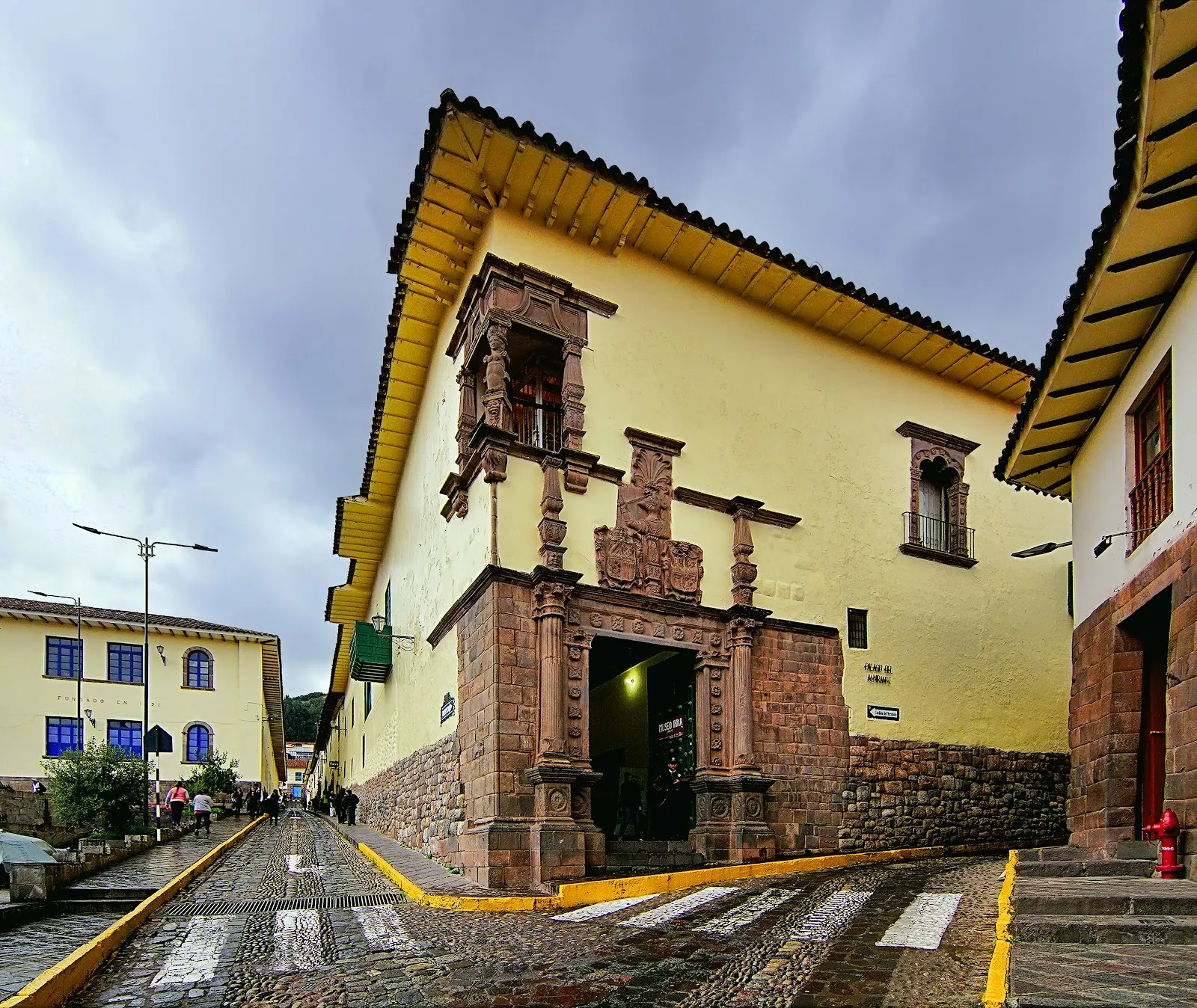
The Inka Museum is at Cuesta del Almirante 103, close to Cusco’s Plaza de Armas. It is housed in the Casa del Almirante, a colonial mansion built over the foundations of an Inca palace. The building’s arched courtyard gives you a pause between rooms, and its architecture is part of the visit as well as a setting for the collection.
The mansion passed through several owners after the Spanish conquest. Historical accounts connect it with Diego de Almagro and later the Alderete Maldonado family; coats of arms associated with the family remain above the entrance. The museum is administered by the National University of San Antonio Abad del Cusco.
From early objects to Inca life
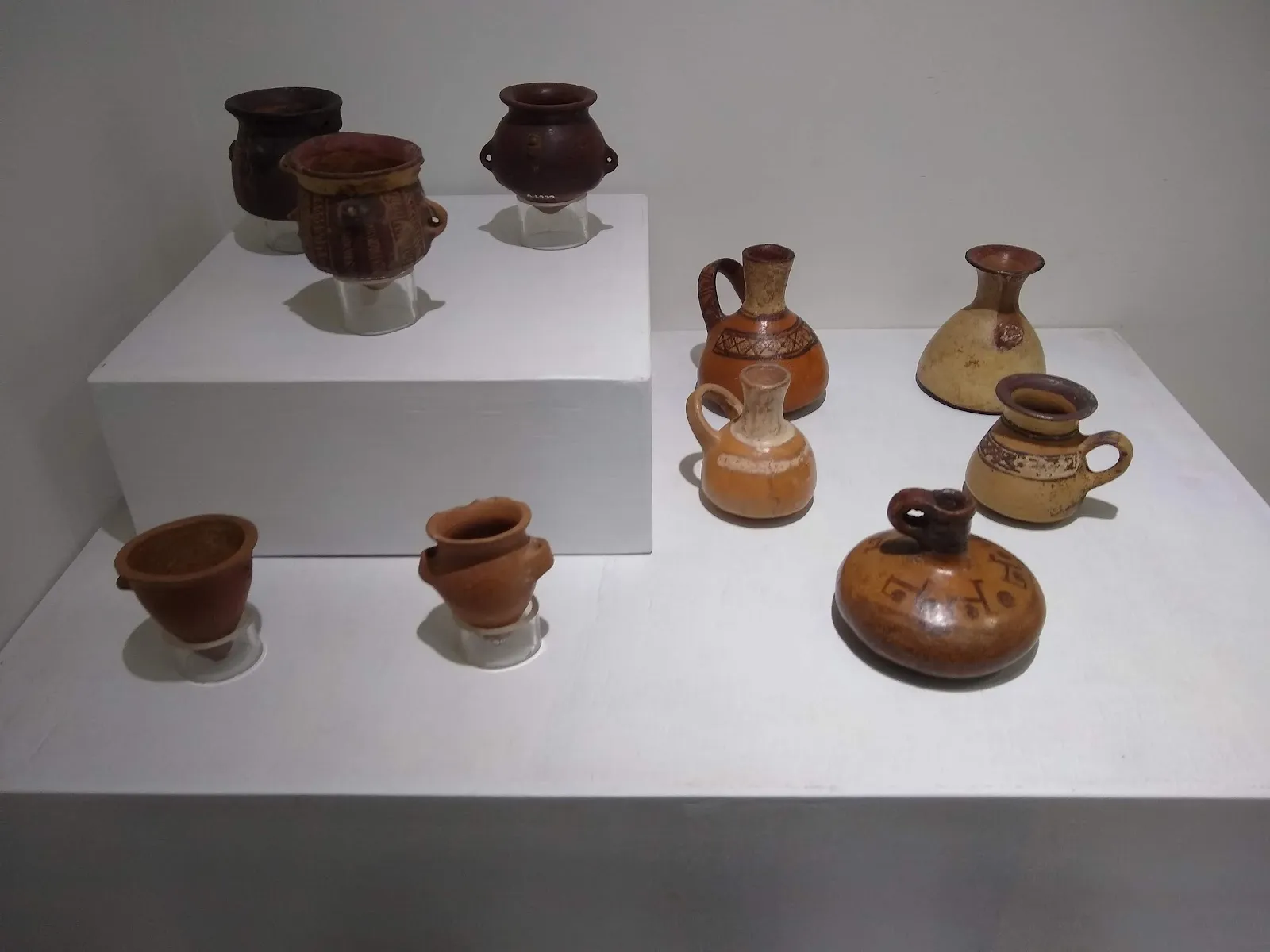
The displays bring together objects from pre-Inca and Inca periods, followed by material from the colonial era. Ceramics, arrowheads, axe heads, metalwork, jewelry, textiles and agricultural tools offer different ways to look at how people made objects and organized daily life. Displays also address beliefs and the geography of the region, including the ecological zones linked by ancient trade networks.
Models and dioramas help put archaeological objects in context. Look for miniatures of Machu Picchu and other important sites, as well as scenes representing Inca life and organization. The museum’s sequence gives you a broad introduction to the cultures of the Cusco region, though the amount of explanation varies between displays.
Textiles, queros and mummies
The upper floor holds ceremonial wooden cups called queros and a collection of colonial textiles. Textile displays also show weaving techniques, while other exhibits explore how gourds were carved and preserved. A dedicated music room includes replicas of ancient instruments that can be played, adding sound to a visit otherwise centred on objects and labels.
The collection includes mummies found in the surrounding mountains, along with displays about mummification and local herbs and natural remedies. Other pieces include skulls and colonial paintings associated with the Cusco School, among them portraits of Incas. If you have time, give the final rooms and upper floor a careful look; some of the collection’s most distinctive material is there.
Preguntas frecuentes
How much does admission cost?
The stated admission price for foreign adults is 20 soles. Bring cash, as payment is reported to be cash only.
How long should I spend at the Inka Museum?
Allow about 1 to 1.5 hours to see the collection. You may want longer if you plan to spend time with the displays and miniature models.
Are the exhibits explained in English?
Some displays have English explanations, but not all. A translation app can help with labels that are only in Spanish.
Where is the Inka Museum?
It is at Cuesta del Almirante 103 in Cusco, a short walk from Plaza de Armas.