Lok Virsa Heritage Museum stands on Shakarparian Hills in Islamabad, a few minutes' walk from the Pakistan Monument. It is Pakistan's national museum of ethnology, with galleries on the costumes, jewellery, woodcarving, pottery and music of the country's regions and ethnic communities. Life-size figures and recreated rural scenes show how these things were used in daily life. An outdoor area holds craft stalls and performances. Allow an hour or two, and go with children or students if you want to see how the regions differ.
What the museum covers
Lok Virsa is the short name of the National Institute of Folk and Traditional Heritage, the body that runs the museum. Its galleries follow the living traditions of Pakistan's regions and ethnic communities rather than one period of history. Displays cover Sindhi embroidery, Balochi jewellery, Kalash traditions and the painted trucks of Pakistan's roads, among other crafts and ways of life.
Some areas are arranged as alley-like passages that lead from one section to the next. Pottery, textiles, musical instruments and life-size figures appear throughout, placed to show how each object was used in everyday life.
Inside the galleries
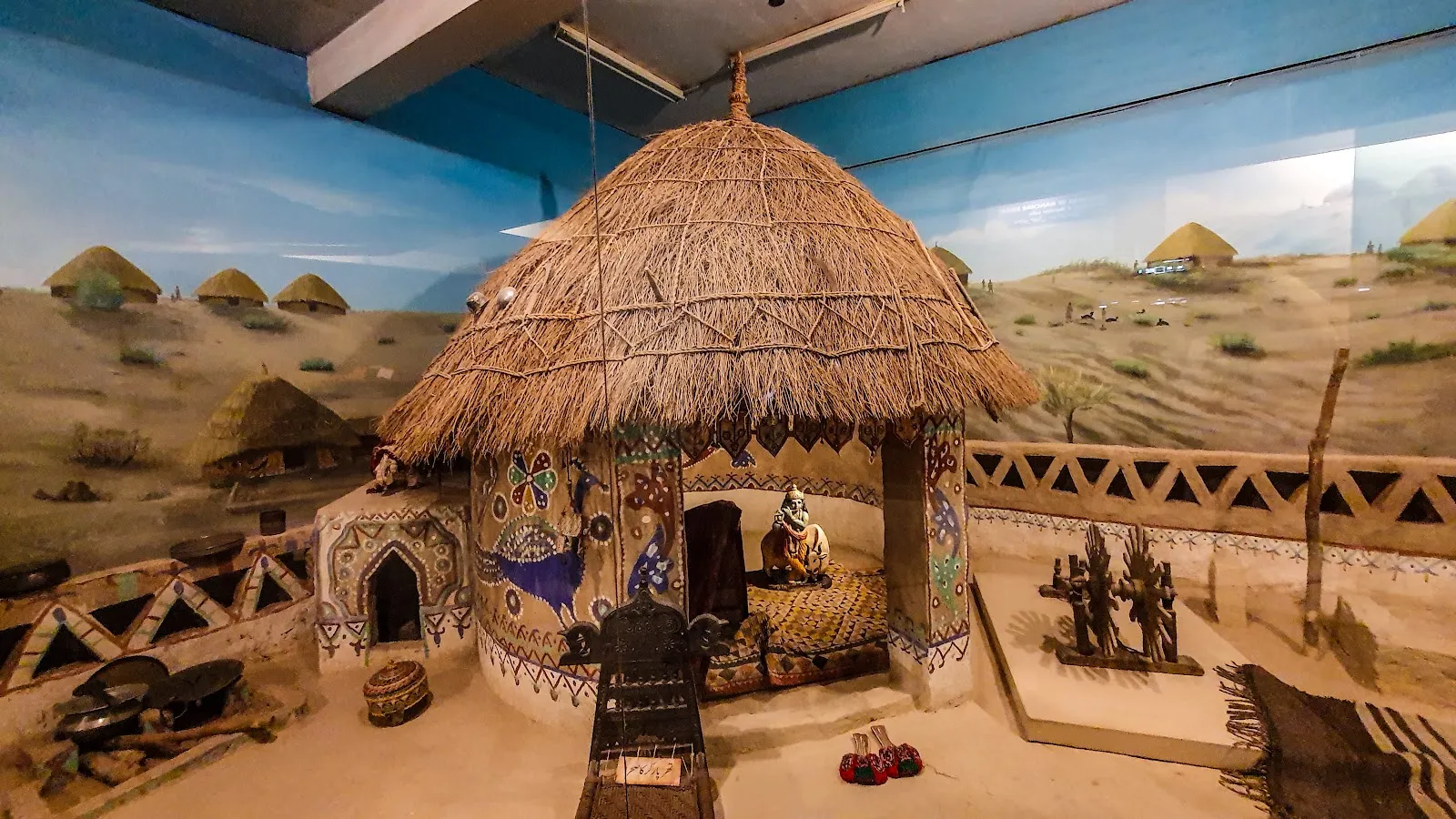
The main collections include embroidered costumes, old jewellery and woodcarvings. Metalwork, block printing, ivory and bone work are also on regular display. A hall is dedicated to Sufi and shrine culture, and the dioramas recreate rural homes, older architectural styles and busy regional bazaars.
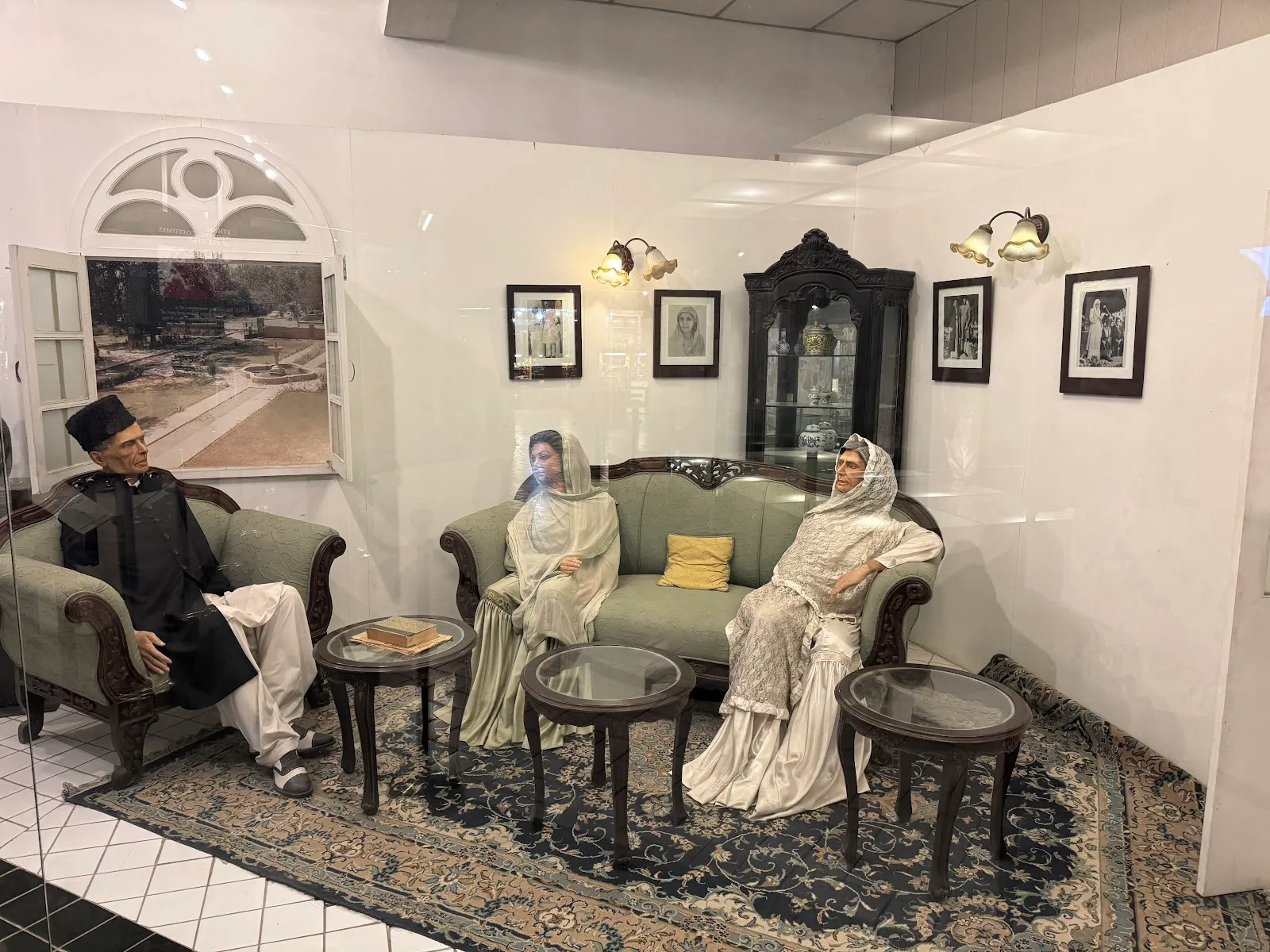
Two of the galleries are devoted to traditional dress, and another shows traditional weapons used in earlier times. Several rooms are furnished to resemble the homes of well-known figures, including Muhammad Ali Jinnah and his sister Dina Wadia.
Library, shop and outdoor stalls
The reference library holds books and resources on history, art, crafts, traditional music, customs and ethnicities. The bookshop sells books and media on folk and classical music.
Outside, stalls sell handicrafts, shawls, traditional clothing and handmade bags. Live performances and craft demonstrations, such as clay-pot making, have been part of the programme. A restaurant operates on site, and food stalls outside sell snacks such as gol gappay and mixed chaat.
Getting there and getting in
The museum is on Garden Avenue, off Shakarparian Road, about 2 km from Zero Point. It is a short walk from the Pakistan Monument and close to the Pakistan Museum of Natural History, so the two can be visited together.
The entrance, restroom, parking and elevator are wheelchair accessible. Entry has a fee, which has been 100 rupees per person, so confirm the current price before you go. From the hill, Shakarparian also offers views over the city and the Margalla Hills.
Preguntas frecuentes
Is there an entry fee?
Yes. Entry has been 100 rupees per person, so confirm the current price before you go.
How long do you need?
Plan one to two hours for the galleries. The outdoor area and stalls can add time.
Is it good for children?
Yes. The museum is listed as good for kids, and there is space for children to move around while they learn.
Is it wheelchair accessible?
The entrance, restroom, parking and elevator are wheelchair accessible.
Do I need to book tickets in advance?
Advance tickets are recommended.