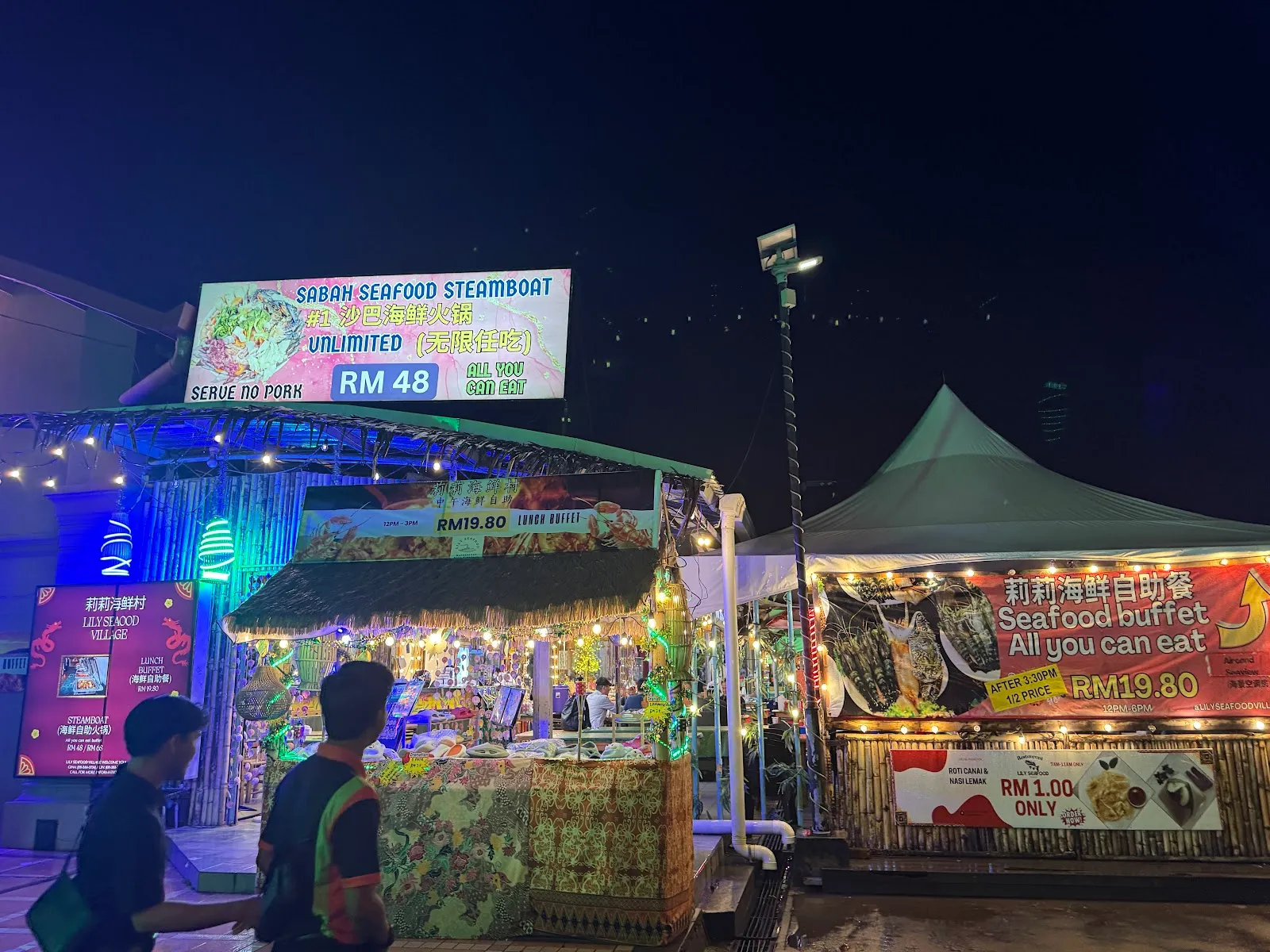
Tanjung Aru Beach sits a short drive south of Kota Kinabalu's city centre, close to the airport. Its name comes from the Aru trees, a kind of casuarina, that line the fine sand. Most visitors come for the sunset, when the sun drops toward the South China Sea and the sky turns gold, orange and pink. Food stalls along the central stretch sell affordable street food, and paddle boats, paddle boards and sea kayaks are available to rent. Arrive about an hour before sunset to find a good spot.
Three stretches of sand
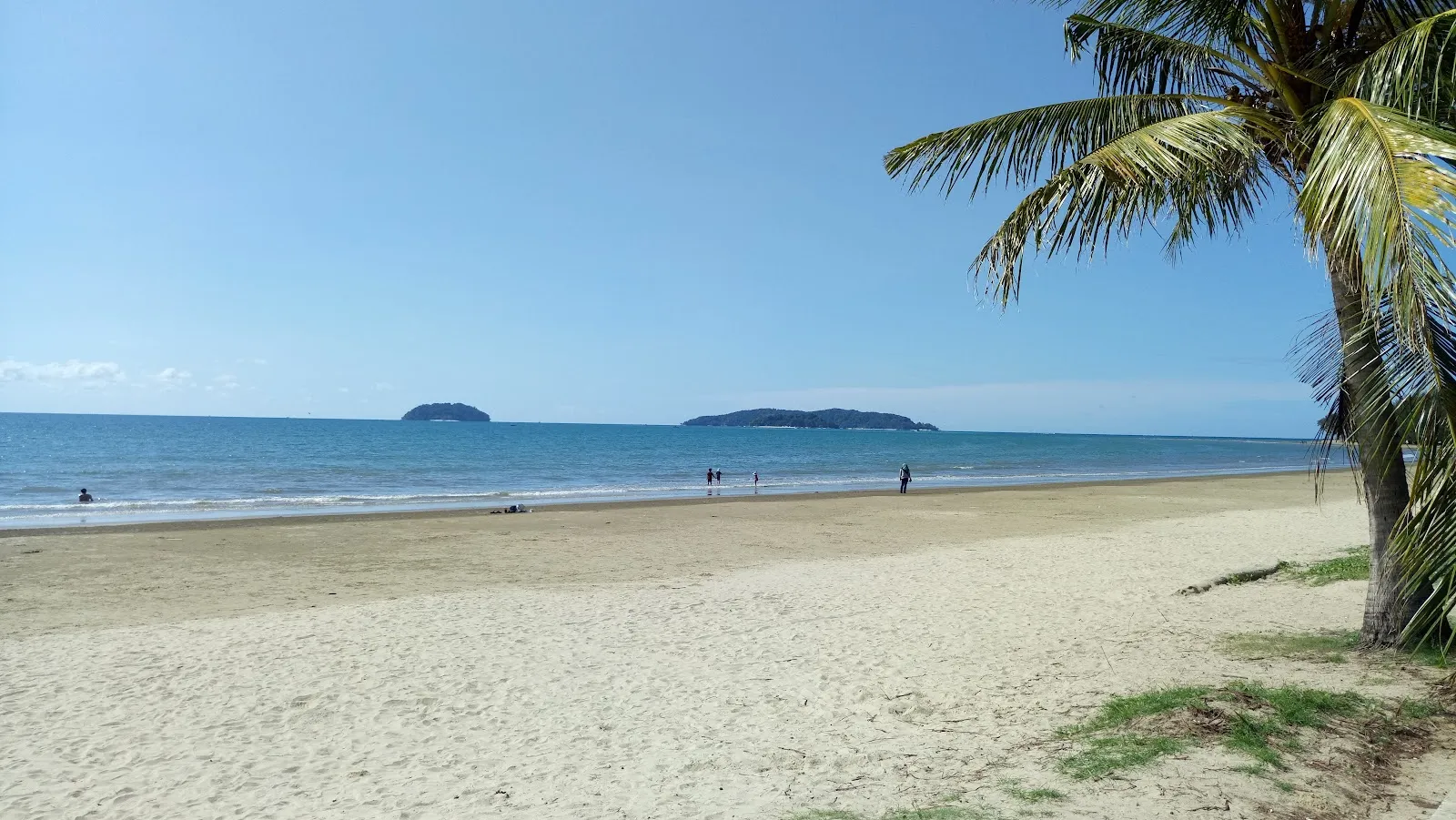
The beach runs along the coast south of the city centre, and its character changes from one stretch to the next. The northern end, next to the Shangri-La resort, is the most upscale part. The Sunset Bar there is a place to have a drink while the sun goes down over the water.
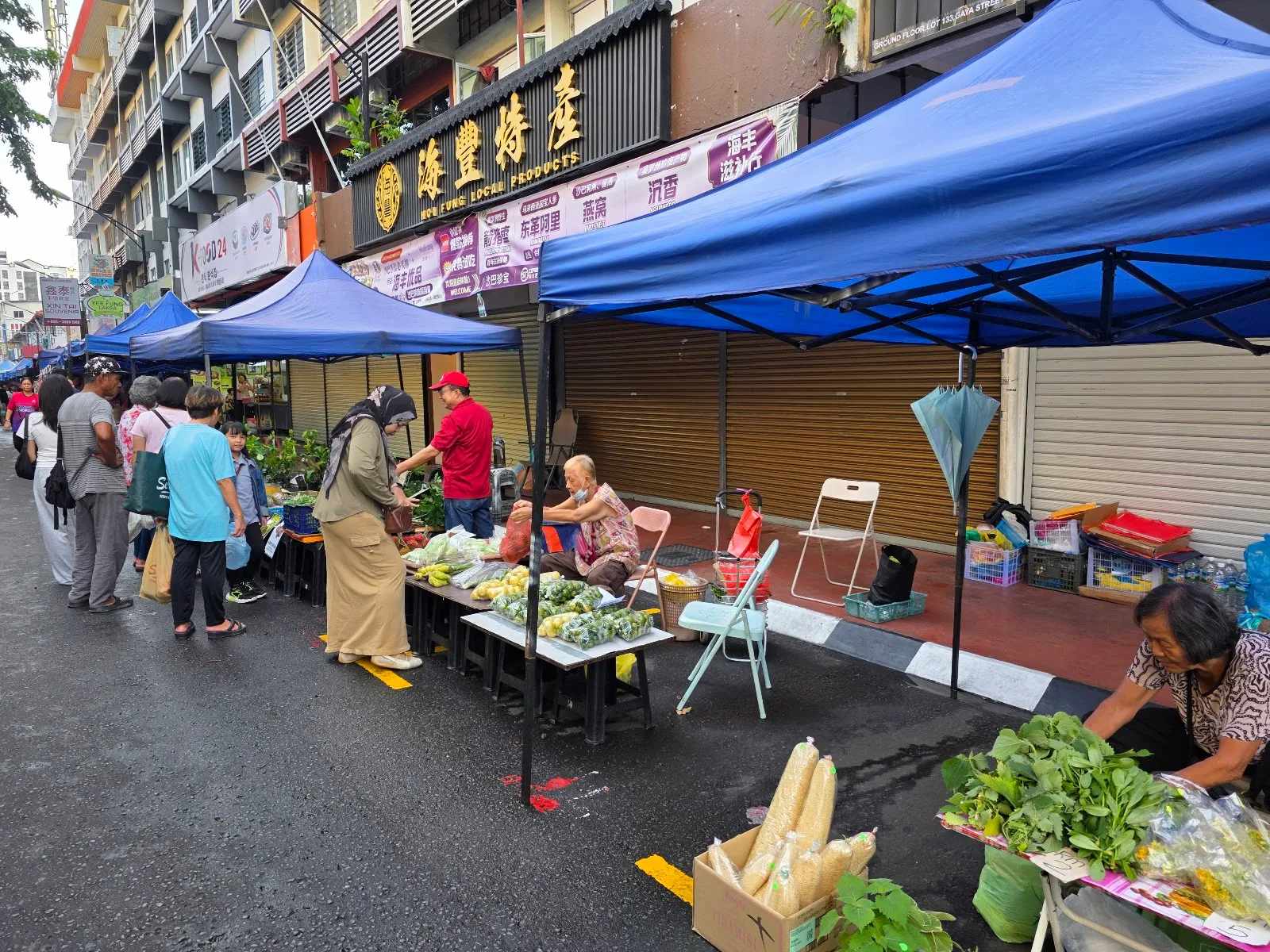
The central public beach is where most locals and visitors gather. Food stalls, rows of tables and chairs facing the sea, and a busy mood make it an easy, low-cost place to watch the evening. Smells from the drainage near the food market have been noticed here, and rubbish odours have been reported in the southern section at times.
Further along, past the central area, the sand is quieter. The Aru by the Sea Café area draws a mix of locals and visitors who sit by the shore, drink coffee or take photos. It suits a slower evening than the busier parts of the beach.
Where the name and the sunset come from
The beach takes its name from the Aru trees, a type of casuarina, that fringe the fine sand. Casuarinas line the beach in many places, and people often sit beneath them for shade or to listen to the waves.
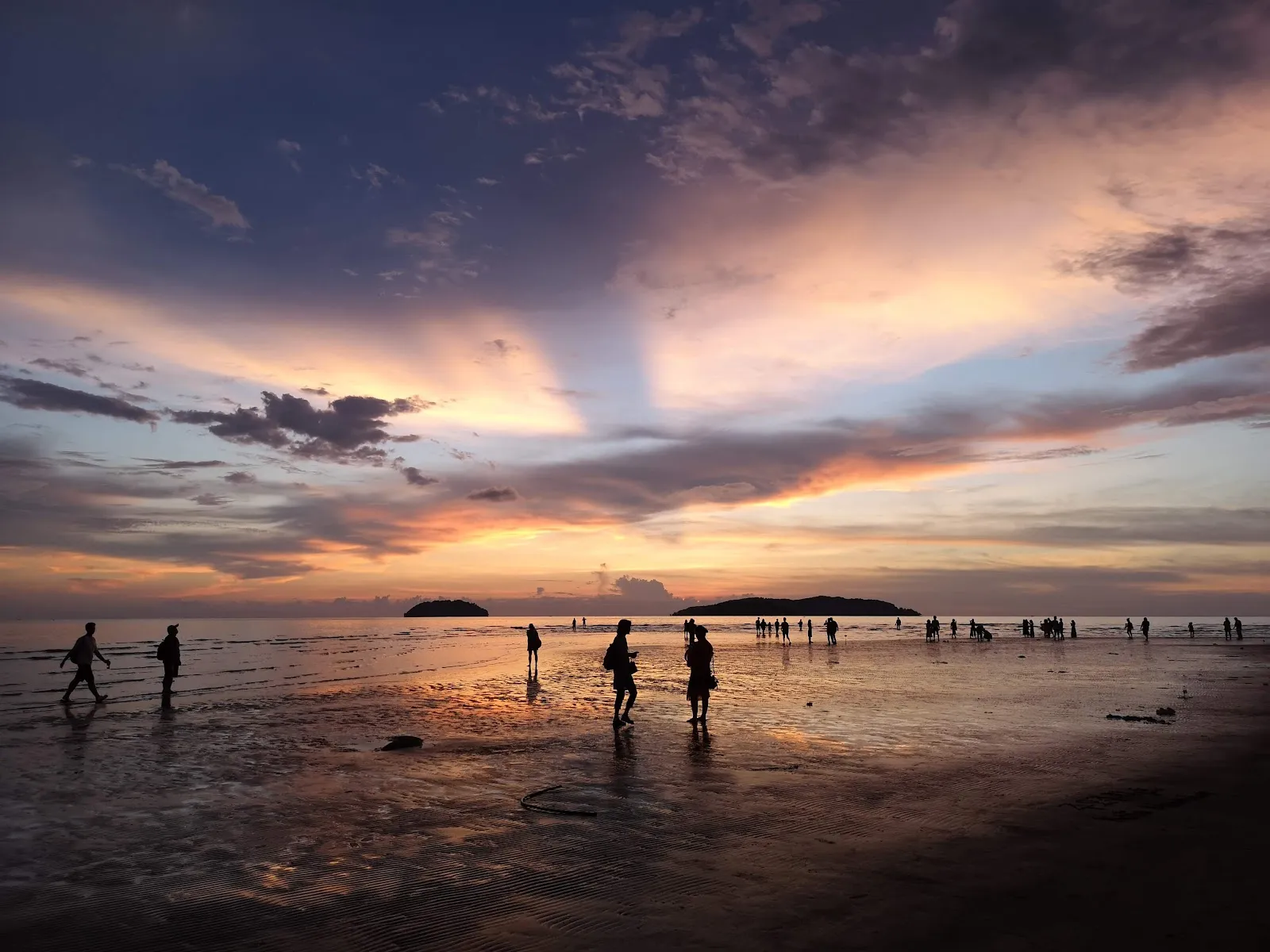
The sun sets over open water, so the view is unbroken. The colours depend on the weather each day, but the sky often turns red, gold and purple, and the clouds catch the light before the sea does. Arrive early for a place on the sand or at one of the beach bars, and stay until dusk to see the last of the colour.
Activities on and off the sand
Paddle boats can take you out to sea, which gives a quieter view of the coast and the sunset. Paddle boards and sea kayaks are available to rent, and early morning or sunset sessions are an option. Surfing and sailing are also possible here.
Swimming is less of a draw. The wide beach is not the best for it, and water clarity can be poor at times. Most people choose walks, sunbathing, kite flying and picnics instead. Prince Philip Park is nearby, with lawns and palm trees that suit picnics, jogging and shade.
The sand is soft and fine, and families often bring children to build sandcastles and play at the water's edge.
Preguntas frecuentes
Is there an entry fee for Tanjung Aru Beach?
No. Entry to the beach is free. Some shaded tables charge for use, and free seating is limited.
How do I get to Tanjung Aru Beach?
Taxis, Grab rides and buses all reach the beach. Ask the driver to drop you at Beach 1, then walk left along the sand for the views.
Is Tanjung Aru Beach good for swimming?
Not really. The wide beach is not the best for swimming, and water clarity can be poor at times. Walks, sunbathing and water sports are the usual choice.
Is the beach suitable for children?
Yes. There is plenty of soft sand for children to play in, and the beach suits families.