Kylemore Abbey is a former castle and Benedictine monastery on the shore of Lough Pollacappul in Connemara, County Galway. Its Gothic-style façade, lake and mountain setting make the approach part of the visit. Inside, restored rooms and displays explain the estate’s history; outside, paths lead to a neo-Gothic church, a family mausoleum and the six-acre Victorian Walled Garden. The garden has formal flower beds, vegetable and herb plots, and restored glasshouses. Leave time for the woodland walks, then stop for tea or a baked treat at the café.
From private castle to Benedictine abbey
Kylemore Abbey began as a private residence built by Mitchell Henry for his wife, Margaret. Construction took place in the 1860s, and the estate grew into a substantial house in the Connemara landscape. The building stands beside Lough Pollacappul, with mountains rising behind it.
Benedictine nuns arrived in 1920 after their abbey in Ypres, Belgium, was destroyed during the First World War. They made Kylemore their home and set about restoring the buildings, the walled garden and the surrounding grounds. The community has lived at the abbey since then; the estate’s history also includes its years as a girls’ school.
What to see inside the abbey
The visitor route includes restored rooms on the ground floor and displays about the estate. These help explain the change from private home to Benedictine community and the different chapters of Kylemore’s history. Guided tours are available at different times of day, and a guide can add context as you move through the rooms.
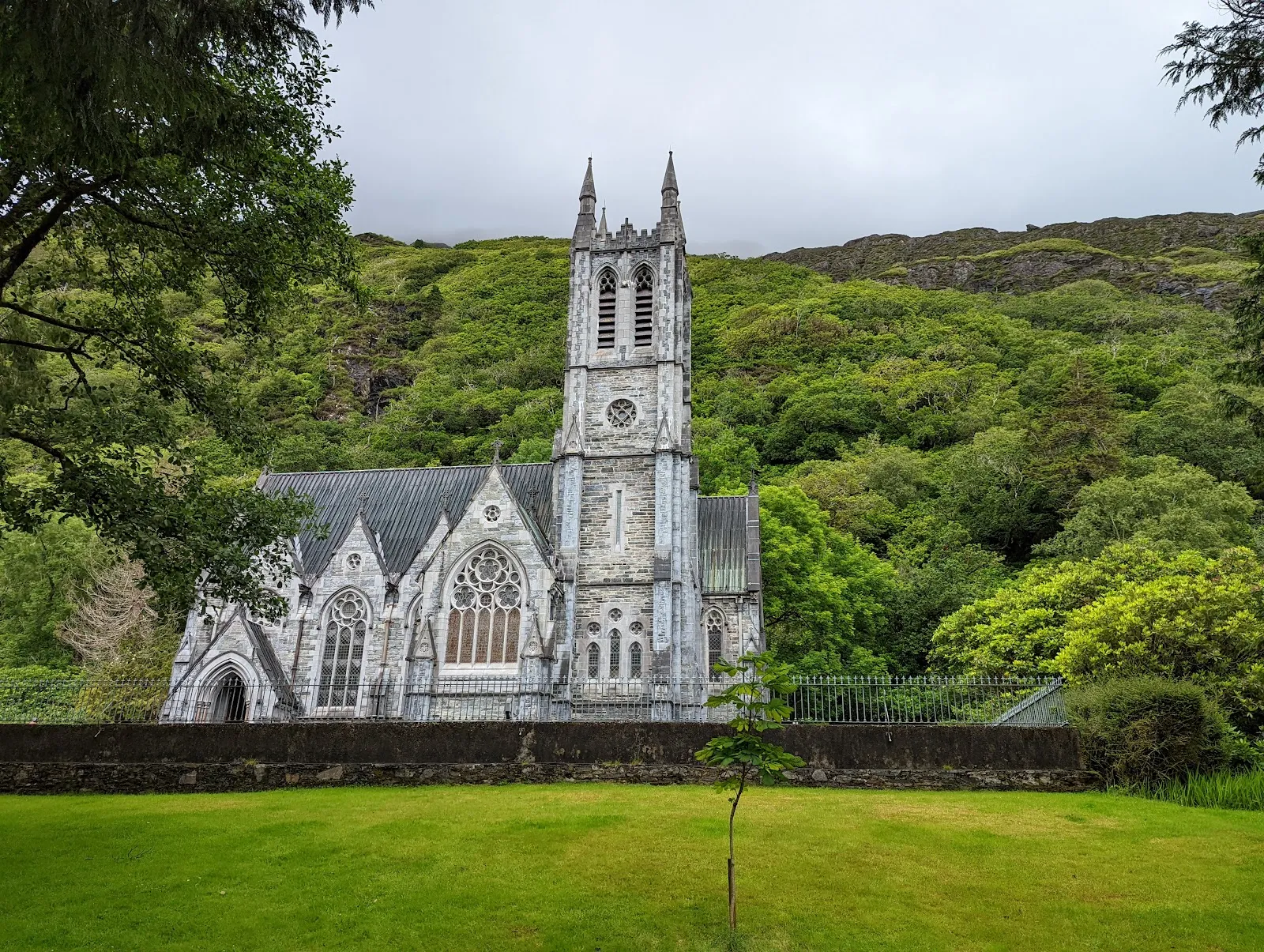
The abbey is only one part of the visit. From the main building, paths lead towards the neo-Gothic church and family mausoleum. The church was built in memory of Margaret Henry. Its pillars use marble from several Irish counties, with colours including pink, blue and green. The surrounding woodland path is part of the route to the mausoleum.
The Victorian Walled Garden and grounds
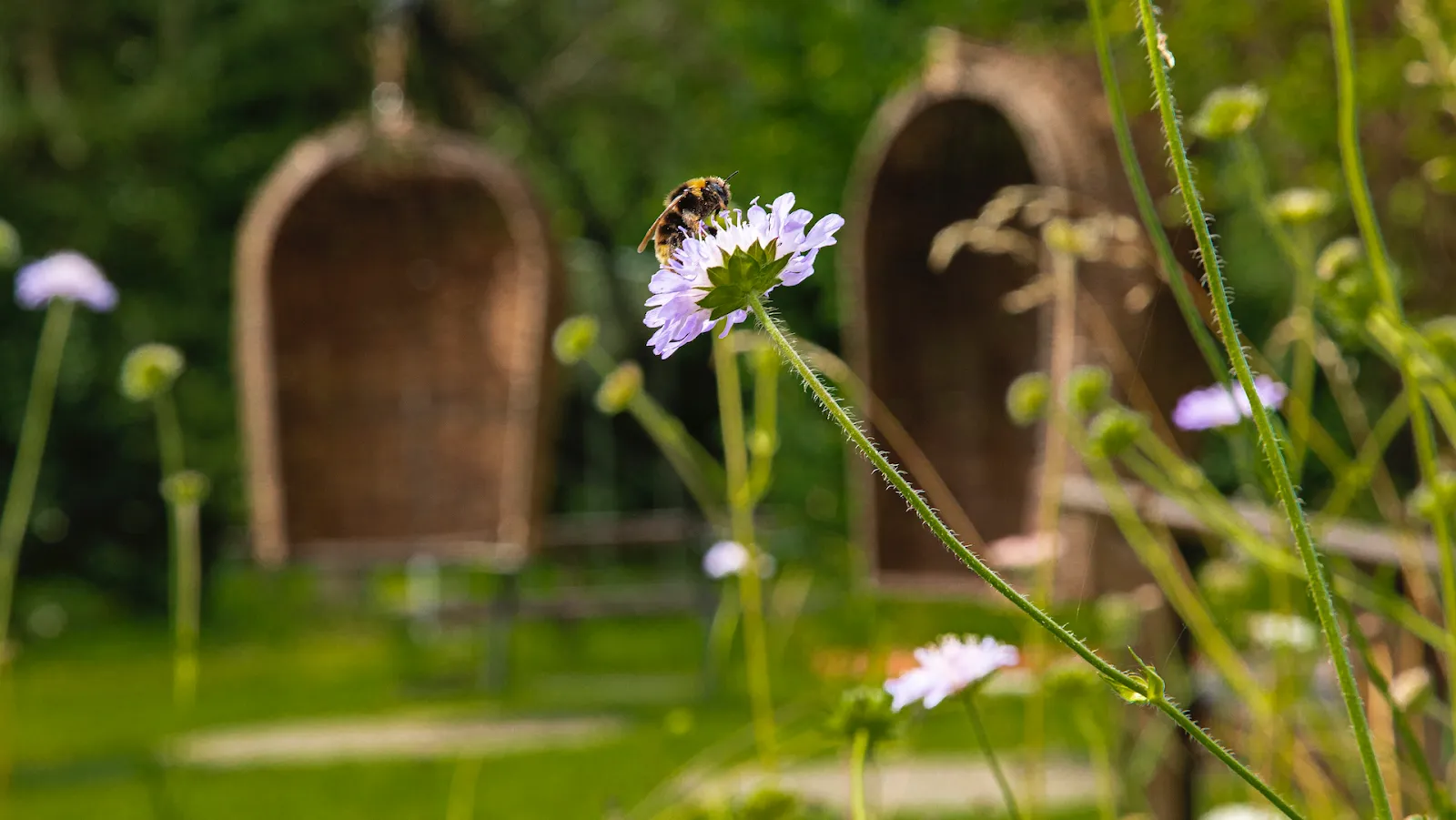
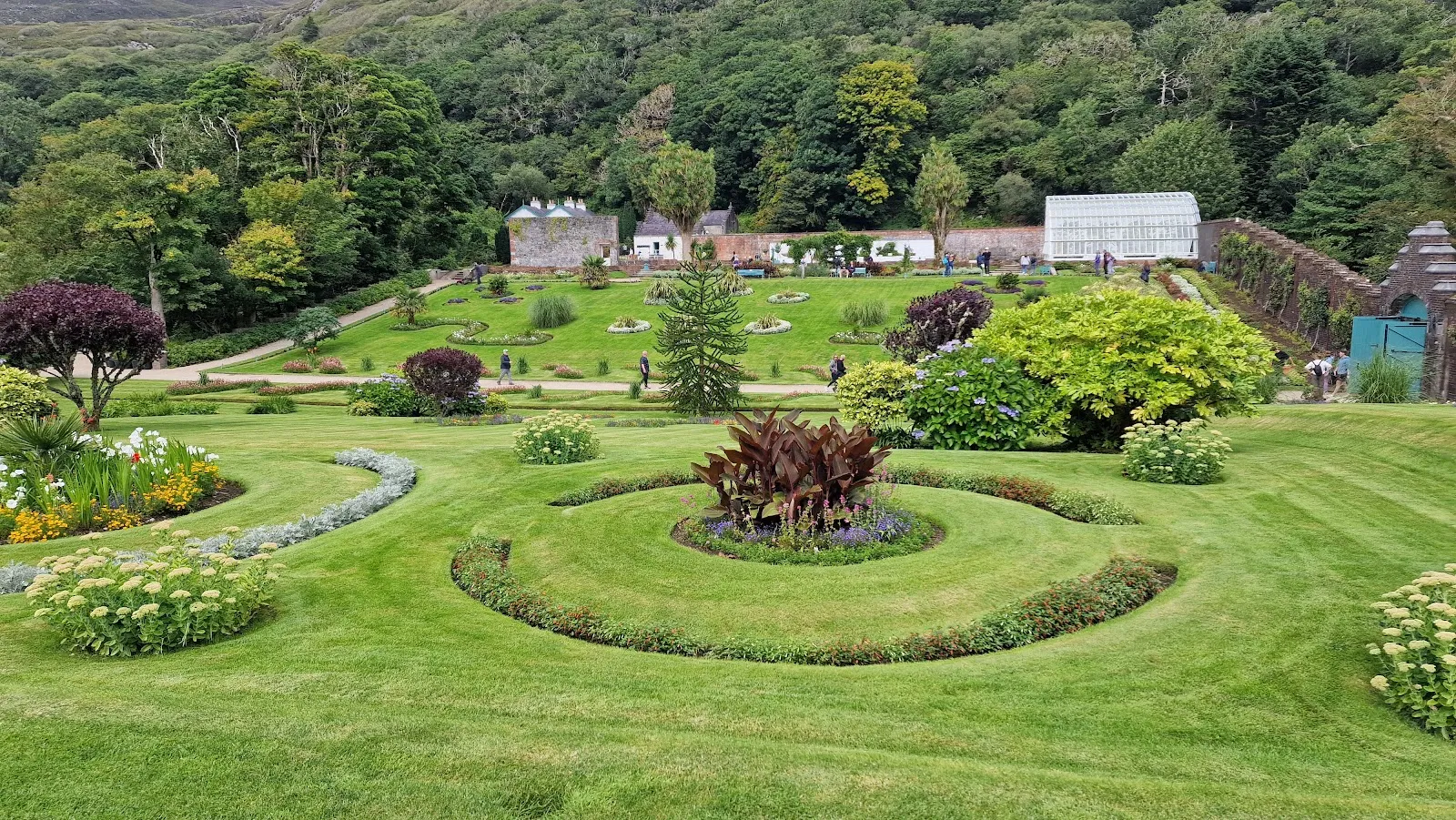
The six-acre Victorian Walled Garden is enclosed by high brick walls. Its restored layout includes formal flower beds, vegetable and herb plots, glasshouses, fruit trees and a rockery. Garden buildings include the head gardener’s house and a bothy. The grounds are a separate part of the estate from the abbey, so factor in the distance when planning your route.
A shuttle bus connects the garden with the abbey; walking is also possible. The wider estate has lakeshore and woodland paths, with views back towards the house and surrounding hills. On a clear day, the castle’s reflection in the lake is a familiar sight. If the weather turns wet, paths and open areas can take longer to explore, so leave room in your plan rather than trying to fit every stop into a short visit.
A café stop and a visit with children
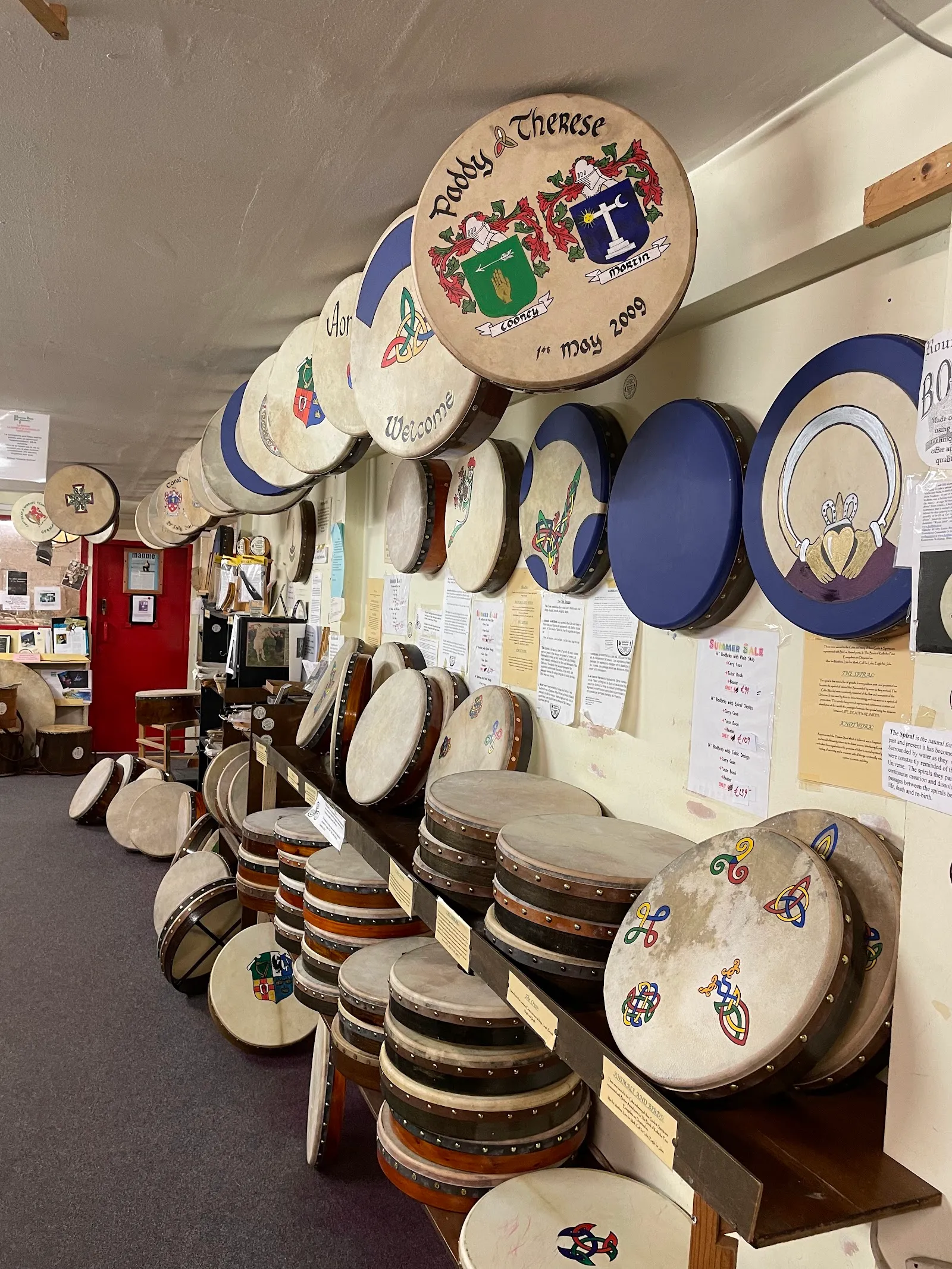
The estate has places to eat near the abbey and beside the garden. The Garden Tea House serves baked treats and herbal tea, including tea made with herbs gathered in the walled garden. At the restaurant, tomato soup and vegetable soup have been noted alongside bread. The nuns’ craft shop sells souvenirs and gifts, with some items made by the community.
Families can look out for the resident Kune Kune pigs and Connemara ponies. Children can follow a history-themed map around the estate, and there is a Wild Play area. Pig feeding takes place at set times; check the day’s schedule on arrival if you want to catch it. The grounds are extensive, so an early start gives families more time for the abbey, garden and walks.
Preguntas frecuentes
How long should you spend at Kylemore Abbey?
Allow about four to five hours to see the abbey, garden and grounds without rushing. The garden is about 2 km from the abbey, and a shuttle bus is available.
Is the Victorian Walled Garden included in the visit?
Entry to the estate includes the walled garden. It is about 2 km from the abbey, with a shuttle bus connecting the two.
Can you visit the inside of Kylemore Abbey?
Yes. Visitors can see restored ground-floor rooms and displays about the estate’s history. Guided tours are also available.
Is there food at Kylemore Abbey?
Yes. The estate has a restaurant and cafés, including the Garden Tea House, which serves baked treats and herbal tea.