
Jogja National Museum is a contemporary art museum in Yogyakarta, set in the compound of a former Indonesian art school. Its galleries spread over three floors, with paintings, sculptures, photographs, audiovisual works and interactive installations by local and international artists. The buildings are spacious and well kept, and the courtyard has a large tree surrounded by boutique shops and cafes. The museum is at its liveliest during ARTJOG, the annual exhibition held in July, when the galleries fill with new work.
From art school to museum
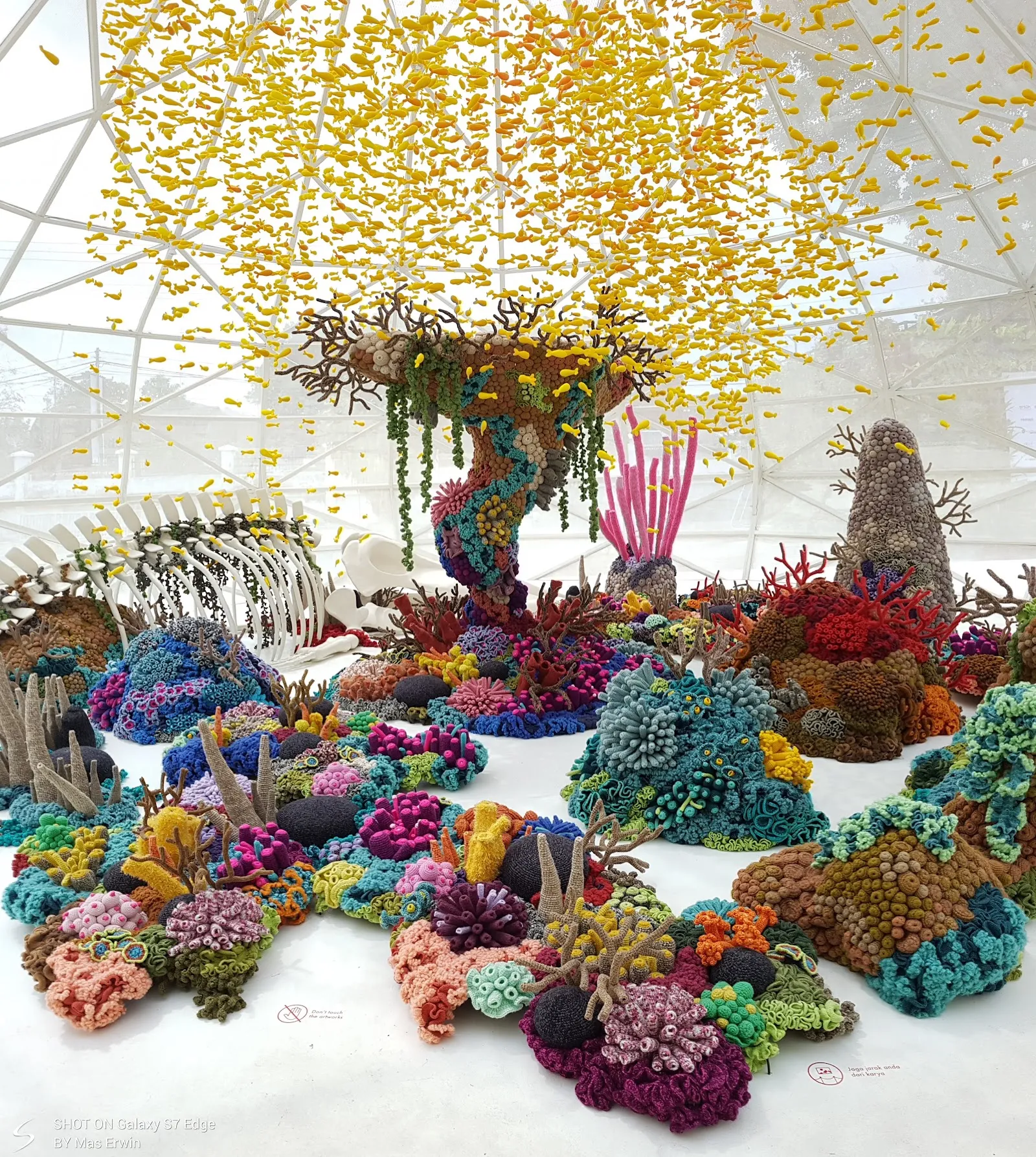
The museum occupies a complex of buildings that were first the Indonesia visual art school, known as ASRI and opened in 1950. Later the site housed the Faculty of Visual Art and Design, known as FSRD from 1984, which became the Indonesian Institute of the Arts, Yogyakarta.
The museum itself was founded in the early 2000s as a non-profit foundation for developing and conserving visual, performing and multimedia art. It is run under the Yayasan Yogyakarta Seni Nusantara (YYSN) foundation, which aims to conserve and develop cultural art at both local and national levels.
Galleries and installations
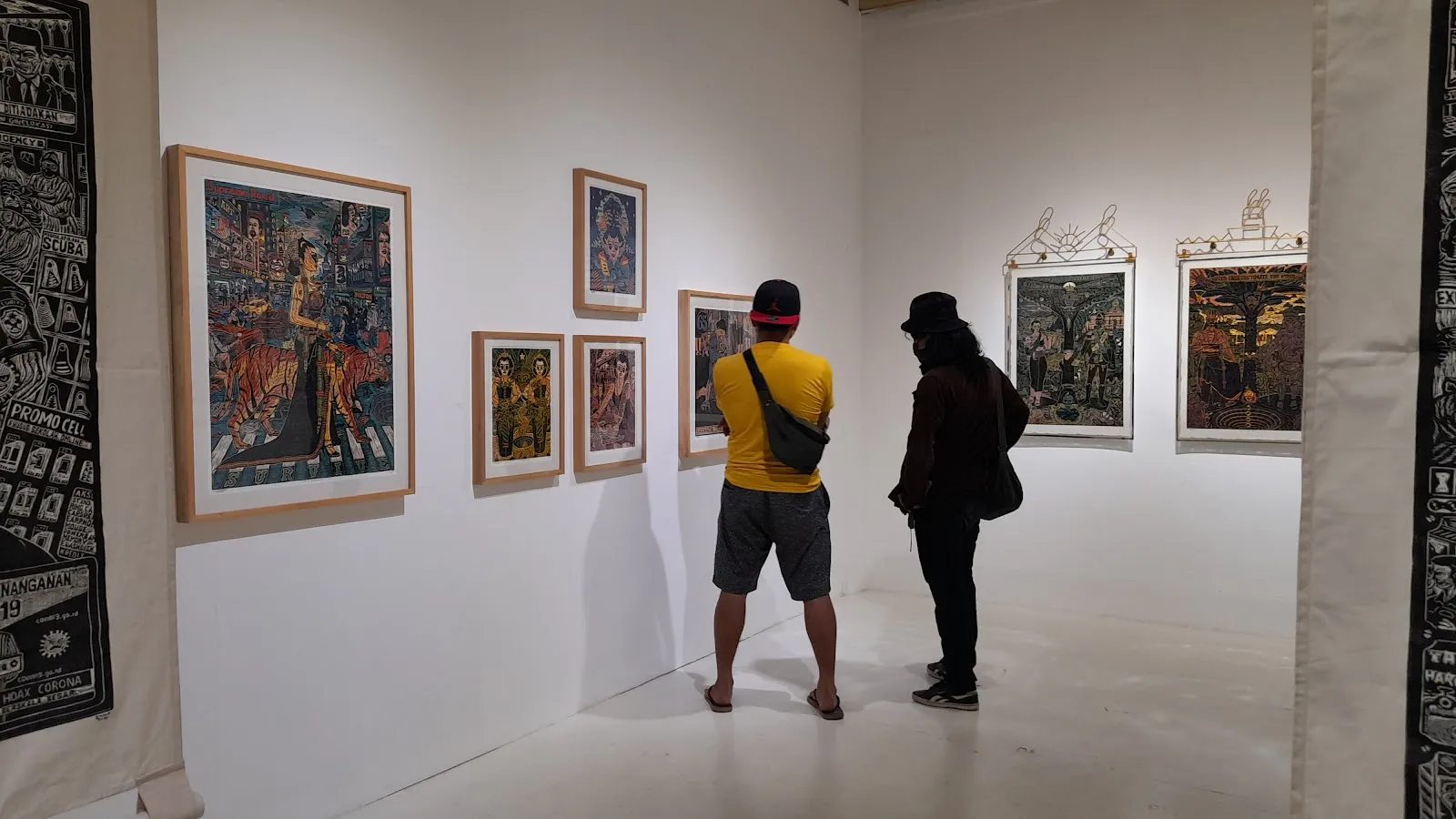
The galleries across three floors hold works in very different forms and sizes, so each room feels distinct. Guides are available throughout the building to explain the ideas behind the pieces, which helps when the work is abstract.
Some installations invite you to touch, move through or use them. During ARTJOG, installations by Roby Dwi Antono used wombs as a central image to explore generation and identity. There is also a children's exhibition, and one activity lets visitors make their own postcards.
ARTJOG, the annual exhibition
ARTJOG is held every year in July and is the main reason the museum is busiest. The 2024 edition used the theme Motif: Ramalan. In another year, the exhibition presented the first part of the Ars Longa trilogy.
During the exhibition period, the museum runs a series of agendas alongside the displays, and live performances are part of the programme. The exhibition includes sculptures, photographs, paintings and audiovisual works by artists from Indonesia and abroad.
Visiting outside ARTJOG
Outside the July exhibition, the galleries are quieter and there is less printed information about the museum and its purpose. Ask the guides or staff for background on the works you want to see.
The building remains a good place for a calm visit, with the same spacious galleries and the courtyard still open.
The compound and its shops
Outside the galleries is the JNM compound, where cafes, food stalls and boutique shops are grouped around a large tree in the courtyard. The museum shop sells a wide range of merchandise, which makes it easy to find souvenirs before you leave.
On one visit, a bazaar was running in the compound. Food stalls are open around noon, so you can eat between galleries, and the shops open later in the afternoon.
Preguntas frecuentes
How much is entry to Jogja National Museum?
Foreign adults pay 80,000 rupiah and children pay 50,000 rupiah. Check the current price at the entrance before you go.
How long do you need at Jogja National Museum?
Plan 2 to 3 hours. The three floors hold many installations, and the interactive pieces take extra time.
Do I need to buy tickets in advance?
Buying tickets in advance is recommended. It helps you skip the on-the-spot ticket queue, which can form even on weekends.
Is there food at the museum?
Yes. The compound outside has cafes and food stalls, and the museum has a restaurant. Food stalls are open around noon.


