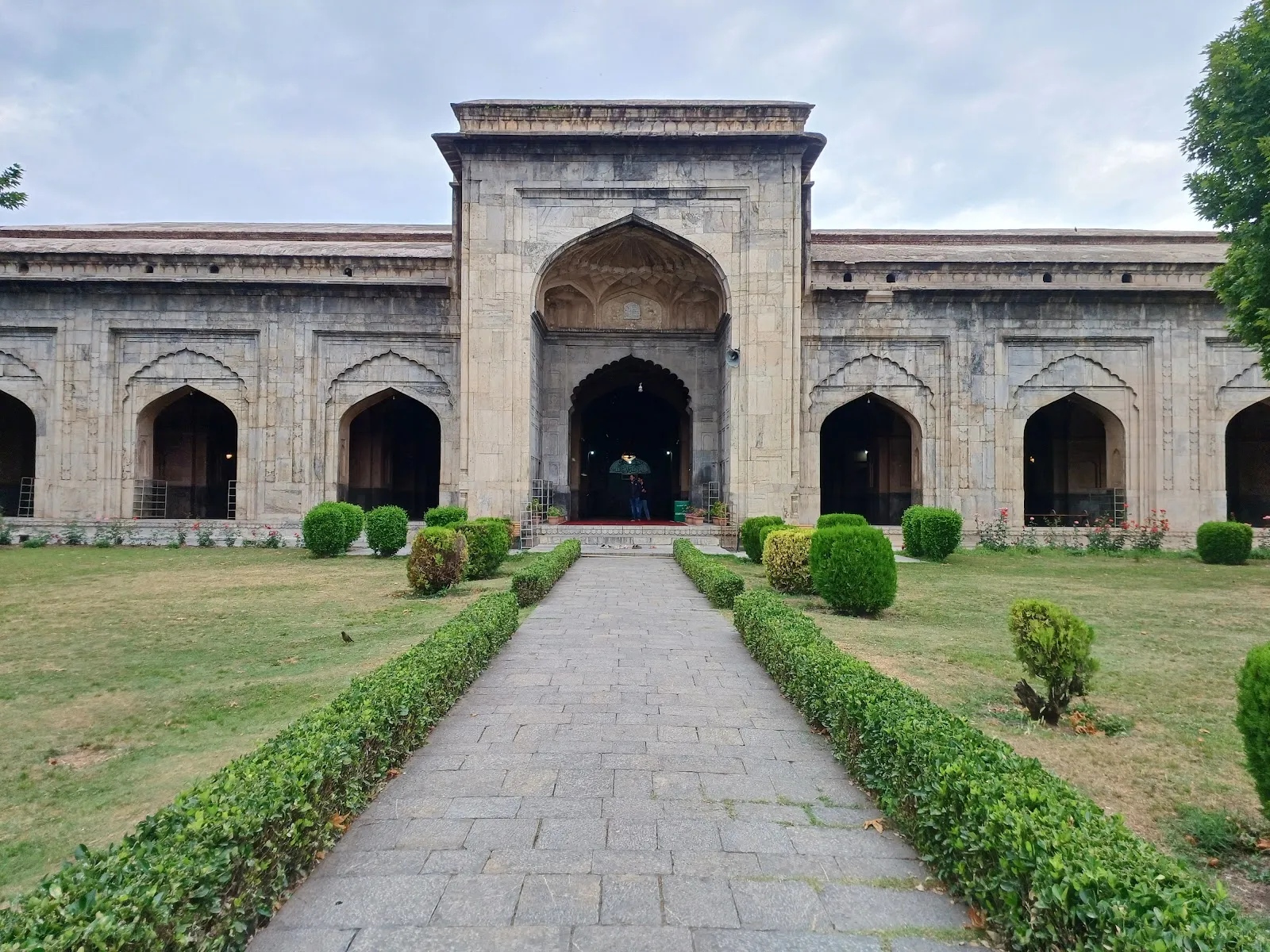
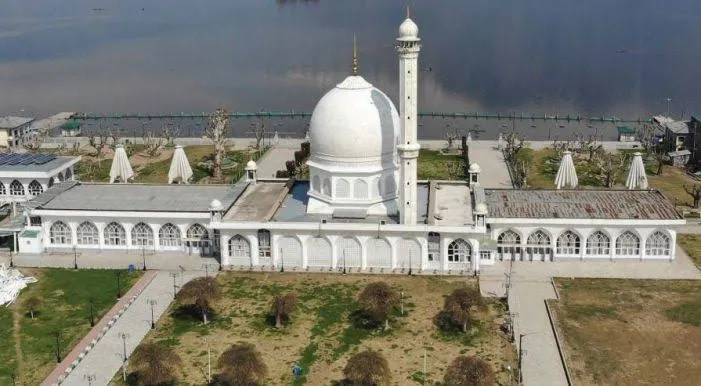
Dal Lake sits in the heart of Srinagar, the summer capital of Kashmir, with the Zabarwan and Pir Panjal mountains rising around it. It is the second largest lake in Jammu and Kashmir, and its shores are lined with Mughal gardens, houseboats and hotels. Shikara rides on painted wooden boats are the classic way to see it, and the floating market sells fresh produce, crafts and hot snacks from boats on the water. Go early or in the evening for the softest light and the clearest reflections.
Where the lake sits
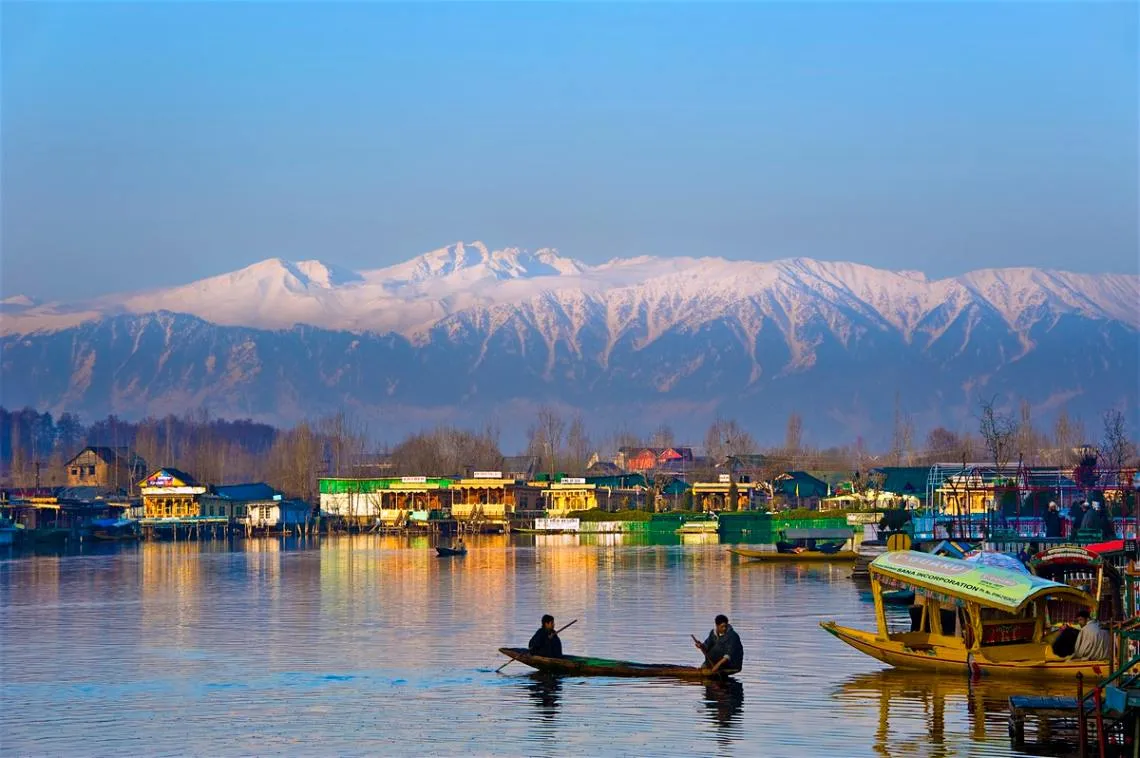
Dal Lake lies in Srinagar, the capital of Jammu and Kashmir, and is the second largest lake in the state. The water is ringed by the Zabarwan mountains, and the snowy Pir Panjal ranges show in the distance.
The lake is divided into basins, including Bod Dal and Lokut Dal. Boulevard Road runs along its edge, and budget hotels in the Dal Gate area are close to the water.
Shikara rides and the floating market
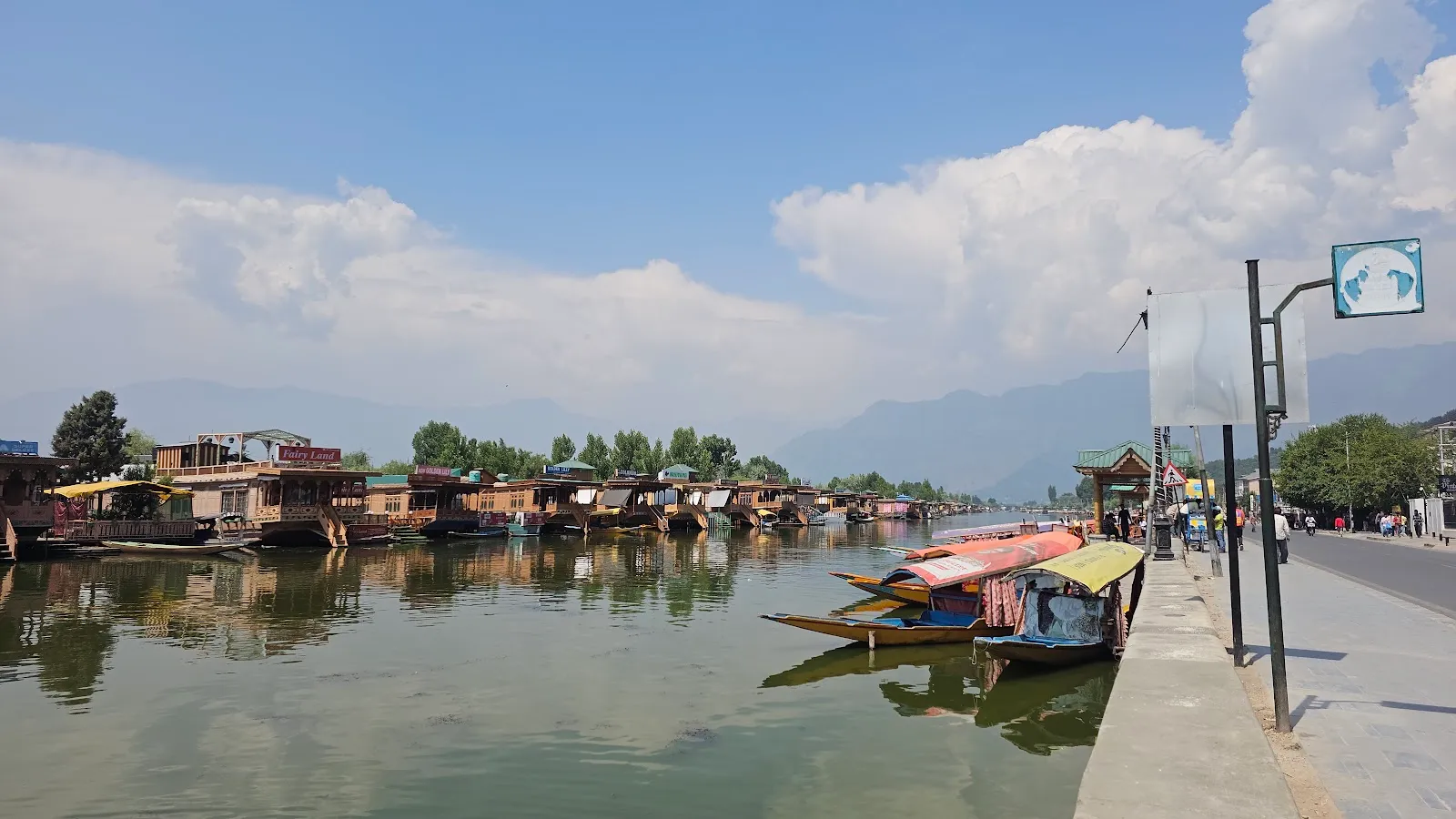
Shikaras are wooden boats with canopies, painted in bright colours. Besides carrying visitors, they transport goods to market and children to school, so you share the water with everyday life. A ride gives you the lake's open views at a slow pace.
The floating market spreads across the water. Vendors sell fresh produce, shawls, handicrafts and souvenirs. Some boats serve hot coffee, barbecued dishes, Maggi noodles and fresh fruit, and kahwa, the Kashmiri spiced tea, is served on the lake too.
Houseboats on the lake
The houseboats on Dal Lake are stationary, so they stay in one place. Many have carved wooden balconies and interiors, and some are styled after houseboats of the British Raj era. Most are built of cedar, a wood said to last for years in water. The expensive, luxuriously fitted boats are rented out as small hotels, while plainer houseboats on the Jhelum River are homes for local families.
If you book a stay, ask for a room with an unobstructed view and a private balcony. Mountains and early light are the main reasons to sleep on the water. There is even a floating post office in a houseboat in Srinagar.
Gardens and sights around the lake
Mughal gardens line parts of the shore. The Mughal emperors designed them as summer retreats. Nearby are Shalimar Bagh and Nishat Bagh, along with Pari Mahal, Chashma Shahi, Nagin Lake and the Tulip Garden.
Hazratbal Shrine stands beside the lake, and the Shankaracharya Temple sits on its hill above the city. Both draw visitors looking for quiet, so keep voices low and dress modestly when you visit.
Seasons and light
May to October is the period the material highlights for shikara rides, with pleasant, warm weather. Lotus blooms appear in summer, when the floating gardens are colourful.
In winter, the snow-clad peaks are reflected in the water, especially in January. Morning and evening light suits photography in every season.
Preguntas frecuentes
What is the best time to visit Dal Lake?
May to October is the window for shikara rides, with warm, pleasant weather. Early morning and late evening give the best light for photos.
Can you stay overnight on Dal Lake?
Yes. Houseboats on the lake offer overnight stays. Ask for a room with an unobstructed view and a private balcony for the best sights of the water and mountains.
What should you eat or drink on the lake?
Kashmiri kahwa tea is served on the lake, and trout is served along its banks, often with several chutneys. Sweet corn and fresh fruit are sold from the water.
What currency is used in Srinagar?
The Indian Rupee, which is widely accepted throughout the city.