Planifica un viaje
Idioma: Español
Planificador de viajesPlanifica tu viaje en un mapa

Destinos principales

EnglishDeutschFrançaisEspañolPortuguêsPortuguês (BR)Italiano
Aviso de viaje · EgiptoAlgunos gobiernos desaconsejan viajar a determinadas zonas de Egipto.Las advertencias cubren únicamente estas zonas: Franja de 50 km a lo largo de la frontera con Libia, Franja de Gaza, Frontera con Libia (sin profundidad definida), Gobernación del Sinaí Norte, Frontera con Sudán (sin profundidad definida), Desierto Occidental, Gobernación de Ismailía (al este del canal de Suez), Norte de la Gobernación del Sinaí Sur (más allá de la carretera Santa Catalina–Nuweiba).Los consejos dependen de tu pasaporte. Lee los de tu propio gobierno antes de reservar.Recomendaciones oficiales
Zonas con advertencias
  • Franja de 50 km a lo largo de la frontera con Libia · evitar todo viaje · Canadá, Nueva Zelanda
  • Franja de Gaza · evitar todo viaje · Canadá, Francia, Nueva Zelanda
  • Frontera con Libia (sin profundidad definida) · evitar todo viaje · Alemania, España, Francia, Italia
  • Gobernación del Sinaí Norte · evitar todo viaje · Canadá, España, Francia, Irlanda, Nueva Zelanda, Reino Unido
  • Frontera con Sudán (sin profundidad definida) · evitar todo viaje · Alemania, España, Francia, Italia
  • Desierto Occidental · evitar todo viaje · Canadá, Nueva Zelanda, Reino Unido, Estados Unidos
  • Gobernación de Ismailía (al este del canal de Suez) · evitar viajes no esenciales · Canadá, Reino Unido
  • Norte de la Gobernación del Sinaí Sur (más allá de la carretera Santa Catalina–Nuweiba) · evitar viajes no esenciales · Canadá, Nueva Zelanda, Reino Unido

También señalada por un gobierno: Franja de 20 km a lo largo de la frontera con Libia (Reino Unido), Zonas fronterizas (zonas militares) (Estados Unidos), Zona fronteriza egipcio-israelí (Alemania), Península del Sinaí norte y central (Estados Unidos), Gobernación de Port Said (al este del canal de Suez) (Canadá), Zona fronteriza de Rafah (España), Gobernación de Suez (al este del canal de Suez) (Canadá), Carretera Bahariya–Siwa (Reino Unido), Trapecio de Bir Tawil (Reino Unido), Desierto al oeste de Mersa Matruh, El Fayum y Abu Simbel (Francia), Región de Gebel Uweinat a Gilf el-Kebir (Italia), Triángulo de Halaib (Reino Unido), Zonas desérticas no turísticas (Italia), Paso fronterizo de Rafah (Irlanda), Península del Sinaí Sur (Alemania)

GobiernoConsejosActualizadoLeer las recomendaciones
Reino Unido (FCDO)No advice against the whole country (regional advisories)–Leer las recomendaciones
Estados Unidos (Departamento de Estado)Exercise increased caution (regional advisories)15 jul 2025Leer las recomendaciones
Canadá (Asuntos Globales)Exercise a high degree of caution (regional advisories)–Leer las recomendaciones
Alemania (Auswärtiges Amt)Besondere Vorsicht walten lassen (keine Gesamtwarnung) (regional advisories)13 oct 2026Leer las recomendaciones
Nueva Zelanda (SafeTravel)Exercise increased caution elsewhere in Egypt (regional advisories)–Leer las recomendaciones
Irlanda (Departamento de Asuntos Exteriores)High degree of caution (regional advisories)–Leer las recomendaciones
Francia (Ministerio de Europa y Asuntos Exteriores)Increased vigilance for the rest of the country (regional advisories)–Leer las recomendaciones

Revisado a diario según los consejos publicados por los gobiernos; última revisión 2 nov 2026.RoamLedger resume las recomendaciones oficiales; no son consejos de ningún gobierno.

Al Hakim Mosque
Mezquita

Al-Hakim Mosque

Al-Hakim Mosque stands on Al-Muizz Street in historic Cairo and is one of Egypt’s oldest surviving Islamic monuments.

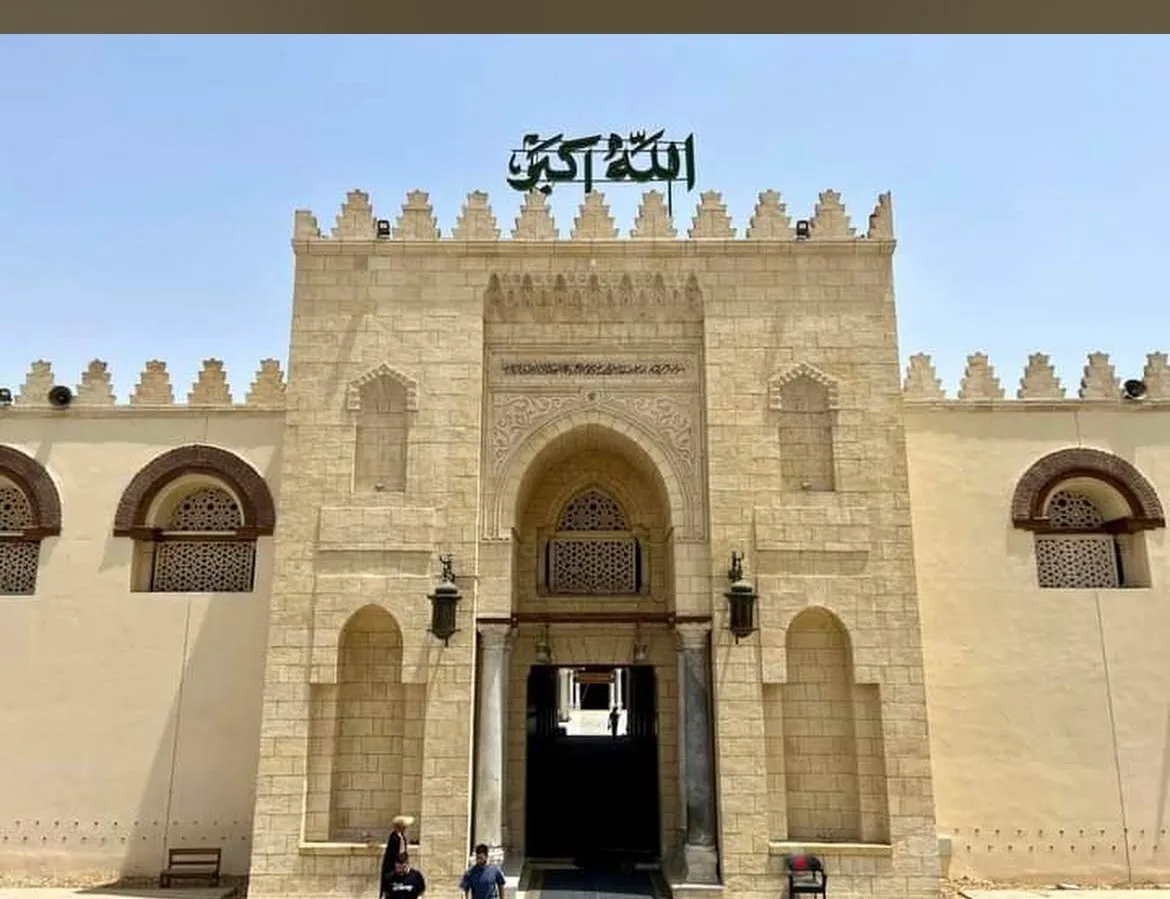
Al-Hakim Mosque stands on Al-Muizz Street in historic Cairo and is one of Egypt’s oldest surviving Islamic monuments. Commissioned by the Fatimid caliph al-Aziz in 990 and completed under his son al-Hakim in 1013, it is known for its monumental stone entrance and two minarets enclosed in protective towers. Inside, a broad courtyard and arcades create a quiet pause from the surrounding streets. Look for the old Kufic inscriptions and notice how daylight reaches the courtyard and interior.

A Fatimid mosque on Al-Muizz Street
Al-Hakim Mosque
Al-Hakim Mosque

Al-Hakim Mosque is at 154 Al-Muizz Street, at the northern end of historic Cairo. Caliph al-Aziz ordered its construction in 990, and his son al-Hakim completed it in 1013. The mosque takes its name from the son who finished the work. It is one of Egypt’s oldest surviving Islamic monuments and the second-largest Fatimid mosque in Cairo.

The building was constructed outside Cairo’s original city walls. Its scale and stonework set it apart: the massive walls rise around a large courtyard, while a monumental entrance faces the street. The mosque’s restrained decoration leaves the structure itself at the centre of the visit.

The courtyard and minarets
Al-Hakim Mosque
Al-Hakim Mosque

Four arcades surround the open central courtyard. From here, look toward the two minarets, among the oldest surviving in Cairo. Each sits within a large stone tower added to reinforce and protect it. Their unusual construction is one of the mosque’s most distinctive features.

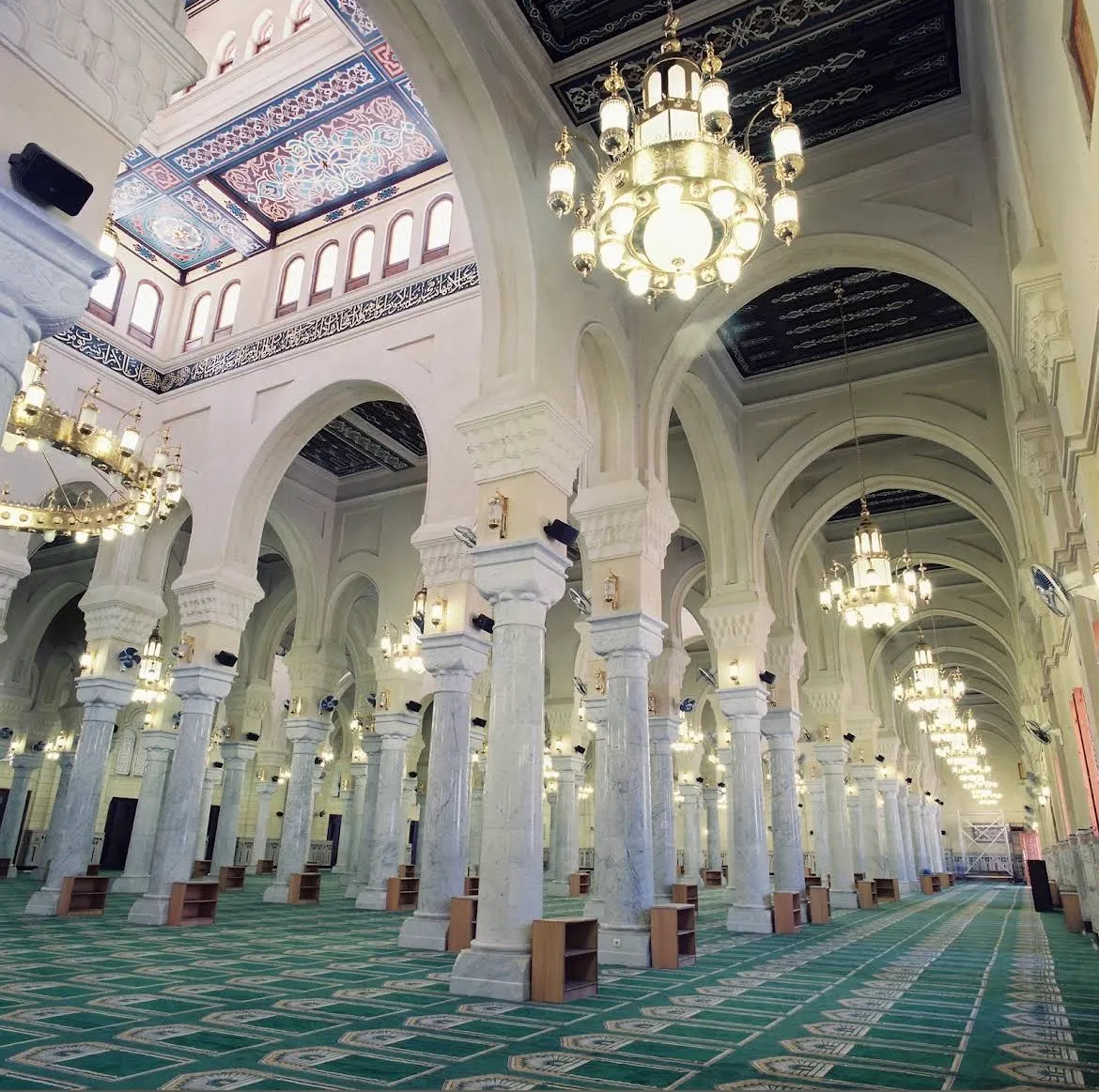
Inside, marble flooring, carpets and pale surfaces give the prayer space a calm feel. Daylight comes through the arches and windows, reaching the courtyard and illuminating details such as the building’s calligraphy and carved ornament. Take time to look up as well as across the open space.

A building with changing uses

The mosque’s role changed over the centuries. It was used as a school and, at different points, as a prison and other institutions. During the Crusades, European prisoners were held there; a chapel built inside was later removed when Salah al-Din used the structure as a stable. The building returned to use as a mosque after restoration in 1980.

Today, it remains a place of worship as well as a historic site. Keep your visit considerate of people who are there to pray. The courtyard and arcades give you room to take in the architecture quietly, away from the busier stretch of Al-Muizz Street.

Preguntas frecuentes

Is entry to Al-Hakim Mosque free?

Yes. The entrance is free.

When is the best time to visit Al-Hakim Mosque?

Around midday is a good choice. The mosque gets busier toward sunset.

What should I see at Al-Hakim Mosque?

Look for the monumental stone entrance, the two minarets enclosed in towers, the courtyard and the Kufic inscriptions.

Where is Al-Hakim Mosque?

It is at 154 Al-Muizz Street in El-Gamaleya, historic Cairo.
Más lugares imprescindibles en El Cairo

Explorar todo