Capilla del Hombre, or the Chapel of Man, is an art museum in Quito’s Bellavista neighborhood, dedicated to Ecuadorian artist Oswaldo Guayasamín and his vision of Latin American history and identity. Its monumental murals and paintings confront human suffering, social injustice and the struggles of Indigenous peoples. The visit also includes Guayasamín’s former home and studio, where his personal collection brings another perspective on his life and work. Guided tours in English or Spanish help put the art in context; allow time to take in the museum’s serious themes at your own pace.
A museum devoted to Guayasamín’s vision
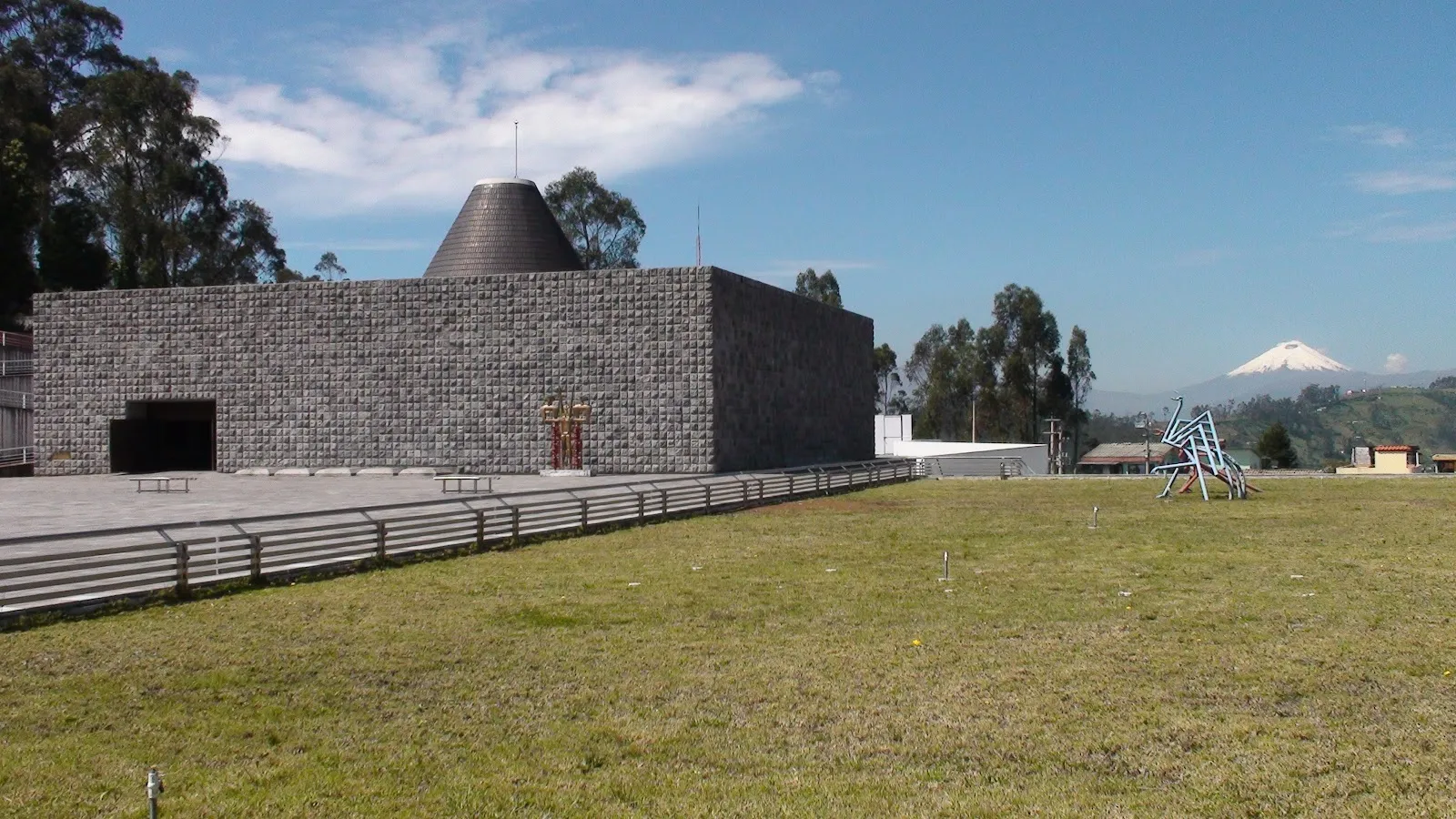
Capilla del Hombre is a cultural complex in Bellavista dedicated to the work and ideas of Ecuadorian artist Oswaldo Guayasamín. The museum’s name means Chapel of Man. It is a secular space devoted to humanity, with a particular focus on Latin American peoples and their history.
Guayasamín’s paintings address suffering, social injustice and the experience of Indigenous and marginalized communities. His large figures and murals fill the museum’s monumental interior. The art asks visitors to look closely at difficult parts of history, including poverty, racism and political oppression.
The chapel and the artist’s home
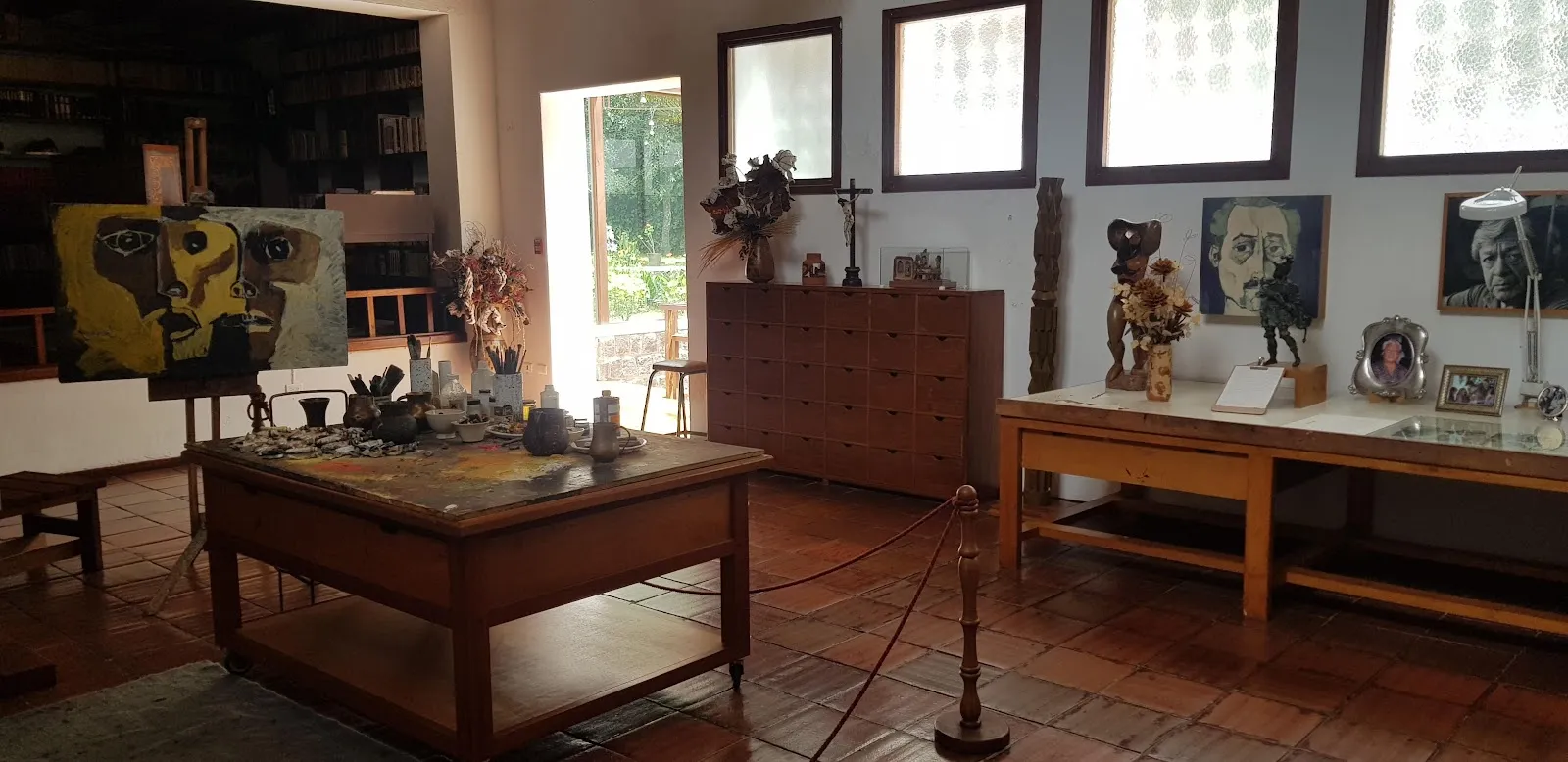
The Chapel of Man is one part of the visit. The complex also includes Casa Museo Guayasamín, the artist’s former residence, and his studio. Seeing these spaces alongside the paintings gives you a view of both the public themes in his art and the person who made it.
The house displays pieces from Guayasamín’s personal collection, including pre-Columbian and colonial works. Other public spaces in the complex include the Maruja Monteverde temporary exhibition hall and an archaeological site and park of cultures. The precise spaces open during a visit are not specified, so check with the foundation if you want to plan around a particular one.
What to expect from a visit
Guided tours are available in English and Spanish and cover the chapel and the artist’s house. The tour helps explain the motivations behind the work and provides context for Guayasamín’s life. Tours are arranged when visitors arrive rather than following set times, so ask about the next available tour on entry.
The paintings’ themes can feel emotionally demanding. Take your time in the galleries and allow space to reflect. Visitors with older children can use the large murals to start conversations about human rights and Latin American history.
Getting to Bellavista
Capilla del Hombre is in Quito’s Bellavista neighborhood, on a site with views across the city. One reported ride from Quito’s old city by Uber cost about $6; treat that as a planning reference, not a guaranteed fare. The museum recommends getting tickets in advance. Its listed facilities include a restaurant, restrooms and wheelchair-accessible entrances, restrooms and parking.
Preguntas frecuentes
Where is Capilla del Hombre?
It is in the Bellavista neighborhood of Quito, at Mariano Calvache y Lorenzo Chávez E18-94.
Are guided tours available in English?
Yes. Guided tours in English and Spanish are available, and visitors arrange them on arrival rather than choosing from set tour times.
What else can you see besides the chapel?
The complex includes Guayasamín’s former home and studio, where his personal collection includes pre-Columbian and colonial pieces.
Is Capilla del Hombre suitable for children?
The large murals can help older children explore human rights and Latin American history. The artwork deals with serious themes, including suffering and social injustice.