Planeje uma viagem
Idioma: Português (BR)
Planejador de viagensPlaneje sua viagem em um mapa

Principais destinos

EnglishDeutschFrançaisEspañolPortuguêsPortuguês (BR)Italiano
Alerta de viagem · MéxicoAlguns governos recomendam evitar viagens a partes de México.Os alertas cobrem apenas estas áreas: Colima, Culiacán e arredores, Guerrero, Sinaloa, Sul de Michoacán, Acapulco, Chiapas, Chihuahua, Hent-bras 199 (San Cristóbal de las Casas–Palenque), Takad ar frontier Gwatemala (Chiapas), Park broadel Lagunas de Zempoala, Takad ar frontier Mec'hiko-Stadoù-Unanet, Michoacán, Hent-bras Monterrey–Nuevo Laredo, Nayarit, stribad 20 km a-hed ar frontier gant Sinaloa ha Durango, Nuevo León, Piedras Negras, Sonora, Sul da rodovia 45D (Guanajuato), Tamaulipas, Tecate, Tijuana, Zacatecas.As recomendações dependem do seu passaporte. Leia a recomendação do governo do seu país antes de reservar.Recomendação oficial
Áreas com alertas
  • Colima · evitar todas as viagens · Canadá, Alemanha, França, Nova Zelândia, Reino Unido
  • Culiacán e arredores · evitar todas as viagens · Espanha, França
  • Guerrero · evitar todas as viagens · Canadá, Alemanha, França, Nova Zelândia, Reino Unido
  • Sinaloa · evitar todas as viagens · Canadá, Alemanha, Espanha, França, Nova Zelândia, Reino Unido
  • Sul de Michoacán · evitar todas as viagens · Espanha, França
  • Acapulco · evitar viagens não essenciais · Espanha, França
  • Chiapas · evitar viagens não essenciais · Canadá, França
  • Chihuahua · evitar viagens não essenciais · Canadá, França, Reino Unido
  • Hent-bras 199 (San Cristóbal de las Casas–Palenque) · evitar viagens não essenciais · França, Reino Unido
  • Takad ar frontier Gwatemala (Chiapas) · evitar viagens não essenciais · Alemanha, França, Nova Zelândia, Reino Unido
  • Park broadel Lagunas de Zempoala · evitar viagens não essenciais · Canadá, Nova Zelândia
  • Takad ar frontier Mec'hiko-Stadoù-Unanet · evitar viagens não essenciais · Alemanha, França
  • Michoacán · evitar viagens não essenciais · Canadá, Alemanha, Nova Zelândia, Reino Unido
  • Hent-bras Monterrey–Nuevo Laredo · evitar viagens não essenciais · Espanha, França
  • Nayarit, stribad 20 km a-hed ar frontier gant Sinaloa ha Durango · evitar viagens não essenciais · Canadá, Nova Zelândia
  • Nuevo León · evitar viagens não essenciais · Canadá, Nova Zelândia
  • Piedras Negras · evitar viagens não essenciais · Espanha, França
  • Sonora · evitar viagens não essenciais · Canadá, Nova Zelândia
  • Sul da rodovia 45D (Guanajuato) · evitar viagens não essenciais · Canadá, Nova Zelândia, Reino Unido
  • Tamaulipas · evitar viagens não essenciais · Canadá, França, Reino Unido
  • Tecate · evitar viagens não essenciais · França, Reino Unido
  • Tijuana · evitar viagens não essenciais · França, Reino Unido
  • Zacatecas · evitar viagens não essenciais · Canadá, Alemanha, Espanha, França, Reino Unido

Também indicado por um governo: Norte de Tamaulipas (ao norte de Ciudad Victoria) (Alemanha), Rodovia 129 Martínez de la Torre–Teziutlán (França), Rodovia 131 Tlapacoyan–Perote (França), Rodovia 40 Monterrey–Reynosa (França), Estradas vicinais Martínez de la Torre–Papantla (França), Triângulo Celaya–Irapuato–Salamanca (França), Baja Califórnia (França), Zonas turísticas de Chiapas (Espanha), Ciudad Acuña (Espanha), Ciudad Juárez e arredores (Espanha), Ciudad Obregón (França), Coahuila (Nova Zelândia), Coatzacoalcos (França), Colônias ao norte e nordeste do Zócalo (França), Durango (França), Leste de Nuevo León (França), Ecatepec (Espanha), Hent-bras 45 etre León ha Irapuato (Nova Zelândia), Jalisco, stribad 50 km a-hed ar frontier gant Michoacán (Canadá), Monclova (Espanha), Morelos (França), Naucalpan (Espanha), Nayarit (França), Nezahualcóyotl (Espanha), Nogales (França), Kumunioù norzh Jalisco (Reino Unido), Norzh Tamaulipas (San Fernando betek ar frontier Stadoù-Unanet) (Espanha), Norzh Veracruz (adalek Martínez de la Torre) (França), Hent-bras 150D Puebla–Orizaba (França), Hent-bras 190 Oaxaca–Santo Domingo Tehuantepec (França), Hent-bras 85 ha 83 Monterrey–Ciudad Victoria–Tampico (França), Hent-bras 95 Kêr-Mec'hiko–Cuernavaca (França), Koadva Lacandona (França), Sul e sudoeste do Lago Chapala (Reino Unido), Sul do estado de Guanajuato (França), Sudoeste de Jalisco e Los Altos (França), Sudoeste de Michoacán (França), Sudoeste de Tamaulipas (França), Tepic (Nova Zelândia), Toluca (França), Veracruz (cidade) (França)

GovernoRecomendaçõesAtualizadoLeia a recomendação
Reino Unido (FCDO)No advice against the whole country (regional advisories)–Leia a recomendação
Estados Unidos (Departamento de Estado)Exercise increased caution29 de mai. de 2026Leia a recomendação
Canadá (Global Affairs)Exercise a high degree of caution (regional advisories)–Leia a recomendação
Alemanha (Auswärtiges Amt)Besondere Vorsicht walten lassen (Sicherheitslage) (regional advisories)19 de out. de 2026Leia a recomendação
Nova Zelândia (SafeTravel)Exercise increased caution (regional advisories)–Leia a recomendação
França (Ministério da Europa e Relações Exteriores)Vigilance renforcée pour le reste du pays (regional advisories)–Leia a recomendação

Verificado diariamente com base nas recomendações publicadas pelos governos; última verificação em 3 de nov. de 2026.RoamLedger resume recomendações oficiais; não são recomendações de nenhum governo.

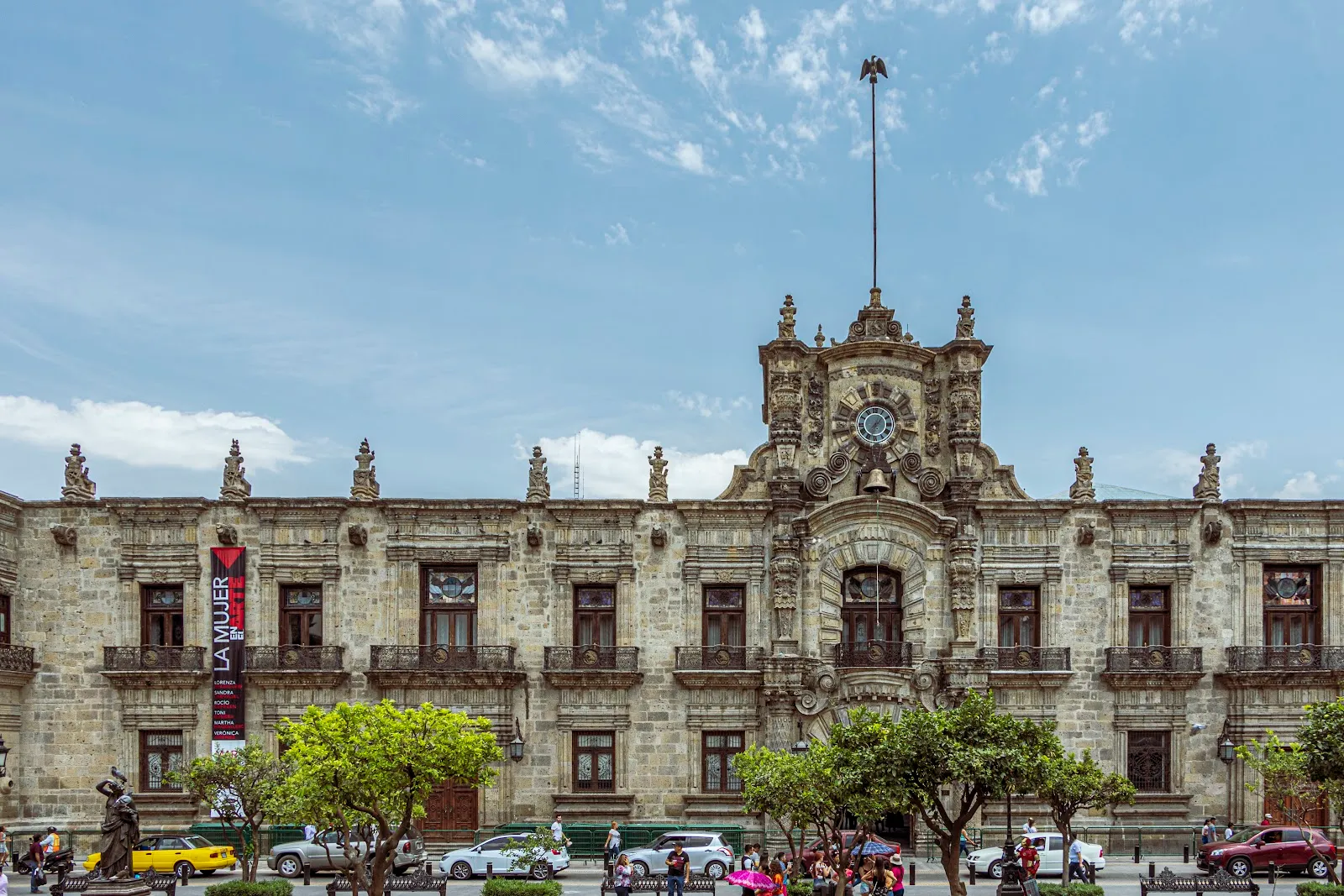
A corner of the instituto zapopan building
Museu

Cabañas Museum

The Cabañas Museum occupies the Hospicio Cabañas, a neoclassical complex at the eastern end of Plaza Tapatía in Guadalajara.

The Cabañas Museum occupies the Hospicio Cabañas, a neoclassical complex at the eastern end of Plaza Tapatía in Guadalajara. It was built to shelter orphans, the elderly and the sick, and it has been a UNESCO World Heritage Site since 1997. The main reason to go is José Clemente Orozco's murals in the Capilla Mayor, including El Hombre de Fuego in the dome. Around the chapel, low buildings open onto courtyards, and rotating exhibitions fill the rooms. The vaulted ceilings and quiet patios make for an unhurried visit.

From hospice to cultural institute

The Hospicio Cabañas was founded to care for people in need: orphans, the elderly, people with disabilities and the chronically ill. Bishop Juan Cruz Ruiz de Cabañas y Crespo founded it, and the building took his name. Until 1980 it kept working as a hospital. That year the Cabañas Cultural Institute moved in, along with affiliated schools of arts and crafts.

Today the complex is a place for exhibitions and cultural events. Each February, around the 14th, the GDLUZ festival uses it as one of its venues for about three days, together with the cathedral, Liberation Square and the Degollado Theater.

The building and its courtyards

The complex is neoclassical and monumental in scale, covering 2.34 hectares. Its plan is rectangular, and single-story buildings are arranged around open spaces. There are more than 20 patios, and arches, domes and a large courtyard give the interior an open, airy feel. The scale also explains the quiet: the visitor traffic spreads out, and some corners are often empty.

In the interior courtyards you will find works by the French conceptual artist Daniel Buren. They sit within an 18th and 19th century structure, and the contrast is part of the visit. The museum stands at the eastern end of Plaza Tapatía, one block from Mercado Libertad. Mercado San Juan de Dios, the large indoor market, is also close.

Orozco in the Capilla Mayor

The chapel is the part of the visit that most people come for. Orozco painted the ceiling and dome of the Capilla Mayor with modernist murals, and the series ranks among his best work. The paintings are political and strongly coloured, and they contrast with the calm neoclassical chapel around them. In all, he painted 57 frescoes here between 1937 and 1939.

The best-known image is El Hombre de Fuego, the Man of Fire, in the dome. Because it is overhead, the chapel provides benches, and many visitors lie back on them to take it in. The museum also holds around 340 other pieces by Orozco, including easel paintings, as well as works by other leading contemporary Mexican artists.

Exhibition rooms

The galleries change over time. Rotating photography exhibitions fill some of them, and the Sala Sampietro presents the posthumous work of Fernando Sampietro. Since the programme changes, the exhibitions are an extra on top of the building and the murals. The museum's website lists current shows.

Perguntas frequentes

Is the Cabañas Museum free?

Entry is free on Tuesdays. For ticket prices on other days, check the museum's official website.

What days is the Cabañas Museum open?

It is open Tuesday to Sunday in the daytime and closed on Mondays.

What is the main thing to see at the Cabañas Museum?

The Orozco murals in the Capilla Mayor, above all El Hombre de Fuego in the dome. The 57 frescoes were painted between 1937 and 1939.

Where is the Cabañas Museum?

It is at Calle Cabañas 8, at the eastern end of Plaza Tapatía in Guadalajara's historic centre. Mercado Libertad is one block away.

How long do you need at the Cabañas Museum?

Plan on 1 to 3 hours. The complex is large and has more than 20 patios, so allow longer if you want to see the exhibition rooms as well as the chapel.

Mais atrações imperdíveis em Guadalajara

Explorar tudo