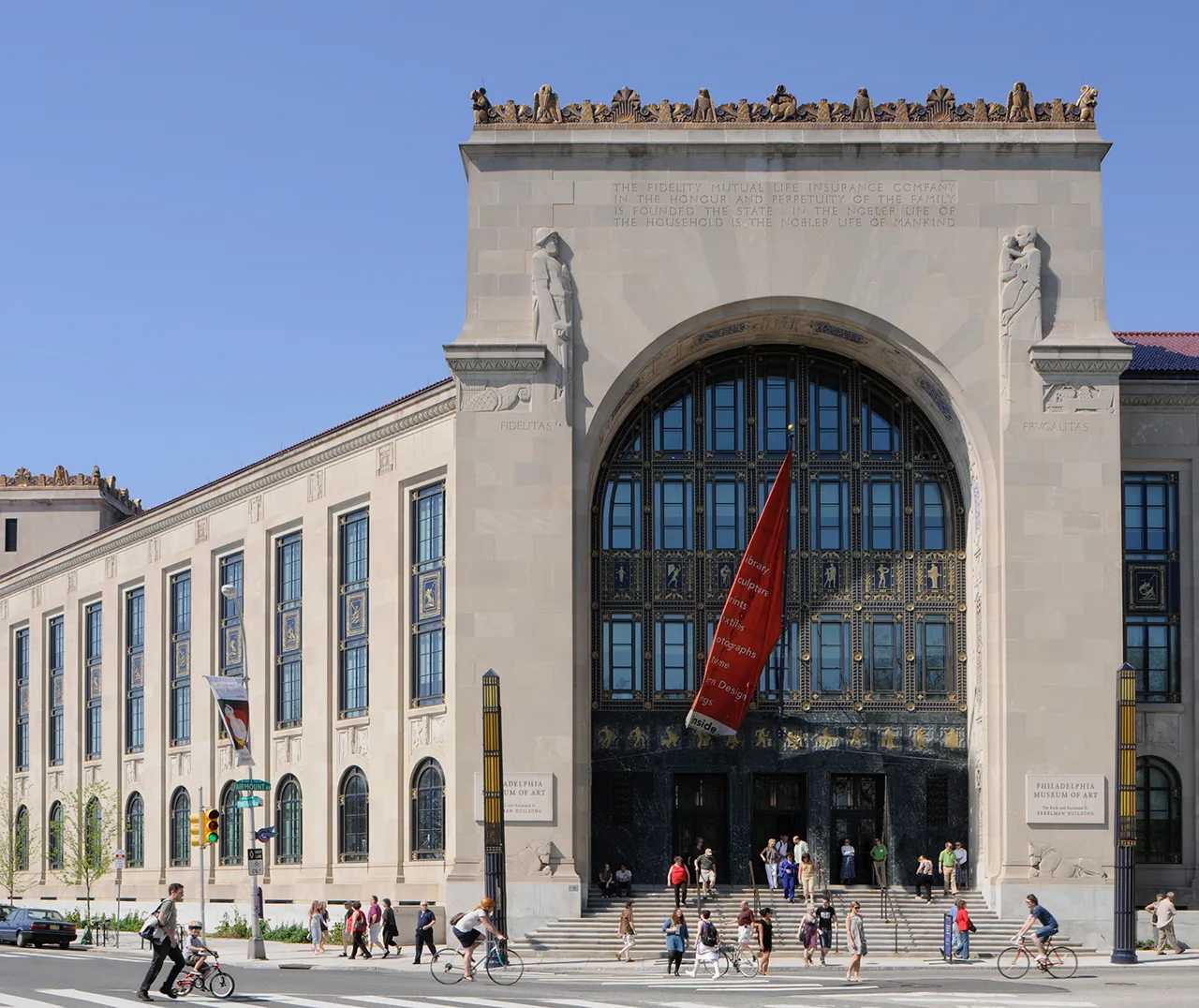
On the University of Pennsylvania campus, the Penn Museum brings archaeology and anthropology together across galleries devoted to Egypt, the ancient Mediterranean, Asia, Africa, the Middle East and the Americas. Its collections include a monumental Egyptian sphinx, mummies, ancient writing and objects from royal tombs in Ur. High-ceilinged galleries are easy to explore at your own pace, with clear displays that help connect artifacts to everyday life across different cultures. Allow two to three hours; gardens, a cafe and a gift shop add options before or after the galleries.
A museum built around archaeology and anthropology
The Penn Museum opened in 1887 as the University of Pennsylvania’s museum of archaeology and anthropology. Its work has included archaeological and anthropological expeditions around the world, and its collections now hold more than a million objects. The galleries bring together material from ancient civilizations and from Indigenous and other communities across Africa, Asia, the Americas, the Middle East and the Mediterranean.
Rather than following a single country’s timeline, the museum lets you move between regions and cultures. Displays cover subjects including ancient Egypt, Mesopotamia, Canaan and Israel, Mesoamerica, Buddhist Asia, and ancient Europe. Object labels help explain how people lived, made things and practiced their beliefs.
The sphinx and the galleries of Egypt
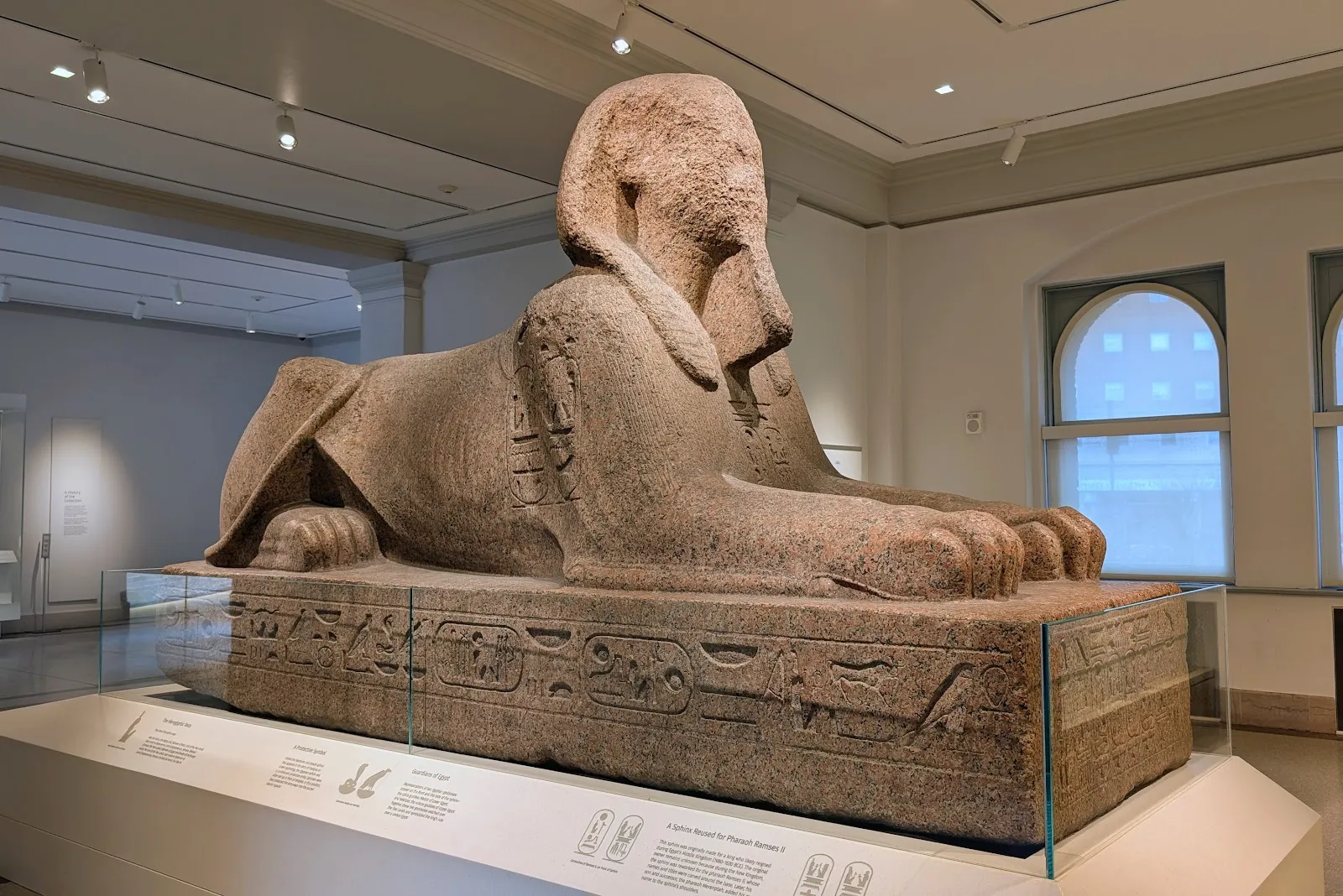
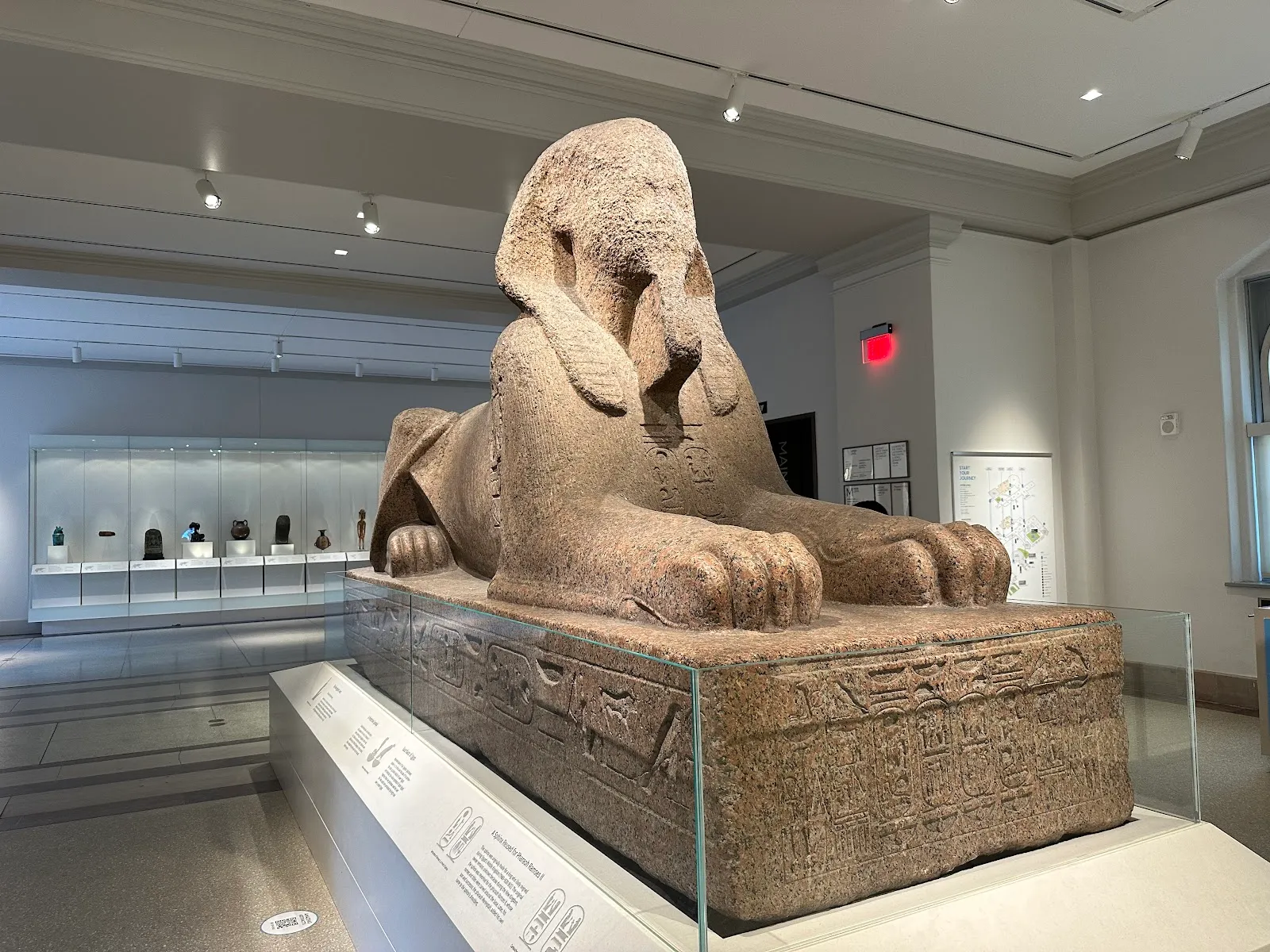
The Egyptian collection includes the Sphinx of Ramses II, a monumental granite sculpture dated to about 3,000 years ago. It stands in the Main Entrance Hall and is among the museum’s most recognizable objects. Nearby galleries explore ancient Egypt through artifacts and mummies.
The scale of the sphinx gives the entrance hall a striking focal point, but smaller objects reward a closer look. Jewelry, sculpture and other archaeological finds offer glimpses of daily life and artistic traditions. If Egypt is your main interest, allow enough time to read the displays instead of treating the hall as a quick photo stop.
Objects from Mesopotamia and the ancient Mediterranean
The galleries extend well beyond Egypt. In the ancient Mediterranean sections, you can see material from Greek, Roman and Etruscan cultures, including pottery depicting athletic competitions. Mesopotamian objects include cuneiform tablets, among the earliest known forms of writing, and finds from the Royal Tombs of Ur in present-day Iraq. One notable piece is a headdress made with gold leaves and lapis lazuli.
Other collections range from Chinese ceramic sculpture to Maya stone monuments and objects from Asia, Africa and the Americas. The variety makes it possible to follow different interests, whether you are drawn to writing, sculpture, burial practices or the materials people used in daily life.
Architecture, gardens and family visits
The museum occupies a Beaux-Arts building on the University of Pennsylvania campus. Its interior includes high-ceilinged galleries and a Chinese Rotunda beneath a large dome. Outside, the museum grounds include the Warden Garden and Stoner Courtyard. The Warden Garden has a koi pool, lawns and mosaics by Louis Comfort Tiffany; the courtyard includes sculptures, a cobbled path and a marble fountain.
The museum has a cafe and a gift shop, as well as family programming. Some activities are designed for children, and the museum has held after-hours sleepovers for children ages six to twelve. Programs and temporary exhibitions change, so check the museum’s website for current details before planning around a specific event.
FAQ
How long should I spend at the Penn Museum?
Allow about two to three hours to explore the galleries at a comfortable pace.
What can I see at the Penn Museum?
Collections cover archaeology and anthropology from Egypt, the ancient Mediterranean, Asia, Africa, the Middle East and the Americas. Highlights include the Sphinx of Ramses II, mummies and objects from the Royal Tombs of Ur.
Is there a cafe at the Penn Museum?
Yes. The cafe has a limited selection of sandwiches and packaged snacks, and it closes at 3 PM.
Is the Penn Museum suitable for children?
The museum has family programs and has held sleepovers for children ages six to twelve. Check its website for current activities.