Castello del Buonconsiglio is the large castle complex on the hill above central Trento. From the 13th century to the late 18th century it was the residence of the prince-bishops of Trento, and its buildings grew across medieval, Renaissance and Baroque periods. Today it is a museum with collections that run from prehistory to the 19th century. The highlight is the 15th-century Cycle of the Months in the Torre Aquila, a painted record of court life. Set aside time for the courtyards, the garden and the views from the upper floors.
From prince-bishops to museum
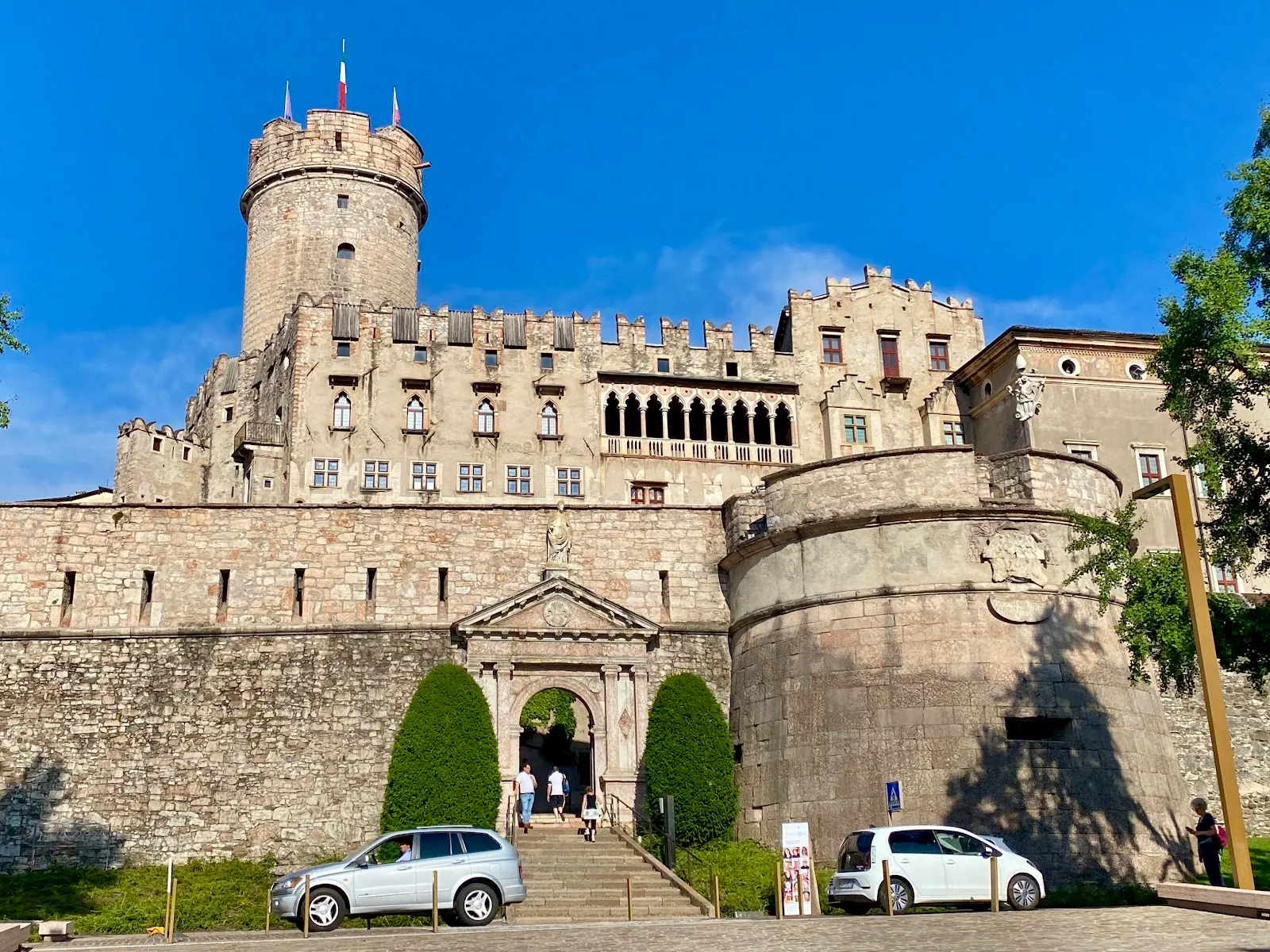
The castle was the seat of the prince-bishops of Trento for centuries, from the 13th century until the end of the 18th century. Its political role ended in 1803, when the principality was secularized.
The complex sits on a rise slightly higher than the city and is enclosed by walls. It was built against the city walls of the 13th century, and later generations added to it rather than replacing it. The result is a building that reads like a timeline of the region's rulers.
Today the castle houses the provincial museum collections, and the rooms that once served the prince-bishops now hold exhibitions.
Building by building
The oldest part is the Castelvecchio section, with medieval fortifications built in the 13th century. It sits on the far side of the complex from the later wings.
The Magno Palazzo, a Renaissance section, was completed roughly three centuries after the medieval part. Baroque elements came later still, so the walk from one wing to the next shows how the castle's needs and tastes changed.
The lush gardens around the buildings give the complex a calmer setting than the thick walls suggest. The garden and courtyard at the back of the palace are worth a stop in their own right.
The Torre Aquila and its frescoes
The Torre Aquila, or Eagle Tower, is a 13th-century tower that holds the castle's artistic centrepiece. Its Cycle of the Months is a 15th-century fresco series that depicts scenes from court life in the Middle Ages, arranged as a sequence of months.
The tower is ticketed separately from the main museum. An audio guide is available with the tower ticket, which helps with reading the scenes and their setting.
The frescoes are the main reason many visitors give the castle a full morning or afternoon, so plan to reach the tower with time to spare.
Collections and what is inside
The museum holds archaeological collections, art, coins and temporary exhibitions. The displays span from prehistory up to the 19th century, so you can move from very early finds to later painting and decorative arts.
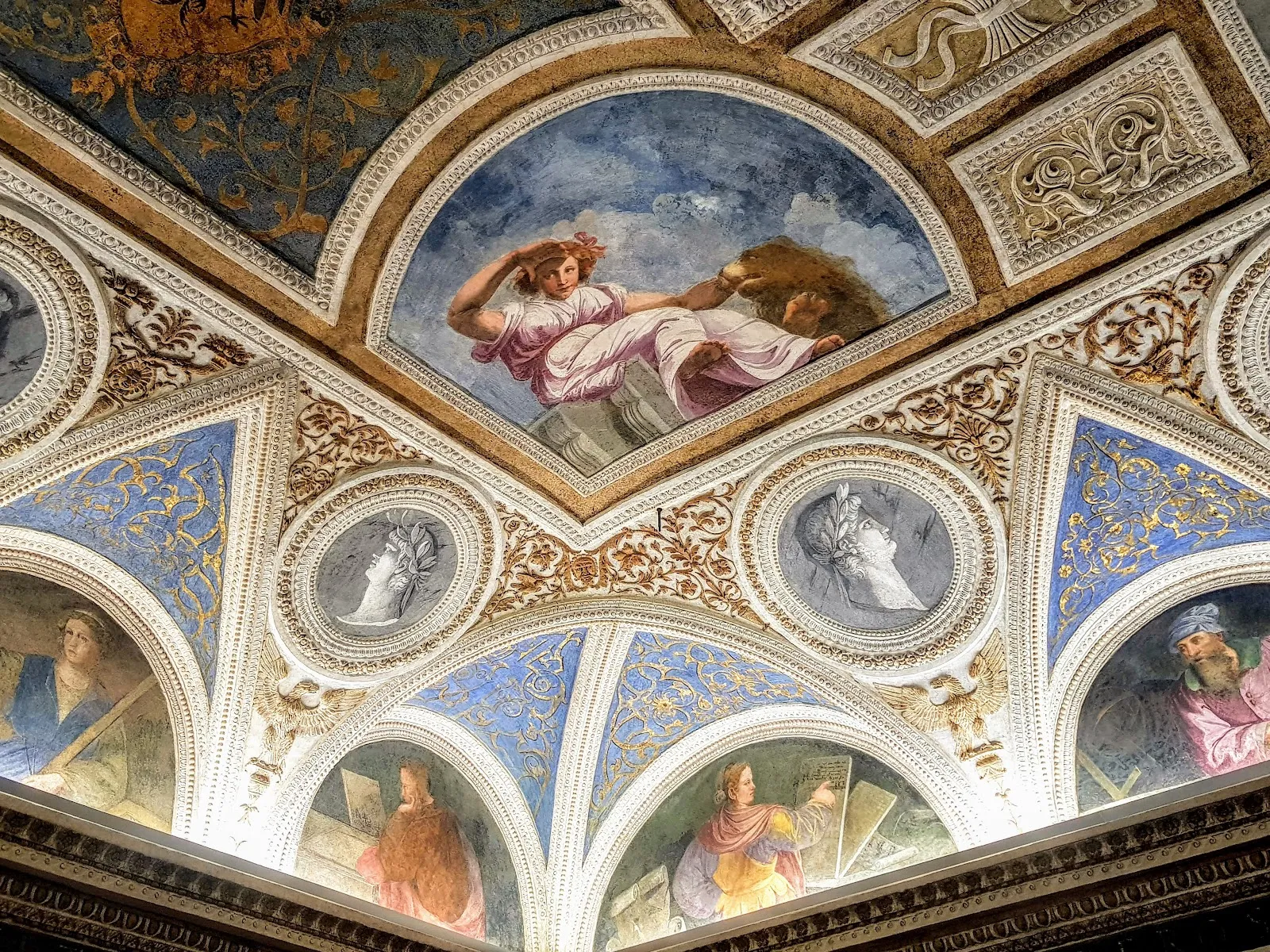
The interiors include decorated ceilings and painted walls in many rooms. Staff in the rooms are helpful and can explain the rooms and the routes.
A balcony with columns on the staircase gives a good view of the city with the mountains behind it.
Planning the visit
Allow at least two hours for the main museum, and more if you plan to see the Torre Aquila and the temporary exhibitions. The complex is large, so a steady pace helps.
A guest card from local accommodation can bring a discount on entry. The site also has a bar where drinks are priced reasonably, which is useful between sections of the visit.
Check the official website for current prices and exhibitions before you travel, because the programme changes through the year.
FAQ
Is there an entry fee?
Yes. Prices are set by the museum, so check the official website at buonconsiglio.it for current rates before you go. The Torre Aquila requires a separate ticket.
Do I need to book tickets in advance?
Booking in advance is recommended, and buying online helps you avoid the entrance queue. E-tickets can also be bought at the ticket office.
How long do you need at the castle?
Allow at least two hours. Add more time if you want to see the Torre Aquila frescoes and the temporary exhibitions.
Is there English information in the museum?
Labels in English are limited, so download a guide or app before your visit. The audio guide for the Torre Aquila can help with the frescoes.