Pianifica un viaggio
Lingua: Italiano
Pianificatore di viaggiPianifica il tuo viaggio su una mappa

Le migliori destinazioni

EnglishDeutschFrançaisEspañolPortuguêsPortuguês (BR)Italiano
Avviso di viaggio · BrasileSão Paulo si trova in o vicino a un'area per cui i governi sconsigliano ogni viaggio non essenziale: Favelas.Le indicazioni dipendono dal tuo passaporto. Leggi quelle del tuo governo prima di prenotare.Indicazioni ufficiali
Aree con avvisi
  • Ceilândia · evitare i viaggi non essenziali · Italia, Stati Uniti
  • Favelas · evitare i viaggi non essenziali · Germania, Spagna, Nuova Zelanda, Stati Uniti
  • Paranoá · evitare i viaggi non essenziali · Italia, Stati Uniti
  • Santa Maria · evitare i viaggi non essenziali · Italia, Stati Uniti
  • São Sebastião · evitare i viaggi non essenziali · Italia, Stati Uniti
  • Area di confine con il Venezuela · evitare i viaggi non essenziali · Germania, Francia

Segnalata anche da un solo governo: Fascia di 160 km lungo i confini terrestri del Brasile (Stati Uniti), Complexo da Maré (Canada), Complexo da Penha (Canada), Fascia di 20 km lungo il confine con la Bolivia (escluso il Parco Nazionale del Pantanal) (Canada), Fascia di 20 km lungo il confine con la Colombia (Canada), Fascia di 20 km lungo il confine con la Guyana francese (Canada), Fascia di 20 km lungo il confine con la Guyana (Canada), Fascia di 20 km lungo il confine con il Paraguay (Canada), Fascia di 20 km lungo il confine con il Perù (Canada), Fascia di 20 km lungo il confine con il Suriname (Canada), Fascia di 50 km lungo il confine con il Venezuela (Canada), Fiume Amazonas e affluenti, Stato dell'Amazonas (tra Codajás e Belém do Solimões) (Regno Unito), Zone di confine (non specificate) (Francia), Parco Nazionale della Chapada Diamantina (Trilha do 21) (Spagna), Planaltina (Italia), Samambaia (Italia)

GovernoConsigliAggiornatoLeggi le indicazioni
Regno Unito (FCDO)No advice against the whole country (regional advisories)–Leggi le indicazioni
Stati Uniti (Dipartimento di Stato)Exercise increased caution (regional advisories)31 ago 2026Leggi le indicazioni
Canada (Affari globali)Exercise a high degree of caution (regional advisories)–Leggi le indicazioni
Germania (Auswärtiges Amt)No advice against the whole country (regional advisories)27 ott 2026Leggi le indicazioni
Nuova Zelanda (SafeTravel)Exercise increased caution due to high crime rates (regional advisories)–Leggi le indicazioni
Francia (Ministero per l'Europa e gli Affari esteri)Vigilance renforcée (pays à risque) (regional advisories)–Leggi le indicazioni

Verificato ogni giorno dalle indicazioni pubblicate dai governi; ultima verifica 2 nov 2026.RoamLedger riassume le indicazioni ufficiali; non è un consiglio di alcun governo.

Pateo do Collegio
Museo

Pateo do Collegio

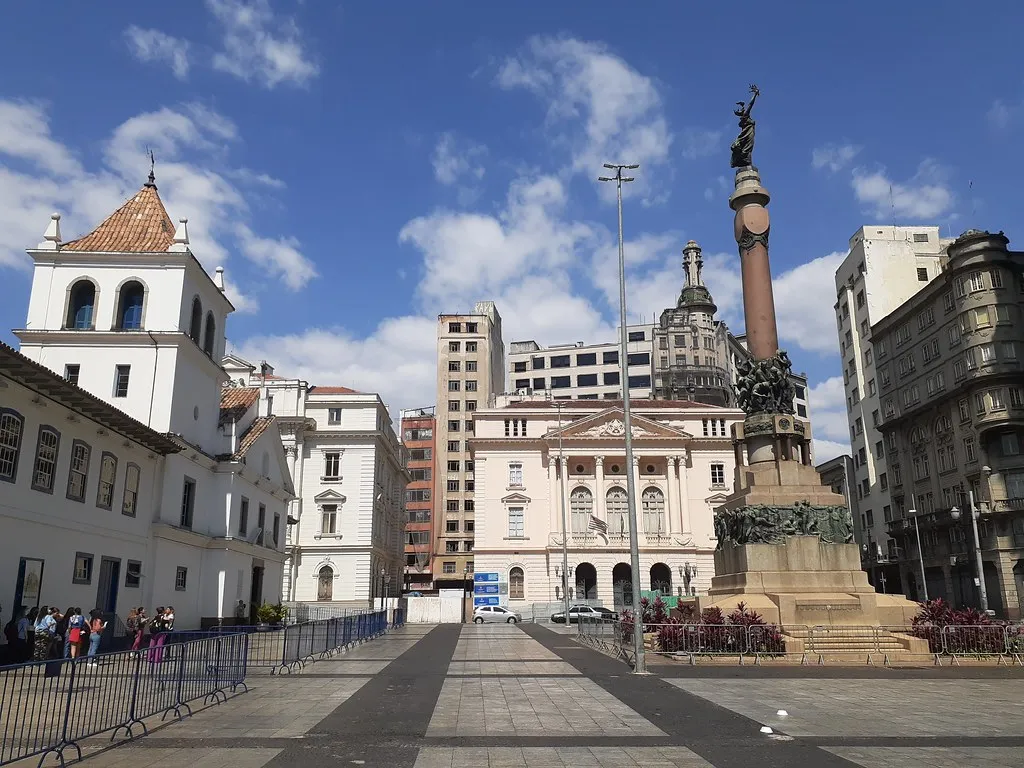
Pateo do Collegio marks the site where Jesuits José de Anchieta and Manoel da Nóbrega founded São Paulo in 1554, in the city’s historic centre.

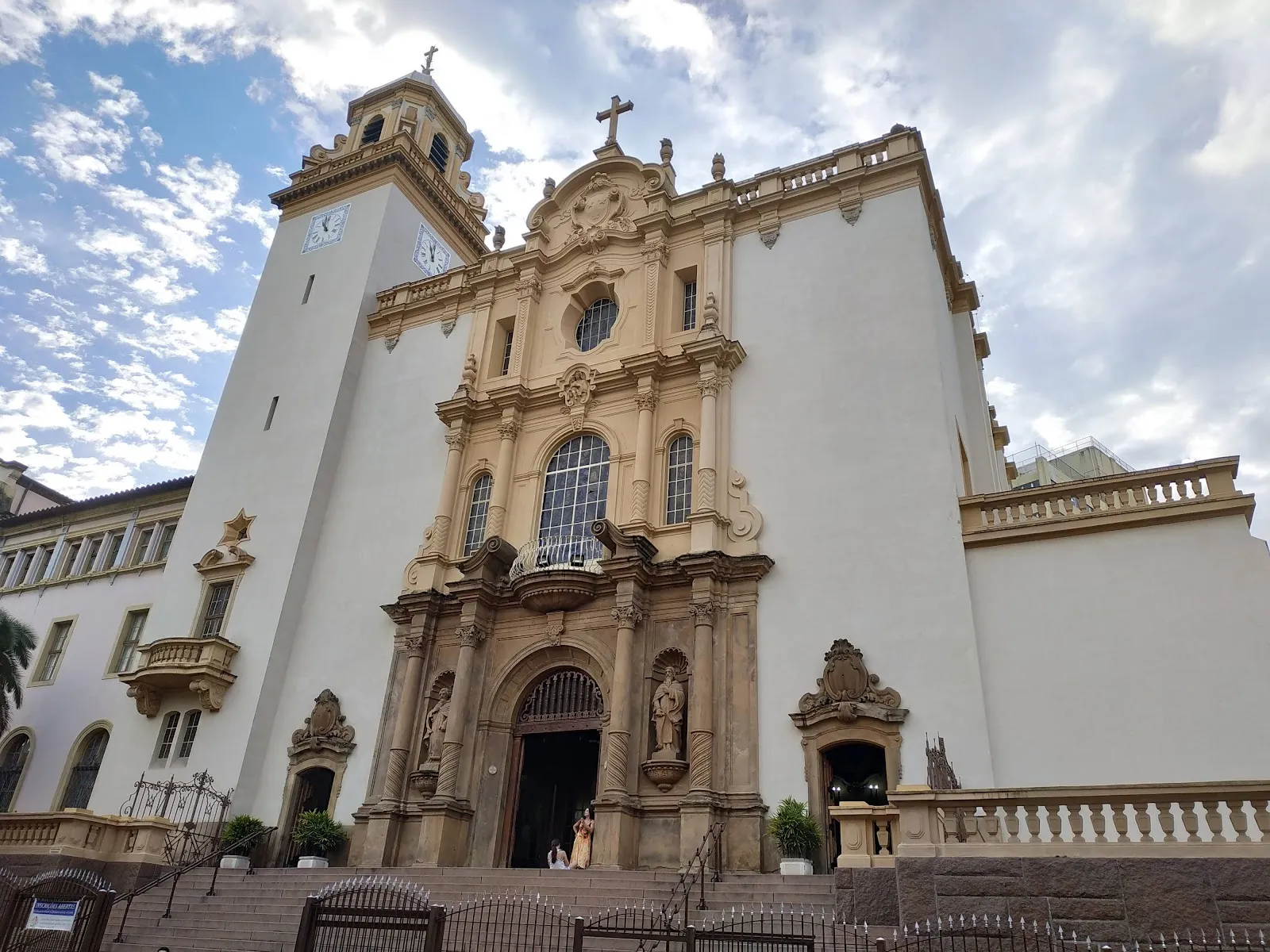
Pateo do Collegio marks the site where Jesuits José de Anchieta and Manoel da Nóbrega founded São Paulo in 1554, in the city’s historic centre. The present Portuguese Colonial-style building was rebuilt in the 1950s. Its museum displays maps of early São Paulo, sacred art and relics; the grounds also include a garden, crypt, library and the São José de Anchieta Church. Visit for a compact look at the city’s beginnings and Jesuit history. The courtyard can be seen without entering the museums, which require a ticket.

The site where São Paulo began
Pateo do Collegio
Pateo do Collegio

Pateo do Collegio is associated with the Jesuit foundation of São Paulo in 1554. José de Anchieta and Manoel da Nóbrega were among the priests who established a school here. The first structure was a simple hut made from mud and straw; the site later underwent changes and periods of neglect.

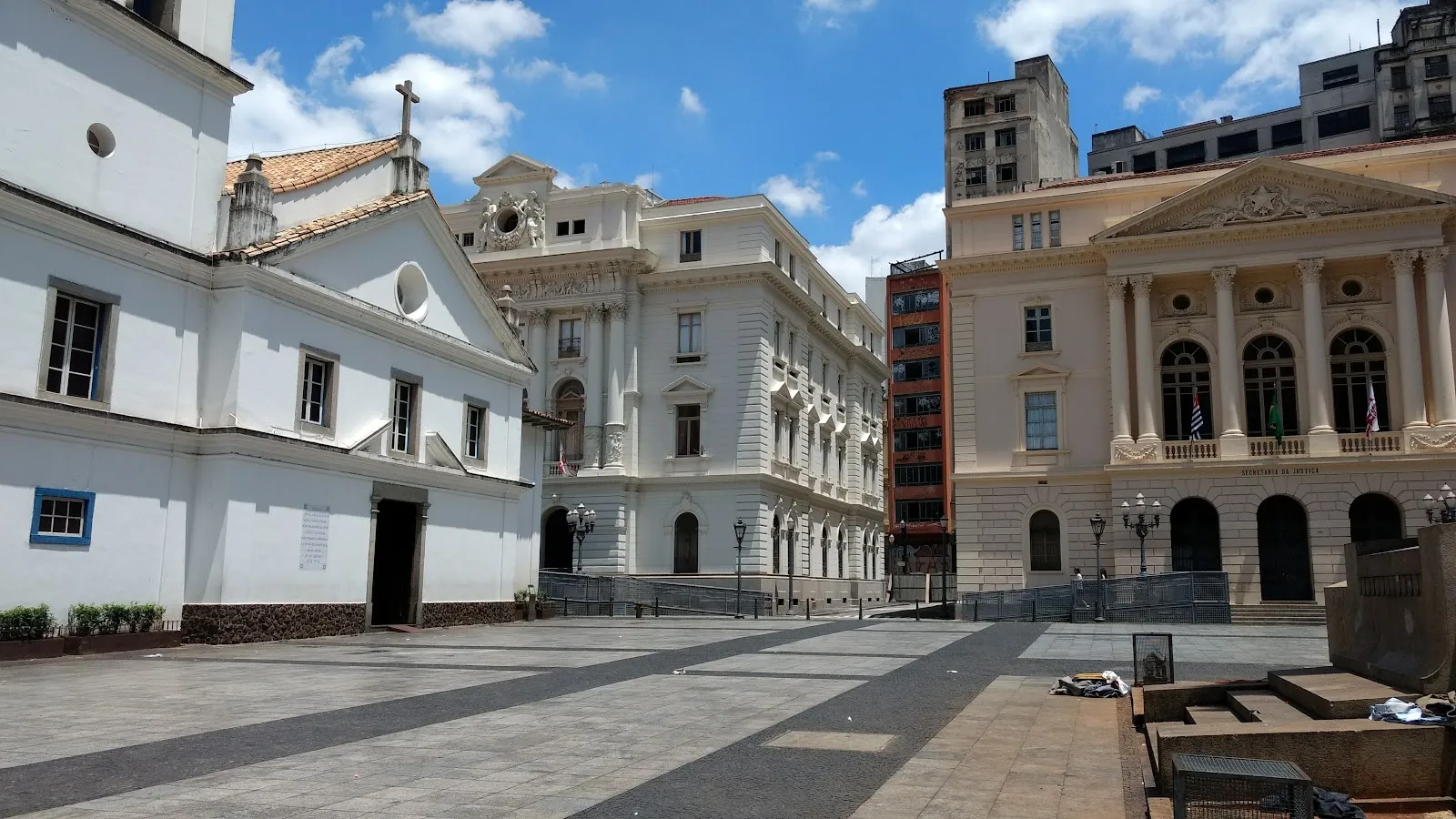
The building now on the square is a Portuguese Colonial-style reconstruction from the 1950s. Its appearance recalls the colonial period, but it is not the original 1554 structure. The church was constructed in 1896 in a style based on the earlier chapel.

Museum, church and grounds
Pateo do Collegio
Pateo do Collegio

The Anchieta Museum presents material connected with São Paulo’s beginnings, including maps of the city in colonial times, sacred art and relics. The complex also includes the São José de Anchieta Church, the Jesuit Museum of Sacred Art, the Padre Antônio Vieira Library, a crypt and a garden. The courtyard can be visited without entering the museums; museum visits require a ticket.

Check access before travelling if your visit falls on a religious event or public holiday. The site may be closed to general visitors while a service is being prepared. Guided tours are another way to learn more about the place and its collections.

FAQ

Where was São Paulo founded?

Pateo do Collegio marks the site where Jesuits established the city in 1554.

Is Pateo do Collegio free to visit?

The courtyard can be visited for free. You need a ticket to enter the museums.

What can you see inside Pateo do Collegio?

The museum displays maps of early São Paulo, sacred art and relics. The complex also has a church, garden, crypt and library.

Is the current building original?

No. The present Portuguese Colonial-style building was rebuilt in the 1950s. The site itself is associated with São Paulo’s founding in 1554.
Altre attrazioni imperdibili a São Paulo

Esplora tutto